
The Ultimate Cape Town Travel Guide 2026: Everything You Need to Know
Introduction
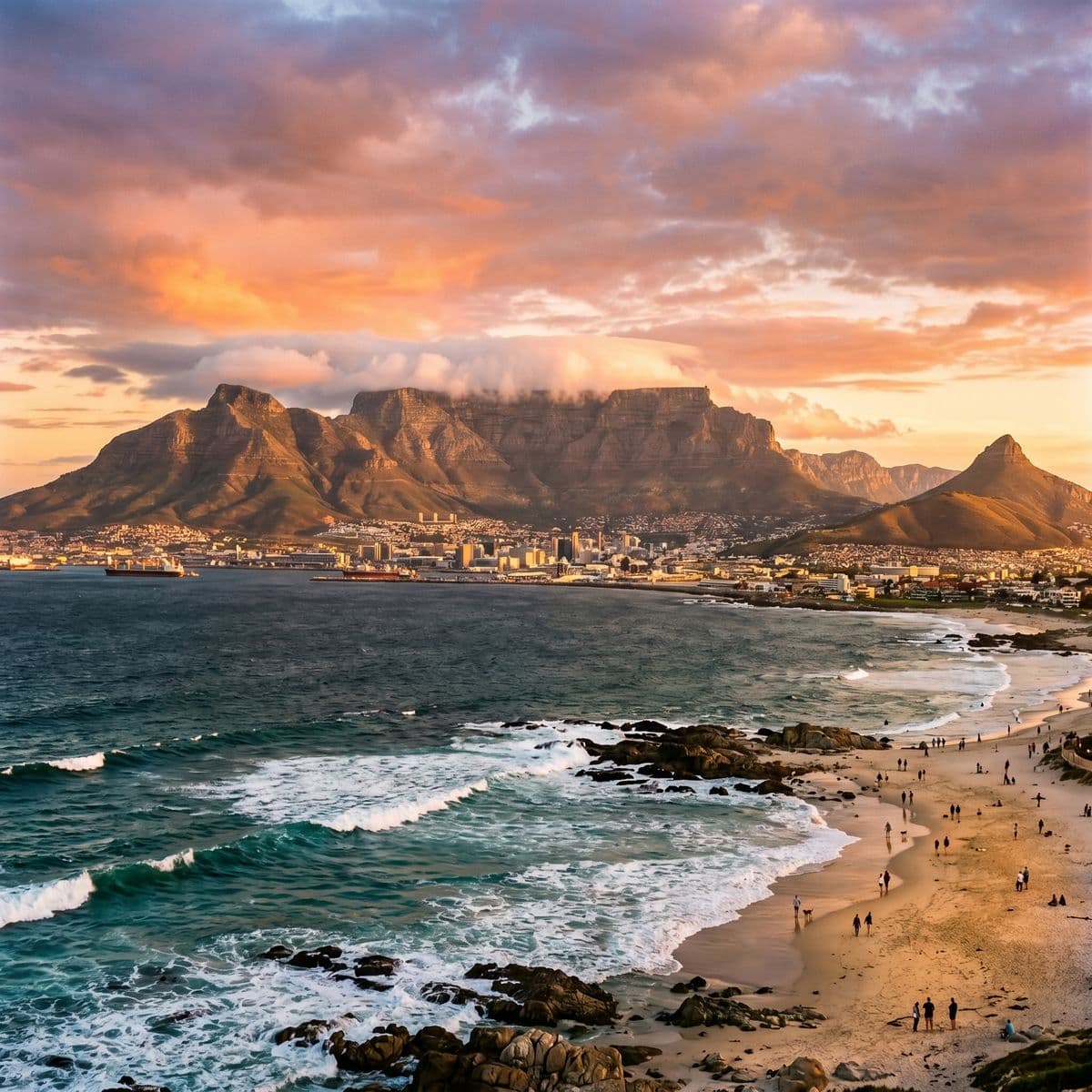
Nestled between the majestic Table Mountain and the glistening Atlantic Ocean, Cape Town isn't just a destination; it's an experience that captivates the soul. For the independent traveller in 2026, the Mother City offers a truly unique draw: a burgeoning, innovative culinary scene deeply rooted in its diverse cultural heritage, pushing boundaries while celebrating tradition. Beyond the iconic natural beauty, you'll discover a dynamic city where world-class dining, cutting-edge art, and profound history converge, offering a compelling reason to make Cape Town your next adventure.
Best Time to Visit
Cape Town’s Mediterranean climate means pleasant weather for much of the year, but understanding the seasonal nuances is key to planning your perfect trip.
- January: Peak summer. Hot, dry weather (20-28°C). Crowds are high, especially around coastal areas. Accommodation and flights are at their most expensive. Ideal for beaches and outdoor activities.
- February: Still hot and dry (20-28°C). Crowds remain high. This is a fantastic month for watersports and exploring the Cape Peninsula. Expect peak pricing.
- March: Summer mellows slightly (18-26°C). Crowds begin to thin after the peak holiday season. Prices may see a slight dip. Perfect for hiking and wine tasting as the intense heat subsides.
- April: Autumn arrives with pleasant, warm days (15-24°C) and cooler evenings. Moderate crowds. Prices become more reasonable. This is a 'sweet spot' month, offering comfortable exploration and fewer queues.
- May: Days are cooler (12-20°C) and the first winter rains might appear. Lower crowds and budget-friendly pricing. Great for museum visits, cosy dining, and enjoying the city without the bustle.
- June: Winter begins. Cool, wet weather (8-18°C) is common, but clear, crisp days do occur. Low crowds and the lowest prices of the year. Ideal for whale watching (early season) and exploring cultural sites.
- July: Mid-winter, the coldest month (7-17°C) with significant rainfall. Low crowds and budget pricing. Best for indoor activities like art galleries, shopping, and enjoying fireside meals. Prime whale-watching month.
- August: Still cool and wet (8-18°C), but often interspersed with beautiful sunny 'champagne' days. Crowds remain low, prices very favourable. Excellent for seeing the West Coast wildflowers bloom later in the month.
- September: Spring arrives, bringing warmer temperatures (12-22°C) and less rain. Moderate crowds, prices start to rise. The city bursts into colour, making it ideal for gardens and outdoor exploring.
- October: Pleasant spring weather (15-24°C), increasing sunshine. Moderate crowds and mid-range pricing. A fantastic month for hiking, exploring vineyards, and enjoying the city before the summer rush.
- November: Early summer conditions (18-26°C) with long, sunny days. Crowds start to build, and prices increase. Excellent for beaches and all outdoor activities, with manageable tourist numbers.
- December: Summer officially starts. Hot, dry weather (20-28°C). Crowds become high towards the festive season. High prices. Perfect for beach holidays and lively outdoor events, though booking well in advance is essential.
Sweet Spot Recommendation: For a balance of excellent weather, manageable crowds, and more favourable pricing, aim for **April** or **October**. You'll enjoy warm, sunny days perfect for exploring, without the peak season intensity.
Travel Planning & Booking
Planning your Cape Town adventure for 2026 requires a strategic approach to flights and documentation.
Flight Routes and Airlines
Cape Town International Airport (CPT) is well-connected. Direct flights from Europe and connecting flights globally are readily available.
- From London (LHR): British Airways, Virgin Atlantic, and sometimes seasonal direct flights from other carriers. Expect around 11-12 hours for direct flights.
- From New York (JFK/EWR): United Airlines offers seasonal direct flights from Newark (EWR). Delta Air Lines often flies via Atlanta (ATL). Connecting flights via European or Middle Eastern hubs are common, taking 17-20+ hours.
- Other Hubs: Qatar Airways (via Doha), Emirates (via Dubai), Turkish Airlines (via Istanbul), KLM (via Amsterdam), Lufthansa (via Frankfurt) all offer excellent connections.
Booking Lead Times
For peak season (December-February), book flights and popular accommodation 6-9 months in advance. For shoulder seasons (March-May, September-November), 3-5 months is advisable. Off-peak (June-August) allows for more flexibility, 2-3 months out.
Top 3 Booking Platforms
- Skyscanner: Excellent for comparing prices across multiple airlines and finding the cheapest days/months to fly. Ideal for flexible travellers.
- Google Flights: Powerful for tracking price changes, exploring destination options on a map, and setting fare alerts. Great for initial research and price monitoring.
- Booking.com: While known for accommodation, their flight search is increasingly competitive, and it's excellent for bundling flights with hotel deals, often with flexible cancellation options.
Visa Requirements (2025/2026)
Visa requirements for South Africa can change, so always check the latest official information from the South African Department of Home Affairs or your local embassy/consulate.
- UK Nationals: Visa-free for stays up to 90 days.
- US Nationals: Visa-free for stays up to 90 days.
- EU Nationals: Most European Union countries are visa-free for stays up to 90 days.
- Indian Nationals: Visa required. Applications typically need to be submitted in advance through VFS Global or the South African High Commission/Consulate.
- UAE Nationals: Visa required. Applications typically need to be submitted in advance through VFS Global or the South African High Commission/Consulate.
General Note: For visa-required countries, the process involves submitting an application form, passport, passport-sized photos, flight itinerary, proof of accommodation, and proof of sufficient funds.
Entry Documentation Checklist
- Valid passport (at least 6 months validity from your date of entry, with at least two blank pages).
- Return or onward ticket.
- Proof of accommodation (hotel bookings, invitation letter).
- Proof of sufficient funds for your stay.
- Travel insurance details.
- For minors: unabridged birth certificate (if travelling with one parent or without parents, additional documents like a parental consent affidavit are required).
Travel Insurance
Travel insurance is not just recommended for Cape Town; it's essential. The city offers incredible adventure activities, but also the potential for unexpected medical emergencies or trip disruptions.
Why it matters for Cape Town: While generally safe, petty crime can occur, leading to lost valuables. Hiking Table Mountain or shark cage diving presents inherent risks. Furthermore, private medical care can be excellent but costly. Comprehensive cover ensures peace of mind.
Cover to Look For
- Medical Emergencies: Essential for any hospitalisation, doctor's visits, or emergency evacuation.
- Trip Cancellation/Interruption: Protects against unforeseen events that may cut short or cancel your trip.
- Lost/Stolen Baggage & Personal Belongings: Covers your valuables in case of loss or theft.
- Adventure Activities: Ensure activities like hiking, surfing, diving, or safaris are explicitly covered.
3 Recommended Providers
- World Nomads: Renowned for flexible, comprehensive cover, especially for adventure travellers and those planning last-minute changes. Features include cover for 200+ adventure activities and option to buy/extend policy while travelling. Best for backpackers and active explorers.
- SafetyWing: A favourite among digital nomads and long-term travellers for its affordable, subscription-based medical travel insurance. Features include worldwide medical coverage (excluding US for non-US citizens) and a travel delay benefit. Best for digital nomads and extended stays.
- Allianz Travel Insurance: Offers a wide range of plans from basic to premium, with excellent customer service and reputation. Features often include robust cancellation benefits, emergency medical, and rental car protection. Best for comprehensive coverage and families.
Practical Tip: Always read the policy's Product Disclosure Statement (PDS) carefully to understand exactly what is and isn't covered, especially regarding specific activities you plan to undertake.
Packing Guide
Cape Town's weather can be unpredictable, even in summer, so smart layering is key.
Climate-Specific Clothing Checklist
- Summer (Dec-Feb): Lightweight tops (t-shirts, vests), shorts, swimwear, sun dresses, light trousers, a light jacket/cardigan for evenings.
- Autumn/Spring (Mar-May, Sep-Nov): Long-sleeved tops, jeans/trousers, a few warmer jumpers, a waterproof jacket, comfortable walking shoes.
- Winter (Jun-Aug): Warm layers (thermals if you get cold easily), woolly jumpers/fleeces, a heavy waterproof and windproof jacket, scarf, beanie, waterproof walking boots.
- Year-round essentials: Comfortable walking shoes (for city and hikes), sandals/flip-flops, sunglasses, hat.
Cultural Dress Considerations
Cape Town is generally very relaxed and cosmopolitan. There are no strict dress codes for tourists, but dressing respectfully (e.g., covering shoulders and knees) when visiting religious sites or townships is appreciated. For fine dining, smart casual is usually appropriate.
Must-Bring Items Specific to Cape Town
- High SPF Sunscreen: The South African sun is intense, even on cloudy days.
- Reusable Water Bottle: Stay hydrated, and help reduce plastic waste.
- Power Bank: For keeping your phone charged while exploring.
- Universal Travel Adapter (Type M/D/N): South Africa uses unique plug types.
- Binoculars: Excellent for spotting wildlife at Cape Point or whales during whale season.
- Small Daypack: For daily excursions, carrying water, snacks, and layers.
One Item Tourists Over-pack
Heavy, formal evening wear. While there are upscale restaurants, smart casual is usually sufficient. You'll spend more time in comfortable, versatile outfits.
Accommodation
Cape Town offers an array of accommodation, from luxury beachfront properties to charming guesthouses. Choosing the right neighbourhood can significantly enhance your experience.
3 Best Neighbourhoods to Stay
- V&A Waterfront: Known for its vibrant atmosphere, upscale shopping, dining, and attractions. It's incredibly safe and offers easy access to ferries (e.g., Robben Island). Best for: First-time visitors, those seeking convenience and entertainment, families.
- Camps Bay: Famous for its stunning beaches, trendy restaurants, and ocean-facing villas. Offers a more relaxed, upscale beach holiday vibe with incredible sunset views. Best for: Beach lovers, couples, luxury travellers.
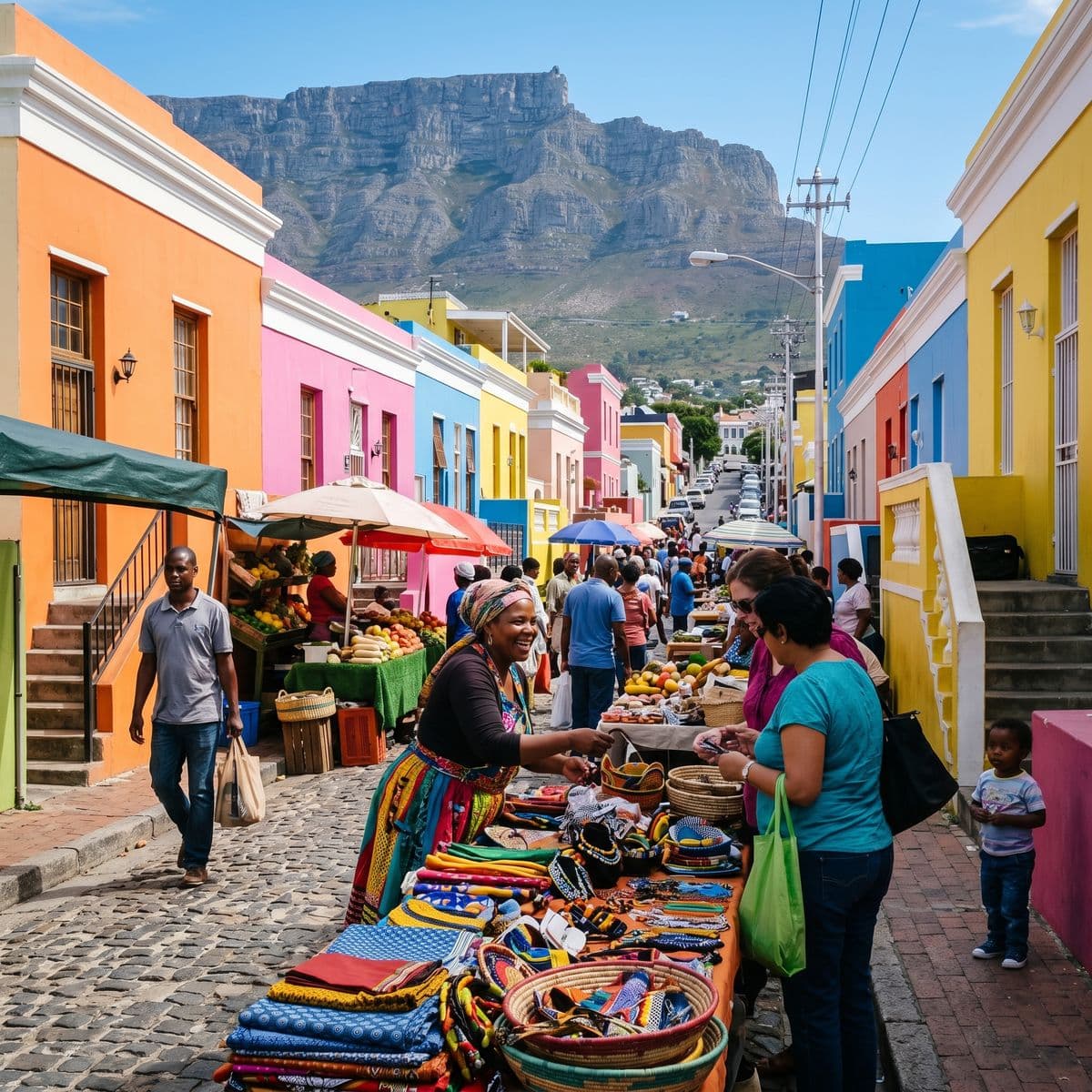
- Bo-Kaap/De Waterkant: Characterised by its colourful houses, cobbled streets, and unique Malay culture. De Waterkant offers boutique shops, vibrant nightlife, and a central location, while Bo-Kaap is quieter and historic. Best for: Culture enthusiasts, foodies, those seeking a unique, central base.
Accommodation Picks (Real, Named Properties for 2026)
- Luxury Pick: The Silo Hotel, V&A Waterfront. Housed in a former grain silo, this architectural marvel offers panoramic views, bespoke art, and unparalleled luxury. Prices range from £600-£1200 per night. Amenities: Rooftop pool, spa, fine dining restaurant, art gallery.
- Mid-Range Pick: Southern Sun Waterfront Cape Town, Foreshore. A reliable, centrally located hotel offering comfortable rooms and excellent service. Within walking distance of the V&A Waterfront. Prices range from £100-£200 per night. Amenities: Outdoor pool, fitness centre, multiple dining options.
- Boutique/Unique Pick: The Marly Boutique Hotel, Camps Bay. Stylish and chic, The Marly offers an intimate atmosphere with stunning ocean views, directly on Camps Bay beach. Prices range from £200-£450 per night. Amenities: Infinity pool, beachfront access, trendy restaurants.
Booking Tip: For the best rates and availability, especially for The Silo or The Marly, book at least 6 months in advance. Utilize platforms like Booking.com or directly through the hotel websites, comparing prices and checking for loyalty programme benefits.
Getting Around Locally
Navigating Cape Town is relatively straightforward, with several reliable options.
Airport to City Centre (Cape Town International Airport - CPT)
- MyCiTi Bus Airport Shuttle: The most cost-effective option. Take the MyCiTi A01 route directly from the airport to the Civic Centre station in the city centre. From there, you can connect to other MyCiTi routes or use a ride-hailing service. Cost: ZAR 100-150 (£4-£7). Duration: Approx. 30-45 minutes. Operating Hours: Generally 5:00 AM - 11:00 PM.
- Uber/Bolt: Convenient and widely used. Available directly from the arrivals terminal. Cost: ZAR 250-400 (£12-£20) to most city centre locations. Duration: Approx. 25-40 minutes, depending on traffic. Tips: Always confirm your driver and car details via the app.
- Metered Taxis: Available outside the terminal. Ensure the meter is running or agree on a price upfront before starting your journey. Cost: ZAR 300-500 (£15-£25). Duration: Approx. 25-40 minutes.
Best Local Transport Modes
- MyCiTi Bus: An efficient and modern bus rapid transit system covering key areas including the city centre, Atlantic Seaboard, and Bloubergstrand. You'll need to purchase a MyCiTi 'myconnect' card (ZAR 35, approx. £1.50) and load it with funds. Cost: ZAR 10-35 (£0.50-£1.50) per ride depending on distance. Tips: Use the MyCiTi app for route planning.
- Uber/Bolt: For areas not covered by MyCiTi or for late-night travel, ride-hailing apps are the most convenient and reasonably priced option. Cost: ZAR 80-200 (£4-£10) for typical city rides. Tips: Always check surge pricing during peak hours.
- Minibus Taxis: While very cheap and popular with locals, these can be chaotic and aren't recommended for tourists unless with a local guide, due to safety and navigation challenges.
Recommended Apps
- Uber/Bolt: Essential for convenient point-to-point travel.
- MyCiTi App: For planning bus routes, checking schedules, and finding stops.
- Google Maps: For general navigation, walking directions, and public transport integration.
One Common Tourist Mistake
Underestimating distances and attempting to walk everywhere. While the CBD is walkable, attractions like Table Mountain, Camps Bay, or Kirstenbosch require transport. Always plan your routes and use reliable transport, especially after dark.
Top Tourist Attractions (Must-See)
Cape Town boasts a wealth of iconic attractions that blend natural wonder with deep historical significance.
- Table Mountain Aerial Cableway
- Why it matters: An iconic flat-topped mountain, offering unparalleled panoramic views of the city, coastline, and surrounding areas. It's a UNESCO World Heritage Site.
- Opening Hours: Varies seasonally, generally 8:00 AM - 7:00 PM (later in summer). Check website for exact times.
- Entry Cost: Return ticket approximately ZAR 380-420 (£17-£20) for adults, depending on peak/off-peak.
- Best Time of Day: Early morning for fewer crowds and clearest views, or late afternoon for sunset (book sunset tickets well in advance).
- Insider Tip: Check the weather and cableway status online before you go – it can close due to strong winds. Bring layers, as it's often cooler and windier at the top.
- Location: Tafelberg Road, Gardens, Cape Town.
- Robben Island Museum
- Why it matters: A poignant and essential historical site, where Nelson Mandela and other political prisoners were incarcerated. Tours are led by former prisoners, offering profound insights into South Africa's apartheid history.
- Opening Hours: Ferries depart from Nelson Mandela Gateway at the V&A Waterfront at 9:00 AM, 11:00 AM, 1:00 PM, 3:00 PM (weather permitting). Tour lasts approx. 3.5-4 hours.
- Entry Cost: Approximately ZAR 600-650 (£28-£32) for adults, including ferry. Book well in advance.
- Best Time of Day: Any departure, but earlier slots often have calmer seas.
- Insider Tip: Book tickets several weeks in advance, especially during peak season, as they sell out quickly. Arrive at the Nelson Mandela Gateway at least 30 minutes before your scheduled departure.
- Location: Nelson Mandela Gateway, V&A Waterfront, Cape Town.
- V&A Waterfront
- Why it matters: A bustling working harbour, world-class shopping, dining, entertainment precinct, and gateway to many tours. It's a vibrant hub day and night.
- Opening Hours: Retailers 9:00 AM - 9:00 PM; Restaurants and attractions vary. Waterfront itself is always accessible.
- Entry Cost: Free to enter the precinct; individual attractions and purchases vary.
- Best Time of Day: Late afternoon into evening for shopping, dinner, and enjoying the sunset over the harbour.
- Insider Tip: Explore the Watershed market for local crafts and design. Don't miss the Silo District for contemporary art and architecture.
- Location: V&A Waterfront, Cape Town.
- Boulders Beach Penguin Colony
- Why it matters: Home to a thriving colony of endangered African Penguins. Visitors can observe these charming creatures up close from boardwalks.
- Opening Hours: 8:00 AM - 5:00 PM (winter), 8:00 AM - 6:30 PM (summer), check SANParks website for exact seasonal times.
- Entry Cost: ZAR 176 (£8) for adults (International visitors).
- Best Time of Day: Early morning or late afternoon to avoid the busiest crowds and see more active penguins.
- Insider Tip: While the main viewing area is busy, you can often find penguins swimming or waddling on adjacent Foxy Beach, accessed via a separate entrance, for a more secluded experience.
- Location: Kleintuin Road, Simon's Town, Cape Town.
- Kirstenbosch National Botanical Garden
- Why it matters: Acclaimed as one of the great botanical gardens of the world, showcasing South Africa's rich and diverse flora. Features a stunning 'Boomslang' (Tree Canopy Walkway).
- Opening Hours: 8:00 AM - 6:00 PM (September-March), 8:00 AM - 5:00 PM (April-August).
- Entry Cost: ZAR 230 (£10) for adults (International visitors).
- Best Time of Day: Morning to early afternoon, allowing ample time to explore.
- Insider Tip: Bring a picnic to enjoy on the sprawling lawns. Check their schedule for summer concerts on Sundays (Nov-Apr).
- Location: Rhodes Drive, Newlands, Cape Town.
- Cape Point & Cape of Good Hope
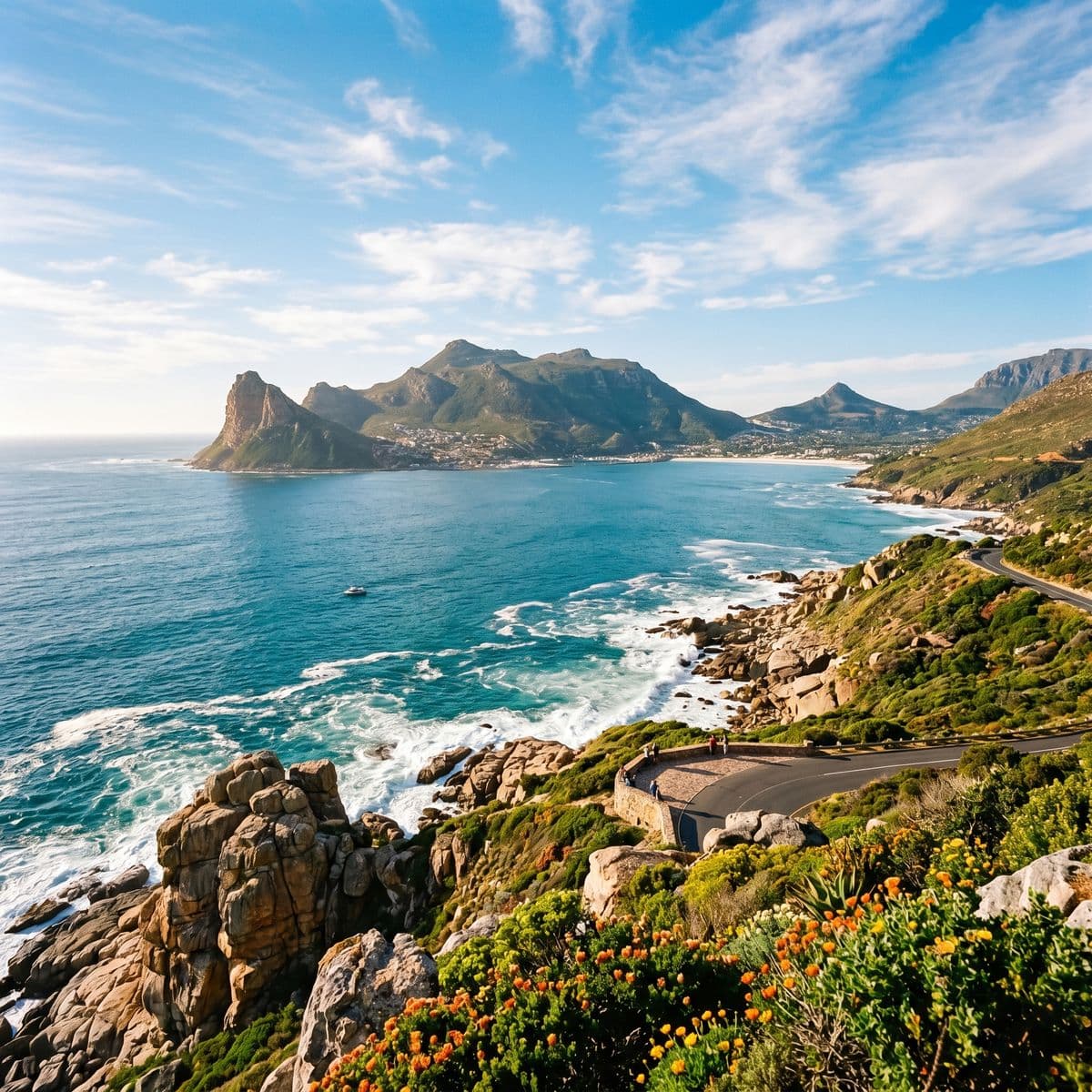
- Why it matters: The dramatic southwestern tip of the African continent, within a proclaimed nature reserve. Offers breathtaking scenery, hiking trails, and abundant wildlife (baboons, ostriches).
- Opening Hours: 7:00 AM - 5:00 PM (October-March), 7:00 AM - 6:00 PM (April-September).
- Entry Cost: ZAR 380 (£17) for adults (International visitors). The Flying Dutchman Funicular to the lighthouse is an additional ZAR 90 return.
- Best Time of Day: Early morning to beat the tour buses and enjoy the tranquil beauty.
- Insider Tip: Drive or walk to the 'Cape of Good Hope' sign for a photo, then take the funicular or hike up to the old lighthouse at Cape Point for the iconic views. Be mindful of baboons – keep car windows closed and don't feed them.
- Location: Cape Peninsula, approximately 60km south of Cape Town.
- Bo-Kaap
- Why it matters: A historically rich neighbourhood famous for its vibrant, brightly coloured houses and unique Cape Malay culture. Offers a glimpse into a distinct community and its heritage.
- Opening Hours: Always accessible. Bo-Kaap Museum: 10:00 AM - 4:00 PM (Mon-Sat).
- Entry Cost: Free to explore. Bo-Kaap Museum: ZAR 40 (£2).
- Best Time of Day: Morning for gentle light and fewer crowds, allowing for good photos and a leisurely stroll.
- Insider Tip: Take a Cape Malay cooking class here to immerse yourself in the local culinary traditions. Be respectful of residents' privacy when taking photos.
- Location: Central Cape Town, at the foot of Signal Hill.
Local Food & Dining
Cape Town's culinary scene is a melting pot of flavours, from traditional South African dishes to world-class fine dining, heavily influenced by Dutch, Malay, and Xhosa traditions.
Must-Try Dishes & Drinks
- Bobotie: A comforting, spiced mince dish baked with an egg-based topping. South Africa's national dish.
- Biltong & Droëwors: Cured dried meat, similar to jerky but with a unique spice blend (coriander, salt, pepper, vinegar). Droëwors is a dried sausage.
- Braai: More than just a BBQ, it's a social institution. Expect grilled meats (lamb chops, boerewors sausage) and often 'pap' (maize porridge) or 'chakalaka' (spicy vegetable relish).
- Malva Pudding: A sweet, sticky, apricot-based baked pudding, typically served with hot custard or ice cream.
- Koeksisters: Braided doughnuts, deep-fried and then dipped in an ice-cold syrup. A sweet, sticky treat.
- Cape Malay Curry: Milder than Indian curries, with fragrant spices and often a hint of sweetness, reflecting the region's diverse history.
Dining Recommendations (Real, Named for 2026)
- High-End Restaurant: La Colombe, Constantia. Consistently ranked among the world's best restaurants, offering an exquisite, theatrical multi-course tasting menu with contemporary French-meets-Asian cuisine. Price: Tasting menu from ZAR 2200 (£100) per person. Location: Silvermist Wine Estate, Constantia Nek. Must-Try: Their signature tuna dish or any item from the innovative tasting menu.
- Mid-Range Restaurant: Mama Africa, Long Street. A lively and authentic African restaurant known for its vibrant atmosphere, live music, and extensive menu featuring traditional dishes like game meats, oxtail, and peri-peri chicken. Price: Main courses ZAR 200-400 (£9-£18). Location: 178 Long St, Cape Town City Centre. Must-Try: The 'Taste of Africa' platter or the Eland steak.
- Street Food/Market Recommendation: V&A Food Market, V&A Waterfront. A bustling indoor market with over 40 food vendors offering a diverse range of local and international street food, artisanal products, and gourmet treats. Price: ZAR 80-250 (£4-£12) per meal/item. Location: Dock Rd, V&A Waterfront. Must-Try: A Gatsby (local sandwich), fresh oysters, or a craft beer.
Dietary Note: Cape Town is very accommodating to various dietary requirements, with many restaurants offering vegetarian, vegan, and gluten-free options. It's always best to inform your server upon arrival.
Safety & Emergency Contacts
Cape Town is generally safe for tourists, especially in well-frequented areas, but like any major city, it's important to be aware of your surroundings.
Safety Level
Moderate caution required. While tourists are generally safe in prime tourist zones, opportunistic petty crime (pickpocketing, bag snatching) can occur. More serious crime is typically confined to specific townships and not tourist areas.
Specific Areas or Situations to Be Aware Of
- After Dark: Avoid walking alone at night, especially in less populated areas or the city centre. Use Uber/Bolt or reputable taxis.
- Central Business District (CBD): Be vigilant, especially around transport hubs. Keep valuables out of sight.
- Townships: Only visit townships with a reputable and organised tour group.
- Table Mountain/Hiking Trails: While generally safe, hike in groups and stick to marked trails. Be aware of weather changes.
- Valuables: Don't display expensive jewellery, cameras, or phones openly. Be wary of ATM scams.
LOCAL EMERGENCY NUMBERS (Real, Accurate for Cape Town)
- Police: 10111
- Ambulance: 10177
- Fire: 10177
- National Emergency (from mobile): 112
Nearest International Hospital/Clinic: Netcare Christiaan Barnard Memorial Hospital, 181 Longmarket St, Cape Town City Centre, Cape Town, 8001. Phone: +27 21 480 6111. This private hospital offers excellent medical care.
Embassy Contacts
- UK: British Consulate General Cape Town
- Name: British Consulate General Cape Town
- Phone: +27 21 405 2400
- Address: 15th Floor, Norton Rose House, 8 Riebeek Street, Cape Town City Centre, Cape Town, 8001
- Email: (No public general email, use contact form on gov.uk website)
- US: U.S. Consulate General Cape Town
- Name: U.S. Consulate General Cape Town
- Phone: +27 21 702 7300
- Address: 2 Reddam Avenue, Steenberg, Cape Town, 7945
- Email: [email protected]
- India: Consulate General of India Cape Town
- Name: Consulate General of India Cape Town
- Phone: +27 21 419 8110
- Address: The Terraces, 3rd Floor, 130 Strand Street, De Waterkant, Cape Town, 8001
- Email: [email protected]
Useful Apps & Resources
These apps and websites will make your Cape Town trip smoother and more enjoyable:
- Uber/Bolt: For convenient and safe transportation.
- Google Maps: Essential for navigation, public transport info, and discovering nearby attractions.
- MyCiTi App: For real-time information, routes, and schedules of the city's bus network.
- Dineplan: A local app for making restaurant reservations at many popular Cape Town eateries.
- Load shedding notifier app (e.g., EskomSePush): South Africa experiences planned power outages. This app will help you anticipate and plan around them.
Official Tourism Board Website: www.capetown.travel – The official site for Cape Town tourism, offering comprehensive information on attractions, events, and planning resources.
Closing
Cape Town truly is a destination of contrasts and unparalleled beauty, offering something for every discerning independent traveller. From the soaring heights of Table Mountain to the poignant history of Robben Island, the vibrant streets of Bo-Kaap to the serene Constantia Winelands, this city promises an unforgettable journey of discovery. Embrace the warmth of its people, savour its innovative cuisine, and let the Mother City captivate your spirit. Start planning your incredible 2026 adventure today and let ainexusworld.com be your trusted guide to unlocking the world's most extraordinary destinations.
FAQ
Find quick answers to common questions about travelling to Cape Town.
- Is Cape Town safe for tourists?
Cape Town is generally safe in tourist-heavy areas like the V&A Waterfront, Camps Bay, and central districts during the day. However, like any major city, it’s advisable to exercise caution, especially after dark. Avoid walking alone at night, use reputable ride-hailing services, and keep valuables out of sight to prevent opportunistic crime. Always be aware of your surroundings. - What is the best time to visit Cape Town?
The 'sweet spot' for visiting Cape Town is during the shoulder seasons of April-May or September-November. These months offer pleasant warm weather, fewer crowds than peak summer, and more reasonable prices, making it ideal for exploring both natural attractions and the city's cultural offerings. - How many days do I need in Cape Town?
A minimum of 5-7 full days is recommended to experience the highlights of Cape Town and its immediate surrounds without feeling rushed. This allows time for iconic sights like Table Mountain and Robben Island, a trip down the Cape Peninsula, exploring the city, and enjoying the culinary scene. - Do I need a visa to visit Cape Town?
Visa requirements depend on your nationality. Nationals from countries like the UK, USA, and most EU countries are typically visa-exempt for stays up to 90 days. However, citizens from India and the UAE usually require a visa, which must be obtained in advance. Always verify the latest requirements with the South African Department of Home Affairs or your local embassy before travel. - What is the local currency and can I use credit cards?
The local currency in Cape Town is the South African Rand (ZAR). Major credit cards (Visa, Mastercard) are widely accepted at hotels, restaurants, shops, and larger attractions. It's advisable to carry some cash for smaller purchases, markets, or in areas where card facilities might be limited. ATMs are readily available.