
Introduction
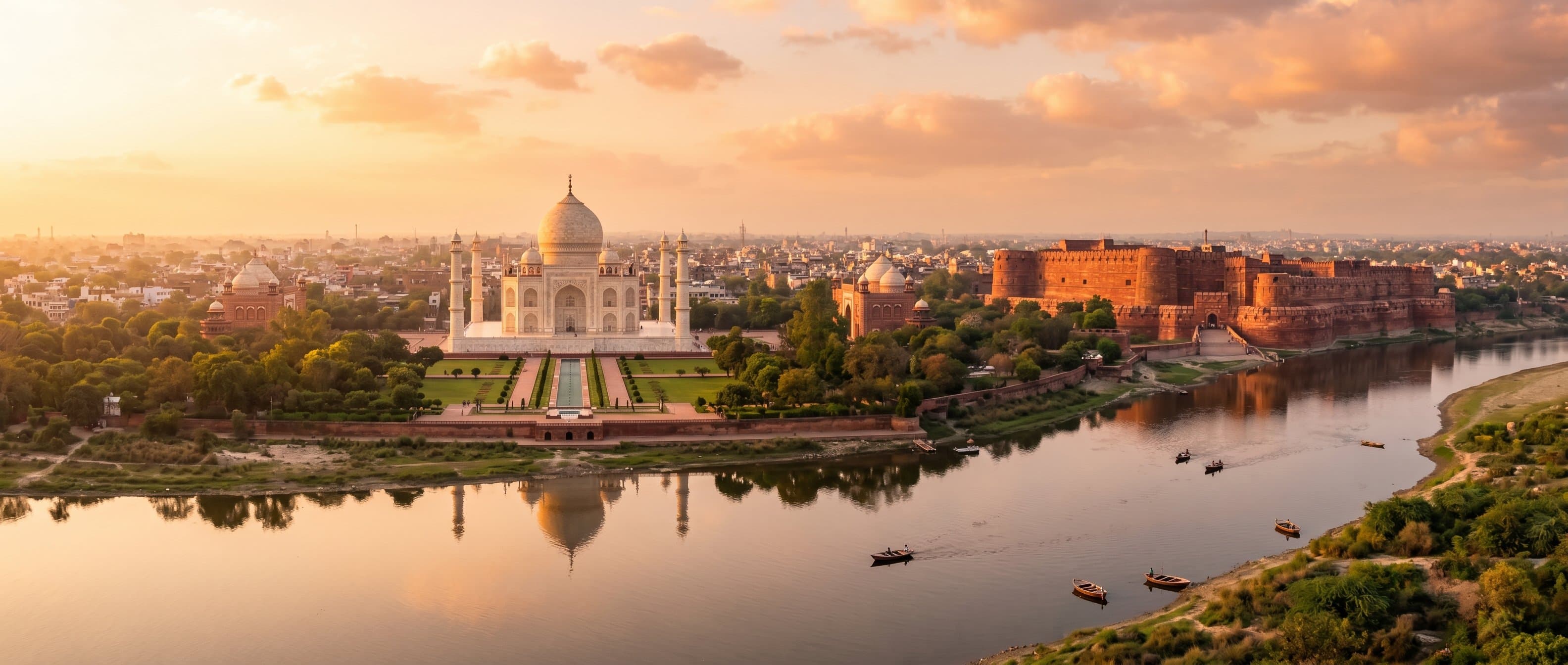
For decades, Agra has been unfairly pigeonholed as a mere day-trip destination from New Delhi. Travellers would dash in, snap a photo in front of the Taj Mahal, and retreat before sunset. However, as we move through 2026, Agra demands a proper place on your itinerary. The compelling reason to stay? The city has undergone a quiet revolution. With the completion of the Agra Metro and the revitalisation of the Yamuna riverfront, navigating the city is cleaner, faster, and more atmospheric than ever. For the budget backpacker and the digitally savvy nomad, Agra now offers a fascinating, multi-layered look into India's Mughal past, paired with thriving street food districts and affordable, community-driven hostels boasting rooftop views of the world's most famous monument to love.
Best Time to Visit
Agra's climate is one of extremes, meaning your experience hinges entirely on when you arrive. The absolute sweet spot for backpackers is between October and November, or February and March. During these months, the blistering heat has passed, the monsoon rains have settled, and the winter fog that obscures the Taj Mahal hasn't yet rolled in or has just lifted. You'll enjoy crisp mornings perfect for photography and pleasant afternoons for exploring Fatehpur Sikri. If you visit in late February, you can coincide your trip with the Taj Mahotsav, a ten-day festival celebrating local art, crafts, and Mughlai cuisine, offering a brilliant deep dive into regional culture without breaking the bank.
Travel Planning & Booking
While Agra has its own domestic airport (AGR) with limited IndiGo flights from cities like Mumbai and Ahmedabad, the most practical and popular route for international travellers is flying into New Delhi's Indira Gandhi International Airport (DEL). From Delhi, the Gatimaan Express train will whisk you to Agra in exactly 100 minutes. Book your train tickets at least 3 to 4 weeks in advance via the IRCTC portal or through platforms like MakeMyTrip. For accommodation, booking 4 to 6 weeks ahead is highly recommended for the peak winter season.
Regarding visas, the process for 2026 remains streamlined. UK, US, EU, and UAE nationals must apply for an Indian e-Visa online at least four days prior to arrival. Ensure your passport has at least six months of validity from your date of entry and two blank pages. Print your approved Electronic Travel Authorisation (ETA) before flying, as digital copies are sometimes rejected by immigration officers.
Travel Insurance
Never skip travel insurance when visiting Agra. While the city is generally safe, backpackers are susceptible to specific local hazards: 'Delhi belly' (gastrointestinal issues), minor injuries from the aggressive rhesus macaques (monkeys) that roam the rooftops, and heat exhaustion during the summer months. You need a policy that covers immediate medical out-patient treatment, emergency evacuation, and trip cancellation. Providers like World Nomads and SafetyWing are excellent for backpackers, while local Indian providers like Care Health Insurance offer highly competitive inbound travel covers. Practical Tip: Always ensure your policy explicitly covers 'rabies vaccinations' in case of a monkey bite or scratch, as a full course of post-exposure prophylaxis is mandatory and can be expensive.
Packing Guide
Packing for Agra requires a strategic mix of climate readiness and cultural respect. Modest clothing is non-negotiable; both men and women should wear clothing that covers the shoulders and knees, especially when visiting the Jama Masjid or the Taj Mahal. Breathable linen trousers and cotton kurtas are perfect. Must-bring items include a high-quality power bank, a reusable water bottle with a built-in filter (like LifeStraw), and slip-on shoes (you will be taking them off frequently at religious sites and mausoleums). What tourists over-pack: Heavy hiking boots and drone cameras. Agra is flat, and drones are strictly banned within a 50km radius of the Taj Mahal—security will confiscate them at the airport or train station.
Accommodation
Agra's accommodation scene is divided into distinct neighbourhoods. Taj Ganj is the backpacker hub, offering narrow alleys, rooftop cafes, and walking access to the Taj Mahal's East and South gates. Fatehabad Road is the arterial stretch housing mid-range and luxury hotels with spacious gardens. The Cantonment (Cantt) area is leafier, quieter, and closer to the main railway station. For a budget stay, Joey's Hostel in Taj Ganj is unbeatable for its vibrant community and rooftop view of the Taj. For mid-range comfort, ITC Mughal, a Luxury Collection Resort (which frequently offers mid-range rates off-season) provides sprawling gardens and world-class service. For true luxury, The Oberoi Amarvilas offers unobstructed views of the Taj from every single room. Booking Tip: If booking a hostel in Taj Ganj, request a room away from the street front to avoid the early morning cacophony of vendors and auto-rickshaws.
Getting Around Locally
Getting from Agra Cantt Railway Station or Agra Airport to the city centre is best done via prepaid taxis or app-based ride-hailing services like Ola and Uber. An Uber from the station to Taj Ganj costs around $2-$4 and takes 20 minutes. For daily local transport, the newly expanded Agra Metro is a game-changer, connecting key monuments cleanly and efficiently. Auto-rickshaws remain the quintessential Indian experience, but you must negotiate the fare before getting in. Common tourist mistake: Trusting independent auto-rickshaw drivers who offer 'city tours' for an unbelievably low price of 50 Rupees. This is a classic scam; they will aggressively detour you to high-pressure marble and gem emporiums where they earn hefty commissions.
Top Tourist Attractions (Must-See)
1. The Taj Mahal: The crown jewel of Islamic architecture in India. Opening hours are from sunrise to sunset (closed on Fridays). Entry costs 1100 INR (~$13) for foreigners, plus an optional 200 INR (~$2.50) to enter the main mausoleum. Best time: Be at the East Gate by 5:30 AM to beat the crowds and capture the sunrise. Insider tip: Buy your tickets online via the official ASI website the night before to skip the massive ticketing queues.
2. Agra Fort: A colossal red sandstone fortress that served as the main residence of the Mughal emperors. Open 6:00 AM to 6:00 PM. Entry is 600 INR (~$7). Best time: Late afternoon when the red stone glows in the setting sun. Insider tip: Don't miss the Musamman Burj, the octagonal tower where Shah Jahan was imprisoned by his son, offering poignant views of the Taj.
3. Fatehpur Sikri: An abandoned Mughal capital 40km from Agra. Open sunrise to sunset. Entry is 610 INR (~$7.50). Best time: Early morning. Insider tip: Take a local UP roadways bus from Idgah bus stand for a cheap, authentic transport experience, but hire an official ASI guide at the site to understand the complex history.
4. Itimad-ud-Daulah (Baby Taj): Often regarded as a draft of the Taj Mahal, this marble tomb is intricate and far less crowded. Open 6:00 AM to 6:00 PM. Entry is 310 INR (~$3.80). Best time: Mid-morning. Insider tip: The pietra dura (stone inlay work) here is actually finer than that of the Taj Mahal—bring a good macro lens.
5. Mehtab Bagh: A charbagh complex situated perfectly across the river from the Taj Mahal. Open 6:00 AM to 6:00 PM. Entry is 300 INR (~$3.60). Best time: Sunset. Insider tip: It offers the best sunset view of the Taj Mahal without the jostling crowds of the main monument.
6. Akbar's Tomb, Sikandra: The magnificent resting place of the greatest Mughal emperor, featuring beautiful minarets and wandering deer. Open 6:00 AM to 6:00 PM. Entry is 310 INR (~$3.80). Best time: Early morning. Insider tip: The acoustic echo in the burial chamber is breathtaking; try humming a low note if the guard permits.
Local Food & Dining
Agra's culinary landscape is deeply influenced by its Mughal heritage. You must try Petha, a translucent soft candy made from ash gourd; Mughlai Chicken, rich in cream and nuts; Bedai and Jalebi, the ultimate spicy-sweet local breakfast; and Aloo Tikki Chaat, crispy potato patties drowned in yogurt and chutneys. For a high-end splurge, visit Peshawri at the ITC Mughal for legendary dal and kebabs. For mid-range dining, Pinch of Spice on Fatehabad Road offers the best butter chicken in the city. For street food, head to Deviram Sweets for your morning Bedai, or explore Sadar Bazaar in the evening. Dietary note: Vegans should be cautious, as 'ghee' (clarified butter) is heavily used in almost all Indian cooking, including seemingly vegan vegetable dishes.
Safety & Emergency Contacts
Agra is generally safe for backpackers, but caution is required regarding aggressive touts and petty theft in crowded markets like Sadar Bazaar. Be particularly wary of the 'gemstone scam' where you are asked to transport 'tax-free' jewels to your home country. Avoid walking alone late at night in the dimly lit areas behind the Taj Mahal.
Medical emergencies are best handled at the Shantived Institute of Medical Sciences or Jaypee Hospital, both of which have excellent facilities and English-speaking staff. Note that Agra does not host international embassies; all foreign embassies are located in New Delhi, approximately 3.5 hours away by road or train. For Indian visa or registration issues, foreigners must contact the local Foreigners Regional Registration Office (FRRO) in Agra.
Useful Apps & Resources
To navigate Agra like a pro in 2026, download these essentials: Uber / Ola for safe, metered rides; Zomato / Swiggy for food delivery directly to your hostel when you're too tired to go out; IRCTC Rail Connect for checking train statuses; Google Maps (download offline maps as network drops are common in thick stone forts); and the Agra Metro App for digital ticketing. The official Uttar Pradesh tourism website (uptourism.gov.in) is also highly valuable for verifying monument opening hours and festival dates.
Closing
Agra is a city that rewards patience. Look beyond the aggressive street vendors and the chaotic traffic, and you will find a destination rich in architectural splendour, culinary depth, and incredibly warm locals. Take your time, sip chai on a rooftop as the call to prayer echoes over the Yamuna, and let Agra reveal its true magic. Ready to plan your Indian adventure? Discover more itineraries and insider guides at ainexusworld.com.
FAQ
Is Agra safe for tourists? Yes, Agra is safe, but tourists should be hyper-vigilant against scams, pickpockets, and overcharging touts. Stick to app-based transport and ignore unsolicited 'guides'.
How many days do I need in Agra? While many do a day trip, 2 to 3 days is optimal. This allows you to see the Taj Mahal at sunrise, explore Agra Fort and Fatehpur Sikri, and enjoy the food scene without rushing.
Can I use credit cards everywhere? Major hotels, mid-range restaurants, and the ASI monument ticket portals accept international cards. However, you need cash (Indian Rupees) for street food, auto-rickshaws, and small market purchases.
Is the Taj Mahal open every day? No, the Taj Mahal is strictly closed to general tourists every Friday for prayers. Plan your itinerary carefully around this.
What is the best way to get from Delhi to Agra? The Gatimaan Express train departing from Hazrat Nizamuddin Railway Station in Delhi takes just 100 minutes and is the fastest, most comfortable option.