
The Ultimate Bhubaneswar (Odisha) Travel Guide 2026: Everything You Need to Know
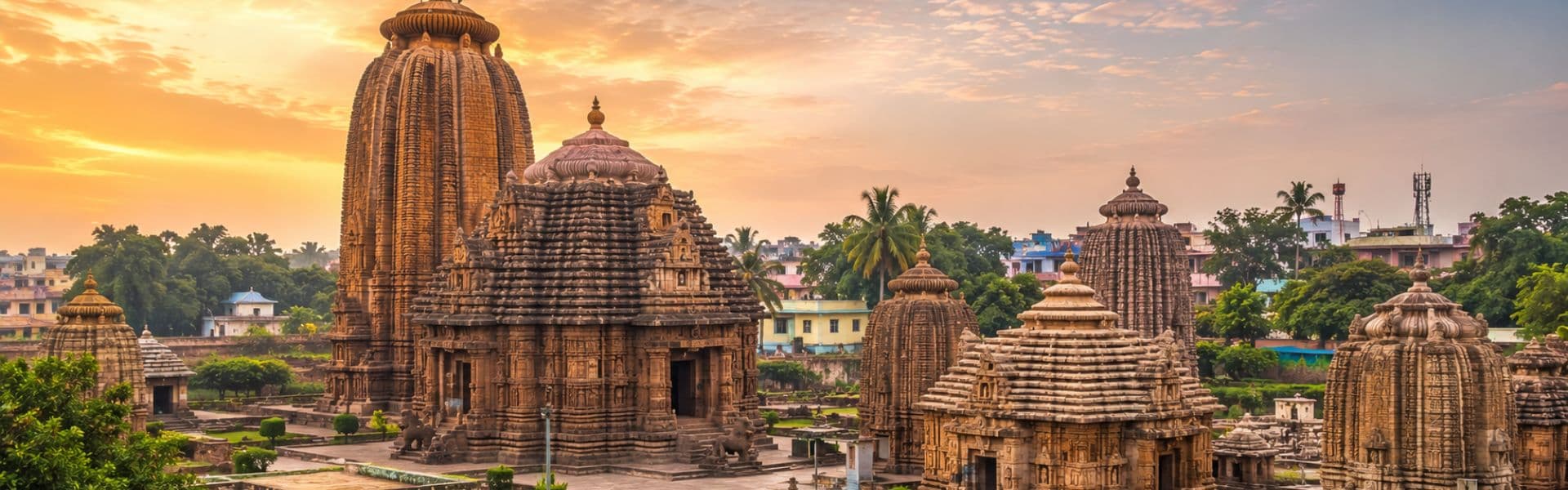
Bhubaneswar, the capital of Odisha, is a city where history doesn't just sit in a museum; it breathes through the sandstone walls of over 700 ancient temples. For the modern traveller, it offers a rare combination: the spiritual depth of a pilgrimage site and the infrastructure of one of India’s fastest-growing technology hubs. In 2026, Bhubaneswar stands as a beacon for those looking to escape the chaotic crowds of Delhi or Mumbai while still experiencing the profound soul of India.
Why Bhubaneswar (Odisha) Deserves Your Attention
The compelling reason to visit Bhubaneswar right now is its status as a 'Living Heritage' destination. Unlike many historical sites that have been cordoned off, the temples here—some dating back to the 7th century—remain active centres of daily life. You aren't just observing history; you are participating in it. It is also the gateway to the 'Golden Triangle' of Odisha, providing easy access to the world-renowned Sun Temple at Konark and the coastal spiritual hub of Puri.
Best Time to Visit
Bhubaneswar’s climate is tropical, meaning timing is everything to avoid the blistering heat or heavy monsoons. The 'sweet spot' for visiting is undoubtedly between November and February, when the air is crisp and the cultural festivals are in full swing.
- January: 15-28°C. Perfect weather, peak tourist season. Ideal for the Mukteswar Dance Festival.
- February: 18-32°C. Pleasant mornings. Great for exploring the Khandagiri caves.
- March: 22-38°C. Getting hot. Crowds begin to thin.
- April: 25-42°C. Very hot and humid. Not recommended for walking tours.
- May: 27-45°C. Peak summer. Stay hydrated and indoors during the day.
- June: 26-38°C. Onset of monsoon. Frequent thunderstorms provide relief from heat.
- July: 25-33°C. Heavy rainfall. Lush green landscapes, but high humidity.
- August: 25-32°C. Monsoon continues. Coastal winds are strong.
- September: 25-32°C. Rain tapers off. Occasional showers, very green surroundings.
- October: 22-31°C. Post-monsoon. The air clears, and the Durga Puja festivals bring the city to life.
- November: 18-29°C. The start of the best season. Mild and sunny.
- December: 15-27°C. Best month for sightseeing. Night temperatures are cool.
Travel Planning & Booking
For 2026, Bhubaneswar is more accessible than ever. Biju Patnaik International Airport (BBI) serves as the primary hub. Airlines: Air India, IndiGo, and Vistara offer multiple daily flights from Delhi, Mumbai, Bangalore, and Kolkata. International connections usually transit through Delhi or Kolkata, though direct flights from Dubai (Indigo) and Bangkok are increasingly common.
Booking Lead Times: For the best rates during the winter peak, book flights 3 months in advance. For accommodation, 2 months is sufficient. Top Platforms: Use Skyscanner for flights, Booking.com for hotels, and Agoda specifically for boutique guest houses in the Old Town area.
Visa Requirements (2026): Most travellers (UK, US, EU, UAE) can apply for the Indian e-Tourist Visa online. It is typically granted for 30 days, 1 year, or 5 years. Ensure your passport has 6 months' validity. Indian nationals require no permits for Odisha.
Travel Insurance
Bhubaneswar is generally safe, but travel insurance is non-negotiable for medical emergencies, especially related to heat exhaustion or gastrointestinal issues (the 'Delhi Belly' variant here is the 'Odisha Ouch'). Look for policies covering: medical evacuation, trip cancellation, and theft of electronics. Recommended Providers: World Nomads (best for backpackers), SafetyWing (for digital nomads), and Allianz (for comprehensive medical).
Packing Guide
Clothing: Lightweight cotton or linen is essential year-round. While Bhubaneswar is a 'Smart City,' it is culturally conservative. Pack clothing that covers shoulders and knees—this is mandatory for temple entry. A light jacket is needed for December/January nights.
Must-Brings: High-SPF sunscreen, a reusable filtered water bottle (to reduce plastic waste), and slip-on shoes for frequent temple visits where footwear must be removed. One thing tourists over-pack: Formal wear. Bhubaneswar is casual; even high-end restaurants accept 'smart-casual' attire.
Accommodation
Bhubaneswar is divided into the 'Old Town' (Heritage) and the 'New City' (Business/Shopping).
- Luxury: Trident Bhubaneswar. A sprawling property with Odishan architecture and beautiful gardens. (Approx £120/night).
- Mid-Range: Fortune Park Sishmo. Located in Gautam Nagar, it offers modern amenities and excellent service. (Approx £65/night).
- Budget/Backpacker: The Hosteller Bhubaneswar. Clean, vibrant, and perfect for meeting fellow travellers. Located near the railway station. (Approx £12/night for a dorm).
Getting Around Locally
The airport is just 4km from the city centre. A pre-paid taxi costs around ₹300 (£3), taking 15 minutes. Mo Bus: The city's award-winning bus service is the gold standard for public transport in India. Use the 'Mo Bus' app for real-time tracking. Rickshaws: Auto-rickshaws are everywhere; always use Ola or Uber to book them to ensure a fair, metered price. A common mistake is not confirming the total fare for 'all-day' rentals—always use the app instead.
Top Tourist Attractions
- Lingaraj Temple: The 11th-century masterpiece. Note: Non-Hindus cannot enter the inner sanctum but can view it from a dedicated platform. Hours: 6:00 AM - 9:00 PM. Cost: Free.
- Udayagiri and Khandagiri Caves: Partly natural and partly artificial caves with archaeological and religious importance. Hours: 9:00 AM - 6:00 PM. Cost: ₹300 (Foreigners). Tip: Visit at sunrise to avoid the heat and the monkeys.
- Dhauli Giri Shanti Stupa: A Buddhist peace pagoda marking the spot where Emperor Ashoka renounced war. Hours: 6:00 AM - 8:00 PM. Cost: Free. Tip: The light and sound show at 7:00 PM is spectacular.
- Mukteshvara Temple: Famous for its exquisite stone archway (Torana). Hours: 6:30 AM - 7:00 PM. Cost: Free.
- Nandankanan Zoological Park: Famous for white tigers and botanical gardens. Hours: 8:00 AM - 5:00 PM (Closed Mondays). Cost: ₹100 + Safari fees.
- Odisha State Museum: Houses a massive collection of palm-leaf manuscripts. Hours: 10:00 AM - 5:00 PM. Cost: ₹200.
Local Food & Dining
Odishan cuisine is subtle, using mustard oil and panch phoron (five spices). Must-try: Dalma (lentil and vegetable stew), Pakhala Bhata (fermented rice), and Chhena Poda (burnt cheese dessert). High-end: Dalma Restaurant (Madhusudan Nagar) for authentic thalis. Mid-range: Michael's Kitchen for a mix of local and continental. Street Food: Head to Market Building (Unit II) for Gupchup (Odishan Pani Puri) and Cuttack-style Dahibara Aloodum.
Safety & Emergency Contacts
Bhubaneswar is one of India's safest cities for solo travellers. However, avoid poorly lit areas in the Old Town after 10 PM. Local Emergency Numbers:
- National Emergency: 112
- Police: 100
- Ambulance: 108
- Fire: 101
Useful Apps & Resources
- Mo Bus: For city transit.
- Uber / Ola: For reliable rides.
- Zomato / Swiggy: For food delivery.
- Google Maps: Highly accurate in the city centre.
- Odisha Tourism (dot.odishatourism.gov.in): The official government portal.
Bhubaneswar is a city that rewards the patient traveller. Whether you are mesmerised by the chanting at Lingaraj or the tech-savviness of its streets, this city offers a window into the future of India while keeping its past firmly in sight. Start planning your journey at ainexusworld.com today.