
Introduction
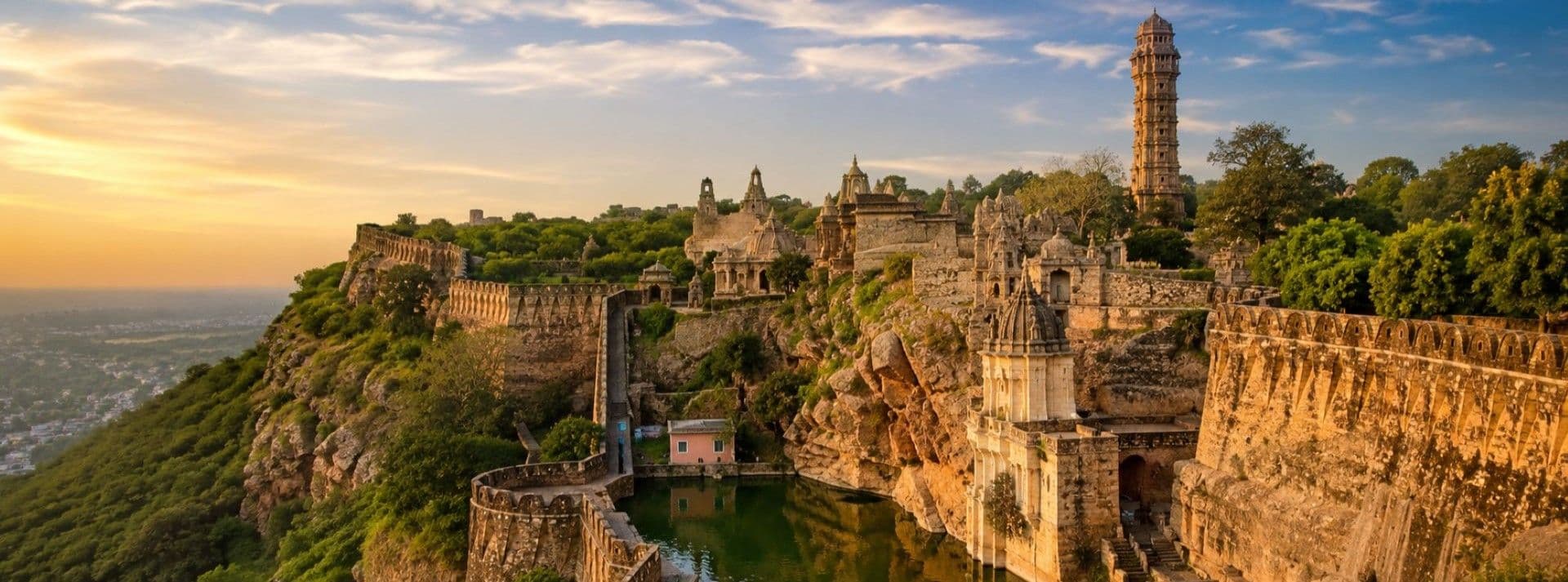
There is a profound sense of awe that washes over you when you first lay eyes on Chittorgarh Fort. Rising abruptly from the plains of Rajasthan, this UNESCO World Heritage site spans a staggering 700 acres atop a 180-metre high hill. While many travellers treat Chittaurgarh as a mere pitstop between Udaipur and Jaipur, establishing it as your primary base offers a far more rewarding experience. For internationally minded, digitally savvy families, Chittaurgarh in 2026 presents an unmissable opportunity: the chance to explore one of India's most dramatic historical landscapes before the heavy commercialisation seen in neighbouring cities takes full root. The compelling reason to visit right now? The newly revamped evening Sound and Light Show at the fort has transformed from a dated spectacle into a world-class immersive storytelling experience, brilliantly bringing the tales of Rajput bravery to life beneath the stars.
Best Time to Visit
Rajasthan's desert climate dictates that the timing of your visit is paramount. The undeniable 'sweet spot' for family travellers is between November and February. During these winter months, the daytime temperatures hover around a very pleasant 20-25°C (68-77°F), making the arduous physical exploration of the massive fort complex comfortable for both young children and older adults. The skies are generally crystal clear, offering perfect lighting for photography. If you can, align your visit with the Meera Mahotsav (usually held in October/November), a spectacular local festival celebrating the poet-saint Meera Bai with traditional music, dance, and vibrant processions. Visiting during the peak summer (April to June) is strongly discouraged, as the stone pathways of the fort radiate intense heat, pushing temperatures well above 40°C (104°F).
Travel Planning & Booking
Reaching Chittaurgarh requires a multi-leg journey, but the logistics are highly manageable. The nearest major airport is Maharana Pratap Airport (UDR) in Udaipur, located approximately 90 kilometres away. In 2026, domestic carriers like Air India and IndiGo operate multiple daily flights from major international hubs like New Delhi (DEL) and Mumbai (BOM). For booking flights, use Skyscanner to track the best connections into Udaipur. When arranging accommodation, leverage Booking.com for heritage hotels or MakeMyTrip (India's premier domestic travel platform) which often secures better local rates and exclusive family package deals for Rajasthan. For international visitors, securing an India eVisa is mandatory and straightforward. UK, US, EU, and UAE nationals can easily apply via the official Indian Government portal online; it is advisable to process this at least three weeks prior to departure. Ensure your passport has a minimum of six months validity and two blank pages.
Travel Insurance
Comprehensive travel insurance is non-negotiable for a trip to Rajasthan. While Chittaurgarh is generally safe, the terrain involves steep, uneven steps, high battlements, and significant walking under the Indian sun. You must ensure your policy covers medical emergencies, particularly for heat-related illnesses and minor accidents that can occur while clambering around medieval ruins. Furthermore, if you plan to hire a local scooter or take an auto-rickshaw (tuk-tuk), ensure your policy covers motor-related medical claims. World Nomads is excellent for adventurous families, while Allianz Travel Insurance provides robust medical evacuation cover. One practical tip: Always carry a printed copy of your insurance certificate; Indian hospitals often require physical documentation alongside digital proofs before processing international claims.
Packing Guide
Packing for Chittaurgarh requires a balance of climate readiness and cultural sensitivity. Cottons and breathable linens are your best friends. For women, maxi skirts, wide-leg trousers, and loose cotton tops are ideal; Rajasthan is conservative, and keeping shoulders and knees covered is expected, especially when entering the myriad of active temples within the fort. You must bring a wide-brimmed hat, high SPF sunscreen, and a robust pair of slip-on walking shoes (you will be removing your shoes frequently at temple entrances). A high-quality insulated water bottle is essential to keep water cool during fort explorations. One item tourists consistently over-pack is heavy formal wear; dining in Chittaurgarh, even at heritage properties, leans towards smart-casual resort wear rather than formal attire.
Accommodation
Chittaurgarh's accommodation scene offers a blend of modern convenience and Rajput heritage. For those seeking absolute luxury, Castle Bijaipur (located a short drive from the city centre) provides an extraordinary boutique heritage experience in a 16th-century fortress. For a dependable, highly-rated mid-range option, Hotel Padmini offers clean, spacious family rooms and excellent proximity to the fort entrance. If you are looking for a unique, budget-friendly stay, Padmavati Lake Resort provides serene views over the water with basic but comfortable amenities. Booking tip: Always request a room with a 'Fort View' when staying in the city centre; watching the fort illuminate at night from your balcony is magical.
Getting Around Locally
From Udaipur Airport, the most efficient transfer is a pre-paid private taxi, which takes around 1.5 to 2 hours and costs approximately 2,500 INR (£25/$30). Once in Chittaurgarh, the best way to get around is by hiring a local auto-rickshaw for the day. Negotiate a daily rate (usually around 800-1000 INR) to have the driver take you between the scattered monuments on the fort plateau. While global ride-hailing apps are less prevalent here, the Ola app is functional for basic city transfers. One common tourist mistake is attempting to walk from the lower city to the fort; the incline is steep, winding, and heavily trafficked. Hire transport to the top, and save your walking for the plateau.
Top Tourist Attractions (Must-See)
The Vijay Stambha (Tower of Victory) is an architectural marvel. Built in 1448 to commemorate Rana Kumbha's victory, this nine-storey tower is covered in intricate carvings of Hindu deities. Insider tip: Visit just before sunset; the golden hour light hitting the sandstone is breathtaking. The Kirti Stambha (Tower of Fame) is a smaller, older 12th-century Jain monument dedicated to Adinath, notable for its stark, spiritual beauty. Rana Kumbha Palace is the oldest structure within the fort; wandering its ruined, labyrinthine corridors feels like stepping into an Indiana Jones film. Padmini Palace, overlooking a lotus pool, is where legendary Queen Padmini purportedly caught the eye of Alauddin Khalji, sparking a devastating siege. Meera Temple is a vibrant, active place of worship dedicated to the mystic poetess Meera Bai, offering a fantastic cultural immersion. Finally, the Gaumukh Reservoir is a sacred water tank fed by a spring shaped like a cow's mouth; it is beautifully serene, though visitors must be wary of the aggressive local macaques.
Local Food & Dining
Rajasthani cuisine is a masterclass in adapting to arid environments, resulting in robust, deeply flavourful dishes. You must try Dal Baati Churma (hard wheat rolls served with spicy lentils and sweet crushed wheat), the famously fiery Laal Maas (a rich mutton curry cooked with Mathania chillies), and Pyaaz Kachori (deep-fried pastry filled with spicy onions). For a high-end dining experience, the dining hall at Castle Bijaipur offers refined royal recipes in a regal setting. For mid-range, family-friendly dining, Manuhar Dining Hall serves arguably the best vegetarian Rajasthani thali in the city. For street food, head to the stalls near the Chittaurgarh Railway Station for fresh jalebis and mirchi vadas. Dietary note: Rajasthan is highly accommodating to vegetarians, but vegans should explicitly request meals cooked in oil rather than ghee (clarified butter), which is ubiquitous.
Safety & Emergency Contacts
Chittaurgarh is generally a very safe destination for family travellers. The primary risks are environmental: dehydration and heat exhaustion are common among tourists who underestimate the midday sun. Additionally, the monkeys around Gaumukh Reservoir and Padmini Palace can be aggressive; do not carry food in open bags or plastic carriers, and secure your sunglasses. If you require medical attention, the Sanwaliya Ji Government Hospital is available locally, though for serious international-standard care, you should transfer to Geetanjali Medical College & Hospital in Udaipur. Familiarise yourself with the national emergency number (112), and keep a copy of your passport handy.
Useful Apps & Resources
To navigate India smoothly in 2026, ensure your smartphone is loaded with MakeMyTrip for regional flight and hotel bookings, Ola for local cab and auto-rickshaw hailing, Zomato for restaurant reviews and food delivery, and Google Maps (download the offline map for Chittaurgarh as data reception drops within the fort's thick walls). The official Incredible India app by the Ministry of Tourism provides excellent, verified audio guides for major monuments.
Closing
Chittaurgarh is not just a collection of ruins; it is a monument to resilience, honour, and architectural genius. By dedicating a few days to this historic city, you and your family will forge memories that transcend the typical tourist experience, connecting with the very soul of Rajputana history. Equip yourself with this guide, pack your walking shoes, and prepare for an unforgettable Indian adventure. For more expert travel itineraries, insider tips, and destination guides across Asia, continue exploring www.ainexusworld.com.
FAQ
Is Chittaurgarh safe for tourists? Yes, Chittaurgarh is highly safe. The main concerns are heatstroke and aggressive monkeys at the fort. Violent crime against tourists is exceedingly rare.
What is the best time to visit Chittaurgarh? The optimal window is October to March, offering cool, pleasant weather ideal for exploring the vast outdoor fort complex.
How many days do I need in Chittaurgarh? Two full days is ideal. This allows one day to explore the massive fort complex and another to visit surrounding heritage villages like Bijaipur.
Do I need a visa to visit Chittaurgarh? International visitors (UK, US, EU, UAE) require an India eVisa, which must be applied for online before arrival. Indian citizens do not require a visa.
What is the local currency and can I use credit cards? The currency is the Indian Rupee (INR). While large hotels accept cards, you must carry cash for fort entry fees, auto-rickshaws, and small local eateries.