
Introduction: Why Coorg (Karnataka) Deserves a Place on Your List
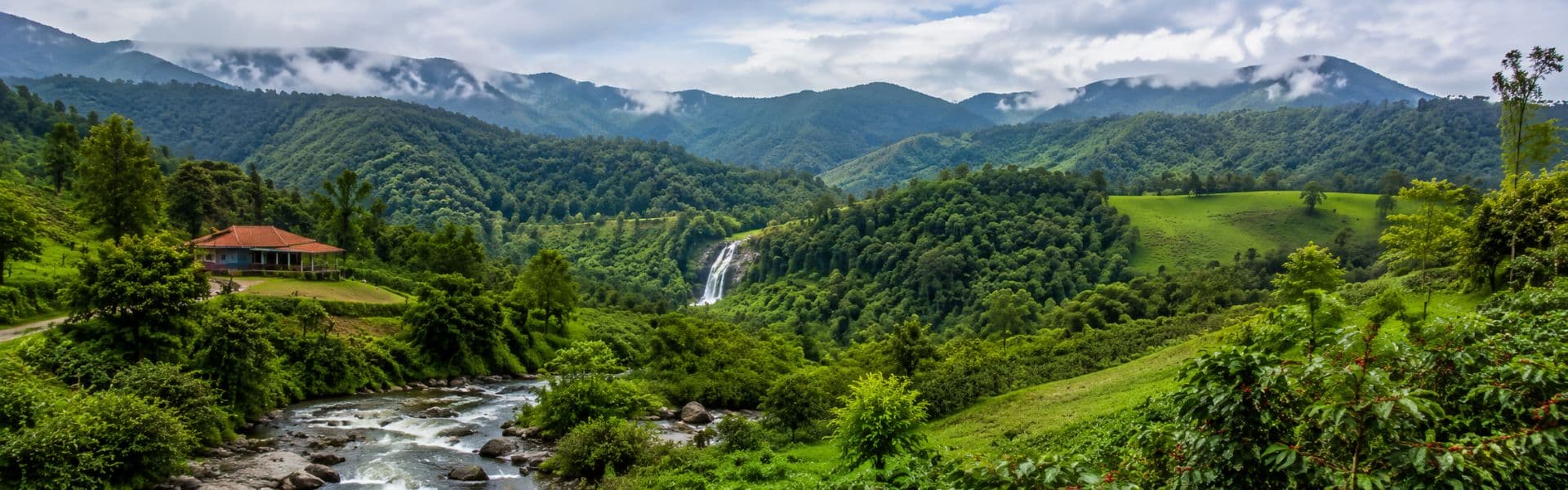
Often referred to as the 'Scotland of India', Coorg (formally Kodagu) is a lush, emerald-green highland district in Karnataka that has evolved far beyond its colonial-era comparisons. In 2026, Coorg is leading the charge in India’s sustainable tourism movement, offering travellers a chance to engage with an ancient warrior culture—the Kodavas—while exploring some of the most biodiverse rainforests in the Western Ghats.
The specific reason Coorg is a non-negotiable for 2026 is the 'Farm-to-Cup' revolution. Unlike other coffee regions, Coorg has decentralised its plantation tours, allowing backpackers to stay in functional organic estates where they can participate in the harvest and processing of Arabica and Robusta beans. It is a sensory immersion that combines misty mornings, spicy local cuisine, and world-class trekking.
Best Time to Visit: A 12-Month Breakdown
Choosing when to visit Coorg depends entirely on your tolerance for rain and your desire for verdant landscapes.
- January: Cool and dry (11°C - 24°C). Ideal for trekking. Crowds are moderate; prices are standard.
- February: Perfect weather (13°C - 26°C). The coffee blossom season begins towards the end of the month, turning estates white with jasmine-scented flowers.
- March: Warming up (15°C - 28°C). Still great for sightseeing. Budget-friendly as the peak winter season ends.
- April: Pleasant (18°C - 30°C). Good for those avoiding the coastal heat. Many local temple festivals (Theru) occur now.
- May: Warm (20°C - 32°C). High crowds as Indian schools have summer holidays. Booking in advance is essential.
- June: The Monsoon arrives. Heavy downpours. Beautifully lush but trekking is difficult. Prices drop significantly.
- July: Peak Monsoon. Waterfalls are at their most thunderous. Ideal for 'storm watchers' but expect transport delays.
- August: Rain continues. Very wet, very green. Great for budget travellers who don't mind getting damp.
- September: Rain eases. Everything is vibrant. The Kaveri Sankramana festival preparations begin.
- October: Post-monsoon brilliance. Clear skies return. Peak season starts. High demand for homestays.
- November: Crisp air (14°C - 25°C). Ideal for birdwatching and photography. Prices are at their highest.
- December: Cold nights (10°C). Festive atmosphere. Expect crowded tourist spots like Raja’s Seat.
The Sweet Spot: Late September to early November offers the perfect balance of lush greenery, manageable crowds, and accessible trekking trails.
Travel Planning & Booking
Coorg does not have its own airport. The best routes involve flying into Kannur International Airport (CNN), which is only 90km away, or Bengaluru (BLR), located 280km away. For international travellers, Bengaluru offers more frequent connections, but Kannur is significantly closer for a direct taxi or bus transfer.
Booking Lead Times: For the October-January peak, book accommodation at least 3 months in advance. For the monsoon season, 2 weeks is sufficient. Top booking platforms include Booking.com for hotels, Hostelworld for Zostel bookings, and MakeMyTrip for local luxury resorts.
Visa Requirements 2026
- UK, US, EU, and UAE Nationals: Most are eligible for the Indian e-Tourist Visa (30-day, 1-year, or 5-year options). Apply at least 4 days before travel via the official government portal.
- Indian Nationals: No permit required, though some forest areas near the Kerala border may require local forest department permissions for trekking.
Travel Insurance for the Western Ghats
In Coorg, your primary risks are road accidents on winding mountain passes and minor injuries during treks (leeches are a nuisance, not a medical emergency, but slips happen). Ensure your policy covers 'Adventure Activities' if you plan on white-water rafting in the Barapole River or trekking the Brahmagiri peak.
Recommended providers: World Nomads (excellent for trekking coverage), SafetyWing (best value for digital nomads), and Allianz (best for comprehensive medical evacuation).
Packing Guide: Specifics for the Hills
- Clothing: Layers are key. Lightweight cotton for the day; a fleece or light down jacket for evenings (even in summer).
- Footwear: Waterproof hiking boots with good grip. If visiting in monsoon, bring 'leech socks' or high-top rubber boots.
- Cultural Note: While Coorg is progressive, dress modestly when visiting the Namdroling Monastery or local temples (shoulders and knees covered).
- Don't Forget: A high-quality power bank. Frequent power cuts occur during the monsoon and in remote estate stays.
- Over-packed Item: Formal wear. Coorg is strictly 'mountain casual'.
Accommodation: Where to Lay Your Head
Coorg is the 'Homestay Capital of India'. To truly experience the region, skip the generic hotels.
- Luxury Pick: The Taj Madikeri Resort & Spa. Set within an 180-acre rainforest, this property features an infinity pool overlooking the valley and eco-sensitive architecture.
- Mid-Range Pick: Club Mahindra Madikeri. Excellent for families and those wanting structured activities like plantation tours and local dance performances.
- Unique/Backpacker Pick: Zostel Coorg (Madikeri or Kushalnagar). The gold standard for social travel in India, offering dorms and private cottages with incredible community vibes.
Getting Around Locally
The transition from the airport is usually via private taxi (approx. ₹3,500 from Kannur) or KSRTC 'Flybus' from Bengaluru. Locally, public buses connect Madikeri to Virajpet and Kushalnagar, but they are infrequent. Most travellers hire a scooter (₹500/day) or a private car for the duration of their stay. Tourist Mistake: Relying on Uber. It barely exists here; stick to local taxi stands or pre-booked rentals.
Top Tourist Attractions
- Abbey Falls: A stunning waterfall nestled within coffee and spice estates. Hours: 9 AM - 5 PM. Cost: ₹15. Tip: Arrive at 9 AM sharp to beat the tour buses.
- Namdroling Monastery (Golden Temple): Located in Bylakuppe, this is one of the largest Tibetan settlements in India. Hours: 9 AM - 6 PM. Cost: Free. Tip: Respect the silence in the prayer hall; the 60ft gold statues are breathtaking.
- Dubare Elephant Camp: A chance to learn about elephant conservation. Hours: 9 AM - 11 AM & 4 PM - 5 PM. Cost: ₹100 + boat fee. Tip: Go for the morning session to watch them being bathed in the river.
- Raja’s Seat: A seasonal garden with a spectacular sunset view. Hours: 5:30 AM - 8 PM. Cost: ₹5. Tip: Visit for the early morning mist rather than the crowded sunset.
- Talakaveri: The source of the River Kaveri on the Brahmagiri hills. Hours: 6 AM - 6 PM. Cost: Free. Tip: Climb the 407 steps to the peak for a 360-degree view of the Ghats.
- Madikeri Fort: A 17th-century fort housing a temple, chapel, and museum. Hours: 10 AM - 5:30 PM (Closed Mondays). Cost: Free.
Local Food & Dining
Kodava cuisine is distinct, defined by the use of Kachampuli (a dark, potent vinegar made from Garcinia gummi-gutta).
- Must-Try: Pandi Curry (Spicy pork curry), Kadumbuttu (Steamed rice balls), and Akki Oti (Rice flatbread).
- High-End: Raintree, Madikeri. Set in a colonial bungalow, offering the best gourmet Pandi Curry in town.
- Mid-Range: Coorg Cuisine, Madikeri. Authentic, no-frills, and highly recommended by locals.
- Street Food: Kushalnagar Market for Thukpa and Momos, reflecting the Tibetan influence.
Safety & Emergency Contacts
Coorg is exceptionally safe for solo and female travellers. The biggest risks are wildlife encounters (elephants) on forest roads at night and monsoon-related landslides. Avoid driving after 7 PM on forest highways.
Local Numbers:
Police: 100
Ambulance: 108
Fire: 101
District Hospital Madikeri: +91 8272 225383
Closing
Coorg is a place where the clock slows down. Whether you are sipping home-grown coffee on a veranda or trekking through the clouds on the Mandalpatti peak, the 'Scotland of India' promises an authentic, soul-stirring escape. Plan your 2026 adventure now at ainexusworld.com.