
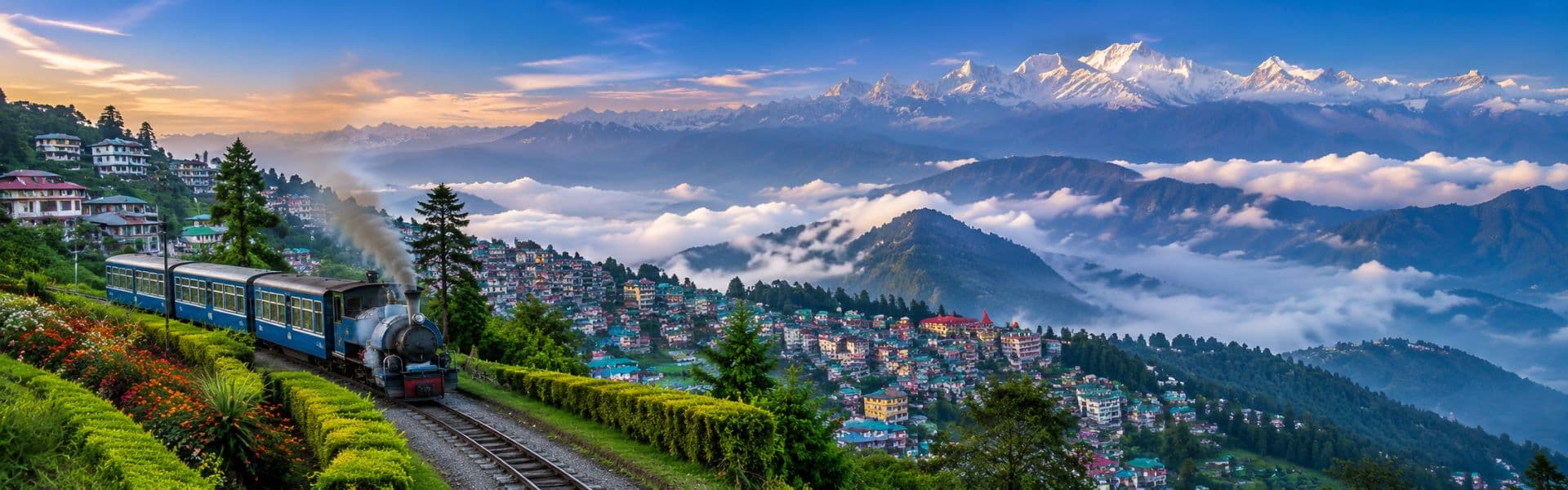
The Ultimate Darjeeling Travel Guide 2026: Everything You Need to Know
Darjeeling, often referred to as the 'Queen of the Hills', is more than just a destination; it is a sensory experience that has captivated travellers since the British Raj. For the 2026 traveller, Darjeeling offers a unique proposition: a chance to disconnect from the digital noise and reconnect with nature through slow travel. Whether you are watching the first light of dawn hit the Kanchenjunga massif or sipping a Muscatel-flavoured tea in a colonial-era lounge, Darjeeling provides a depth of character rarely found in modern tourism hubs.
The compelling reason to visit Darjeeling right now is its commitment to 'Sustainable Mountain Tourism'. As of 2026, the region has implemented stricter plastic-free zones and promoted 'Homestay Hubs' in the surrounding villages, allowing travellers to experience authentic Gorkha hospitality while ensuring their tourist pounds directly support local mountain communities.
Best Time to Visit
Darjeeling’s weather is the primary architect of your experience. Understanding the seasonal shifts is crucial for planning.
- January: Cold (5-10°C). Clear skies offer the best mountain views, but you'll need heavy woollens. Low crowds, budget prices.
- February: Chilly but manageable. Tibetan New Year (Losar) often falls here, bringing vibrant dances to the monasteries.
- March: Spring begins. Rhododendrons and magnolias bloom. Temperatures rise to 15°C.
- April: Peak season. Perfect weather for trekking and sightseeing. Book accommodation months in advance.
- May: Warm and pleasant. Last of the clear views before the clouds roll in. High pricing.
- June: The monsoon begins. Expect heavy rainfall and occasional landslides. Pricing drops significantly.
- July: Peak monsoon. Only for those who love the 'misty' atmosphere. Treks are generally closed.
- August: Lush green landscapes, but persistent rain. Great for a quiet, indoor-focused retreat.
- September: Rain begins to recede. The air is incredibly fresh, and waterfalls are at their peak.
- October: The second peak season. Post-monsoon clarity offers stunning views of Kanchenjunga. Festivals like Dashain create a lively buzz.
- November: Crisp air and golden light. Excellent for photography and the famous Darjeeling Orange Festival.
- December: Winter sets in. Chilly but festive. The Toy Train rides are magical in the winter sun.
The Sweet Spot: Late October to mid-November offers the perfect balance of crystal-clear Himalayan views, manageable temperatures, and the tail-end of the autumn tea harvest.
Travel Planning & Booking
The nearest airport is Bagdogra (IXB), located about 70km from Darjeeling. Major carriers like IndiGo, Air India, and SpiceJet operate daily flights from Delhi, Kolkata, and Bangalore. For 2026 travel, we recommend booking flights at least 3-4 months in advance, especially for the April and October windows.
Top 3 Booking Platforms:
- Skyscanner: Best for comparing flight routes into Bagdogra.
- Agoda: Often has the best inventory for boutique Himalayan hotels and guesthouses.
- MakeMyTrip: The leading Indian OTA, essential for booking local trains and inter-city private cabs.
Visa Requirements (2025/2026):
Most international travellers require an e-Tourist Visa for India. UK, US, EU, and UAE nationals can apply online. The process usually takes 72 hours, but apply at least 2 weeks before departure. Ensure your passport has 6 months validity and two blank pages. Indian nationals do not require a permit for Darjeeling, though certain border areas in North Sikkim (if you extend your trip) require Inner Line Permits.
Travel Insurance
Standard travel insurance is mandatory, but for Darjeeling, you must ensure your policy covers 'Altitude and Adventure Activities' if you plan on trekking to Sandakphu (3,636m). Many standard policies stop at 2,000m. Recommended providers include World Nomads (excellent for backpackers), SafetyWing (best for long-term nomads), and Allianz (best for comprehensive medical cover). Always check for 'Emergency Evacuation' clauses, as the nearest advanced medical facilities are in Siliguri, requiring a 3-hour mountain drive.
Packing Guide
Darjeeling is all about layers. Even in summer, the evenings are cool.
- Essentials: A sturdy pair of walking shoes (the hills are steep!), a lightweight down jacket, and a high-SPF sunscreen (the mountain sun is deceptive).
- Cultural Note: Modest dress is expected at monasteries. Bring a shawl or scarf to cover shoulders.
- One item tourists over-pack: Heavy books. Darjeeling has world-class bookstores like Oxford Book & Stationery; buy your mountain reads locally.
Accommodation
Choose your base according to your vibe:
- Chowrasta (The Mall): Central, pedestrianised, and bustling. Best for first-timers.
- Jalapahar Road: Quieter, higher elevation, and incredible views of the range.
- Lebong: Lower altitude, surrounded by tea gardens, perfect for a peaceful retreat.
Luxury: The Elgin, Darjeeling – A restored royal manor with roaring fireplaces and afternoon tea. (~$250/night)
Mid-Range: Dekeling Hotel – Located right on AJC Bose Road, offering incredible views and authentic Tibetan hospitality. (~$90/night)
Boutique/Budget: Revolver – A Beatles-themed guesthouse with a famous restaurant and a quirky, backpacker-friendly vibe. (~$35/night)
Getting Around Locally
From Bagdogra Airport, you have three options: a private taxi (₹3,000 - ₹4,000), a pre-paid taxi from the counter, or a shared jeep from Siliguri junction (₹400-500). Within Darjeeling, the primary mode of transport is walking or hiring local taxis for specific sightseeing points. Common Mistake: Relying on Uber/Ola—these services are non-existent in the hill station. Use the WBTDC approved taxi stands.
Top Tourist Attractions
- Tiger Hill: Famous for sunrise over Kanchenjunga and Everest. 4:00 AM start required. Cost: ₹100 entry.
- Padmaja Naidu Himalayan Zoological Park: See Red Pandas and Snow Leopards. Hours: 8:30 AM - 4:00 PM. Cost: ₹100. Tip: Go early before the crowds.
- Darjeeling Himalayan Railway (Toy Train): A UNESCO World Heritage site. The 'Joy Ride' from Darjeeling to Ghum is iconic. Cost: ₹1,500 (Steam).
- Peace Pagoda: A stunning Buddhist stupa offering panoramic views. Entry: Free. Best at sunset.
- Happy Valley Tea Estate: Walk through the tea bushes and see the processing plant. Cost: ₹100 for a guided tour.
- Himalayan Mountaineering Institute (HMI): Explore the history of Everest expeditions. Entry: Combined with the Zoo ticket.
Local Food & Dining
Darjeeling's culinary scene is a mix of Gorkha, Tibetan, and Bengali influences. Must-try dishes include Momos (steamed dumplings), Thukpa (noodle soup), and Aloo Dum (spicy potatoes). For a high-end experience, visit Glenary's Bakery & Pub for their roast chicken and colonial charm. For mid-range, Keventers is legendary for its milkshakes and breakfast platters. For the best street food, head to the Mahakal Market for fresh churpee (hard yak cheese).
Safety & Emergency Contacts
Darjeeling is exceptionally safe for solo travellers. However, avoid walking alone on isolated forest trails after dark. Emergency Numbers: Police (100), Ambulance (102), Fire (101). The District Hospital Darjeeling (+91-354-2254218) is the primary medical facility. For consular services, the nearest major missions are in Kolkata.
Useful Apps & Resources
- Google Maps: Reliable for walking routes.
- MakeMyTrip: For booking train tickets (NJP station).
- AccuWeather: Essential for checking mountain visibility.
- Instagram: Check 'Darjeeling' tags for real-time weather and cloud cover updates.
- WhatsApp: Primary way to communicate with local taxi drivers and hotels.
Closing
Darjeeling in 2026 remains a beacon for those seeking the sublime. It is a place where time slows down to the pace of a steam engine and the steam from a cup of tea. Ready to see the sunrise over the third highest mountain in the world? Start your journey at ainexusworld.com for more curated Himalayan guides.