
Introduction
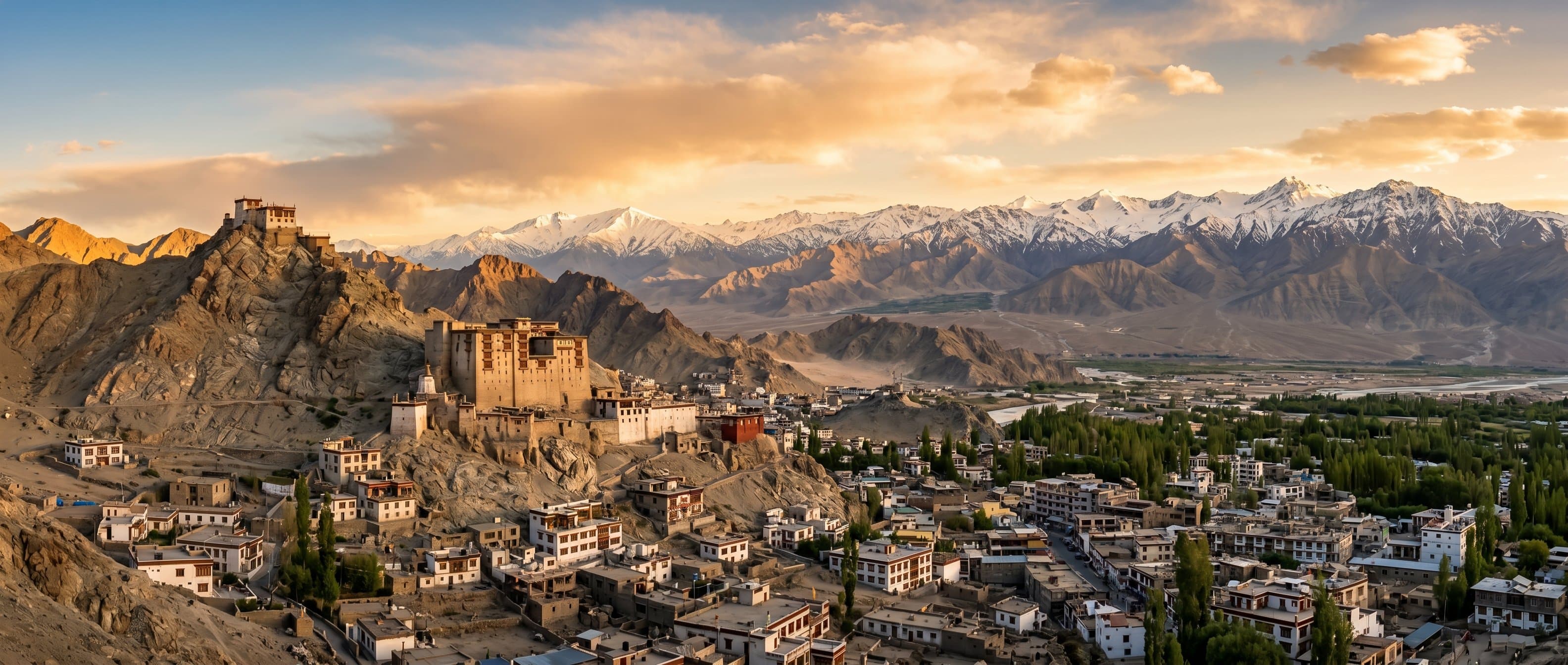
Ladakh, translating to the 'Land of High Passes', is a starkly beautiful high-altitude desert nestled in the northernmost reaches of the Indian Himalayas. For decades, it has captivated budget backpackers, motorcyclists, and spiritual seekers. But why does Ladakh deserve a prime spot on your 2026 travel itinerary? Beyond its traditional appeal of sapphire lakes and whitewashed stupas, Ladakh is rapidly emerging as a premier destination for astrotourism. The newly established Hanle Dark Sky Reserve—India's first—offers unparalleled stargazing in one of the world's least light-polluted environments. Whether you are navigating the hair-pin bends of Khardung La on a Royal Enfield, meditating in a centuries-old gompa, or sharing butter tea with nomads in the Changthang plateau, Ladakh is a masterclass in raw, unfiltered adventure. However, travelling here requires preparation, respect for the fragile high-altitude ecosystem, and a willingness to surrender to the mountain's pace.
Best Time to Visit
Ladakh's extreme geography means its tourist window is distinctly brief. The unquestionable 'sweet spot' is between June and September, when the snow on the high passes (Rohtang and Baralacha La) has melted, rendering the spectacular overland routes from Manali and Srinagar accessible. During these months, the daytime temperature in Leh is a comfortable 20°C to 25°C, making it perfect for monastery hopping and trekking. This is also festival season; timing your visit to coincide with the Hemis Festival (usually late June or early July) provides a mesmerising glimpse into traditional Cham mask dances. From October to May, Ladakh enters a deep freeze. Temperatures plummet to -20°C, most hotels and guest houses close, and overland roads are buried under snow. The only way in is via flight. While winter is intensely harsh, it draws a niche crowd of hardcore wildlife enthusiasts hoping to spot the elusive Snow Leopard in Hemis National Park.
Travel Planning & Booking
Planning a trip to Ladakh in 2026 requires precision. Most travellers arrive by air into Kushok Bakula Rimpochee Airport (IXL) in Leh, one of the highest commercial airports in the world. Direct flights operate daily from New Delhi (Air India, IndiGo, SpiceJet) and occasionally from Mumbai. Because of the limited summer window, you should book flights at least three to four months in advance. Securing a window seat on the right side of the plane when flying from Delhi guarantees jaw-dropping views of the Himalayan range. In terms of booking platforms, MakeMyTrip is exceptional for domestic Indian flights and hotels, Booking.com is reliable for securing guesthouses in Leh without upfront payment, and 12Go is useful for booking connecting transport from major Indian hubs. Crucially, entry into Ladakh requires permits. Foreign nationals (UK, US, EU, UAE) must apply for a Protected Area Permit (PAP) to visit areas like Pangong Tso, Nubra Valley, and Tso Moriri. Indian nationals require an Inner Line Permit (ILP) or must pay a green/environmental fee. These can be processed online via the LAHDC portal, but it is often easier to have your Leh accommodation or a local travel agent finalise them upon arrival.
Travel Insurance
Nowhere in India is travel insurance more critical than in Ladakh. Because Leh sits at 3,500 metres (11,480 feet) above sea level, and passes routinely exceed 5,000 metres, Acute Mountain Sickness (AMS) is a very real threat. Standard travel insurance often voids claims for activities undertaken above 2,500 metres. You must explicitly purchase a policy that covers high-altitude trekking (up to 6,000 metres) and, crucially, emergency helicopter evacuation. Medical facilities outside of Leh are practically non-existent, and an airlift to New Delhi or Chandigarh could cost upwards of £5,000. Look for comprehensive medical cover, trip cancellation (flights to Leh are notoriously cancelled due to high winds), and adventure sports cover if you plan to raft the Zanskar River or ride a motorcycle. A practical tip: always carry printed copies of your insurance certificate; digital copies are useless in areas like Pangong Tso where there is zero cellular connectivity.
Packing Guide
Packing for Ladakh is an exercise in the art of layering. The diurnal temperature variation is extreme; you can be sweating under a fierce UV-intense sun at noon and shivering in near-freezing winds by nightfall. Your checklist must include a high-quality windproof jacket, thermal base layers, a fleece, and sturdy, broken-in trekking boots. Sun protection is non-negotiable—bring SPF 50+ sunscreen, UV-protection sunglasses, and a wide-brimmed hat, as the thin atmosphere provides little protection from solar radiation. Culturally, Ladakh is deeply conservative. Despite the heat, short shorts and tank tops are highly inappropriate, especially when visiting monasteries. Pack loose, breathable long trousers and long-sleeved shirts. Specific to Ladakh, bring a portable pulse oximeter to monitor your blood oxygen levels, water purification tablets (to avoid single-use plastics), and a robust power bank, as electricity in remote valleys is erratic. One item tourists consistently over-pack is heavy denim jeans; they are bulky, take forever to dry, and are incredibly uncomfortable on long, bumpy car journeys.
Accommodation
Leh serves as the basecamp for all Ladakh adventures. The city is broadly divided into three main areas for travellers. Changspa is the undisputed backpacker hub, brimming with budget hostels, bakeries, and bohemian cafes. Leh City Centre (Main Market) is ideal if you want proximity to tour operators, taxi stands, and ATMs. Choglamsar, slightly further out, offers a quieter, more local experience near the Dalai Lama's summer residence. For a luxury stay, The Grand Dragon Ladakh is the premier choice, offering central heating, oxygen-equipped rooms, and lavish Ladakhi architecture. For a mid-range boutique experience, Gomang Boutique Hotel provides excellent eco-friendly amenities and stunning views of the Stok Kangri range. Budget backpackers should look no further than Zostel Leh in Karzoo, which offers a brilliant social atmosphere, clean dorms, and invaluable advice on finding ride-shares. Booking tip: Ensure your first two nights' accommodation is pre-booked. The last thing you want while battling high-altitude fatigue is to be walking the streets with a heavy rucksack searching for a bed.
Getting Around Locally
Transport in Ladakh operates entirely differently to the rest of India. There is no Uber, Ola, or typical ride-sharing app. The local transport network is fiercely protected by the Ladakh Taxi Union. Upon arriving at Leh Airport, you must use the pre-paid taxi booth to reach the city centre (approx. ₹600-800, taking 15 minutes). For exploring the region, hiring a taxi through the union at fixed, non-negotiable rates is the standard. Solo backpackers often mitigate this high cost by finding travel partners on hostel noticeboards to split a 6-seater Innova or Xylo. Alternatively, renting a Royal Enfield motorcycle (₹1,500-2,000 per day) is a rite of passage, though it should only be attempted by experienced riders due to treacherous road conditions, black ice, and water crossings. The local bus network run by JKSRTC is dirt cheap but highly infrequent and uncomfortable. A common tourist mistake is underestimating travel times; in the Himalayas, a 150-kilometre journey to Pangong Tso will take six to seven exhausting hours, not two.
Top Tourist Attractions (Must-See)
Ladakh's attractions are spread across vast distances. Pangong Tso, the breathtaking high-altitude lake that changes colours from emerald to deep sapphire, sits at 4,350m. It requires a 6-hour drive from Leh. Best visited in the early morning for mirror-like reflections. Entry requires a permit. Nubra Valley is famous for its silver sand dunes and double-humped Bactrian camels. The entry point is Diskit Monastery, featuring a towering 32-metre Maitreya Buddha statue (Entry ₹30, open 7 AM - 6 PM). Khardung La Pass, historically touted as the world's highest motorable road (5,359m), is an essential, albeit breathless, photo stop. Keep your visit here under 20 minutes to prevent AMS. Within Leh, the 17th-century Leh Palace (Entry ₹300 for foreigners, ₹25 Indians) offers panoramic city views; visit at golden hour. Shanti Stupa, perched on a hilltop, is perfect for sunset viewing (Free entry). Finally, Thiksey Monastery (Entry ₹50, open 6 AM - 6 PM), resembling the Potala Palace in Lhasa, is an architectural marvel. Insider tip: Arrive at Thiksey by 6:30 AM to witness the morning prayer ceremony.
Local Food & Dining
Ladakhi cuisine is a comforting adaptation to high-altitude living, relying heavily on barley, root vegetables, and yak meat/dairy. You must try Skyu, a hearty traditional stew made with thumb-sized wheat dough and vegetables. Momos (steamed dumplings filled with meat or cabbage) and Thukpa (noodle soup) are ubiquitous and perfect for warming up after a cold ride. Do not leave without trying Gur Gur Chai (butter tea), made with yak butter and salt—it is an acquired taste but excellent for hydration and combating the cold. For a high-end dining experience, head to Bon Appetit in Leh; this minimalist, glass-fronted restaurant serves incredible continental and fusion food with uninterrupted views of the Stok mountain range. For mid-range, The Tibetan Kitchen is an institution, offering the best hot pots and shaphaley in town. For street food, wander the Leh Main Market food stalls in the evening to grab piping hot mutton momos for pennies. Dietary note: While meat is common, Ladakh caters exceptionally well to vegetarians, though strict vegans may struggle slightly as dairy (butter/cheese) is deeply woven into the local diet.
Safety & Emergency Contacts
Ladakh is remarkably safe concerning violent crime or theft; the local Buddhist culture places a high emphasis on honesty and hospitality. The primary safety threats here are environmental. Acute Mountain Sickness (AMS) is the biggest danger. It is imperative that you spend at least 48 hours acclimatising in Leh (doing absolutely nothing strenuous) before heading to higher altitudes like Nubra or Pangong. Drink 3-4 litres of water daily, avoid alcohol, and consult your doctor about Diamox. The roads are also perilous—prone to landslides, flash floods, and sheer drops with no guardrails. Always travel during daylight hours. Local emergency numbers (save these immediately): Police 100, Ambulance 108, Fire 101, Tourist Police Leh +91-1982-252200, National Emergency 112. The nearest and most reliable hospital is the Sonam Norboo Memorial (SNM) Hospital in Leh, which is well-equipped to handle high-altitude pulmonary edema (HAPE). There are no embassies in Ladakh; you must contact New Delhi for consular assistance.
Useful Apps & Resources
Your digital toolkit needs adjusting for Ladakh. Standard apps often fail here due to connectivity issues. First, download Maps.me or offline Google Maps for the entire Ladakh region, as you will lose internet outside of Leh. Standard international roaming or SIM cards from mainland India (like Airtel or Vodafone prepaid) will not work in Ladakh due to security restrictions. You must rely on a local post-paid SIM, making the BSNL Selfcare or Airtel Thanks app useful if you procure a local post-paid connection. MakeMyTrip is essential for booking domestic flights in and out of Leh. AccuWeather is critical for monitoring sudden snowstorms on the passes. WhatsApp remains the primary way to communicate with local taxi drivers, guesthouses, and tour operators via Wi-Fi. Finally, bookmark the official Leh administration portal (leh.nic.in) for updates on permit rules and road closures.
Closing
Ladakh is not a destination you merely visit; it is an environment you must humble yourself to experience. The thin air, the towering barren peaks, and the serene chanting echoing from cliffside monasteries offer a profound reset from modern life. While the logistics of permits, altitude, and transport require diligence, the reward is traversing one of the last truly rugged frontiers on Earth. Embrace the slow pace, respect the local ecology, and prepare for an adventure that will irrevocably alter your perspective. For more deeply researched itineraries, packing lists, and expert insights for your 2026 adventures, continue exploring ainexusworld.com.