
The Himalayan Gateway: Why Manali in 2026?
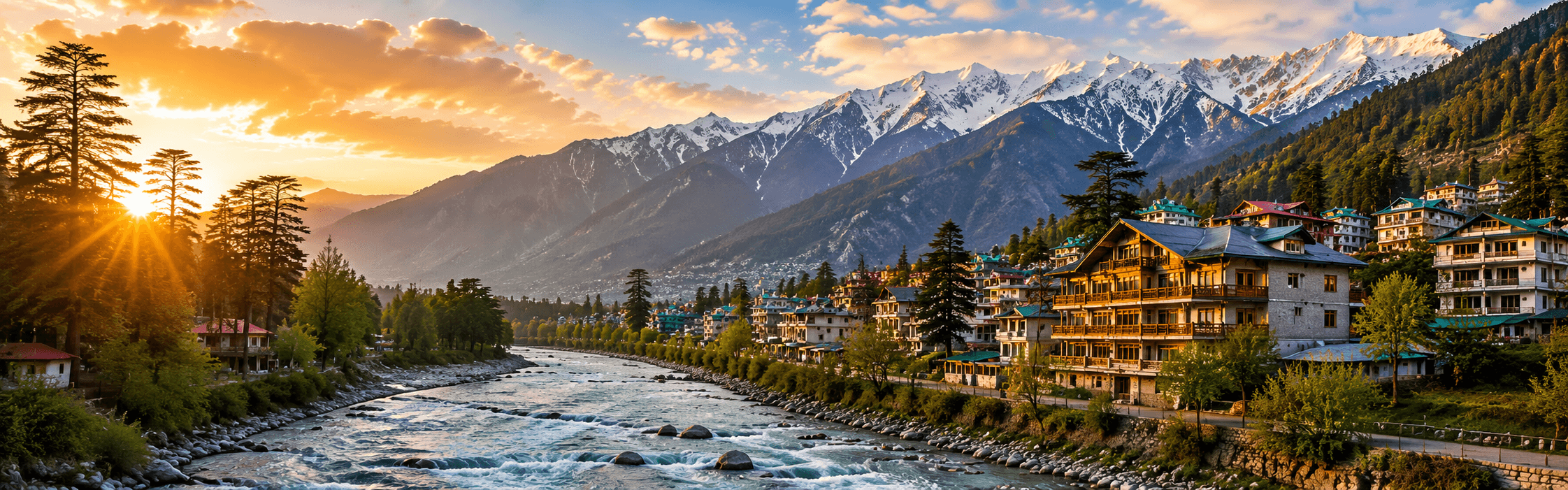
Manali has long been the darling of the Indian Himalayas, but as we head into 2026, the town has successfully reinvented itself. No longer just a stopover for the Leh-Manali highway, it is now a world-class destination for digital nomads, adrenaline junkies, and culture seekers. The specific reason to visit right now is the newly expanded sustainable trekking corridors and the revitalization of the indigenous 'Dham' culinary experiences that were once hard for tourists to find. The air is crisp, the cedar forests are ancient, and the Beas River continues to roar with the same prehistoric energy that has drawn seekers here for decades.
Best Time to Visit: A 12-Month Perspective
Timing your visit to Manali is crucial as the landscape shifts dramatically between seasons. For those seeking snow, the window is narrow; for those seeking lush greenery and trekking, the summer months are unbeatable.
- January: Heavy snow, sub-zero temperatures. Ideal for skiing enthusiasts. Pricing is moderate.
- February: Peak snow season. Rohtang Pass is closed, but Solang Valley is buzzing with winter sports.
- March: The thaw begins. Apple blossoms start to appear. Low crowds and budget-friendly pricing.
- April: Spring arrives. Clear skies and pleasant days (15-20°C). Perfect for trekking.
- May: Peak summer. Domestic crowds surge. High pricing. Advance booking is mandatory.
- June: Warmest month. Ideal for the Manali-Leh road trip opening. Very high crowds.
- July: Monsoon begins. High risk of landslides. Transport is often disrupted. Very low pricing.
- August: Heavy rains. The valley is neon-green but travel is risky. Not recommended for first-timers.
- September: Post-monsoon clarity. The mountains are washed clean. Excellent for photography.
- October: The 'Sweet Spot'. Autumn colours, crisp air, and manageable crowds. Pricing is moderate.
- November: Winter sets in. Dry and cold. A quiet time for those seeking solitude. Budget pricing.
- December: Festive atmosphere. End of month sees heavy snow and peak pricing for New Year.
Travel Planning & Booking
For international travellers, the most efficient route is flying into New Delhi (DEL) and then taking a connecting flight to Kullu-Manali Airport (KUU) in Bhuntar. Airlines like IndiGo and Alliance Air operate these regional routes, though they are weather-dependent. A more reliable and iconic backpacker route is the overnight 'Volvo' bus from Delhi or Chandigarh, which offers a scenic climb into the mountains. Book your transport at least 4-6 weeks in advance for peak summer or year-end travel. Use platforms like RedBus for buses and Skyscanner for flights.
Visa Requirements 2025/2026
India's e-Visa system is highly efficient for most nationalities. UK, US, EU, and UAE nationals can apply for a 30-day, 1-year, or 5-year e-Tourist visa online. Ensure your passport has at least six months' validity. Indian nationals require no entry permits for Manali, though a Rohtang Pass Permit is required for all nationalities to cross the pass, obtainable via the Himachal Tourism official portal.
Travel Insurance for the Himalayas
In Manali, travel insurance isn't just a formality—it's a necessity. The high altitude and adventure activities like paragliding and river rafting carry inherent risks. Look for policies that specifically cover 'High Altitude Trekking' (up to 4,000m) and 'Emergency Heli-Evacuation'. Recommended providers include World Nomads for adventure coverage and SafetyWing for digital nomads. Allianz provides excellent comprehensive medical cover for older travellers.
Packing Guide: Layering is Life
The golden rule in Manali is layering. Even in summer, evenings can be chilly. Pack moisture-wicking base layers, a warm fleece, and a high-quality down jacket. For footwear, waterproof trekking boots are essential. Cultural note: While Manali is liberal, modest dress is expected when entering temples (cover shoulders and knees). Pro tip: Most tourists over-pack heavy woollens; you can buy high-quality, locally-made yak wool shawls and 'Pullan' slippers in the Manali bazaar for a fraction of the cost.
Accommodation: Where to Lay Your Head
Manali is split into three distinct zones. Old Manali is the backpacker's soul, filled with narrow lanes and cafes. New Manali is the commercial hub near the bus stand. Vashisht offers a quieter, more spiritual vibe with hot springs. For luxury, Shivadya Resort in Karjan offers an eco-luxe experience. For mid-range, The Himalayan provides a castle-style stay. For the budget-conscious, Zostel Manali is the gold standard for social hostels.
Top Tourist Attractions (Must-See)
- Hadimba Devi Temple: A 16th-century wooden temple dedicated to the goddess Hadimba. Surrounded by ancient cedar forests. (8:00 AM - 6:00 PM; Free; Best at 8:00 AM to avoid crowds).
- Solang Valley: The adventure capital. Paragliding, zorbing, and skiing in winter. (9:00 AM - 5:00 PM; Activity costs vary ₹500-₹3000; Best on weekdays).
- Rohtang Pass: A high mountain pass (3,978m) offering snow year-round. (Requires permit; Closed Tuesdays; ₹550 permit fee; Leave at 5:00 AM).
- Jogini Falls: A scenic 3km trek from Vashisht. Perfect for a dip in the natural pools. (Accessible 24/7; Free; Morning is best for light).
- Manu Temple: Located at the highest point of Old Manali, dedicated to Sage Manu. (6:00 AM - 8:00 PM; Free; Sunset offers great views).
- Naggar Castle: A medieval stone and wood castle 20km from Manali with stunning Art Galleries. (9:00 AM - 6:00 PM; ₹30; Ideal for history buffs).
Local Food & Dining
Don't leave without trying Kullu Dham, a traditional festive meal served on leaf plates. For the best trout, head to Johnson's Cafe in New Manali. Cafe 1947 in Old Manali is legendary for its riverside pasta and live music. For street food, the Sidu (steamed bread with walnut stuffing) sold near the Mall Road is a must-try. Note: Many local eateries are purely vegetarian, but the backpacker cafes serve everything from Israeli Schnitzel to Tibetan Thukpa.
Useful Apps & Resources
- InDrive: The preferred ride-sharing app where you can negotiate fares with local drivers.
- Zomato: For food delivery to your hotel or hostel.
- HRTC App: To book government-run buses to nearby towns like Kasol or Shimla.
- AllTrails: For accurate offline maps of local trekking routes like Beas Kund.
- Google Maps: Essential, but always download offline areas as signal drops in the valleys.
Manali is more than a destination; it’s a feeling of mountain air filling your lungs and the sound of the Beas River guiding your thoughts. Whether you are here for the peaks or the peace, respect the mountains, travel slow, and let Manali reveal its secrets to you. Explore more Himalayan guides at ainexusworld.com.