
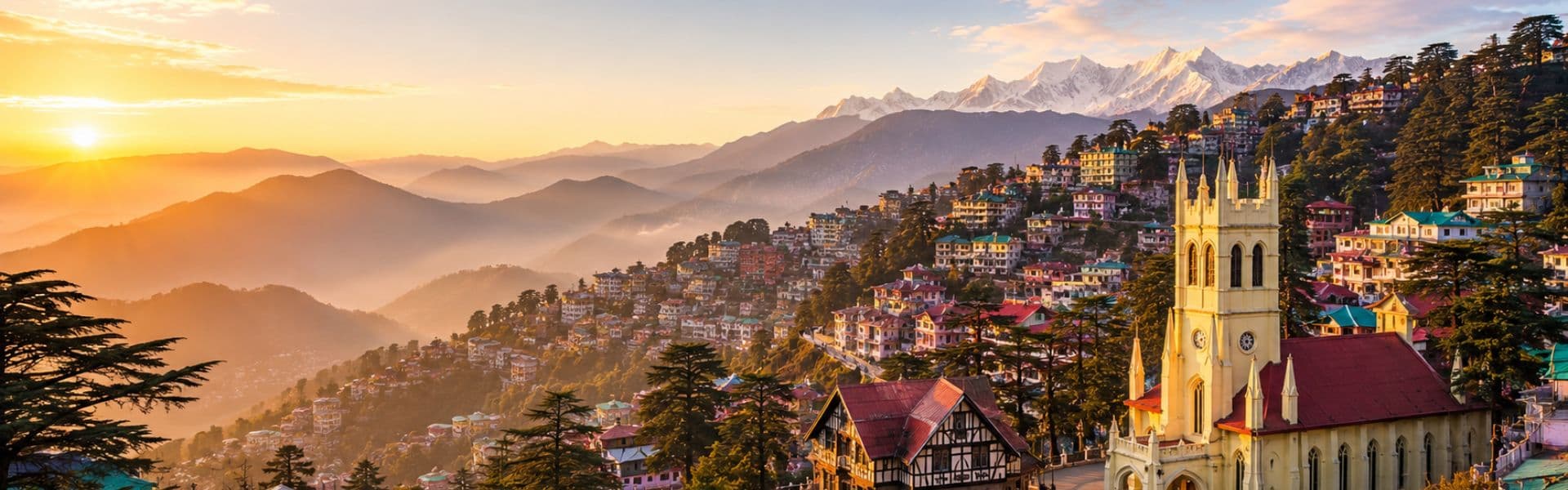
The Queen of Hills: Why Shimla is Essential in 2026
Shimla isn't just a hill station; it is a living museum of colonial history draped over the rugged ridges of the Himalayas. In 2026, the city has successfully balanced its heritage status with a renewed focus on sustainable mountain tourism. The most compelling reason to visit now is the Shimla Heritage Restoration Project, which has revitalised the pedestrian-only Mall Road and the Viceregal Lodge, offering a cleaner, more historically accurate experience than ever before. Whether you are chasing the nostalgia of the Kalka-Shimla Toy Train or seeking a base for high-altitude treks, Shimla provides a uniquely accessible entry point into the mountains of Himachal Pradesh.
Best Time to Visit Shimla: A 12-Month Breakdown
Timing your visit is crucial to avoid either the crushing crowds of the domestic holiday season or the logistical hurdles of the monsoon. The 'sweet spot' is October and November, when the air is crisp, the skies are crystal clear for Himalayan views, and the summer crowds have vanished.
- January: Cold (2-10°C). High chance of snow. Low crowds, budget-friendly pricing.
- February: Cold (3-12°C). Lingering snow. Perfect for budget travellers seeking solitude.
- March: Mild (8-16°C). Rhododendrons start to bloom. Moderate crowds and pricing.
- April: Pleasant (12-22°C). Spring peak. High crowds and rising hotel rates.
- May: Warm (15-26°C). Peak domestic season. Very high crowds and expensive pricing.
- June: Warm (18-28°C). Last month before monsoon. Peak pricing and heavy traffic.
- July: Wet (15-22°C). Monsoon begins. Very low crowds, but risk of landslides. Budget prices.
- August: Wet (15-21°C). Peak monsoon. Lush greenery but travel can be dangerous. Lowest pricing.
- September: Humid but clearing (14-20°C). End of monsoon. Fresh air and moderate prices.
- October: Perfect (10-18°C). Clear views of the peaks. Moderate pricing.
- November: Cool (7-15°C). Excellent visibility. Low crowds, great for backpackers.
- December: Cold (4-12°C). Christmas crowds are high. Pricing spikes around New Year.
Travel Planning & Booking
For international travellers, the most efficient route is flying into Indira Gandhi International Airport (DEL) in Delhi, followed by a domestic flight or the legendary train journey. Alliance Air operates daily flights from Delhi to Shimla's Jubbarhatti Airport (SLV), though these are weather-dependent. For 2026, we recommend booking flights at least 4 months in advance. Use Skyscanner for price comparisons and MakeMyTrip for local Indian budget carriers like IndiGo or SpiceJet.
Visa Requirements 2025/2026
India’s e-Visa system is streamlined for most nationals. Ensure your passport has 6 months validity.
- UK, US, and EU Nationals: Eligible for a 30-day, 1-year, or 5-year e-Tourist Visa. Apply via the official Indian Government portal.
- UAE Nationals: e-Visa available.
- Indian Nationals: No restrictions.
- Checklist: Digital photo (white background), passport scan, and proof of onward travel.
Travel Insurance for the Himalayas
Standard insurance is often insufficient for Shimla. You need coverage for altitudes up to 3,000 metres and specific 'Adventure Activity' riders if you plan to trek or ski in Kufri. World Nomads is the industry gold standard for backpackers, while SafetyWing offers excellent value for long-term digital nomads. Allianz provides the best medical evacuation coverage, which is vital given the winding mountain roads. Practical Tip: Ensure your policy covers trip cancellation due to 'acts of nature' like landslides, common in the region.
Packing Guide: Himalayan Essentials
Layering is the secret to comfort in Shimla. Even in summer, evenings are cool. Must-bring items: sturdy walking shoes (the city is almost entirely vertical), a universal power adapter (Type D/M), and high-SPF sunscreen (the mountain sun is deceptive). Cultural consideration: While Shimla is cosmopolitan, modest dress is required for temples; always carry a light scarf to cover shoulders. Don't over-pack: Heavy suitcases are a nightmare on Shimla’s steep pedestrian paths where vehicle access is restricted.
Accommodation: Where to Stay
- Luxury: Wildflower Hall, An Oberoi Resort. Located in Chharabra, this is the pinnacle of Himalayan luxury, offering forest treks and an outdoor heated whirlpool with peak views.
- Mid-Range: Hotel Willow Banks. Located right on the Mall Road, this heritage property offers a perfect blend of central access and modern comfort.
- Budget/Boutique: Thistle Lodge. A charming, highly-rated guest house offering clean rooms and authentic hospitality for the savvy backpacker.
Booking Tip: Stay near 'The Ridge' if you want to be in the heart of the action, but choose 'Chotta Shimla' for a quieter, more local experience.
Getting Around Locally
The core of Shimla is a No-Vehicle Zone. You will be walking—a lot. From Jubbarhatti Airport, a pre-paid taxi costs approximately ₹1,200-₹1,500 (£12-15) and takes 1 hour. The HRTC (Himachal Road Transport Corporation) buses are the lifeline for budget travellers, connecting Shimla to suburbs like Sanjauli and Lakkar Bazaar for under ₹20. Avoid 'Tourist Taxis' found near the Ridge; instead, use the official Prepaid Taxi Stand near the Railway Station.
Top Tourist Attractions
- The Viceregal Lodge (Rashtrapati Niwas): The site where the partition of India was discussed. Open 10:00 AM - 5:00 PM (Closed Mondays). Entry: ₹100. Tip: Arrive at 10 AM to avoid school groups.
- Jakhu Temple: Dedicated to Lord Hanuman, featuring a 108ft statue. Open 5:00 AM - 9:00 PM. Entry: Free. Tip: Beware of the monkeys; do not carry visible food or loose sunglasses.
- The Ridge & Mall Road: The social hub of Shimla. Best at sunset. Entry: Free.
- Christ Church: The second oldest church in North India. Open 8:00 AM - 6:00 PM. Entry: Free.
- Kalka-Shimla Toy Train: A UNESCO World Heritage site. Cost: ₹65 (General) to ₹500 (Luxury). Tip: Book 'Himalayan Queen' via the IRCTC website 60 days in advance.
- Kufri: 13km from Shimla, known for Himalayan Nature Park and skiing. Entry: ₹30. Best time: Morning.
Local Food & Dining
Himachali cuisine (Pahari food) is soul-warming. You must try Siddu (steamed fermented bread) and Madra (chickpeas in yoghurt gravy). The Cecil (Restaurant) offers high-end colonial dining, while Wake & Bake Cafe on the Mall Road is the backpacker's favourite for wood-fired pizza and coffee. For the most authentic street food, head to Sitaram & Sons in Moti Bazaar for their legendary Chole Bhature.
Safety & Emergency Contacts
Shimla is one of India's safest cities. However, be cautious of walking alone in unlit forest paths at night due to occasional leopard sightings and steep drops. Emergency Numbers: Police: 100 | Ambulance: 102 | Fire: 101 | National Emergency: 112. The nearest international-standard facility is Indira Gandhi Medical College (IGMC) on Kartar Singh Saraba Marg.
Useful Apps & Resources
- HRTC: For booking state buses across Himachal.
- Zomato: The primary food delivery app in the city centre.
- MakeMyTrip: For local hotel and flight deals.
- Google Maps: Vital for navigating the staircases and alleys.
- Indira Gandhi Medical College App: For emergency medical info.
- Official Website: himachaltourism.gov.in
Shimla is a destination that rewards those who slow down. Leave the itinerary flexible, walk the deodar-lined paths of Summer Hill, and let the mountain air dictate your pace. For more Himalayan insights, explore our deep-dive guides at ainexusworld.com.