
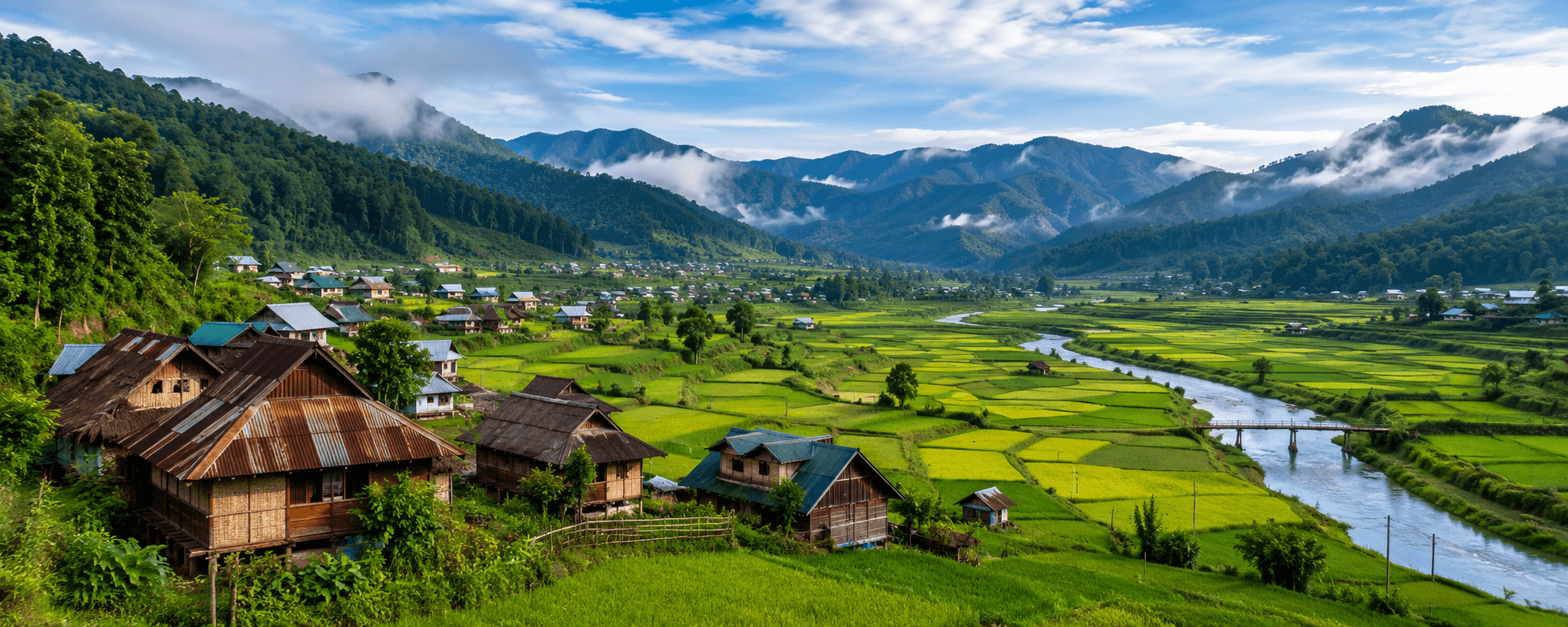
Introduction: The Valley Where Time Stands Still
Tucked away in the Lower Subansiri district of Arunachal Pradesh, Ziro Valley is not just a destination; it is a profound lesson in sustainable living and indigenous resilience. For the modern traveller, Ziro represents one of the last frontiers of authentic cultural immersion in India. While much of the world has succumbed to rapid urbanisation, the Apatani people have preserved a lifestyle that harmonises perfectly with the pine-clad hills and tiered rice fields. The compelling reason to visit Ziro in 2026 is the chance to witness the 'Apatani Cultural Landscape' before its likely formal induction into the UNESCO World Heritage list, an event that will inevitably increase tourist footprints.
Best Time to Visit: A Seasonal Calendar
Choosing when to visit Ziro depends entirely on whether you seek cultural vibrance or misty solitude. In 2026, the seasonal dynamics remain distinct. The 'sweet spot' is late September, aligning with the Ziro Festival of Music (ZFM), where the weather is crisp and the valley is a neon green. However, March is equally fascinating for the Myoko Festival, the most significant tribal event for the Apatanis.
- Spring (March - April): Temperature 10°C to 20°C. Peak cultural season. Expect Myoko rituals and moderate crowds.
- Summer (May - June): Temperature 15°C to 25°C. Lush greenery, though humidity rises. Great for budget travellers as prices dip.
- Monsoon (July - August): Heavy rainfall. Road blockages are common. Only for the most adventurous.
- Autumn (September - October): The golden period. ZFM takes place in late Sept. Clear blue skies and perfect trekking weather.
- Winter (November - February): Cold and dry. Temperatures can drop to 0°C. Perfect for those seeking peace and bonfire nights.
Travel Planning & Booking: Navigating the Permits
Entering Arunachal Pradesh requires specific documentation. In 2026, the e-permit system has become the standard. Indian nationals require an Inner Line Permit (ILP), while foreigners need a Protected Area Permit (PAP). You can apply for these online via the Arunachal Pradesh government portal or through registered tour operators.
Flights: The most efficient route is flying into Hollongi (Donyi Polo Airport, HGI) or Lilabari (IXI). Indigo and Alliance Air operate frequent flights from Kolkata and Guwahati. Book at least 3 months in advance for the September festival to avoid 300% price hikes.
Travel Insurance: Non-Negotiable Protection
Ziro is remote. The nearest multi-specialty hospitals are in Itanagar or North Lakhimpur. Your insurance must cover 'Emergency Medical Evacuation' by road or air. Given the region's susceptibility to landslides during the monsoon, 'Trip Interruption' coverage is essential. I recommend World Nomads for its adventure sports coverage or SafetyWing for its flexibility. Allianz offers excellent comprehensive plans for older travellers (45+).
Packing Guide: Himalayan Essentials
The weather in Ziro is famously fickle. A bright sunny morning can turn into a chilly, rainy afternoon in minutes. Layering is your best friend. Must-bring items include a high-quality raincoat, sturdy waterproof hiking boots (Gore-Tex is ideal), and a power bank, as power outages occur during storms. Tourists frequently over-pack heavy woollens; instead, bring a lightweight down jacket that compresses easily.
Accommodation: Where to Stay
Ziro is the land of homestays. While Hapoli is the commercial hub, the old villages (Ziro) offer the best experience. Abasa Homestay in Siiro is the gold standard for cultural immersion. For a bit more comfort, Ziro Valley Resort offers stunning views of the paddy fields. Backpackers should look at Kasa Homestay for its communal vibe and proximity to the festival grounds.
Getting Around Locally
Shared taxis (Sumos) are the lifeline of Arunachal. From North Lakhimpur or Itanagar, a seat in a shared Sumo to Ziro costs roughly ₹600-₹800. Locally, walking is the best way to explore the 'Apatani Bastis' (villages). For longer distances, local taxis operate from the Hapoli stand. Note: There is no Uber or Ola here; rely on local taxi unions or the 'Indriver' app which has limited but growing presence.
Top Tourist Attractions
- Meghna Cave Temple: A 5000-year-old heritage site dedicated to Lord Shiva. Hours: 6 AM - 6 PM. Entry: Free. Tip: Go at sunrise for the mist-clearing views.
- Talley Valley Wildlife Sanctuary: A biodiversity hotspot home to the clouded leopard. Entry: ₹100 + Permit fees. Best for trekking.
- Kile Pakho: A ridge offering a panoramic view of the plateau on one side and the snow-capped Himalayas on the other. 24/7 access. Free.
- Pine Grove: Perfect for a quiet picnic amongst towering blue pines.
- Hapoli Market: The heart of local commerce. Witness unique tribal produce.
- Siiro Village: The best place to see the traditional Apatani architecture and meet village elders.
Local Food & Dining
Apatani cuisine is organic and minimally spiced. Pika Pila (bamboo shoot pickle) is the staple accompaniment. Try Bamboo Chicken (Sudu), where meat is cooked inside bamboo stalks over charcoal. Apong (local rice beer) is a cultural necessity; it’s served in bamboo mugs and is surprisingly refreshing. For a formal meal, Hibu Tatu's Kitchen provides an authentic tribal thali. For a mid-range option, Blue Pine Hotel in Hapoli serves decent Indian and Chinese fare.
Safety & Emergency Contacts
Ziro is incredibly safe for solo travellers. The Apatanis are known for their hospitality. However, the terrain is the biggest risk. Always inform your host before heading out on a trek. The pan-India emergency number is 112. The Ziro Police Station can be reached directly at +91 3788 224224. For medical emergencies, the General Hospital Ziro in Hapoli is the primary facility.
Useful Apps & Resources
Download Google Maps for offline use, as data connectivity is spotty. Indriver is useful for hailing taxis in Hapoli. The Arunachal ILP App is essential for permit management. For the festival, the official Ziro Festival App provides schedule updates. Visit arunachaltourism.com for official government advisories.
Closing
Ziro Valley is a place that demands you slow down. It is a destination for the 'slow traveller' who values a conversation with a village elder over a checked-off bucket list. Whether you are dancing in the mud at the music festival or watching the sun set over a quiet paddy field, Ziro will leave an indelible mark on your soul. Start planning your journey today at ainexusworld.com.