
Introduction
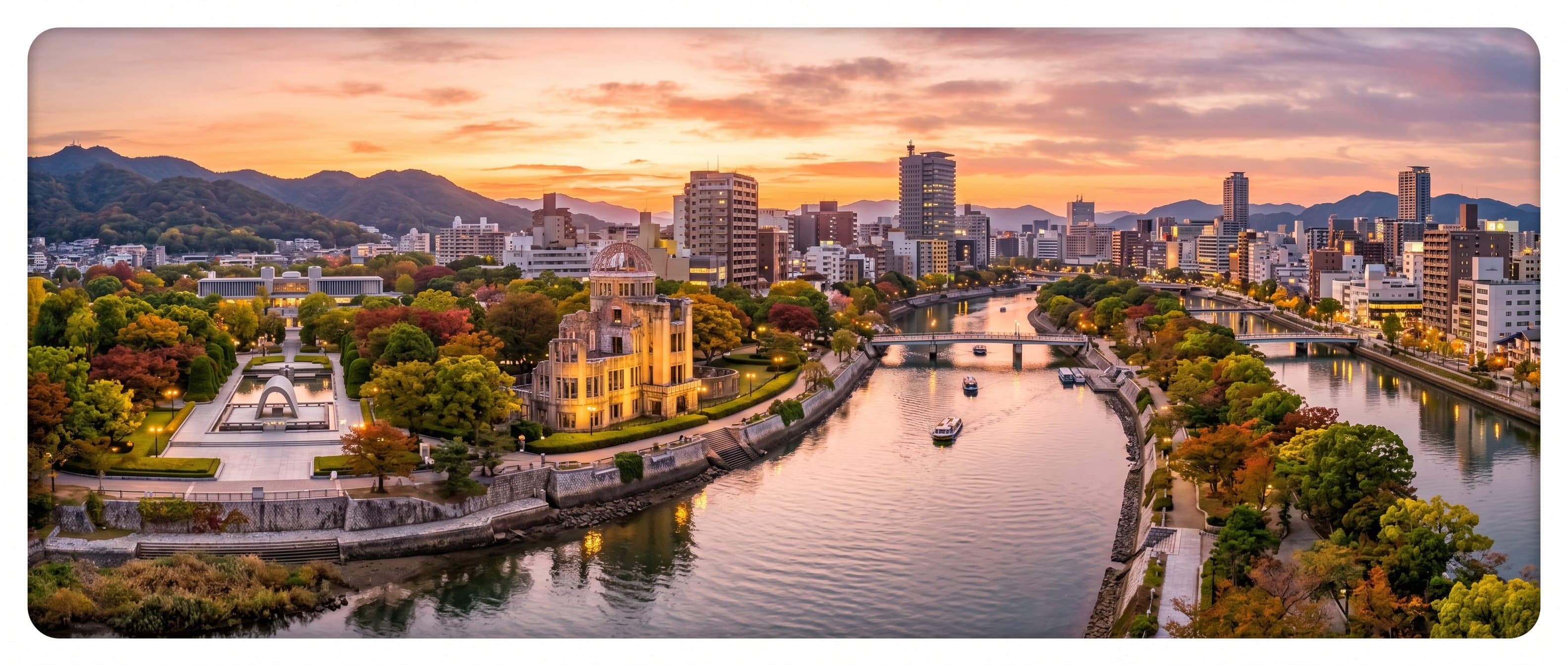
Hiroshima, a city synonymous with resilience and the unwavering pursuit of peace, invites travellers in 2026 to discover its compelling blend of poignant history and dynamic modern culture. Beyond its powerful Peace Memorial Park, Hiroshima pulsates with a vibrant culinary scene, beautiful natural surroundings, and the warmth of its people. A unique reason to visit right now is the city’s ongoing commitment to innovative sustainability initiatives and its emergence as a forward-thinking hub, showcasing how a city can not only heal but thrive, offering a truly inspiring travel narrative.
Best Time to Visit
Hiroshima offers distinct charms throughout the year, making it a rewarding destination across all seasons.
- January: Cold but clear, with average temperatures between 3-10°C. Low crowds and budget-friendly prices make it ideal for history buffs. The Plum Blossom Festival (Ume Matsuri) typically begins late in the month, offering a prelude to spring.
- February: Similar to January, with average temperatures of 4-11°C. Still a low season for tourism, offering a peaceful experience. The Kaki no Sato Festival celebrates local persimmon wine.
- March: A beautiful transition with mild weather, 7-14°C. Cherry blossom season begins towards the end of the month, drawing moderate crowds and increasing prices. Early March is a sweet spot before the major bloom.
- April: Peak cherry blossom season offers stunning floral displays. Temperatures are pleasant at 12-20°C, but expect high crowds and peak pricing. The Hiroshima Flower Festival usually takes place in early May.
- May: Warm and pleasant, 17-24°C. The Golden Week holiday in early May means high crowds and prices, but the weather is superb. Post-Golden Week offers a great balance.
- June: The start of the rainy season (tsuyu) brings humidity and average temperatures of 20-27°C. Crowds decrease, and prices become more moderate, offering a more introspective visit.
- July: Hot and humid, 23-31°C, with occasional rain showers. Summer festivals (matsuri) are in full swing, offering vibrant local experiences. Crowds are moderate to high.
- August: Continues the hot and humid summer, 24-32°C. The Obon festival, a period of ancestral remembrance, occurs mid-month, with significant local travel. The Hiroshima Peace Memorial Ceremony on August 6th is a solemn, deeply moving event.
- September: Early autumn brings warm days, 20-27°C, and decreasing humidity. Typhoon season can occur, but it’s a beautiful time for sightseeing with fewer crowds than summer.
- October: Crisp and pleasant, 15-22°C. Autumn foliage begins to appear, offering spectacular colours. This is widely considered a sweet spot, with comfortable weather, moderate crowds, and reasonable prices before winter sets in.
- November: Cool and dry, 10-16°C. Autumn colours are at their peak in many areas, making it ideal for exploring parks and temples. Crowds are low to moderate.
- December: Cold, with temperatures ranging from 5-12°C. Festive illuminations appear across the city. It’s a quiet month, ideal for budget travellers seeking a peaceful exploration.
Recommendation: For the best balance of pleasant weather, manageable crowds, and vibrant seasonal beauty, aim for October or early November.
Travel Planning & Booking
Planning your trip to Hiroshima well in advance is key for securing the best deals and ensuring a smooth experience.
Best Flight Routes and Airlines
Hiroshima is primarily served by Hiroshima Airport (HIJ). While direct international flights are limited, it's well-connected via domestic hubs like Tokyo (Narita/Haneda) and Osaka (Kansai).
- From London (LHR): Flights typically connect through major hubs such as Amsterdam (KLM), Helsinki (Finnair), or Dubai (Emirates), then onward to Tokyo or Osaka before a short domestic flight to HIJ. Airlines like British Airways, Japan Airlines (JAL), and All Nippon Airways (ANA) operate these routes. Expect journey times of 14-18 hours, including layovers.
- From New York (JFK/EWR): Connections are usually made in cities like Los Angeles, San Francisco, or Chicago, followed by a flight to Tokyo or Osaka. Airlines such as United Airlines, Delta Air Lines, and JAL/ANA service these routes. Flight durations typically range from 15-20 hours.
Booking Lead Times
For international flights, booking 3-6 months in advance is recommended, especially for travel during peak seasons (spring cherry blossoms, summer holidays). Domestic flights within Japan can often be booked 1-3 months ahead.
Top 3 Booking Platforms
- Skyscanner: Excellent for comparing prices across numerous airlines and dates, ideal for finding the cheapest international and domestic flight options.
- Google Flights: Its intuitive interface and price tracking features are invaluable for monitoring fare fluctuations and discovering flexible travel dates.
- Booking.com: While primarily for accommodation, it often lists flight packages and allows comparison of various travel components, useful for bundling.
Visa Requirements for 2025/2026
Japan offers visa-free entry for short stays (up to 90 days) for tourism to citizens of many countries. However, requirements can change, so always verify with official sources.
- UK Nationals: Visa-free for stays up to 90 days for tourism.
- US Nationals: Visa-free for stays up to 90 days for tourism.
- EU Nationals: Visa-free for stays up to 90 days for tourism.
- Indian Nationals: A visa is required for short-term stays. Apply through the Japanese Embassy or Consulate in India. Requirements include a completed application form, passport photos, passport, and itinerary. E-visas are not currently widely available for Indian nationals for tourism.
- UAE Nationals: Visa-free for stays up to 30 days for tourism.
Entry Documentation Checklist
- Valid Passport (with at least six months remaining validity)
- Completed Arrival Card (provided on the flight or at immigration)
- Any required visa documentation (if applicable, e.g., for Indian nationals)
- Proof of onward travel (sometimes requested)
- Sufficient funds for your stay (can be requested)
Travel Insurance
While Japan is a safe country, comprehensive travel insurance is paramount for Hiroshima, particularly given the potential for unexpected medical needs or unforeseen travel disruptions.
Why Insurance Matters
Medical care in Japan can be expensive for non-residents. Insurance provides a financial safety net for hospitalisation, medical emergencies, or the need for evacuation, which can be costly without cover. It also protects against cancellations, lost baggage, and potential personal liability.
Cover to Look For
- Medical Emergencies: Essential for any overseas travel, covering hospital stays, doctor's visits, and prescription costs.
- Trip Cancellation/Interruption: Crucial in case you need to cancel your trip before departure or cut it short due to unforeseen circumstances like illness or family emergencies.
- Lost Baggage: Covers the cost of replacing essential items if your luggage is lost, delayed, or damaged by the airline.
- Adventure Activities: If you plan on activities like hiking near Mount Misen on Miyajima Island, ensure your policy covers them.
3 Recommended Providers
- World Nomads: Highly regarded for backpackers and adventure travellers, offering comprehensive policies that can cover a wide range of activities. Known for its online claims process and 24/7 emergency assistance.
- SafetyWing: Ideal for digital nomads and long-term travellers, offering flexible, affordable, and continuous coverage plans that can be managed entirely online. Covers medical emergencies and remote working needs.
- Allianz Travel Insurance: Provides a broad spectrum of plans, from basic to premium, with excellent medical coverage, including emergency medical evacuation and repatriation. A reliable choice for those seeking robust protection.
Practical Tip
Always check the policy's 'pre-existing conditions' clause and ensure your sum insured is adequate for the duration and destination of your trip. Keep your policy details readily accessible.
Packing Guide
Packing smart for Hiroshima ensures comfort and cultural appropriateness, allowing you to focus on experiencing the city.
Climate-Specific Clothing Checklist
- Spring (March-May): Layers are key. Pack light jackets, cardigans, long-sleeved shirts, and trousers. Include a waterproof jacket for occasional spring showers.
- Summer (June-August): Light, breathable fabrics like cotton and linen. T-shirts, shorts, light dresses, and comfortable walking shoes are essential. A light rain jacket or umbrella is advisable due to humidity and rain.
- Autumn (September-November): Similar to spring, with layers being crucial. Pack sweaters, light coats, long-sleeved tops, and comfortable trousers. The evenings can get cool.
- Winter (December-February): Warm layers are necessary. Think wool sweaters, thermal base layers, a warm coat, scarf, gloves, and a hat. Comfortable, waterproof footwear is also important.
Cultural Dress Considerations
Japan is a relatively conservative society. While Hiroshima is modern, dressing modestly is appreciated, especially when visiting temples, shrines, or more traditional establishments. Avoid overly revealing clothing. Comfortable, clean footwear is a must as you'll often remove shoes indoors.
Must-Bring Items Specific to Hiroshima
- Comfortable Walking Shoes: You'll be doing a lot of walking, especially around historical sites and cities.
- Portable Wi-Fi Device or Local SIM Card: Essential for navigation, translation, and staying connected.
- Japan Rail Pass (if applicable): If planning extensive travel across Japan, book this before you arrive.
- Small Backpack: For carrying daily essentials like water, snacks, camera, and souvenirs.
- Reusable Water Bottle: Stay hydrated and reduce plastic waste. Vending machines are ubiquitous for refills.
One Item Tourists Over-Pack
Excessive formal wear. Unless you have specific fine-dining reservations planned daily, most establishments and attractions are relaxed. Focus on comfortable, versatile, and presentable casual wear.
Accommodation
Hiroshima offers a diverse range of accommodation, from luxury hotels to budget-friendly hostels, catering to all traveller types.
3 Best Neighbourhoods to Stay
- Chugai (Central Hiroshima): This is the city centre, buzzing with activity. It's incredibly convenient for accessing the Peace Memorial Park, shopping arcades, and numerous restaurants. Ideal for first-time visitors who want to be in the heart of the action.
- Hiroshima Station Area: Offers excellent transport links, making day trips easy. You'll find a good mix of business hotels and more traditional Japanese inns (ryokan) at varying price points. It's a practical choice for those prioritising easy travel.
- Otemachi: A more sophisticated district with a blend of modern hotels and established businesses. It’s slightly quieter than Chugai but still offers good access to key sites and dining options, with a more refined atmosphere.
1 Luxury Pick
Sheraton Grand Hiroshima Hotel: Located adjacent to Hiroshima Station, this hotel offers impeccable service, spacious rooms with city views, and excellent amenities including a fitness centre and indoor pool. It's perfect for travellers seeking comfort and convenience with a touch of luxury.
1 Mid-Range Pick
Hotel Granvia Hiroshima: Also situated above Hiroshima Station, this hotel provides comfortable, well-appointed rooms and a convenient location for travellers. It offers a good balance of quality, amenities, and price, making it a solid choice for most visitors.
1 Boutique/Unique Pick
Miyajima Grand Hotel Arshe: While technically on Miyajima Island, it’s a highly recommended unique experience. Offering traditional Japanese rooms (tatami mats, futons) with stunning views of the island and sea, it provides an immersive cultural stay. It’s accessible via a short ferry ride from Hiroshima city. For a city-based unique option, consider Hotel AND STAY Hiroshima, offering modern, stylish rooms with a communal lounge, fostering a social atmosphere.
Booking Tip
Book accommodation in Hiroshima at least 2-3 months in advance, especially if travelling during peak seasons like cherry blossom season or Golden Week, to secure your preferred choice and avoid inflated prices.
Getting Around Locally
Hiroshima boasts an efficient public transportation system, making it easy to navigate the city and surrounding areas.
Airport to City Centre
- Airport Limousine Bus: The most convenient option. Buses run directly from Hiroshima Airport (HIJ) to Hiroshima Station and other major points in the city. Cost: ¥1,340 (approx. £7/$9). Time: 45-55 minutes.
- Taxi: A more expensive but direct option. Available at the airport terminal. Cost: ¥10,000 - ¥15,000 (approx. £55-85/$70-105) depending on traffic and destination. Time: 45-60 minutes.
- Train (via Airport Shuttle Bus): You can take an airport shuttle bus to nearby Mihara Station, and then catch a JR train to Hiroshima Station. This is less direct than the limousine bus. Cost: Approx. ¥2,500 (bus + train fare). Time: 1 hour 15 minutes to 1 hour 30 minutes.
Best Local Transport Modes
- Streetcar (Tram): Hiroshima's streetcar network is extensive and a charming way to see the city. It’s particularly useful for reaching attractions like the Peace Memorial Park and Shukkei-en Garden from Hiroshima Station. A day pass is available and highly recommended for extensive use.
- Buses: A comprehensive bus network complements the streetcars, reaching areas not covered by trams.
- JR Trains: Essential for day trips to nearby destinations like Miyajima Island (via ferry link from Miyajimaguchi Station) and Kure.
Recommended Apps
- Google Maps: Indispensable for navigating public transport, walking routes, and finding points of interest. It provides real-time transit information.
- Japan Transit Planner by Jorudan: A detailed app for planning train and subway journeys, including fare information and platform numbers.
- Navitime for Japan Travel: Offers route planning, station maps, and information on local etiquette and events.
One Common Tourist Mistake
Not purchasing a streetcar day pass. If you plan to visit multiple attractions using the tram, the day pass (¥600, approx. £3/$4) offers significant savings compared to paying for individual rides.
Top Tourist Attractions (Must-See)
Hiroshima's attractions offer a profound glimpse into its past and a vibrant outlook on its present.
- 1. Hiroshima Peace Memorial Park and Museum
Why it Matters: The heart of Hiroshima's memorialisation, this park and museum stand as a solemn testament to the devastating impact of the atomic bombing and a powerful plea for world peace.
Opening Hours: Park: Always open. Museum: 8:30 AM - 6:00 PM (until 5:00 PM from December to February). Closed on December 30th and 31st.
Entry Cost: Park: Free. Museum: ¥200 (approx. £1.10/$1.40) for adults.
Best Time of Day: Morning or late afternoon to avoid midday crowds and for contemplative atmosphere.
Insider Tip: Spend ample time in the museum; the exhibits are deeply moving and informative. Consider joining a free guided tour led by Hibakusha (survivors) or their descendants if available for deeper insight. - 2. Atomic Bomb Dome (Genbaku Dome)
Why it Matters: The skeletal remains of the former Hiroshima Prefectural Industrial Promotion Hall, it is the only building left standing in the immediate vicinity of the hypocentre after the bombing, serving as a stark global symbol of nuclear devastation.
Opening Hours: Exterior viewable 24/7.
Entry Cost: Free.
Best Time of Day: Sunrise or sunset for poignant lighting.
Insider Tip: Observe the dome from various angles across the river for different perspectives and photographic opportunities. - 3. Shukkei-en Garden
Why it Matters: A beautiful and historic Edo-period Japanese garden, meticulously designed to resemble miniature landscapes. It was damaged by the atomic bomb but has been restored, symbolising nature's resilience.
Opening Hours: 9:00 AM - 6:00 PM (last admission 5:30 PM). Closed on Mondays (or Tuesdays if Monday is a public holiday).
Entry Cost: ¥260 (approx. £1.40/$1.80) for adults.
Best Time of Day: Mid-morning or late afternoon for serene walks.
Insider Tip: Look for the small tea house (Seiteien) within the garden for a moment of quiet reflection and a cup of matcha tea. - 4. Hiroshima Castle
Why it Matters: Originally built in 1589, the castle was destroyed by the atomic bomb and has since been meticulously reconstructed. Its five-story keep houses a museum detailing Hiroshima's history.
Opening Hours: 9:00 AM - 6:00 PM (until 5:00 PM from December to February).
Entry Cost: ¥380 (approx. £2/$2.60) for adults.
Best Time of Day: Late morning to explore the museum and enjoy panoramic city views from the top.
Insider Tip: The castle grounds themselves are lovely to stroll around, and the reconstructed keep offers a good overview of feudal Japanese architecture. - 5. Mazda Museum
Why it Matters: For automotive enthusiasts, this museum offers a fascinating journey through the history of Mazda, from its early beginnings to its innovative car designs. It's a testament to Hiroshima's industrial prowess.
Opening Hours: 10:00 AM - 5:00 PM (weekdays). Reservations are usually required and can be made online.
Entry Cost: Free.
Best Time of Day: Book a morning slot to allow ample time for the tour.
Insider Tip: Book your tour well in advance, as slots can fill up quickly, especially for English-language tours. - 6. Okonomimura (Okonomiyaki Village)
Why it Matters: A multi-story building dedicated to Hiroshima-style okonomiyaki, a savoury pancake layered with noodles, cabbage, meat, and seafood. It’s a culinary experience and a lively social hub.
Opening Hours: Typically 11:00 AM - 10:00 PM (hours may vary by stall).
Entry Cost: Free entry; pay per dish (approx. ¥1,000 - ¥1,500, £5.50-8/$7-10).
Best Time of Day: Evening for a vibrant atmosphere.
Insider Tip: Don't be afraid to try different stalls; each has its own unique take on the dish. - 7. Miyajima Island (Itsukushima)
Why it Matters: A UNESCO World Heritage site famous for its iconic 'floating' torii gate of Itsukushima Shrine, which appears to float at high tide. The island offers stunning natural beauty and a sense of spiritual serenity.
Opening Hours: Shrine: 6:30 AM - 5:00 PM (hours vary seasonally).
Entry Cost: Shrine: ¥300 (approx. £1.60/$2). Island access requires a ferry (covered by JR Pass or approx. ¥180 one way).
Best Time of Day: Aim for high tide to see the torii gate appear to float, or low tide to walk out to it. Morning is best to avoid crowds.
Insider Tip: Hike or take the ropeway up Mount Misen for breathtaking panoramic views of the Seto Inland Sea. Be mindful of the friendly but sometimes bold wild deer on the island.
Local Food & Dining
Hiroshima's culinary scene is as resilient and vibrant as the city itself, with its signature dishes offering a unique taste of the region.
4-5 Must-Try Dishes/Drinks
- Hiroshima-style Okonomiyaki: Unlike Osaka style, Hiroshima's version layers ingredients: batter, cabbage, pork, noodles (yakisoba or udon), egg, and sauce. It's hearty, flavourful, and a true local specialty.
- Kaki (Oysters): Hiroshima is Japan's leading oyster producer. Enjoy them grilled, fried, or steamed – they are incredibly fresh and plump.
- Oysters in Momiji Manju: A sweet and savoury combination, where the popular maple-leaf-shaped pastry is filled with a creamy oyster sauce. A unique local treat.
- Anago Meshi: Grilled conger eel served over rice, often found in local restaurants. It's a delicate and flavourful dish, particularly popular on Miyajima Island.
- Hiroshima Lemon: The region is known for its lemons. Try lemon-flavoured ice cream, drinks, or even lemon-spiced savoury dishes.
1 High-End Restaurant
Miyajima Seiryū: Located on Miyajima Island with stunning views of the floating torii gate, this restaurant offers exquisite kaiseki (multi-course) meals, focusing on seasonal seafood and local ingredients. A perfect spot for a special occasion.
1 Mid-Range Restaurant
Okonomi-mura: As mentioned, this is a must-visit. With multiple floors and dozens of okonomiyaki stalls, it offers an authentic, casual dining experience. Choose a stall that appeals to you and watch your meal being expertly prepared.
1 Street Food/Market Recommendation
Hiroshima Food Plaza (Shokudo) at Hiroshima Station: While not a traditional market, this food court within the station offers a convenient and affordable way to sample various local delicacies, including excellent okonomiyaki, ramen, and fresh seafood dishes.
Dietary Note
Vegetarian and vegan options are becoming more common in Hiroshima, particularly in tourist-friendly areas. However, many traditional Japanese dishes contain fish sauce or dashi (fish stock). It’s advisable to learn key phrases like “Watashi wa bejitarian desu” (I am vegetarian) and “Niku ya sakana o taberaremasen” (I cannot eat meat or fish) and use translation apps.
Safety & Emergency Contacts
Hiroshima is renowned for its exceptional safety, making it a stress-free destination for travellers.
Safety Level
Very Safe. Japan consistently ranks as one of the safest countries in the world. Petty crime is rare, and violent crime is extremely uncommon. The city's residents are respectful and helpful.
Specific Areas or Situations to Be Aware Of
While Hiroshima is exceptionally safe, as with any city, it's wise to be aware of your surroundings, particularly in crowded areas or late at night. Tourist scams are rare but not entirely non-existent; always be cautious of unsolicited offers or unusually aggressive salespeople. The Peace Memorial Park area can be emotionally intense; take your time and be respectful.
LOCAL EMERGENCY NUMBERS
- Police: 110
- Ambulance: 119
- Fire: 119
- Tourist Police: Inquire at major train stations or tourist information centres; there isn't a dedicated hotline.
- National Emergency: 119 (This number covers Police, Ambulance, and Fire services).
Nearest International Hospital/Clinic
Hiroshima General Hospital (Kyokai Hospital): While not exclusively international, it is a major hospital equipped to handle a range of medical issues and often has English-speaking staff or access to interpreters. Ensure you have travel insurance that covers major medical facilities.
Address: 5-16-15 Chiyoda, Naka Ward, Hiroshima, 730-0051, Japan
Phone: +81 82-247-7011
Embassy Contacts
- UK Embassy/Consulate: The British Embassy is in Tokyo. For consular assistance in Hiroshima, contact the British Consulate-General Osaka.
Name: British Consulate-General Osaka
Phone: +81 6-6447-8401 (general enquiries)
Address: 4-28, Akashi-cho, Chuo-ku, Osaka 541-0042, Japan - US Embassy/Consulate: The U.S. Embassy is in Tokyo. For consular assistance, contact the U.S. Consulate in Osaka.
Name: U.S. Consulate General Osaka
Phone: +81 6-6440-2700
Address: 11-5, Nishitemma 2-chome, Kita-ku, Osaka 530-0004, Japan - Indian Embassy/Consulate: The Embassy of India is in Tokyo. For consular assistance, contact the Embassy of India, Tokyo.
Name: Embassy of India, Tokyo
Phone: +81 3-3262-8551
Address: 2-11 Kudan-minami 2-chome, Chiyoda-ku, Tokyo 102-0074, Japan - UAE Embassy/Consulate: The Embassy of the United Arab Emirates is in Tokyo.
Name: Embassy of the United Arab Emirates, Tokyo
Phone: +81 3-5420-7551
Address: 3-31-19 Jingumae, Shibuya-ku, Tokyo 150-0001, Japan
Useful Apps & Resources
Leverage these digital tools and resources to enhance your Hiroshima experience.
- Google Maps: For navigation, transit directions, and finding local spots.
- Google Translate: Essential for overcoming language barriers, especially with text and image translation.
- Japan Transit Planner by Jorudan: Detailed train and subway schedules and fare information.
- HyperDia: Another excellent app for detailed train route planning, including Shinkansen and local lines.
- HappyCow: If you have dietary restrictions, this app helps locate vegetarian and vegan-friendly restaurants.
- Official Hiroshima Tourism Website: Offers comprehensive information on attractions, events, and travel advice for the region. Search for 'Hiroshima Tourism' to find the official site.
Closing
Hiroshima is a city that profoundly touches the soul, offering a journey of remembrance, resilience, and hope. From its solemn memorials to its vibrant street life and delicious cuisine, it promises an unforgettable travel experience in 2026. Start planning your impactful visit today and delve deeper into the wonders Japan has to offer right here on ainexusworld.com.