
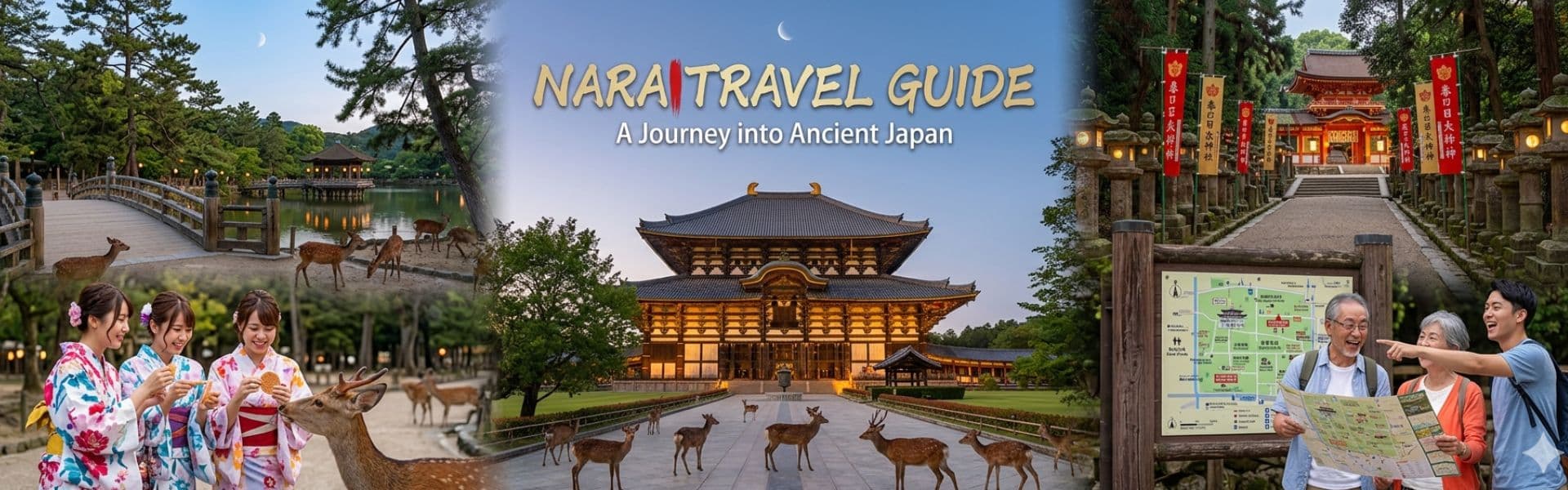
The Ultimate Nara Travel Guide 2026: Everything You Need to Know
Introduction: Why Nara Deserves a Place on Your Itinerary
Nara, Japan's historic heart and its first permanent capital established in 710 AD, offers a profound step back in time. While Kyoto often steals the limelight, Nara provides an equally rich, yet distinctly more tranquil, cultural experience. Its UNESCO World Heritage status, combined with the enchanting presence of hundreds of wild Sika deer that roam freely through its parks and temple grounds, makes it a truly unique destination. The compelling reason Nara demands your attention in 2026 is its unparalleled blend of accessible ancient history and a truly serene, almost mystical, connection with nature, embodied by its famous deer – a living link to Japan's spiritual past that you can interact with daily.Best Time to Visit Nara: A Month-by-Month Guide
Nara's charm unfolds across the seasons, each offering a distinct experience. Planning your visit strategically can enhance your enjoyment and budget.- January: Cold and crisp, with average temperatures between 2-10°C (36-50°F). Snow is possible but infrequent. Crowds are at their lowest, and prices for accommodation and flights are budget-friendly. Enjoy the serene, quiet atmosphere.
- February: Similar to January, cold with average temperatures of 3-11°C (37-52°F). Still a low-crowd, budget-friendly month. The plum blossoms begin to appear towards the end of the month, signalling the coming spring.
- March: Spring begins to warm Nara, with temperatures ranging from 7-15°C (45-59°F). Crowds start to increase as cherry blossom season approaches. Prices begin to rise, moving towards moderate.
- April: The peak of cherry blossom season! Temperatures are pleasant at 12-20°C (54-68°F). This is an extremely popular, high-crowd, and expensive time to visit. The city is breathtakingly beautiful.
- May: Warm and delightful, with temperatures of 17-25°C (63-77°F). The Golden Week holiday at the beginning of the month (early May) brings very high crowds and peak prices. After Golden Week, crowds lessen slightly, but it remains a popular, moderately expensive period.
- June: The start of the rainy season (tsuyu), with temperatures around 20-27°C (68-81°F). Expect frequent rain, especially in the early to mid-month. Crowds are moderate, and prices can be slightly lower than peak spring. Bring an umbrella!
- July: Hot and humid, with temperatures between 24-31°C (75-88°F). The rainy season typically ends mid-month. Crowds are high due to summer holidays. Prices are at their peak.
- August: Remains hot and humid, with highs around 25-32°C (77-90°F). It's a busy month with high tourist numbers and peak pricing. August sees many local festivals, including Obon, a significant Buddhist observance.
- September: Still warm, with temperatures of 20-26°C (68-79°F). Crowds begin to subside after the summer holidays. Prices are still relatively high but start to drop from August peaks. Typhoons are possible.
- October: Autumn colours begin to emerge, making it a visually stunning time. Temperatures are pleasant, ranging from 15-22°C (59-72°F). Crowds are moderate, and pricing becomes more reasonable.
- November: The peak of autumn foliage. Cool and crisp, with temperatures from 10-16°C (50-61°F). Crowds are high again for the autumn colours, and prices are moderate to expensive.
- December: Cold, with temperatures between 5-12°C (41-54°F). The festive lights and quieter atmosphere make it a lovely, less crowded, and budget-friendly time to visit, especially after the mid-December rush.
Travel Planning & Booking
Securing your travel arrangements efficiently will set the stage for a memorable trip.Best Flight Routes and Airlines
The nearest major international airport to Nara is **Kansai International Airport (KIX)**, serving Osaka, Kobe, and Kyoto. From KIX, Nara is easily accessible via train. Direct flights to KIX are available from major global hubs.- From London (LHR): Airlines like British Airways and Japan Airlines (JAL) offer direct or one-stop flights. Duration is approximately 11-13 hours for direct flights.
- From New York (JFK/EWR): Carriers such as Japan Airlines (JAL), United Airlines, and All Nippon Airways (ANA) operate routes, usually with one stop. Flight times are typically 14-16 hours.
- From major European hubs (e.g., Frankfurt, Paris): Lufthansa, Air France, and JAL often provide good connections to KIX.
- From Asian hubs (e.g., Singapore, Seoul, Hong Kong): Numerous airlines like Singapore Airlines, Korean Air, and Cathay Pacific offer frequent and often shorter flights to KIX.
Booking Lead Times
For the best prices and availability, especially if travelling during peak seasons (spring cherry blossoms, autumn foliage, or summer holidays), book flights and accommodation at least **3-6 months in advance**. For off-peak travel, **1-2 months** can suffice, but earlier is always safer.Top 3 Booking Platforms
- Skyscanner: Excellent for comparing flight prices across a wide range of airlines and online travel agents (OTAs). Its flexible date search is invaluable for finding the cheapest days to fly.
- Booking.com: The go-to platform for a vast selection of hotels, ryokans (traditional inns), and guesthouses. User reviews and filtering options are comprehensive.
- Japan Rail Pass (if applicable): For extensive train travel across Japan, purchasing this pass before arriving in Japan is essential. It's not a booking platform but a crucial travel document. For Nara specifically, it's often not cost-effective unless combined with extensive travel to other cities.
Visa Requirements for 2025/2026
Japan has a reciprocal visa exemption arrangement with many countries for short stays (up to 90 days).- UK Nationals: Visa-exempt for stays of up to 90 days for tourism or business.
- US Nationals: Visa-exempt for stays of up to 90 days for tourism or business.
- EU Nationals: Citizens of EU countries (including Ireland, France, Germany, Italy, Spain, etc.) are visa-exempt for stays of up to 90 days for tourism or business.
- Indian Nationals: A visa is generally required for tourism. E-visas may be available, or a standard tourist visa application must be submitted to a Japanese embassy or consulate. Check the latest requirements well in advance.
- UAE Nationals: Visa-exempt for stays of up to 30 days for tourism.
Entry Documentation Checklist
- Valid Passport (with at least six months' validity beyond your intended stay and at least one blank page).
- Completed Arrival Card (usually provided on the plane or at immigration).
- Proof of onward or return travel (flight tickets).
- Sufficient funds to cover your stay (though rarely asked for, it's good practice to have).
- Visa (if required for your nationality).
- Proof of accommodation (hotel bookings).
Travel Insurance: Your Peace of Mind in Nara
While Japan is remarkably safe, travel insurance is a non-negotiable for any international trip. It safeguards against unforeseen events that can derail your plans and finances.Why Insurance Matters for Nara Specifically
- Medical Emergencies: Japan's healthcare system is excellent but can be expensive for visitors without insurance. Even a minor accident, like tripping and falling in Nara Park, could lead to significant medical bills.
- Illness: Unexpected illnesses can occur, requiring doctor visits or even hospitalisation.
- Trip Cancellation/Interruption: Should you need to cancel or cut short your trip due to illness, family emergencies, or natural disasters (like typhoons, though rare for Nara itself to be severely impacted), insurance can recoup lost costs.
- Lost or Stolen Belongings: While pickpocketing is rare, accidents can happen. Insurance covers the loss of essential items.
Cover to Look For
- Medical Expenses: Comprehensive cover for hospital stays, doctor's visits, medication, and emergency medical evacuation.
- Trip Cancellation & Interruption: Covers non-refundable expenses if you have to cancel or cut your trip short.
- Lost or Delayed Baggage: Reimburses for essential items if your luggage is lost or significantly delayed.
- Adventure Activities: If you plan on any light hiking or other minor excursions, ensure this is covered.
3 Recommended Providers
- World Nomads: Highly regarded for backpackers and adventurous travellers, offering comprehensive coverage and easy online claims.
- SafetyWing: Ideal for longer stays or digital nomads, with a flexible subscription model and good coverage for medical emergencies and travel.
- Allianz Travel Insurance: Offers a range of plans, including comprehensive policies with strong medical coverage and assistance services.
One Practical Tip
Always purchase your travel insurance at the same time you book your trip to ensure maximum coverage, especially for pre-existing conditions or trip cancellation. Read the policy thoroughly to understand what is and isn't covered.Packing Guide for Nara
Packing smart means being prepared for Nara's climate and cultural nuances.Climate-Specific Clothing Checklist
- Spring (March-May): Light layers are key. T-shirts, long-sleeved tops, a medium-weight jacket or cardigan, and comfortable trousers. For April/May, a lighter jacket might suffice.
- Summer (June-August): Lightweight, breathable fabrics like cotton and linen. T-shirts, shorts, skirts, and dresses. A light rain jacket or umbrella is essential for June's rainy season.
- Autumn (September-November): Similar to spring but with cooler temperatures. Layers are crucial. Long-sleeved shirts, sweaters, a warm jacket (especially for November), and comfortable trousers.
- Winter (December-February): Warm layers are essential. Thermal underwear, sweaters, a heavy winter coat, scarf, hat, and gloves.
Cultural Dress Considerations
Japan is generally quite relaxed, but for visiting temples and shrines, it's respectful to dress modestly. Avoid overly revealing clothing. Comfortable walking shoes are a must, as you'll be doing a lot of exploring on foot. Many temples and some traditional accommodations may require you to remove your shoes, so socks are advisable.Must-Bring Items Specific to Nara
- Comfortable Walking Shoes: You'll be walking extensively.
- Portable Charger/Power Bank: For keeping your devices charged while out exploring.
- Reusable Water Bottle: Stay hydrated, and many places have refill stations.
- Small Backpack/Day Bag: For carrying essentials like water, snacks, camera, and souvenirs.
- Umbrella or Compact Rain Jacket: Especially if visiting in June or during typhoon season.
- Deer Crackers (Shika Senbei): If you wish to feed the deer (purchase these near the park entrances).
One Item Tourists Over-pack
Too many formal outfits. While Japan has stylish cities, Nara is primarily about comfortable exploration. Pack versatile, comfortable clothing that can be layered rather than numerous outfits for specific occasions.Accommodation in Nara
Nara offers a range of accommodation to suit every budget and preference.3 Best Neighbourhoods to Stay
- Nara Park Area: Ideal for first-time visitors who want to be close to the main attractions. It offers a tranquil atmosphere, surrounded by historical sites and the famous deer. You'll find a mix of traditional ryokans and modern hotels.
- JR Nara Station Area: Convenient for travellers arriving by train. This area has a good selection of hotels, restaurants, and shops, offering easy access to transport links for day trips.
- Kofuku-ji Temple Vicinity: A slightly quieter, more residential feel but still very central. It's perfect for those seeking a more local experience while remaining a short walk from key sights like Kofuku-ji Temple and Nara Park.
1 Luxury Pick
Nara Hotel: A historic, grand hotel established in 1909, offering a sense of timeless elegance. It boasts beautiful gardens and exceptional service, providing a luxurious base for exploring Nara.Price: Approx. $250-450 per night.
1 Mid-Range Pick
Hotel Nikko Nara: Located conveniently next to JR Nara Station, this modern hotel offers comfortable rooms, excellent amenities, and easy access to public transport and local dining options.Price: Approx. $100-180 per night.
1 Boutique/Unique Pick
Guesthouse Kamoya: A charming, traditional machiya (townhouse) guesthouse offering a more intimate and authentic Japanese experience. It's beautifully renovated and located in a peaceful area.Price: Approx. $70-120 per night.
Booking Tip
Book accommodations, especially ryokans, at least **3-4 months in advance** for popular seasons. Consider booking directly with the hotel or ryokan for potential better rates or special packages.Getting Around Locally in Nara
Nara is a compact city, making it easy to navigate once you're there.Airport to City Centre (Kansai International Airport - KIX)
- JR Yamatoji Line Rapid Service: This is the most direct train service to JR Nara Station from KIX.
Cost: Approx. ¥1,800-2,000 (approx. £10-£12 / $12-14). Time: Approx. 50-60 minutes. - Airport Limousine Bus: A comfortable option that takes you directly to Nara Station.
Cost: Approx. ¥2,500-3,000 (approx. £15-£18 / $18-22). Time: Approx. 60-75 minutes. - Limited Express Train (Haruka): This train goes from KIX to Tennoji Station (Osaka), from where you can transfer to the JR Yamatoji Line Rapid Service to Nara.
Cost: Approx. ¥3,000-3,500 (approx. £18-£22 / $22-26). Time: Approx. 45 minutes to Tennoji + 30 minutes to Nara.
Best Local Transport Modes
- Walking: Nara Park and its main attractions are highly walkable. This is the best way to soak in the atmosphere and see the deer up close.
- Local Buses: An efficient network of buses serves the city, connecting JR Nara Station and Kintetsu Nara Station to various points of interest, especially those further from the park. A day pass is economical if you plan multiple bus journeys.
- Taxis: Available but more expensive. Useful for short distances or when public transport isn't convenient.
Recommended Apps
- Google Maps: Essential for navigating bus routes, walking directions, and finding points of interest.
- Japan Transit Planner by Jorudan: A highly accurate app for planning train and bus journeys across Japan, including local lines.
- Japan Official Travel App: Provides practical travel information, offline maps, and helpful phrases.
One Common Tourist Mistake
Trying to rely solely on taxis for city exploration. While convenient for longer distances, the best way to experience Nara's charm is on foot or via its efficient bus system, allowing for spontaneous encounters with the deer and the city's serene beauty.Top Tourist Attractions (Must-See)
Nara's historical significance is palpable at these iconic sites.-
Todai-ji Temple
Why it matters: Home to the colossal bronze Great Buddha (Daibutsu), one of Japan's most iconic statues. The temple itself is one of the world's largest wooden structures. Its sheer scale is awe-inspiring.
Opening Hours: 8:00 AM - 5:00 PM (seasonal variations may apply, usually closing around 4:30 PM in winter).
Entry Cost: ¥600 for the Great Buddha Hall and museum.
Best Time of Day: Early morning (9:00 AM - 10:00 AM) to avoid crowds and experience the serene atmosphere, or late afternoon as the light softens.
Insider Tip: Look for the pillar with a hole at its base. It's said that if you can squeeze through, you'll be granted enlightenment. It's surprisingly difficult!
Location: 406-1 Zoshikicho, Nara.
-
Nara Park
Why it matters: The vast, natural park is home to over 1,000 wild Sika deer, considered messengers of the gods. It's a UNESCO World Heritage site and the heart of Nara's unique charm.
Opening Hours: 24/7, but attractions within the park have specific hours.
Entry Cost: Free admission to the park. Deer crackers (Shika Senbei) cost around ¥200 per pack.
Best Time of Day: Sunrise or sunset for picturesque views and fewer crowds. Anytime is good for deer spotting!
Insider Tip: The deer are wild animals. While generally docile, be mindful of your belongings and avoid cornering them. They can be quite persistent if they sense food!
Location: 630-8501 Nara.
-
Kasuga Taisha Shrine
Why it matters: A Shinto shrine famous for its thousands of bronze and stone lanterns donated by worshippers over centuries. Its vibrant vermillion buildings and serene forest setting are unforgettable.
Opening Hours: Outer grounds: 6:30 AM - 5:00 PM. Inner Sanctuary: 9:00 AM - 4:00 PM.
Entry Cost: Outer grounds are free. Inner Sanctuary (Honden) requires ¥500. The Manyo Botanical Garden is ¥600.
Best Time of Day: Early morning to experience the quiet atmosphere and see the lanterns glimmering in the soft light. Evening visits during special lantern festivals are magical.
Insider Tip: Visit during the Kasuga Taisha Lantern Festival in February and August, when all lanterns are lit.
Location: 1 Kasuganocho, Nara.
-
Kofuku-ji Temple
Why it matters: A historic Buddhist temple complex with a magnificent five-storied pagoda, which is a symbol of Nara. Its National Treasure Museum houses an impressive collection of Buddhist art.
Opening Hours: Main Hall (Kondo) and National Treasure Museum: 9:00 AM - 5:00 PM (last entry 4:30 PM).
Entry Cost: ¥500 for the National Treasure Museum. ¥300 for the Eastern Golden Hall (Tohokondo).
Best Time of Day: Late morning or early afternoon when the museum is fully accessible and the pagoda is well-lit.
Insider Tip: The five-storied pagoda is particularly beautiful when viewed from the approach to the temple, especially during cherry blossom or autumn foliage seasons.
Location: 48 Noboriojicho, Nara.
-
Isuien Garden
Why it matters: One of Nara's most exquisite Japanese gardens, blending meticulously manicured landscapes with natural scenery. It offers a peaceful retreat with stunning views of Todai-ji Temple.
Opening Hours: 9:30 AM - 4:30 PM (closed during winter months, check specific dates).
Entry Cost: ¥1,200.
Best Time of Day: Mid-morning or late afternoon for tranquil enjoyment and beautiful light.
Insider Tip: Combine your visit with the adjacent Yoshikien Garden for a more extensive garden experience (Yoshikien is free for foreign tourists).
Location: 74 Suimoncho, Nara.
-
Naramachi (Old Nara Town)
Why it matters: The historical merchant district of Nara, characterized by its narrow streets, traditional wooden houses (machiya), and charming shops, cafes, and sake breweries. It offers a glimpse into Edo-period life.
Opening Hours: Shops and cafes generally open 10:00 AM - 5:00 PM, but hours vary. The district itself is accessible anytime.
Entry Cost: Free to wander. Some smaller museums or machiya houses may have a small entrance fee (e.g., ¥500-800).
Best Time of Day: Weekday mornings for a quieter, more authentic feel. Weekends are livelier with more artisan stalls.
Insider Tip: Look out for the local sake breweries and try a tasting. Many machiya houses have been converted into unique craft shops and galleries.
Location: Central Nara, south of Kofuku-ji Temple.
Local Food & Dining
Nara offers delicious culinary experiences, from traditional meals to street snacks.-
Must-Try Dishes/Drinks
- Kakinoha-zushi: Sushi wrapped in persimmon leaves, a Nara specialty. The leaves impart a subtle aroma and help preserve the fish. Varieties include mackerel (saba) and salmon.
- Narazuke: Pickled vegetables, often cucumbers or melons, that have been preserved in sake lees. It has a strong, unique flavour.
- Miwa Somen: Very thin wheat noodles, a regional delicacy from the nearby Miwa area. Often served chilled with a dipping sauce.
- Matcha Green Tea: Enjoy authentic Japanese matcha, often served with a traditional sweet (wagashi).
-
1 High-End Restaurant
Hachiku (八竹): Offers exquisite traditional Kaiseki (multi-course haute cuisine) and Yudofu (boiled tofu) using local ingredients in a serene setting, often overlooking a garden.
Price: $$$$. Reservation essential. -
1 Mid-Range Restaurant
Edomae Sushi Kura (江戸前寿司 蔵): Known for fresh, quality sushi at reasonable prices. Offers a good selection of nigiri and maki rolls in a comfortable setting.
Price: $$. -
1 Street Food/Market Recommendation
Naramachi Area Cafes & Shops: Wander through Naramachi for numerous small shops selling local snacks. Look for shops selling freshly made Mochi, sweet potato treats, and sometimes Kakinoha-zushi.
Price: $.
Dietary Note
While vegetarian and vegan options are becoming more common, they can still be limited, especially in traditional restaurants. When ordering, be aware that dashi (fish broth) is often used. Clearly state any dietary restrictions; using a translation app can be very helpful.Safety & Emergency Contacts
Nara is exceptionally safe, but it's always wise to be prepared.Safety Level
Nara is considered **very safe**. Crime rates are very low, and petty theft is rare. The presence of wild deer, however, requires a specific kind of awareness.Specific Areas or Situations to Be Aware Of
- Nara Park Deer: While generally friendly, the deer are wild animals. They can become aggressive if they feel threatened or if they want food. Keep a safe distance, avoid feeding them unless using official deer crackers, and be mindful of your belongings. They can and will snatch food or even items from open bags.
- Late-Night Walking: While safe, the park and some less-trafficked areas can become very dark after sunset. Stick to well-lit main streets if walking late.
LOCAL EMERGENCY NUMBERS (Nara Prefecture)
- Police: 110
- Ambulance: 119
- Fire: 119
- Tourist Information Center (Nara City): +81 742-22-0201 (While not a direct emergency line, they can assist with urgent queries, especially language barriers)
- National Emergency (General): 110 (Police), 119 (Fire/Ambulance)
Nearest International Hospital/Clinic
Nara Medical University Hospital (奈良県立医科大学附属病院)- Address: 840 Shijo-cho, Kashihara, Nara 634-8522, Japan (Approx. 30-40 minute train ride from Nara City)
- Phone: +81 744-22-3051
- Services: Comprehensive medical services, some English-speaking staff available, accepts international insurance. It's the most equipped facility for serious medical needs in the prefecture.
Embassy Contacts (for relevant nationalities, nearest embassy often in Osaka or Kyoto)
Note: Nara does not have dedicated embassies. The closest ones are typically in Osaka or Kyoto. These are the general contact details for the Japanese capital's embassy, often the best first point of contact.-
British Embassy Tokyo
- Phone: +81 3-5211-1100
- Address: 1 Ichiban-cho, Chiyoda-ku, Tokyo 102-8381, Japan
- Website: gov.uk/world/organisations/british-embassy-tokyo
-
Embassy of the United States of America, Tokyo
- Phone: +81 3-3224-5000
- Address: 10-5 Akasaka 1-chome, Minato-ku, Tokyo 107-8503, Japan
- Website: jp.usembassy.gov
-
Embassy of India, Tokyo
- Phone: +81 3-3262-8451
- Address: 2-11 Kudan-Minami, Chiyoda-ku, Tokyo 102-0074, Japan
- Website: indembassytokyo.gov.in
Useful Apps & Resources
Enhance your Nara experience with these digital tools.- Google Maps: For navigation, public transport, and finding points of interest.
- Japan Transit Planner by Jorudan: Detailed train and bus schedules.
- Google Translate: Essential for communication and understanding signs.
- Japan Official Travel App: Official guides, maps, and emergency information.
- Nara City Official Tourism Website: (https://www.into-nara.net/) The best resource for up-to-date local event information, guides, and practical tips for Nara.
Closing
Nara offers a captivating journey into Japan's soul, a place where ancient history and serene nature intertwine beautifully. From the gentle bowing of its resident deer to the imposing grandeur of its temples, it promises an enriching and unforgettable experience for any traveller.Ready to plan your own adventure? Discover more inspiring destinations and practical travel advice right here at ainexusworld.com. {{#if INCLUDE_FAQ}}
FAQ
-
Is Nara safe for tourists?
Yes, Nara is considered extremely safe for tourists. It has very low crime rates, and petty theft is rare. The main point of awareness is interacting with the wild deer in Nara Park, which are generally peaceful but can be assertive when seeking food. Always maintain a respectful distance and avoid provoking them.
-
What is the best time to visit Nara?
The best times to visit Nara are spring (April for cherry blossoms) and autumn (late October to mid-November for autumn foliage). These periods offer pleasant weather and stunning natural beauty. For budget travellers and those who prefer fewer crowds, late January to February or late November to early December are excellent alternatives.
-
How many days do I need in Nara?
A minimum of 1 to 2 full days is recommended to see Nara's main attractions like Todai-ji Temple, Kasuga Taisha Shrine, and Nara Park. For a more relaxed experience, including exploring Naramachi and visiting gardens, 3 days would be ideal.
-
Do I need a visa to visit Nara?
Many nationalities, including those from the UK, US, and EU countries, can enter Japan visa-free for short stays (up to 90 days) for tourism. Indian nationals typically require a visa, though e-visas may be an option. Always verify the specific requirements for your nationality with the Japanese Embassy or Consulate in your country well in advance of your travel dates.
-
What is the local currency and can I use credit cards?
The local currency is the Japanese Yen (JPY). While credit cards are increasingly accepted in larger hotels, department stores, and some restaurants, Japan remains a predominantly cash-based society, especially for smaller establishments, street food vendors, and transport. It is highly recommended to carry sufficient cash. ATMs are widely available in convenience stores (like 7-Eleven) and post offices, which usually accept international cards.