
Introduction
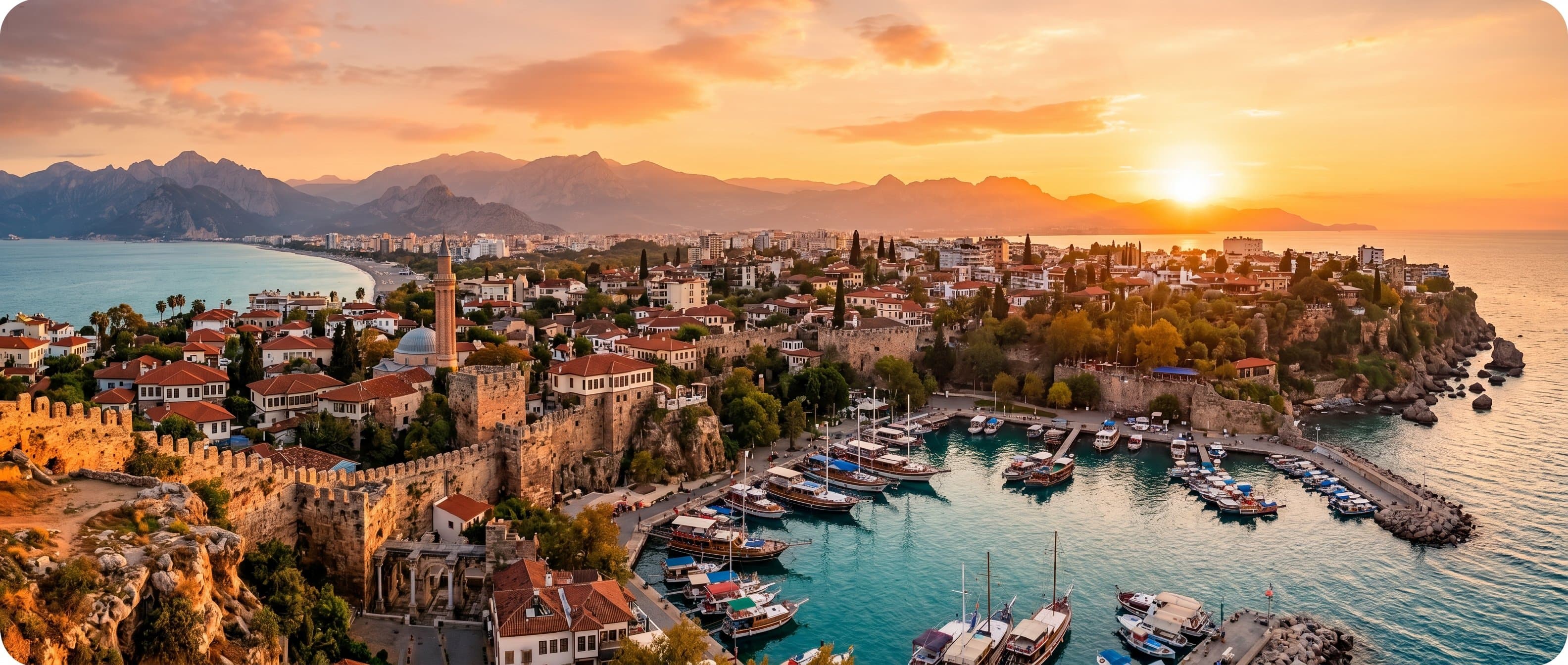
Antalya is no longer just a transit point for all-inclusive resort-goers. In 2026, it has solidified its reputation as a premier destination for the discerning backpacker and culturally curious traveller. Why should Antalya be at the top of your list right now? It offers a unique 'triple threat' that few Mediterranean cities can match: the remarkably preserved 2,000-year-old Roman ruins of Kaleiçi, the dramatic backdrop of the Taurus Mountains plunging into the sea, and a rapidly evolving digital nomad infrastructure that makes 'work-from-beach' a seamless reality. Specifically, the expansion of the 'Antalya Cultural Road' festival means the city now hosts world-class art and music events year-round, bridging the gap between its ancient past and its vibrant, modern energy.
Best Time to Visit
Choosing when to visit Antalya is a balance between heat tolerance and budget. The city enjoys over 300 days of sunshine a year.
- January: Cool and often rainy (10-15°C). Excellent for seeing ruins without crowds. Budget pricing.
- February: Similar to January, but the almond blossoms start to appear in the countryside.
- March: Spring begins. Wildflowers carpet the ancient sites. Great for hiking the Lycian Way.
- April: The 'sweet spot'. Pleasant temperatures (20°C), lower prices than summer, and the International Opera and Ballet Festival often begins its season.
- May: Sea temperatures start to become swimmable. The city is vibrant but not yet stifling.
- June: Summer arrives. Highs of 30°C. Peak season prices start to kick in.
- July: Very hot (35°C+) and humid. Best for those who love intense sun and buzzing nightlife.
- August: The peak of the heat. Crowds are at their densest. Book everything months in advance.
- September: The second 'sweet spot'. The sea is at its warmest, but the air temperature drops to a comfortable 28°C.
- October: Golden autumn. Perfect for photography and outdoor exploration. Schools go back, so prices dip.
- November: The end of the swimming season. Crisp air and clear skies. Very affordable.
- December: Winter sets in. Quiet, reflective atmosphere. Great for foodies wanting to explore the local meyhane (tavern) scene.
Recommendation: Visit in late September. You get the warmth of the summer sea with significantly fewer crowds and lower accommodation rates.
Travel Planning & Booking
Antalya Airport (AYT) is one of Turkey’s busiest hubs. For 2026, expect increased direct connections from major European cities via Turkish Airlines, Pegasus, and SunExpress. If flying from the US or Asia, you will likely transit through Istanbul (IST) or Sabiha Gökçen (SAW). For the best fares, book 4–6 months in advance using Skyscanner or Google Flights. Use Booking.com for the best selection of guesthouses in the Old Town, and GetYourGuide for booking reliable day trips to sites like Aspendos or Pamukkale.
Visa Requirements 2026
- UK Nationals: Visa-free for stays up to 90 days in any 180-day period.
- US Nationals: Visa-free for tourism stays up to 90 days (policy updated in 2024).
- EU Nationals: Visa-free for most countries (90 days).
- Indian Nationals: Typically require a visa; however, those with valid Schengen, US, or UK visas can often apply for an e-Visa online.
- UAE Nationals: e-Visa required for ordinary passport holders.
Travel Insurance
Never skip insurance in Turkey. While healthcare is excellent, private costs for tourists are high. Ensure your policy covers Adventure Activities if you plan on paragliding in Kaş or canyoning in Köprülü Canyon. We recommend World Nomads for active travellers, SafetyWing for digital nomads on a budget, and Allianz for comprehensive family coverage. Tip: Keep a digital copy of your policy and the local claims number on your phone at all times.
Packing Guide
The Mediterranean climate demands light, breathable fabrics. In 2026, sustainable linen and quick-dry gear are your best friends. Must-bring items: A high-quality power bank, reef-safe sunscreen, and a reusable water bottle (the tap water is safe for brushing teeth but bottled/filtered is preferred for drinking). Cultural Consideration: While Antalya is liberal, carry a light scarf or pashmina to cover shoulders/knees when entering mosques like the Tekeli Mehmet Paşa. Don’t over-pack: Heavy denim. It's too humid for most of the year and takes forever to dry.
Accommodation
Where you stay defines your experience:
- Kaleiçi (Old Town): For history lovers. Stay at the Puding Marina Residence—a collection of restored Ottoman mansions with a boutique feel and a courtyard pool.
- Lara: For beach and luxury. The Akra Hotel offers stunning sea views, a health-focused vibe, and 'Urban Social' service.
- Konyaaltı: For budget-conscious backpackers. The Gold Coast Hostel is a clean, social hub perfectly positioned near the beach and the local tram line.
Getting Around Locally
From AYT Airport, the AntRay Light Rail is the most efficient budget option (approx. 40 TRY), taking you to the city centre in 45 minutes. For moving within the city, the Antalyakart is essential—a rechargeable card used for buses and trams. Uber works as a mediator for yellow taxis, which is safer and ensures metered pricing. Mistake to avoid: Trying to walk everywhere in July. The humidity is deceptive; use the air-conditioned buses.
Top Tourist Attractions
- Hadrian's Gate: The ceremonial entrance to the Old Town built for the Roman Emperor in 130 AD. Open 24/7. Cost: Free. Tip: Visit at night when it's beautifully illuminated.
- Aspendos Theatre: The world's best-preserved Roman theatre. Open 08:30-19:00. Cost: ~15 EUR. Tip: Check the schedule for live performances during the summer.
- Antalya Museum: One of Turkey's largest and most impressive archaeological museums. Open 08:30-18:00. Cost: ~10 EUR. Tip: Don't miss the Hall of Gods.
- Düden Waterfalls (Lower): Where the river tumbles directly into the Mediterranean. Open 24/7 (Public Park). Cost: Free. Tip: Take a boat tour from the Old Harbour for the best view.
- Perge Ancient City: Vast ruins of a Roman city including a stadium and colonnaded street. Open 08:30-19:00. Cost: ~12 EUR. Tip: Go early in the morning to avoid the sun.
- Kaleiçi Old Harbour: A picturesque spot for a sunset drink or a boat trip. Open 24/7. Cost: Free. Tip: Bargain hard for boat tours; prices are never fixed.
Local Food & Dining
Antalya’s food scene is more than just kebabs. You must try Antalya Piyazı, a unique bean salad made with a rich tahini sauce. For a high-end experience, 7 Mehmet is a legendary institution offering elevated Turkish classics with mountain views. For mid-range, Seraser Fine Dining Restaurant in the Old Town provides an incredible atmosphere. For the best street food, head to Börekçi Tevfik, who has been hand-rolling serpme börek for decades. Dietary Note: Turkey is excellent for vegetarians, with an abundance of 'zeytinyağlı' (olive oil-based) vegetable dishes.
Safety & Emergency Contacts
Antalya is generally very safe, even for solo female travellers. However, be wary of over-friendly strangers in the Old Town offering to take you to a 'traditional bar' where prices aren't listed—this is a common scam. Local Emergency Numbers: 112 (Unified number for Police, Ambulance, and Fire). Tourist Police: +90 242 243 10 61. Hospital: Memorial Antalya Hastanesi (+90 242 314 66 66).
Useful Apps & Resources
- Antalyakart: For public transport management.
- BiTaksi: The local version of Uber, widely used and reliable.
- Sesli Sözlük: Excellent Turkish-English dictionary and translator.
- GetYourGuide: Best for booking local tours.
- Instagram: Check @antalyabb (Metropolitan Municipality) for event updates.
Closing
Antalya is a city that rewards those who look beyond the beach. It is a place where every cobblestone tells a story and every sunset feels like a celebration. Whether you are trekking the Taurus peaks or sipping tea in a hidden courtyard, Antalya in 2026 is waiting to surprise you. For more expert guides and travel inspiration, explore ainexusworld.com.