
Introduction
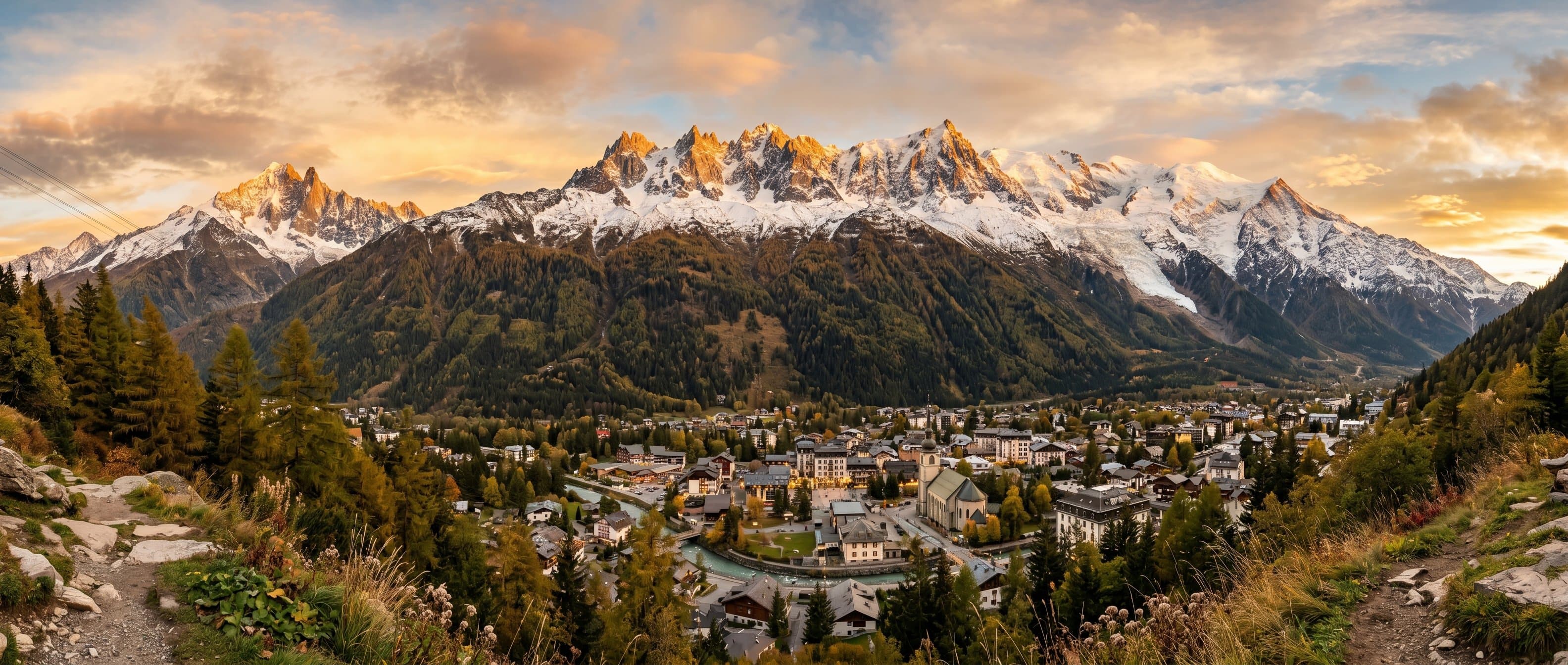
There is a singular, breathtaking moment when you first step out of the transfer van in Chamonix. You look up, and the jagged, glacially scarred mass of the Mont Blanc massif towers 3,800 metres directly above the town streets. It is an immediate, visceral reminder of nature’s scale. For the adventurous, digitally savvy backpacker in 2026, Chamonix deserves a prime spot on your itinerary not just for its storied mountaineering history, but for its evolving accessibility. While long associated with luxury chalets and elite alpinists, Chamonix has quietly cultivated a thriving, international backpacker scene. With the accelerating impacts of climate change visibly altering the Mer de Glace (Sea of Ice) year by year, there is a profound, compelling urgency to witness these alpine environments now. Furthermore, enhanced digital nomad infrastructure and off-season budget options have made the 'Death Valley of Mountaineering' surprisingly welcoming for those travelling on a shoestring.
Best Time to Visit
Chamonix essentially operates in two distinct high seasons, separated by quiet, highly affordable shoulder months. The summer peak (July to August) brings flawless hiking weather but intense crowds, capped off by the world-famous Ultra-Trail du Mont-Blanc (UTMB) in late August—a spectacular festival of ultra-running, though a nightmare for budget accommodation. The winter peak (late December to March) is legendary for powder hounds but comes with premium pricing. The Sweet Spot: September to early October. For the budget backpacker, early autumn is the undisputed champion. The frantic summer crowds have dispersed, the larch trees turn a brilliant gold, accommodation prices plummet by up to 40%, and the trails remain largely snow-free and accessible. Alternatively, late January offers the best balance of reliable snow cover and post-holiday lulls for winter visitors.
Travel Planning & Booking
Because Chamonix sits in a deep valley near the intersection of France, Switzerland, and Italy, the absolute best way to arrive is flying into Geneva Airport (GVA) in Switzerland, located just a 75-minute drive away. Airlines like EasyJet, British Airways, and Swiss International Air Lines run multiple daily routes into Geneva from hubs like London and New York. From Geneva, booking a shared mountain transfer is your best bet. Lead Times: For peak summer or winter, book accommodation 4–6 months in advance. For the September shoulder season, 6–8 weeks is sufficient. Visas (2026 Update): A critical update for 2026 is the full implementation of the ETIAS (European Travel Information and Authorisation System). UK, US, and UAE nationals travelling visa-free must now secure an ETIAS online pre-approval (£6/€7) before departure. EU citizens maintain freedom of movement. Indian nationals still require a standard Schengen Visa, which should be applied for at least two months in advance via the French consulate. Ensure your passport is valid for at least three months beyond your planned departure date from the Schengen area.
Travel Insurance
If there is one destination where you absolutely cannot skip travel insurance, it is Chamonix. This is an extreme alpine environment where a twisted ankle on a seemingly benign hiking trail can require a helicopter extraction. While the local mountain rescue service (PGHM) often performs search and rescue operations for free, the subsequent medical care, hospitalisation, and potential repatriation to your home country are decidedly not. You must look for policies that explicitly cover 'adventure activities' and 'high altitude hiking' (up to 4,000m if you plan to do the Aiguille du Midi or Vallée Blanche). Recommended providers include World Nomads (exceptional for backpackers needing robust adventure cover), SafetyWing (perfect for digital nomads staying longer term), and Global Rescue (for serious alpinists). Practical Tip: Always double-check that your policy covers 'off-piste' skiing if you are visiting in winter, as many standard winter sports packages explicitly exclude unmarked terrain.
Packing Guide
Packing for Chamonix requires mastering the art of the layering system. Mountain weather is notoriously volatile; a sunny 25°C day in the valley can equate to sub-zero temperatures and gale-force winds at the Aiguille du Midi summit just an hour later. Your checklist must include a high-quality moisture-wicking base layer, an insulating mid-layer (fleece or down), and a robust Gore-Tex waterproof/windproof shell. Culturally, the dress code in Chamonix is heavily geared towards 'mountain casual'. Even in high-end bars, you will see people in premium technical gear like Arc'teryx or Patagonia; formal wear is virtually non-existent here. Must-bring specific item: A pair of micro-spikes (like Yaktrax) if travelling in the shoulder seasons, as shaded trails retain slick ice long into May. What tourists over-pack: Bulky 'fashion' winter coats. They take up half your backpack and are useless for actual hiking or active pursuits.
Accommodation
Where you stay dictates your experience. Chamonix-Centre is the bustling heart, perfect for those without a car, packed with bars and gear shops. Les Houches is a quieter, family-friendly village just down the valley, offering cheaper rates and tree-lined skiing. Argentière sits higher up the valley, favoured by hardcore freeriders and serious hikers seeking proximity to the Grands Montets. For luxury, the historic Hotel Mont-Blanc in the centre provides Belle Époque grandeur and an outdoor heated pool facing the peaks. For a mid-range, incredibly fun stay, the RockyPop Hotel in Les Houches offers a vibrant, youthful atmosphere with retro arcade games, food trucks, and a free shuttle to the lifts. For the budget backpacker, Chamonix Lodge provides excellent hostel facilities, communal kitchens to save on food costs, and a legendary outdoor hot tub. Booking Tip: Always confirm if your accommodation provides the 'Carte d'Hôte' (Guest Card) upon check-in, as this entitles you to free travel on the local valley trains and buses.
Getting Around Locally
Getting from Geneva Airport to Chamonix is highly competitive. Shared minibuses like AlpyBus or Mountain Drop-offs are the gold standard, costing around €30-€40 and taking 75 minutes direct to your door. The Léman Express train is scenic but requires a change at St Gervais and takes much longer. Once in the valley, the Mont Blanc Express train and the Chamonix Bus network are your lifelines. Armed with your free Carte d'Hôte (provided by your accommodation), travel between Servoz and Vallorcine is entirely free. Recommended App: Download 'Chamonix Mobility' for real-time bus tracking. Common tourist mistake: Renting a car for a stay entirely based in Chamonix-Centre. Parking is notoriously expensive and scarce, and the valley’s public transport is excellent.
Top Tourist Attractions (Must-See)
Aiguille du Midi: This is a non-negotiable experience. A staggering two-stage cable car shoots you from the valley floor to 3,842 metres in just 20 minutes. You’ll get unparalleled, close-up views of Mont Blanc and can step into 'The Void', a glass box suspended over a 1,000m precipice. Mer de Glace & Montenvers Train: Take the charming vintage red cogwheel train up to France’s largest glacier. It matters profoundly in 2026 as a sobering visual metric of climate change; you must descend hundreds of steps to reach the ice cave, with markers showing where the glacier used to be. Lac Blanc: The premier day hike of the region. Located in the Aiguilles Rouges nature reserve, this pristine alpine lake offers the definitive reflection shot of the Mont Blanc massif. Tramway du Mont-Blanc: France’s highest rack railway, starting in Saint-Gervais and winding up to the Nid d'Aigle. It’s a spectacular, less-frantic alternative to the main Chamonix lifts. Parc de Merlet: A sprawling alpine wildlife park in Les Houches where marmots, ibex, and chamois roam freely without fences. Brévent Cable Car: Located on the sunny side of the valley, this lift provides the best panoramic, wide-angle view of the entire Mont Blanc range.
Local Food & Dining
Savoyard cuisine is unashamedly rich, historically designed to fuel farmers through brutal alpine winters. You must try Tartiflette (potatoes layered with reblochon cheese, lardons, and onions), Fondue Savoyarde (melted regional cheeses with crusty bread), and Diots au vin blanc (local sausages cooked in white wine). For a high-end splurge, reserve a table at Restaurant Albert 1er, boasting a Michelin star and an exquisite modern take on regional ingredients. For a phenomenal mid-range dinner, head to La Calèche in the centre of town, which is practically a museum of Savoyard artefacts and serves legendary cheese dishes. For the budget backpacker, Poco Loco is a Chamonix institution—a tiny, chaotic hole-in-the-wall serving enormous, life-saving burgers and crêpes. Dietary Note: Traditional French mountain food is exceptionally meat-and-cheese heavy. Vegans will struggle in traditional auberges but will find modern, plant-based options in the town centre at cafes like Hibou Deli.
Safety & Emergency Contacts
Chamonix is generally very safe regarding violent crime, but the true danger lies in the environment. The weather can change from clear skies to a whiteout blizzard in 30 minutes. Altitude sickness is a real risk if ascending the Aiguille du Midi rapidly. Never stray onto glaciers without a guide and proper crevasse rescue gear. In town, watch out for late-night petty theft near busy bars. The most critical number to know is 112 (European Emergency), but for mountain emergencies, directly call the PGHM (High Mountain Gendarmerie) on +33 4 50 53 16 89. General Police: 17. Ambulance/SAMU: 15. Fire: 18. The nearest major facility is the Hôpital de Chamonix (509 Route des Pèlerins). If you require specific consular assistance, the embassies are located in Paris: UK (+33 1 44 51 31 00), US (+33 1 43 12 22 22), India (+33 1 40 50 70 70).
Useful Apps & Resources
To navigate Chamonix like a local, your smartphone needs a few additions. FATMAP is essential; it offers high-resolution 3D maps of summer trails and winter off-piste routes. Météo France (specifically checking the mountain forecast tab) is much more accurate for alpine conditions than generic weather apps. Chamonix, l'Appli officielle provides real-time lift statuses, webcam feeds, and bus times. SNCF Connect is vital for booking trains further afield in France, and The Fork can secure you off-peak dining discounts at local restaurants. For official planning, always cross-reference conditions with chamonix.com.
Closing
Chamonix is not merely a destination; it is a rite of passage for anyone who feels the magnetic pull of the mountains. Whether you are splitting the cost of a Tartiflette in a cosy hostel, or standing breathless at 3,800 metres looking across the icy roof of Europe, this valley delivers an intensity of experience that few places on earth can match. Pack your sturdiest boots, prepare for the altitude, and embrace the raw, untamed spirit of the French Alps. For more expert, on-the-ground travel guides and digital nomad hacks, continue exploring at travelnexusworld.com.
FAQ
Is Chamonix safe for tourists? Yes, the town is exceptionally safe. The primary risks are environmental—altitude sickness, extreme weather, and mountain accidents. Always check forecasts and never exceed your alpine experience level.
What is the best time to visit Chamonix? For budget backpackers and hikers, September to early October offers the best balance of clear weather, accessible trails, and significantly lower accommodation costs.
How many days do I need in Chamonix? You need an absolute minimum of 3 full days to see the main sights (Aiguille du Midi, Mer de Glace) and do a day hike, but 5-7 days is ideal to factor in bad weather days when lifts might close.
Do I need a visa to visit Chamonix? It depends on your nationality. For 2026, UK, US, and UAE citizens require an ETIAS pre-authorisation. Indian citizens require a Schengen visa. EU citizens have freedom of movement.
What is the local currency and can I use credit cards? The currency is the Euro (€). Chamonix is highly modernised; you can use credit/debit cards (especially contactless) for almost everything, including purchasing lift passes and buying drinks at mountain refuges.