
The Ultimate Loire Valley Travel Guide 2026: Everything You Need to Know
Introduction
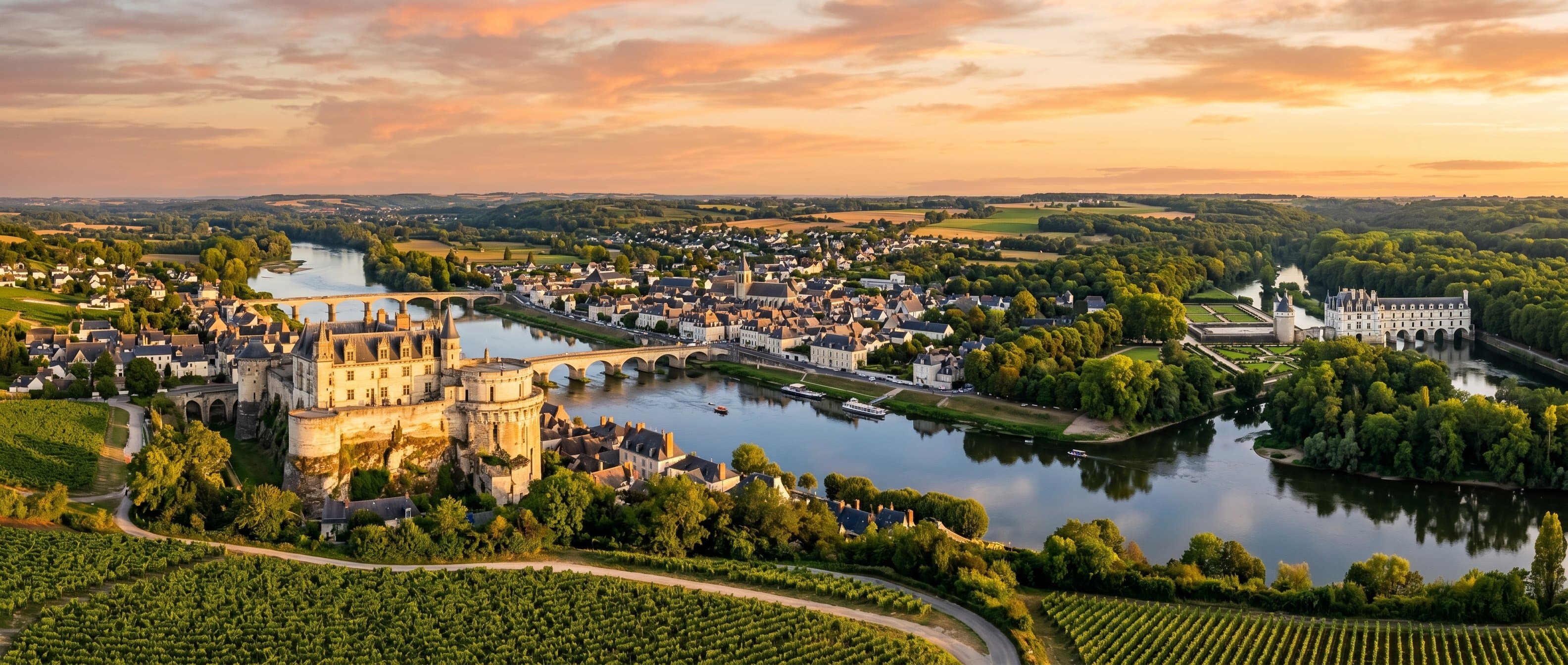
Known as the 'Garden of France', the Loire Valley is a UNESCO World Heritage site stretching over 280 kilometres, woven together by the magnificent Loire River. For the digitally savvy, internationally minded backpacker aged 28 to 55, this region represents the epitome of European slow travel. While Paris dazzles with its metropolitan frenzy, the Loire Valley invites you to step into a Renaissance painting, offering a masterclass in French art de vivre. Why does it deserve a place on your 2026 itinerary right now? Because the region has recently completed a massive upgrade to its 'La Loire à Vélo' cycling network, making it arguably the most accessible, eco-friendly, and budget-conscious cultural destination in Western Europe. You can traverse ancient vineyards, explore royal castles, and taste world-class Vouvray wines without the carbon footprint or the extortionate costs of hiring a private car.
Best Time to Visit
The Loire Valley is highly seasonal, with the experience shifting dramatically between the frosty, silent winters and the sun-drenched, bustling summers. Spring (April to June) and Autumn (September to October) offer the most rewarding experiences. Spring brings the spectacular blooming of the formal gardens at Château de Villandry, though April showers are common. Summer (July and August) is undeniably beautiful but sees the highest concentration of domestic and international tourists, alongside peak accommodation pricing. The 2026 Sweet Spot: September. Visiting in September allows you to experience the 'vendanges' (grape harvest), enjoy temperatures hovering around a pleasant 22°C, and explore the châteaux without the suffocating summer queues. Plus, shoulder-season pricing means your backpacking budget stretches significantly further.
Travel Planning & Booking
Accessing the Loire Valley is remarkably straightforward. International travellers typically fly into Paris Charles de Gaulle (CDG) or Paris Orly (ORY), before taking a direct TGV (high-speed train) to Tours or Saint-Pierre-des-Corps, which takes just under an hour. Alternatively, budget airlines like Ryanair operate direct flights from London Stansted to Tours Val de Loire Airport (TUF). Booking lead times are critical: TGV tickets open 4 months in advance on SNCF Connect, and booking early can secure fares as low as €15, whereas on-the-day tickets can soar past €60. Accommodation should be booked 3–4 months ahead for summer visits. For 2026, the new ETIAS (European Travel Information and Authorisation System) is mandatory for visa-exempt nationals (including UK, US, and UAE citizens), costing €7 and valid for three years. Indian nationals require a standard Schengen Visa applied for via VFS Global, while EU citizens enjoy unrestricted movement. Ensure your passport is valid for at least three months beyond your intended departure date.
Travel Insurance
Travel insurance is non-negotiable for the Loire Valley, primarily due to the region's main draw: active travel. Whether you are cycling the 900km 'La Loire à Vélo' route, canoeing under the arches of Château de Chenonceau, or simply navigating cobbled medieval streets, injuries happen. Furthermore, French healthcare, while excellent, is private and expensive for non-EU residents. You must ensure your policy specifically covers 'active holidays' or cycling, as standard baseline policies often exclude two-wheeled transit. Look for comprehensive cover that includes at least €2 million in medical expenses, repatriation, and trip cancellation (essential given recent European rail strike trends). Practical tip: Always carry a digital and physical copy of your insurance certificate; French clinics will ask for this immediately upon registration.
Packing Guide
The Loire Valley climate is temperate but highly changeable. The secret is modular layering. Bring breathable base layers, a lightweight merino wool jumper, and a highly reliable packable waterproof jacket—even in July, unexpected rain showers sweep across the river valley. For the culturally conscious, remember that while France is secular, visiting historic religious sites like the Cathédrale Saint-Gatien requires modest dress (covered shoulders and knees). Your absolute must-bring item is a pair of padded cycling shorts to wear under regular trousers; they will save you a world of pain on rented bicycles. What tourists over-pack: Formal evening wear. Unless you are dining at a Michelin-starred château, smart-casual (a clean shirt and tidy jeans or a casual dress) is perfectly acceptable in 90% of local bistros.
Accommodation
To maximise your time, base yourself in a strategic hub. Tours is the best all-rounder, offering superb rail connections, vibrant nightlife, and a bustling student population. Amboise offers a more romantic, village-like atmosphere nestled right on the river, perfect for couples. Blois is excellent for those focusing on the eastern châteaux like Chambord. Book well in advance using platforms like Booking.com for flexible cancellation policies, or Hostelworld for budget beds in Tours. Booking tip: If visiting in summer, ensure your accommodation explicitly states they have air conditioning ('climatisation'), as many historic French buildings do not, and August heatwaves can be fierce.
Getting Around Locally
The Loire Valley is a masterclass in public transit if you know how to use it. From Tours Val de Loire Airport, the Fil Bleu tramway takes you to the city centre in 25 minutes for just €1.60. Getting between towns is best done via the TER (regional train) network or the Rémi bus service, which connects major châteaux that lack train stations (like Chambord). However, the absolute best local transport mode is the bicycle. The terrain is largely flat, and dedicated cycle paths connect the major sites. One common tourist mistake: Relying entirely on Sunday public transport. Rural bus services (and many trains) run on severely reduced schedules on Sundays, leaving unprepared travellers stranded at remote châteaux. Always check the SNCF Connect app.
Top Tourist Attractions (Must-See)
1. Château de Chambord: The largest and most majestic château, famous for its double-helix staircase designed by Leonardo da Vinci. It matters because it's the pinnacle of French Renaissance architecture. Hours: 9:00 AM - 6:00 PM. Cost: €16. Best time: 9:00 AM sharp to beat the Paris day-tripper coaches. Tip: Rent a boat on the canal for the best unobstructed photo of the façade.
2. Château de Chenonceau: The 'Ladies' Château', gracefully spanning the River Cher. It is arguably the most beautiful and historically rich, shaped by Catherine de' Medici. Hours: 9:30 AM - 5:00 PM. Cost: €15.50. Best time: Late afternoon. Tip: The on-site maze is often skipped by tourists but offers a peaceful retreat.
3. Royal Château of Amboise: The royal residence of Charles VIII and François I, offering sweeping views of the Loire. Hours: 9:00 AM - 5:30 PM. Cost: €15. Best time: Mid-morning. Tip: Visit the Chapel of Saint-Hubert in the grounds; it is the final resting place of Leonardo da Vinci.
4. Château de Villandry: Renowned globally for its immaculate, geometric Renaissance gardens. Hours: 9:00 AM - 5:00 PM (gardens open later). Cost: €13 (Château + Gardens). Best time: Spring mornings. Tip: Climb the belvedere at the back of the property for the ultimate panoramic shot of the gardens.
5. Clos Lucé: The final home of Leonardo da Vinci, now a museum featuring working models of his inventions. Hours: 9:00 AM - 6:00 PM. Cost: €18. Best time: Afternoon, after visiting Amboise. Tip: The park grounds have life-sized da Vinci machines you can actually interact with.
6. Château d'Azay-le-Rideau: Built on an island in the Indre River, it perfectly reflects in the water. Hours: 9:30 AM - 5:30 PM. Cost: €11.50. Best time: Golden hour (sunset). Tip: Walk the English-style landscape park to see the reflective waters at their calmest.
Local Food & Dining
Loire Valley cuisine is rustic, hearty, and deeply connected to its agricultural roots. You must try Rillettes de Tours (a slow-cooked pork spread served on crusty bread), Fouaces (wood-fired pita-like bread stuffed with regional delicacies), Sainte-Maure-de-Touraine (an ash-coated goat's cheese log), and of course, Tarte Tatin (upside-down caramelised apple tart). Pair these with local Vouvray or Chinon wines. Dietary note: Traditional French regional cooking relies heavily on butter, meat, and dairy. Vegans will need to plan ahead and use apps like HappyCow, though vegetarianism is now widely accommodated in Tours and larger towns.
Safety & Emergency Contacts
The Loire Valley is very safe, with low crime rates compared to major European capitals. The primary concerns for travellers are bicycle theft and opportunistic pickpockets operating around Tours railway station and crowded château entrances. When cycling, always use a heavy-duty D-lock, even for quick stops. Be aware of the 'European heatwave' phenomenon in July and August; stay hydrated and wear sun protection, as the château courtyards offer little shade. In an emergency, dial 112 for the European general emergency line, which guarantees an English-speaking operator.
Useful Apps & Resources
To navigate the Loire Valley like a local, download SNCF Connect for all train tickets. Geovelo is essential; it's the best cycling app for France, mapping out the safest, most scenic bike paths. Fil Bleu handles all public transport within Tours. TheFork (LaFourchette) is crucial for securing restaurant reservations and finding backpacker-friendly dining discounts. Finally, Google Translate (with the French language pack downloaded offline) will bridge any communication gaps in rural villages. For official tourist information, visit touraineloirevalley.com.
Closing
The Loire Valley offers a rare combination of accessible grandeur and grounded, slow-paced living. Whether you are sipping Chenin Blanc in a centuries-old cave, pedalling past sunflowers toward a royal palace, or sharing rillettes with locals in a bustling market, the memories forged here are timeless. Pack your bags, prep your bicycle legs, and immerse yourself in the undeniable magic of the Garden of France. For more budget-savvy itineraries and digital nomad guides, explore further at travelnexusworld.com.
FAQ
Is Loire Valley safe for tourists? Yes, it is incredibly safe. Violent crime is extremely rare. Your main precautions should be locking bicycles securely and watching for pickpockets at major transit hubs like Tours station.
What is the best time to visit Loire Valley? September is the optimal month. You benefit from pleasant weather, the excitement of the grape harvest, fewer crowds than July/August, and shoulder-season pricing.
How many days do I need in Loire Valley? A minimum of 4 to 5 days is recommended to comfortably see 3-4 major châteaux, enjoy a cycling day, and experience the local gastronomy without rushing.
Do I need a visa to visit Loire Valley? As of 2026, UK, US, and UAE nationals require an ETIAS authorisation (€7). Indian nationals require a standard Schengen Visa. EU citizens have freedom of movement.
What is the local currency and can I use credit cards? The currency is the Euro (€). Credit cards (Visa/Mastercard) are accepted almost everywhere, including contactless payments ('sans contact') at bakeries, but carry €20-30 in cash for small rural markets.