
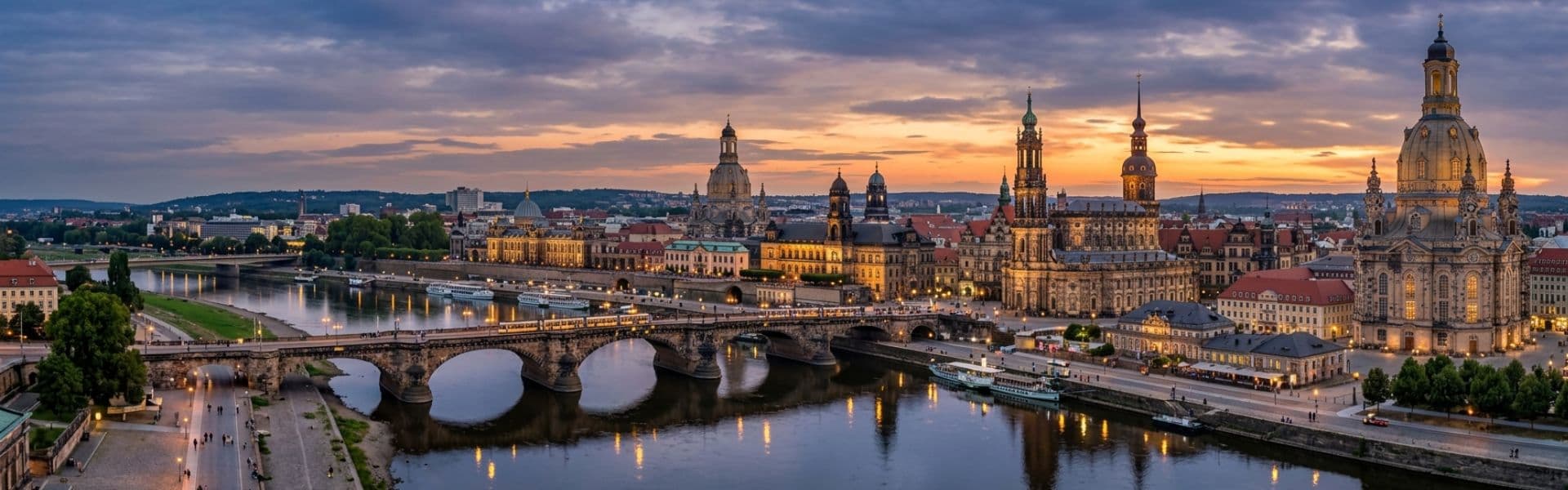
The Ultimate Dresden Travel Guide 2026: Everything You Need to Know
Dresden is a city that shouldn’t exist as it does today. Almost entirely levelled in 1945, it has undergone one of the most ambitious reconstructions in human history. In 2026, it stands as a testament to resilience, blending the opulence of the Saxon monarchs with the gritty, artistic energy of a modern German hub. Why visit now? Because Dresden has finally found its balance; the historic Altstadt is polished to perfection, while the Äußere Neustadt has evolved into one of Europe’s most authentic alternative districts, free from the hyper-gentrification seen in Berlin. Whether you’re here for the world-class galleries or the craft beer in a graffiti-covered courtyard, Dresden offers a depth of experience that rewards the curious traveller.
Best Time to Visit
Dresden is a seasonal chameleon, offering distinct experiences throughout the year. For the budget-savvy backpacker, the 'sweet spot' is late May to early June—the weather is warm enough for Elbe-side beer gardens, but you avoid the peak summer school holiday prices.
- January: Cold (0-4°C). The city is quiet post-Christmas. Pricing is at its lowest. Best for museum-hopping.
- February: Chilly and often grey. Great for the Semperoper season without the crowds.
- March: Early spring (5-10°C). Parks begin to bloom. Moderate pricing.
- April: Unpredictable weather ('Aprilwetter'). Some rain, but fewer tourists at the Zwinger.
- May: Warm and pleasant (15-20°C). The Dixieland Festival brings jazz to the streets. High demand.
- June: Sunny and vibrant (20-25°C). BRN (Bunte Republik Neustadt) festival in mid-June is a must-see for backpackers.
- July: Peak summer (25-30°C). 'Filmnächte am Elbufer' (open-air cinema) starts. Expensive.
- August: Hot and crowded. The city festival (Stadtfest) in late August is a highlight.
- September: Golden autumn (18-22°C). Perfect for hiking in Saxon Switzerland nearby.
- October: Crisp air and autumn foliage. Prices begin to dip.
- November: Cold and damp (5-8°C). A lull before the Christmas madness. Budget-friendly.
- December: Cold but magical. Home to the Striezelmarkt, Germany’s oldest Christmas market. Prices soar; book months ahead.
Travel Planning & Booking
For 2026, air travel remains the primary entry point, though the Deutsche Bahn (DB) rail network is the preferred choice for those coming from Berlin or Prague. Lufthansa and Eurowings offer frequent connections from major European hubs. For those coming from London, a direct flight to Berlin followed by a 2-hour train is often cheaper than flying directly into Dresden (DRS). Skyscanner is your best tool for price comparisons, while DB Navigator is essential for real-time rail bookings. Booking lead times: Aim for 3 months for flights and 2 months for accommodation (6 months for December visits).
Visa Requirements for 2026
- UK & US Nationals: Require an ETIAS (European Travel Information and Authorisation System) for stays up to 90 days.
- EU Nationals: Freedom of movement; no visa required.
- India: Standard Schengen Visa (C-Type) required via VFS Global.
- UAE: Visa-free for up to 90 days for tourism.
Travel Insurance
Never skip insurance. For Dresden, ensure your policy covers theft (while the city is safe, pickpockets operate in crowded markets) and medical emergencies. If you plan to hike the Bastei Bridge in Saxon Switzerland, ensure 'active sports' are included. Recommended providers: World Nomads (flexible for backpackers), SafetyWing (best for digital nomads), and Allianz Travel (reliable medical coverage). Tip: Keep a digital copy of your policy on your phone and a printed copy in your daypack.
Packing Guide
Dresdeners dress practically. In summer, light linens are fine, but always pack a waterproof shell. In winter, a heavy wool coat, thermal layers, and gripped boots are non-negotiable for the icy cobblestones. Cultural note: While casual is fine, if you attend a performance at the Semperoper, 'smart casual' (no trainers/shorts) is the minimum expected. One item tourists over-pack: Formal evening wear. Unless you have front-row opera tickets, a dark pair of jeans and a nice shirt/blouse will suffice anywhere.
Accommodation
Dresden is split by the Elbe. Stay in the Altstadt for history, or the Neustadt for vibes.
- Luxury: Hotel Taschenbergpalais Kempinski (€250+). A restored palace where you can live like Augustus the Strong.
- Mid-Range: Motel One Dresden-Palaisplatz (€95-120). Exceptional value, stylish interiors, and perfectly positioned between the two main districts.
- Budget/Backpacker: Lollis Homestay (€25-40). A legendary hostel in the heart of the Neustadt with free bike hire and a truly communal atmosphere.
Getting Around
The S-Bahn S2 line connects Dresden Airport to the city centre in 21 minutes, costing roughly €3.00. Within the city, the DVB (Dresdner Verkehrsbetriebe) tram network is world-class. A 'Day Ticket' (Tageskarte) for roughly €8.50 is the best value for explorers. Avoid taxis for short trips; the city is remarkably walkable. Download the DVB mobil app for live schedules and mobile tickets.
Top Tourist Attractions
- Frauenkirche: The symbol of Dresden's rebirth. Entry is free for prayer, but the Dome Climb (€12) offers the best city views. (Open 10:00-18:00).
- The Zwinger: A Baroque palatial complex. The courtyard is free to roam. The Old Masters Picture Gallery (€14) houses Raphael’s Sistine Madonna.
- The Green Vault (Grünes Gewölbe): Europe’s richest treasure chamber. You must book the 'Historic' section weeks in advance. Cost: €14.
- Semperoper: One of the world's most beautiful opera houses. Take a guided tour (€13) if you can’t catch a show.
- Pfunds Molkerei: Dubbed the 'most beautiful dairy shop in the world.' It’s free to enter, but buy some local cheese or milk to support them.
- The Procession of Princes (Fürstenzug): A 102-metre porcelain mural. Free, outdoors, and stunning at night when illuminated.
Local Food & Dining
Saxon cuisine is hearty. Must-tries include Sächsischer Sauerbraten (pot roast) and Eierschecke (a three-layered cheesecake). For high-end dining, Genuss-Atelier offers a Michelin-starred take on local ingredients. For mid-range, Watzke am Goldenen Reiter provides house-brewed beer and river views. For street food, head to Dürüm Kebab Haus in Neustadt for a 'Handbrot' (cheese-stuffed bread), a local festival staple.
Safety & Emergency Contacts
Dresden is very safe, though the area around the Hauptbahnhof (Main Station) can feel slightly 'edgy' late at night. Local Numbers: Police (110), Fire/Ambulance (112). Nearest Hospital: Universitätsklinikum Carl Gustav Carus, Fetscherstraße 74. Embassies (all in Berlin, ~2hrs away): UK (+49 30 204570), US (+49 30 83050), India (+49 30 257950).
Useful Apps
- DVB mobil: Public transport tickets and routing.
- Google Maps: Reliable for walking directions.
- DeepL: Better than Google for German nuances.
- Komoot: Essential if you are hiking in Saxon Switzerland.
- Bolt: For affordable ride-sharing when trams stop.
Dresden is a city that rewards those who look past the surface. From its Baroque spires to its socialist-era murals and its thriving vegan-punk scene in the Neustadt, it is a microcosm of Germany’s complex history. Plan your trip for 2026 and witness a city that has truly mastered the art of the comeback. Explore more expert guides at ainexusworld.com.