
Introduction
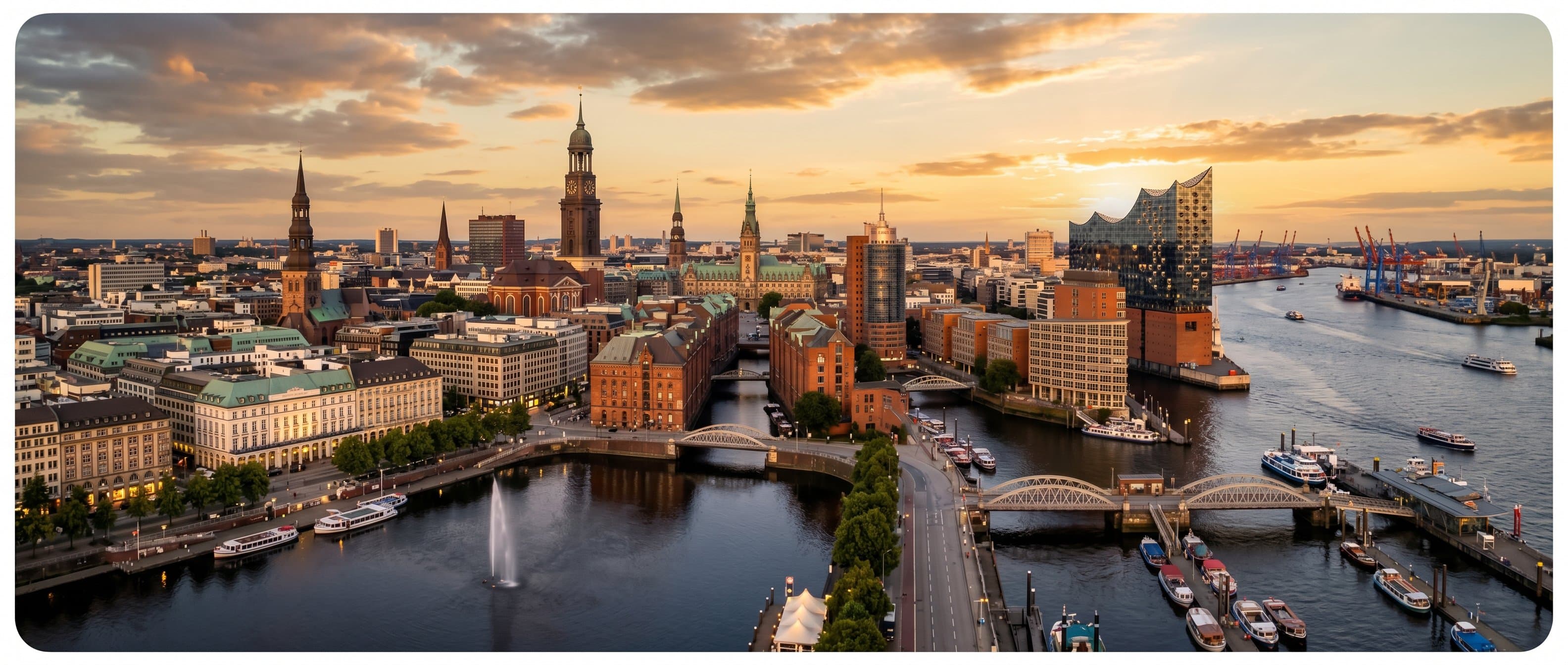
Forget what you thought you knew about Germany's second-largest city. Hamburg, a dynamic port metropolis, is shaking off its industrial past to emerge as a powerhouse of culture, innovation, and electrifying nightlife, all while remaining surprisingly accessible for the budget-conscious traveller. What makes Hamburg so compelling right now? Its unparalleled transformation of the historic Speicherstadt and HafenCity districts, culminating in the architectural marvel that is the Elbphilharmonie. This city is a living, breathing testament to reinvention, where historic canals meet futuristic skyscrapers, and traditional taverns rub shoulders with avant-garde art spaces. It's an urban explorer's dream, a place where every corner promises a new discovery without breaking the bank.
Best Time to Visit
Hamburg offers something unique in every season, but hitting that sweet spot involves weighing weather, crowds, and cost.
- January: Cold (average 1-5°C), often grey with potential for snow. Low crowds, budget pricing. Perfect for cosy indoor activities and fewer queues at museums.
- February: Similar to January (average 1-6°C), still chilly. Low crowds, budget pricing. Enjoy Hamburg's coffee scene or the Miniatur Wunderland without the rush.
- March: Milder (average 3-9°C), signs of spring. Moderate crowds begin, pricing slightly increases but still reasonable. Ideal for city walks as days lengthen.
- April: Pleasant (average 6-13°C), cherry blossoms start to bloom. Moderate crowds, mid-range pricing. Witness the Alster Lake come alive with early boating.
- May: Warm and sunny (average 9-17°C). Crowds grow, prices rise. The 'Hafengeburtstag' (Port Anniversary) is a major event, drawing huge crowds and increasing costs significantly.
- June: Warm and often sunny (average 12-20°C). High crowds, peak pricing. Long daylight hours, perfect for outdoor festivals and exploring parks.
- July: Peak summer (average 14-22°C), can be hot. Very high crowds, peak pricing. Enjoy the open-air events and lakeside activities.
- August: Warm (average 14-22°C), pleasant for outdoor dining. Very high crowds, peak pricing. Many locals are on holiday, but tourists abound.
- September: Mild and crisp (average 11-18°C), beautiful autumn colours. Crowds start to thin, prices slightly decrease. Often considered a 'sweet spot' for comfortable exploration.
- October: Cools down (average 7-13°C), autumnal atmosphere. Moderate crowds, mid-range pricing. Good for museum visits and enjoying seasonal German cuisine.
- November: Chilly (average 4-9°C), increasing chance of rain. Low crowds, budget pricing. Pre-Christmas markets may begin late in the month.
- December: Cold (average 2-7°C), festive atmosphere. Moderate crowds for Christmas markets, pricing increases around these dates. Enjoy Glühwein and festive lights.
Sweet Spot Recommendation: Early September. The weather is generally mild and pleasant, summer crowds have begun to disperse, and accommodation/flight prices are slightly lower than peak season, offering a fantastic balance for exploration.
Travel Planning & Booking
Getting to Hamburg is straightforward, especially from major international hubs.
Best Flight Routes and Airlines:
- From London (LHR/LGW/STN) to Hamburg (HAM): British Airways, easyJet, Ryanair, Eurowings. Direct flights, typically 1.5-2 hours.
- From New York (JFK/EWR) to Hamburg (HAM): United, Delta, Lufthansa (usually with one stop in a major European hub like Frankfurt or Amsterdam). Flights range from 8-12 hours including layover.
- From Mumbai (BOM) to Hamburg (HAM): Lufthansa, Turkish Airlines, Emirates (with one stop). Flights typically 10-15 hours including layover.
Booking Lead Times: For the best deals, particularly during peak season (May-August) or major events like Hafengeburtstag, aim to book flights and accommodation 4-6 months in advance. Off-peak travel can afford bookings 2-3 months out. Flexibility with dates can significantly impact pricing.
Top 3 Booking Platforms:
- Skyscanner: Ideal for comparing flight prices across countless airlines and finding the cheapest dates across a month. Their 'Everywhere' search is brilliant for inspiration.
- Booking.com: Your go-to for a vast selection of hotels, hostels, and apartments. Excellent filtering options for budget, neighbourhood, and amenities, plus a robust review system.
- Hostelworld: Specifically designed for backpackers, offering the largest selection of hostels with detailed descriptions, community ratings, and dorm/private room options.
Visa Requirements for 2025/2026 (Schengen Area):
- UK Nationals: Visa-free for short stays (up to 90 days within any 180-day period). From mid-2025, you'll need to apply for an ETIAS (European Travel Information and Authorisation System) authorisation online before travel.
- US Nationals: Visa-free for short stays (up to 90 days within any 180-day period). From mid-2025, an ETIAS authorisation will be required.
- EU Nationals: Visa-free travel, as Germany is part of the Schengen Area. No ETIAS required.
- Indian Nationals: A Schengen visa is required. Apply at the German Embassy or Consulate in India. Requirements include a valid passport, visa application form, travel insurance, proof of accommodation, flight itinerary, and proof of sufficient funds. Processing times vary, so apply well in advance (at least 3-4 months).
- UAE Nationals: Visa-free for short stays (up to 90 days within any 180-day period). From mid-2025, an ETIAS authorisation will be required.
Entry Documentation Checklist:
- Valid passport (valid for at least 3 months beyond your intended departure from the Schengen Area, issued within the last 10 years).
- Valid visa or ETIAS authorisation (if applicable).
- Proof of onward or return travel.
- Proof of accommodation (hotel bookings).
- Proof of sufficient funds for your stay (e.g., bank statements, credit card).
- Travel insurance policy (mandatory for Schengen visa applicants, highly recommended for all).
Travel Insurance
Even for a city break in a safe country like Germany, travel insurance isn't just a recommendation – it's a sensible necessity, especially for the active, internationally-minded backpacker. Hamburg offers plenty of opportunities for cycling, water sports on the Alster, and late-night revelry on the Reeperbahn, all of which carry inherent, albeit small, risks. Unexpected medical emergencies, trip cancellations due to unforeseen circumstances, or lost luggage can turn an exciting adventure into a costly headache without adequate cover.
Cover to Look For:
- Medical Emergencies: Crucial for covering doctor visits, hospital stays, and emergency repatriation. Germany has excellent healthcare, but it's expensive without insurance.
- Trip Cancellation/Interruption: Protects your pre-booked flights and accommodation if you have to cancel or cut short your trip due to illness, family emergency, or other covered reasons.
- Baggage & Personal Belongings: Covers loss, theft, or damage to your luggage, passport, and valuables.
- Adventure Activities: If you plan on any specific activities like cycling tours or kayaking, ensure your policy covers these.
3 Recommended Providers:
- World Nomads: Widely regarded as the best for backpackers and adventure travellers. Their policies are flexible, you can buy/extend them on the road, and they cover a wide range of adventure activities.
- SafetyWing: Tailored for digital nomads and long-term travellers, offering an affordable monthly subscription model. Great for those planning extended stays or multiple trips.
- Allianz Travel Insurance: A well-established provider offering comprehensive packages with robust medical and emergency assistance, suitable for those seeking broad coverage and peace of mind.
Practical Tip: Always carry a digital copy of your insurance policy (and key contact numbers) on your phone and email it to a trusted contact back home. In an emergency, every second counts.
Packing Guide
Hamburg's weather can be notoriously fickle, with maritime influences bringing sudden changes. Layering is key!
Climate-Specific Clothing Checklist:
- Year-Round Essentials: Comfortable walking shoes (you'll do a lot of walking!), a versatile waterproof and windproof jacket, several layers (t-shirts, long-sleeve tops, jumpers/sweaters).
- Spring/Autumn (March-May, Sep-Nov): Light to medium jackets, scarves, sturdy closed-toe shoes. Layering is crucial as mornings can be chilly and afternoons mild.
- Summer (June-August): Lighter clothing (shorts, dresses, t-shirts), but always pack a light jacket or cardigan for cooler evenings. Sunglasses and sunscreen are a must.
- Winter (Dec-Feb): Warm, waterproof winter coat, thermal layers, hats, gloves, and scarves. Waterproof boots are highly recommended due to potential snow or slush.
Cultural Dress Considerations: Generally, Hamburg is a modern, liberal city with no strict dress codes for tourists. However, if visiting religious sites (e.g., St. Michael's Church), it's respectful to have shoulders and knees covered, so a light scarf for women is always a good idea.
Must-Bring Items Specific to Hamburg:
- A portable power bank for your phone – you'll be navigating, taking photos, and checking public transport schedules constantly.
- A reusable water bottle – tap water is safe and delicious, helping you save money and reduce plastic waste.
- A small, foldable umbrella – quick showers are common, even in summer.
- An EU power adapter (Type F socket).
- Comfortable walking shoes – the best way to explore Hamburg is on foot.
One Item Tourists Over-Pack: Formal wear. Unless you plan on a very specific high-end dining experience or attending the opera, Hamburg's vibe is smart-casual. Leave the multiple dressy outfits at home.
Accommodation
Hamburg offers a diverse range of accommodation, from charming guesthouses to modern hostels, catering well to the budget backpacker.
3 Best Neighbourhoods to Stay:
- St. Georg: Located east of the main train station (Hauptbahnhof), St. Georg is vibrant, multicultural, and boasts a lively gay scene. It's incredibly well-connected by public transport and offers numerous affordable hostels and hotels, alongside indie cafes and shops. Type: Budget-friendly, well-connected, lively.
- Sternschanze (Schanzenviertel): Known for its bohemian atmosphere, independent boutiques, street art, and buzzing nightlife. This area is packed with cool bars, eateries, and unique hostels. It's a bit further out from the absolute centre but easily accessible and offers a more alternative, local vibe. Type: Alternative, nightlife, culture.
- St. Pauli: Home to the infamous Reeperbahn, this district is full of character, albeit grittier. Beyond the red-light district, you'll find live music venues, theatres, and historic boxing gyms. Excellent for those wanting to experience Hamburg's edgier side and party scene, with plenty of budget hostels. Type: Nightlife, edgy, cultural.
Real, Named Properties:
- Luxury Pick: The Fontenay. Price: €350-600+ per night. Location: Fontenay 10, Rotherbaum. Description: A stunning, modern five-star hotel by the Alster Lake, known for its unique architecture, rooftop pool, and impeccable service. Amenities: Rooftop pool, spa, fine dining restaurant, lake views.
- Mid-Range Pick: Motel One Hamburg-Alster. Price: €90-140 per night. Location: Steindamm 104, St. Georg. Description: A stylish and modern hotel offering comfortable rooms with excellent design at a reasonable price. Known for its lounge bar and proximity to the main station. Amenities: Bar, modern rooms, central location.
- Boutique/Unique Pick (Budget/Hostel): Superbude Hostel St. Pauli. Price: €30-60 per night (dorm), €80-120 (private room). Location: Juliusstrasse 1-7, St. Pauli. Description: A famously quirky and design-conscious hostel that feels more like a boutique hotel. Offers dorms and private rooms, a vibrant common area, and bike rentals. Amenities: Free Wi-Fi, shared kitchen, bar, bike rental, unique design.
Booking Tip: Always check if breakfast is included in your hostel or hotel rate. Often, adding it can be more expensive than grabbing a coffee and pastry from a local bakery, which is also a more authentic experience.
Getting Around Locally
Hamburg boasts an excellent, integrated public transportation system, making it easy and efficient to navigate.
Airport to City Centre (Hamburg Airport – HAM to Hauptbahnhof):
- S-Bahn (Suburban Train) S1: Cost: €3.60 (single adult ticket). Time: Approximately 25 minutes. Description: This is the fastest and most convenient public transport option. The S-Bahn station is directly beneath the terminal. Trains run every 10 minutes.
- Taxi: Cost: €30-40. Time: Approximately 30-45 minutes (depending on traffic). Description: Door-to-door service, convenient for those with heavy luggage or travelling in a group.
- Uber/Free Now (formerly MyTaxi): Cost: €25-35. Time: Approximately 30-45 minutes. Description: App-based ride-hailing services are readily available and often slightly cheaper than traditional taxis. Download the app before arrival.
Best Local Transport Modes:
- U-Bahn (Underground) and S-Bahn (Suburban Train): These form the backbone of Hamburg's public transport, connecting all major attractions and neighbourhoods. They are efficient, clean, and run frequently. A single fare is typically €3.60, a day ticket (9 AM onwards, or full day) is around €8.60, and a weekly pass is €31.60.
- Bus: An extensive bus network complements the rail system, reaching areas not served by trains. Use them for shorter distances or scenic routes.
- Ferry (Hadag Ferries): Part of the HVV public transport system, these ferries are a fantastic way to see the harbour and are covered by standard HVV tickets. Route 62 from Landungsbrücken offers great views of the Elbphilharmonie and the Container Terminal.
Recommended Apps:
- HVV App: Essential for planning journeys, checking real-time schedules, and buying digital tickets for all public transport (U-Bahn, S-Bahn, buses, ferries).
- Google Maps: Excellent for walking directions and integrating public transport routes.
- Free Now: For booking taxis or ride-hailing services if public transport isn't an option.
One Common Tourist Mistake: Not validating tickets. If you buy a paper ticket from a machine, you must stamp it in one of the small red or yellow machines on platforms or buses before starting your journey. Otherwise, it's considered invalid, and you risk a hefty fine (€60).
Top Tourist Attractions (Must-See)
Hamburg’s allure lies in its blend of historic charm and modern marvels. Here are some unmissable sights:
Miniatur Wunderland
Why it matters: The world's largest model railway exhibition is more than just trains; it's an incredibly detailed miniature world showcasing Germany, Scandinavia, the USA, and a fully operational airport. It's astonishingly intricate and captivating for all ages.
Opening Hours: Daily, typically 9:30 AM - 6:00 PM (extended hours on weekends and holidays). Check website for exact times as they vary.
Entry Cost: €20.00 adults, €12.50 children (under 16). Book online to save €2 and guarantee entry.
Best Time: Weekday mornings (before 11 AM) or late evenings (after 5 PM) to avoid the biggest crowds. Booking specific time slots online is essential.
Insider Tip: Don't rush. Look closely for the hidden gems and humorous scenes throughout the exhibits – there are thousands of tiny stories playing out. The interactive buttons reveal fascinating actions.Elbphilharmonie Plaza
Why it matters: An architectural masterpiece and Hamburg's modern landmark. The Plaza, located between the brick foundation and the glass structure, offers breathtaking 360-degree views of the harbour and city for free.
Opening Hours: Daily, 9:00 AM - Midnight.
Entry Cost: Free (timed tickets sometimes required, especially on weekends and peak times, can be booked online for €3 booking fee or obtained free onsite if available).
Best Time: Late afternoon for daytime views transitioning into sunset and city lights. Book a free ticket slot online in advance to avoid queues.
Insider Tip: Even if you don't attend a concert, walking around the exterior and visiting the Plaza is a must. The escalator ride alone is an experience.Speicherstadt & HafenCity
Why it matters: Speicherstadt is the world's largest warehouse district, a UNESCO World Heritage site with stunning brick Gothic architecture crisscrossed by canals. HafenCity is its modern counterpart, Europe's largest inner-city development, showcasing cutting-edge urban design.
Opening Hours: 24/7 for outdoor exploration.
Entry Cost: Free to wander. Canal boat tours cost around €20-30.
Best Time: Early morning for atmospheric photos without crowds, or at dusk when the lights illuminate the buildings.
Insider Tip: Take a traditional 'Fleetfahrt' (canal cruise) from Landungsbrücken to truly appreciate the scale and beauty of the Speicherstadt from the water.St. Michael's Church (Michel)
Why it matters: Hamburg's most famous Baroque church and a significant landmark. Climb the 132-meter tower for unparalleled panoramic views of the city, harbour, and beyond.
Opening Hours: Nov-Mar: 10:00 AM - 6:00 PM; Apr-Oct: 9:00 AM - 8:00 PM (tower closes 30 mins before church).
Entry Cost: Church nave is free. Tower access: €8 adults. Crypt access: €6 adults. Combined ticket: €11 adults.
Best Time: On a clear day, either morning for good light or late afternoon for sunset views. Avoid Sundays during service times if you want to explore the interior freely.
Insider Tip: If the weather is poor, opt for the lift to the top of the tower instead of the stairs, still get the views but save your energy!Reeperbahn (St. Pauli)
Why it matters: Hamburg's famous red-light district and entertainment mile, a vibrant hub of nightlife, theatres, bars, and clubs. Historic for its connection to The Beatles' early career.
Opening Hours: 24/7 (most action from evening until late night).
Entry Cost: Free to walk around, individual venues have entry fees/drink prices.
Best Time: From late evening onwards (10 PM-2 AM) for the full experience. For a more relaxed, historic feel, visit in the late afternoon.
Insider Tip: Don't just stick to the main street. Explore the side streets like Große Freiheit and Hans-Albers-Platz for a more diverse range of bars and clubs. Keep an eye on your belongings.Fish Market (Fischmarkt)
Why it matters: A legendary Hamburg institution, operating since 1703. While famous for fresh fish, you'll also find fruit, flowers, clothes, and lively entertainment with live music and traditional 'Marktschreier' (market criers).
Opening Hours: Sundays only, 5:00 AM - 9:30 AM (April to Oct) / 7:00 AM - 9:30 AM (Nov to Mar).
Entry Cost: Free.
Best Time: Arrive early (around 7 AM) to experience the full buzz and grab breakfast. It's an energetic start to a Sunday.
Insider Tip: Head into the historic Fish Auction Hall (Fischauktionshalle) for live music and beer, even if you're just there for breakfast. It's an iconic part of the experience.Planten un Blomen Park
Why it matters: A sprawling urban park offering beautiful botanical gardens, a Japanese garden, playgrounds, and the famous nightly water light concerts in summer. A perfect green oasis in the city centre.
Opening Hours: 24/7, but specific garden sections have closing times (e.g., 8 PM in summer). Water light concerts: May-Sept at 10 PM (May-Aug) or 9 PM (Sept).
Entry Cost: Free.
Best Time: Summer evenings for the water light concerts. Anytime during the day for a relaxing stroll or picnic.
Insider Tip: Pack a picnic and find a spot near the lake for the water light concert – it's a magical free evening activity.
Local Food & Dining
Hamburg's cuisine is hearty, influenced by its port history and proximity to the sea. Prepare for delicious, filling meals.
4-5 Must-Try Dishes/Drinks:
- Fischbrötchen: Description: A classic, simple fish sandwich, typically with pickled herring (Matjes) or fried fish (Backfisch), onions, and remoulade, served in a crusty roll. Where to Try: Any fish stall along the harbour (e.g., Brücke 10 at Landungsbrücken). Price: €4-7.
- Labskaus: Description: A traditional sailor's dish of mashed potatoes, corned beef, beetroot, and onions, often topped with a fried egg, gherkins, and herring. Hearty and distinctive. Where to Try: 'Old Commercial Room' (traditional restaurant near Michel). Price: €15-20.
- Franzbrötchen: Description: A small, sweet pastry similar to a croissant, but flattened and generously spiced with cinnamon and sugar, sometimes with raisins. A Hamburg speciality. Where to Try: Any local bakery (e.g., Dat Backhus, Nur Hier). Price: €1.50-2.50.
- Aalsuppe: Description: Despite its name ('eel soup'), it's often a thick, hearty soup with dried fruit, vegetables, and smoked ham, with or without eel. Historically, it was a 'soup of everything' (allens). Where to Try: Restaurants specialising in traditional Hanseatic cuisine. Price: €12-18.
1 High-End Restaurant: Haerlin (Fairmont Hotel Vier Jahreszeiten). Cuisine: Modern European. Price: €$$$ (€150+ per person for a tasting menu). Location: Neuer Jungfernstieg 9-14. Description: A two-Michelin-starred restaurant offering exquisite fine dining with unparalleled views of the Inner Alster Lake. Expect innovative dishes and exceptional service. Must Try: The seasonal tasting menu, which highlights premium local and international ingredients.
1 Mid-Range Restaurant: Gröninger Privatbrauerei. Cuisine: Traditional German/Brewery Food. Price: €$$ (€15-30 per person for a main course and drink). Location: Willy-Brandt-Straße 47. Description: A bustling brewery restaurant serving hearty German fare like schnitzel, pork knuckle, and their own freshly brewed beer in a lively, communal atmosphere. Must Try: The 'Brauherrenplatte' (brewer's platter) to sample a bit of everything, paired with their unfiltered Pilsner.
1 Street Food/Market Recommendation: Spielbudenplatz Street Food Market. Cuisine: International Street Food. Price: €$ (€5-12 per item). Location: Spielbudenplatz, St. Pauli. Description: Held on Thursdays (and sometimes other days), this market features various stalls offering everything from gourmet burgers and pulled pork to Asian noodles and vegan delights. It's lively with music and a great place to sample diverse flavours. Must Try: Whatever catches your eye – the stalls change, but the quality is consistently high.
Dietary Note: Germany, and Hamburg in particular, has become increasingly vegan and vegetarian-friendly. Most restaurants will have options, and there are many dedicated plant-based eateries. Don't hesitate to ask for 'vegetarisch' or 'vegan'.
Safety & Emergency Contacts
Hamburg is generally a very safe city for tourists, even for solo backpackers. Violent crime is rare, but petty theft, particularly pickpocketing, can occur in crowded tourist areas and on public transport. The Reeperbahn area in St. Pauli can be rowdy late at night, and while generally safe, it's wise to be aware of your surroundings.
Specific Areas or Situations to be Aware Of:
- Reeperbahn: While an exciting nightlife district, be wary of overly friendly strangers, particularly around the red-light area, who might try to lure you into overpriced bars or engage in scams. Stick to well-lit main streets.
- Public Transport: Keep an eye on your belongings, especially on crowded S-Bahn and U-Bahn trains, and at major stations like Hauptbahnhof.
- Unlicensed Taxis: Always use official taxis (recognisable by their cream colour and 'TAXI' sign) or app-based services like Free Now. Avoid accepting rides from unmarked cars.
LOCAL EMERGENCY NUMBERS (REAL, ACCURATE FOR HAMBURG):
- Police: 110
- Ambulance: 112
- Fire: 112
- National Emergency (General European emergency number): 112 (connects to Police, Fire, Ambulance)
Nearest International Hospital/Clinic:
- Universitätsklinikum Hamburg-Eppendorf (UKE): Address: Martinistraße 52, 20251 Hamburg. Phone: +49 40 74100. Services: Full-service university hospital with a major emergency department and likely English-speaking staff. It's a large, modern facility equipped for all medical needs.
UK Embassy Contacts:
- British Honorary Consulate Hamburg: Name: British Honorary Consulate Hamburg. Phone: +49 40 44803270. Address: Alsterufer 36, 20354 Hamburg. Email: [email protected] (Note: For consular emergencies outside office hours, call the main British Embassy in Berlin: +49 30 204570).
US Embassy Contacts:
- U.S. Consulate General Hamburg: Name: U.S. Consulate General Hamburg. Phone: +49 40 411710. Address: Alsterufer 27/28, 20354 Hamburg. Email: [email protected] (For emergencies outside office hours, follow the prompts to connect to the Embassy duty officer in Berlin).
Indian Embassy Contacts:
- Consulate General of India, Hamburg: Name: Consulate General of India, Hamburg. Phone: +49 40 338036. Address: Johnsallee 49, 20146 Hamburg. Email: [email protected].
Useful Apps & Resources
Being digitally savvy will significantly enhance your Hamburg experience and help you stay on budget.
- HVV App: Your indispensable companion for public transport. Plan routes, check real-time departures, and buy tickets digitally. (iOS/Android)
- Google Maps: For navigation, finding points of interest, restaurant reviews, and integrated public transport options. (iOS/Android)
- Free Now (MyTaxi): For booking taxis or ride-hailing services if public transport isn't suitable, especially late at night. (iOS/Android)
- Lieferando: Germany's most popular food delivery service, perfect for a night in or if you're looking for cheap eats delivered to your accommodation. (iOS/Android)
- DeepL Translate: A fantastic translation app, often more accurate for German than Google Translate, especially for longer phrases or documents. (iOS/Android)
Official Tourism Board Website: www.hamburg.com - Your comprehensive resource for attractions, events, and up-to-date city information.
Closing
From the historic beauty of the Speicherstadt to the pulsing energy of the Reeperbahn, Hamburg is a city that consistently surprises and delights. It's a destination where maritime charm meets urban cool, offering a rich tapestry of experiences that are ripe for the exploring, even on a backpacker's budget. Armed with these insights and a spirit of adventure, you're now ready to navigate Hamburg's unique blend of culture, history, and modernity. So, pack your bags, embrace the 'Moin Moin' spirit, and prepare to discover one of Germany's most captivating cities. For more in-depth guides and destination inspiration, keep exploring ainexusworld.com.