
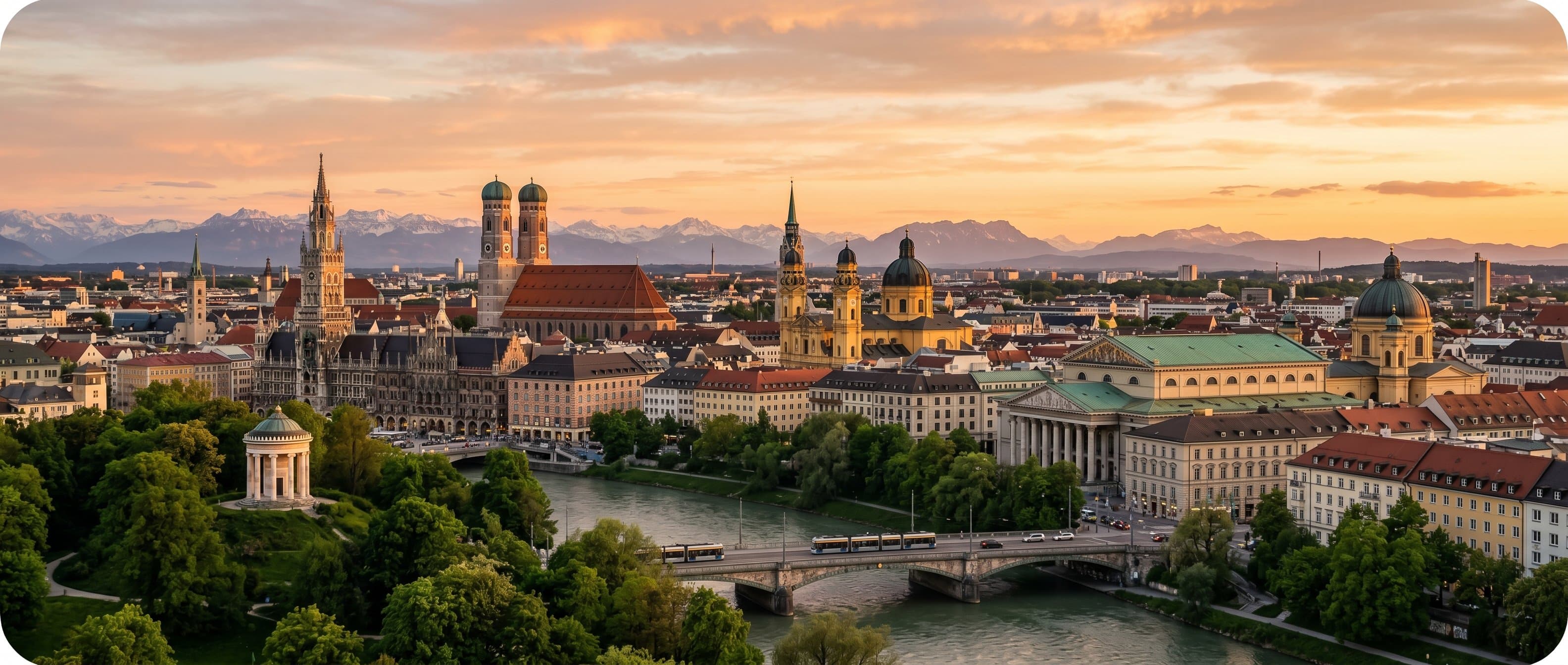
Introduction: Why Munich Deserves Your Attention in 2026
Munich, or München as the locals call it, is often dismissed as merely the home of Oktoberfest. However, as we head into 2026, the city has reinvented itself as the 'Silicon Valley of Europe' while fiercely protecting its 'Gemütlichkeit'—that uniquely Bavarian sense of cosiness and belonging. The specific reason to visit right now? Munich’s commitment to sustainability has transformed the city into a green urban masterpiece, with expanded cycling highways and the completion of the 'Second Trunk Line' (Zweite Stammstrecke) project, making cross-city travel faster than ever before.
Best Time to Visit: A Seasonal Breakdown
Munich is a year-round destination, but your experience will vary wildly depending on the month.
- January: Cold (-2°C to 4°C). Low crowds, budget-friendly. Perfect for visiting museums like the Alte Pinakothek.
- February: Cold, often snowy. Fasching (Carnival) celebrations bring life to the streets. Moderate pricing.
- March: The start of Starkbierfest (Strong Beer Season). Weather is unpredictable (5°C to 11°C).
- April: Spring arrives. Frühlingsfest (Spring Festival) offers a 'mini-Oktoberfest' vibe without the massive crowds.
- May: Ideal weather (15°C to 20°C). Beer gardens begin to open fully. High demand.
- June: Long days, perfect for the Englischer Garten. Warm temperatures (22°C).
- July: Peak summer. Expect heatwaves (up to 30°C) and higher prices. Tollwood Summer Festival is a highlight.
- August: Humid and warm. Locals head to the lakes (Starnberger See). Crowds remain high.
- September: The calm before the storm—then Oktoberfest begins late in the month. Peak pricing.
- October: Oktoberfest concludes. Crisp autumn air (10°C to 15°C). Beautiful foliage in Nymphenburg Park.
- November: Grey and damp. The 'low' season before the Christmas rush. Excellent for budget travellers.
- December: Magical. World-famous Christmas Markets (Christkindlmärkte) open. Cold weather, high festive prices.
The Sweet Spot: Late May or early June. You get the full beer garden experience and long daylight hours without the suffocating crowds of September or the high prices of July.
Travel Planning & Booking
For 2026, booking lead times have stretched. Aim for 4-6 months in advance for standard travel, and 12 months if you plan to attend Oktoberfest. Most international travellers will arrive at Munich Airport (MUC), a five-star hub for Lufthansa.
Visa Requirements for 2026
- UK, US, UAE Nationals: Under the new ETIAS (European Travel Information and Authorisation System), citizens from previously visa-exempt countries must apply for an electronic travel authorisation before arrival. It is valid for 3 years.
- EU Nationals: Freedom of movement remains; no visa required.
- Indian Nationals: A standard Schengen Visa (Type C) is required. Ensure you book your VFS Global appointment at least 3 months in advance.
Travel Insurance: A Non-Negotiable
German healthcare is world-class but expensive for the uninsured. For Munich, ensure your policy covers 'Adventure Activities' if you plan to surf the Eisbach wave or cycle the Alpine foothills. Recommended providers include World Nomads (best for backpackers), SafetyWing (flexible monthly subscriptions), and Allianz Travel (comprehensive medical coverage).
Packing Guide: Bavarian Practicality
Munich is more formal than Berlin but more relaxed than London. Bring layers; the weather can shift from sun to rain in an hour. Must-bring items: A reusable water bottle (tap water is excellent), comfortable walking shoes for cobblestones, and a portable power bank. One item tourists over-pack: Heavy formal wear. A smart-casual outfit is sufficient for even the best beer halls.
Accommodation: Where to Lay Your Head
For budget travellers, Ludwigsvorstadt is the hub for hostels and proximity to the station. Maxvorstadt is the student district—vibrant and central. For a quieter vibe, look at Haidhausen.
- Luxury: Hotel Bayerischer Hof (Promenadepl. 2-6). Historic, with a rooftop pool.
- Mid-Range: Cocoon Hauptbahnhof (Mittererstraße 9). Quirky, alpine-themed design.
- Budget: Wombat’s City Hostel (Senefelderstraße 1). Consistently rated the best for social travellers.
Top Tourist Attractions
- Marienplatz & New Town Hall: The city's heart. Watch the Glockenspiel at 11:00 or 12:00. (Free; 24/7).
- Englischer Garten: Larger than Central Park. Watch the surfers at Eisbachwelle. (Free; 24/7).
- BMW Welt & Museum: A futuristic shrine to engineering. (Museum: €10; 10:00-18:00).
- Nymphenburg Palace: The former summer residence of Bavarian kings. (€15; 09:00-18:00).
- Deutsches Museum: The world's largest science and tech museum. (€15; 09:00-17:00).
- Frauenkirche: The iconic domed cathedral. Climb the south tower for city views. (€7.50; 10:00-17:00).
Local Food & Dining
Bavarian cuisine is hearty and designed to soak up beer. You must try Weisswurst (veal sausage) before noon, Brezen (giant pretzels), and Schweinebraten (roast pork). For a high-end experience, Tantris offers Michelin-starred excellence. For mid-range, Augustiner am Platzl is authentic. For street food, Viktualienmarkt is an outdoor paradise of local delicacies.
Safety & Emergency Contacts
Munich is one of the safest cities in the world. However, keep an eye on your belongings at the Hauptbahnhof and during Oktoberfest. Emergency Numbers: Police: 110; Ambulance/Fire: 112.
Useful Apps
- MVGO: For all public transport tickets.
- DB Navigator: For trains to Neuschwanstein or Salzburg.
- Wolt: The primary food delivery service.
- Google Maps: Reliable for walking routes.
- DeepL: Far more accurate for German nuances than Google Translate.
Munich is a city that rewards the curious. Whether you're here for the tech, the history, or the litres of Helles, you'll find a city that is as welcoming as it is efficient. Explore more at www.ainexusworld.com for your next adventure.