
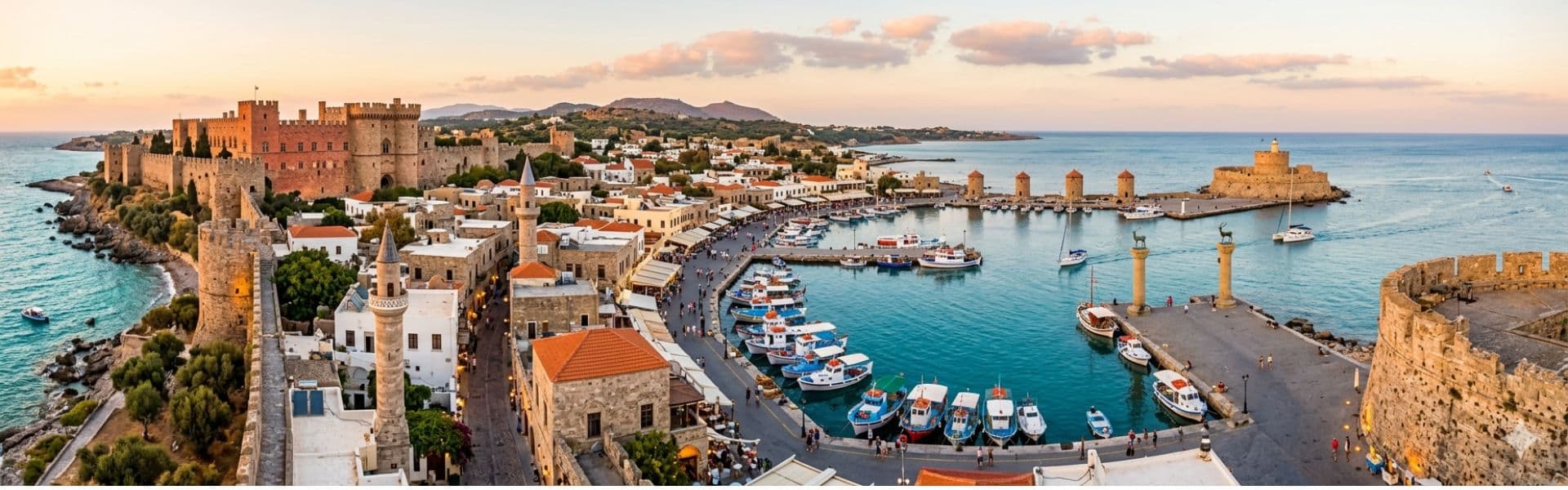
The Ultimate Rhodes Travel Guide 2026: Everything You Need to Know
Rhodes is not just another Greek island; it is a living museum where the Colossus once stood and where the Knights of Saint John left an indelible mark. In 2026, Rhodes has emerged as a leader in sustainable Mediterranean tourism, pivoting from mass-market resort stays toward heritage-focused, eco-conscious exploration. For the modern traveller, Rhodes offers a rare trifecta: accessible history, world-class kite-surfing, and a culinary scene that remains fiercely local despite its international popularity. One specific reason to visit Rhodes right now is the newly completed 'Green Corridor' initiative, which has revitalised the island’s interior hiking trails, allowing visitors to walk from the ancient ruins of Kamiros to hidden mountain monasteries through reforested pine groves.
Best Time to Visit
Choosing the right month is critical for balancing weather and budget. While the island is a year-round destination, the 'sweet spot' is late September. The Aegean Sea has spent all summer warming up, the scorching 35°C heat has mellowed to a perfect 26°C, and the peak-season cruise ship crowds have begun to thin.
- January - February: Quiet and cool (12-15°C). Many coastal resorts close, but Rhodes Old Town remains vibrant. Ideal for hikers.
- March - April: Spring brings wildflowers. Orthodox Easter is a major event with processions and fireworks. Prices are at their lowest.
- May - June: The start of the swimming season. Clear skies and moderate pricing before the July rush.
- July - August: Peak heat and peak prices. Expect 30°C+ and crowded beaches. Book everything 6 months in advance.
- September - October: The golden window. Warm water, manageable crowds, and the Medieval Rose Festival often holds events during this time.
- November - December: Mild winters with occasional rain. Excellent for a digital nomad retreat.
Travel Planning & Booking
Reaching Rhodes (RHO) is straightforward via Diagoras International Airport. For 2026, Aegean Airlines has expanded its hub operations, making connections from Athens more frequent than ever. From the UK, TUI and EasyJet offer direct routes from London Gatwick and Manchester. From the US or UAE, a layover in Athens or Istanbul (via Turkish Airlines) is the standard path. We recommend booking flights 4-5 months in advance for summer travel. For accommodation, use Booking.com for flexible cancellations or Airbnb for unique stays in the Old Town’s stone-walled apartments. Use Ferryhopper if you plan to island-hop to nearby Symi or Kos.
Visa Requirements 2026
- UK & US Nationals: Visa-free for up to 90 days within a 180-day period. Note that the ETIAS (European Travel Information and Authorisation System) is mandatory for 2026.
- EU Nationals: Full freedom of movement; only a national ID card is required.
- Indian Nationals: A standard Schengen C-type visa is required, applied for via Global Visa Center (GVCW).
- UAE Nationals: Visa-free for up to 90 days for holders of biometric passports.
Travel Insurance
Never travel to the Greek islands without comprehensive medical cover. While Rhodes has excellent facilities, emergency medical repatriation can be ruinously expensive. Look for policies that specifically cover 'moped or scooter use,' as this is a popular but risky way to see the island. We recommend World Nomads for backpackers, SafetyWing for digital nomads seeking low-cost monthly subscriptions, and Allianz for those wanting high-limit medical coverage. Pro tip: Ensure your policy covers flight cancellations due to the 'Meltemi' winds, which can occasionally disrupt ferry and flight schedules in late summer.
Packing Guide
The Rhodes sun is unforgiving. Pack high-SPF reef-safe sunscreen and a wide-brimmed hat. For the Old Town’s cobblestones, leave the heels at home; sturdy sandals with grip (like Birkenstocks or Tevas) are essential. When visiting monasteries such as Tsambika, men and women should have a lightweight linen scarf to cover shoulders or knees. An underrated item? A dry bag for boat trips to the Blue Lagoon. Most tourists over-pack heavy denim; swap it for breathable linen trousers.
Accommodation: Where to Stay
- Rhodes Old Town: Stay at Avalon Boutique Suites for a medieval experience. It is located in the heart of the UNESCO site, offering stone arches and modern luxury.
- Lindos: For a boutique, adult-only vibe, Casa Cook Rhodes (nearby in Kolymbia) or the Melenos Art Boutique Hotel in Lindos itself offers stunning views of the Acropolis.
- Rhodes City (New Town): For budget travellers, Stay Rhodes Hostel is arguably the best in Greece, featuring a cinema room and rooftop bar.
Getting Around Locally
The airport is 14km from the city centre. A taxi costs roughly €30-35 and takes 20 minutes. The B.O.T.A.S. bus is the budget choice (€2.60, 35 minutes). For island exploration, the KTEL (East Coast) and RODA (West Coast) bus networks are reliable. Download the 'Rhodes Public Transport' app for live schedules. A common mistake is relying on taxis for long distances; they are expensive. Renting a small car (approx. €45/day in 2026) is the only way to reach hidden spots like Prasonisi.
Top Tourist Attractions
- Palace of the Grand Master: A 14th-century fortress in the Old Town. Open 08:00–20:00. Cost: €10. Best visited at 08:30 before cruise groups arrive.
- Acropolis of Lindos: Ancient ruins overlooking the sea. Open 08:00–19:30. Cost: €12. Insider tip: Walk up at sunrise to avoid the heat and the donkey traffic.
- Ancient Kamiros: The 'Pompeii of Greece' on the west coast. Open 08:00–16:00. Cost: €6.
- Seven Springs (Epta Piges): A cool forest oasis. Free entry. Walk through the 186-meter dark tunnel if you aren't claustrophobic.
- Monolithos Castle: The best sunset spot on the island. Free. Bring a bottle of local wine.
- Prasonisi: Where the Aegean and Mediterranean seas meet. Free. Incredible for watching pro windsurfers.
Local Food & Dining
Rhodes has a distinct culinary identity. Must-tries include Pitaroudia (chickpea fritters) and Kapamas (slow-cooked goat). For high-end dining, Mavrikos in Lindos is legendary. For a mid-range local gem, head to Tamam in Rhodes Town (get the seafood pasta). For street food, Auguste near the New Market serves the best souvlaki for under €5. Dietary Note: Most tavernas are exceptionally accommodating to vegetarians with dishes like 'Gemista' (stuffed vegetables).
Safety & Emergency Contacts
Rhodes is very safe, with a low violent crime rate. The primary risks are sunstroke and scooter accidents. Police: 100, Ambulance: 166, Fire: 199. The General Hospital of Rhodes 'Andreas Papandreou' is the main facility (+30 2241 360000). For consular needs: British Vice Consulate (Gr. Lampraki 29, +30 22410 22005). US and Indian nationals should contact their embassies in Athens for major issues.
Useful Apps & Resources
Essential downloads: Moovit (for bus routes), Uber (now operating with local taxis), Google Translate (camera mode for menus), Windy.com (for beach planning), and Beat (local ride-hailing). Visit the official Rhodes.gr for seasonal event listings.
Closing
Rhodes is a rare destination that satisfies the soul of the historian and the sun-seeker alike. As you wander the Street of the Knights or dive into the crystal waters of Anthony Quinn Bay, you'll understand why this island has been fought over for millennia. Ready to plan your Greek odyssey? Explore more expert guides at ainexusworld.com.