
Introduction
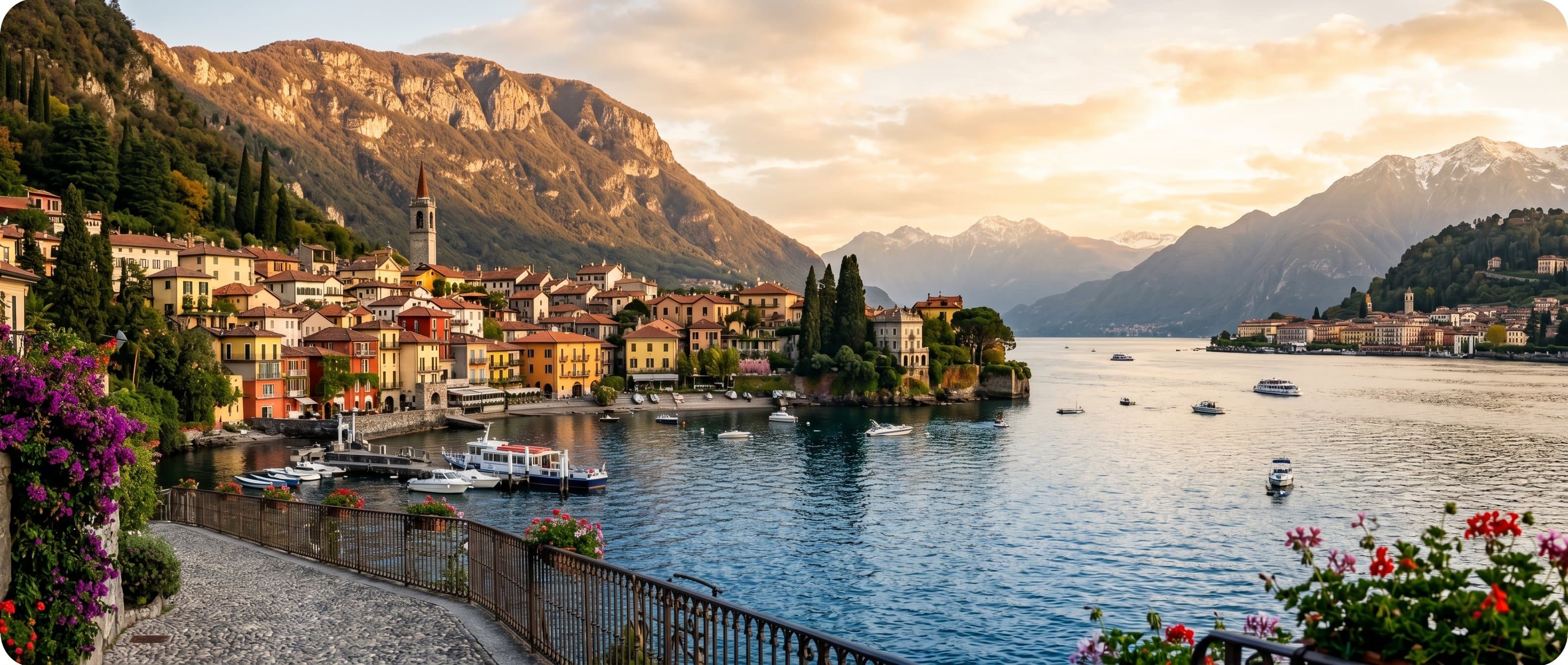
Lake Como has long been the glittering jewel of Italy’s Lombardy region, a Y-shaped glacial masterpiece framed by the jagged peaks of the Grigna mountains. While it has traditionally drawn aristocrats, poets, and Hollywood royalty, 2026 marks a turning point for the digitally savvy, internationally minded backpacker. Why does Lake Como deserve a place on your itinerary right now? The answer lies in the newly fully connected Sentiero del Viandante (The Wayfarer's Path). This ancient Roman trail along the eastern shore has been completely revitalised, offering budget travellers and adventure seekers an unparalleled, cost-free way to experience the lake's awe-inspiring panoramas without setting foot on a luxury yacht. It democratises the lake’s beauty. Lake Como is no longer just a destination for passive consumption; it is a landscape begging to be actively explored. You can spend your mornings tackling steep, forested ascents, your afternoons swimming in the crisp alpine waters of hidden pebble beaches, and your evenings sipping Aperol in a cobbled piazza as the sun dips behind the Alps. It is a place where deep history—echoing through medieval fortresses and neoclassical villas—meets the vibrant, espresso-fueled rhythm of modern Italian life.
Best Time to Visit
Timing your visit to Lake Como is the single most crucial decision you will make. The microclimate here is notoriously fickle, and the difference between a sun-drenched April and a stormy one can dictate your entire experience. January and February are strictly for the introverted traveller; the lake is ghostly quiet, many hotels and ferry routes shut down entirely, and the biting wind sweeps off the snow-capped Alps. However, accommodation prices hit rock bottom. March sees the slow awakening of the region, with the first blooms of camellias, though the weather remains highly unpredictable. April and May bring glorious spring colours, particularly in the famed gardens of Villa Carlotta, but expect sudden spring showers. June, July, and August are the peak summer months. The weather is hot and humid, ferries are packed shoulder-to-shoulder, and prices soar. However, this is when the lake's swimming culture is at its peak, and the evening air is balmy and perfect for al fresco dining. September and October represent the absolute "sweet spot" for the savvy backpacker. The ferocious summer crowds have dissipated, the fierce heat softens into a golden, manageable warmth, and the surrounding forests erupt into spectacular autumnal hues. The lake water is still warm enough for a quick swim, and all the ferries and villas remain open. November and December bring the rain and the cold back, though December offers charming, low-key Christmas markets in Como city, culminating in the Città dei Balocchi light festival. If you must choose one window, aim for mid-September to early October for the perfect blend of accessibility, weather, and value.
Travel Planning & Booking
Navigating your way to Lake Como is remarkably straightforward thanks to the proximity of three major Milanese airports: Milan Malpensa (MXP), Milan Linate (LIN), and Bergamo Orio al Serio (BGY). For international arrivals, Malpensa is the primary hub, served extensively by British Airways, Emirates, United, and Delta. However, budget backpackers should keep a sharp eye on Bergamo, a major hub for Ryanair and easyJet, offering staggeringly cheap connections from across the UK and Europe. When it comes to booking your flights and accommodation, the 2026 travel landscape demands proactivity. For a summer visit, you must secure your beds at least four to five months in advance. The rise of digital nomadism means mid-range and budget options like Ostello Bello vanish incredibly quickly. We highly recommend using Skyscanner to track flight routes and set price alerts well ahead of time. Booking.com remains the dominant force for securing local guesthouses and B&Bs in smaller villages like Varenna or Menaggio, while Hostelworld is essential for nabbing the few coveted dormitory beds around the lake.
Regarding entry requirements, 2026 brings significant changes. UK, US, and UAE nationals, along with other previously visa-exempt non-EU citizens, must now apply for ETIAS (European Travel Information and Authorisation System) prior to travel. This is a quick online waiver costing €7, valid for three years. EU citizens continue to enjoy freedom of movement with just a national ID card or passport. Indian nationals, and citizens of many other nations, must apply for a standard Schengen Visa through the Italian consulate well in advance of their trip. Always ensure your passport is valid for at least three months beyond your intended date of departure from the Schengen Area, and carry printed proof of onward travel and accommodation, as border officials at Malpensa are known to ask for these documents.
Travel Insurance
Skipping travel insurance for a trip to Lake Como is a false economy. While the region is exceptionally safe regarding violent crime, the physical environment presents unique challenges. Backpackers and active travellers will likely find themselves hiking steep, uneven trails like the Sentiero del Viandante, where a rolled ankle or a slip on wet cobblestones can result in a hefty rescue and medical bill. Furthermore, the reliance on the intricate ferry and train networks means that strikes (a common feature of Italian public transport) or severe weather can lead to missed connections and forced overnight stays. You must look for a policy that offers robust medical cover (at least £2 million / $2.5 million), trip cancellation protection, and crucially, coverage for "adventure activities" if you plan on mountain biking, hiring a speedboat, or tackling high-altitude hikes. World Nomads is universally respected among backpackers for covering a wide range of adventurous pursuits. SafetyWing is the go-to for digital nomads taking a longer, slower trip, offering flexible, subscription-based coverage. Allianz Travel Insurance provides gold-standard, comprehensive cover, ideal if you are carrying expensive camera gear to capture the villas. Practical tip: Always save the emergency assistance number of your provider and your policy number as an offline note on your phone, and leave a copy with an emergency contact at home.
Packing Guide
Packing for Lake Como requires a masterclass in layering, regardless of the season. The lake's microclimate means you can be sweltering in the midday sun on a ferry deck and shivering in the shadow of a mountain an hour later. Your baseline should include breathable, lightweight fabrics like linen or merino wool. If you are visiting between May and September, a swimsuit is mandatory for spontaneous dips at the lidos. For the cooler months, a high-quality, packable down jacket and a waterproof outer shell are essential. Culturally, Italians dress with effortless intention. While backpacker gear is accepted on the trails, walking into a nice trattoria in Bellagio wearing dirty hiking boots and sweatpants will earn you frosty looks. Pack at least one "smart casual" outfit—a crisp linen shirt or a modest, elegant dress. Crucially, remember that when visiting religious sites like the Duomo di Como, your shoulders and knees must be covered; a lightweight pashmina is a perfect, versatile solution for this. Must-bring items specific to the lake include robust walking shoes with excellent grip (the cobbled pathways in towns like Varenna are incredibly steep and slippery when wet), polarized sunglasses to cut the harsh glare off the water, and a Type C/F/L universal power adapter. The number one item tourists over-pack? Heavy, hard-shell suitcases. Dragging a massive 25kg wheeled suitcase over the cobblestones and up the endless staircases of Bellagio is a form of modern torture; stick to a high-quality 40L travel backpack.
Accommodation
Choosing your base on Lake Como defines your entire trip. The lake is vast, and relying solely on ferries can eat into both your time and your budget. Como City sits at the bottom of the western leg. It feels like a "real" working Italian city, offering the best transport links to Milan, the cheapest supermarkets, and a vibrant local life. Bellagio, perched perfectly at the intersection of the lake's three branches, is the undisputed "Pearl of Lake Como." It is stunningly beautiful, perfectly positioned for ferry hopping, but undeniably expensive and crowded. Varenna, on the eastern shore, is the backpacker and romantic favourite; it has a direct train station to Milan, retains an authentic fishing village charm, and offers easy access to the central lake ferries. For a true luxury splurge, the Grand Hotel Tremezzo in Tremezzina offers unapologetic opulence, complete with a floating pool on the lake. For an excellent mid-range option, Hotel Florence in Bellagio provides classic Italian elegance without the hyper-inflated price tag of the five-star resorts. For the budget backpacker, Ostello Bello Lake Como in Como city is an absolute godsend, offering clean dorms, a vibrant social scene, and a communal kitchen to keep food costs down. Booking tip: If you are staying in the central lake (Bellagio, Varenna, Menaggio), double-check your arrival time. The fast ferries stop running relatively early in the evening, and a missed connection could mean a highly expensive private water taxi.
Getting Around Locally
Reaching Lake Como from the airport is relatively painless. From Milan Malpensa, the Malpensa Express train takes you to Saronno, where you switch to a regional Trenord train directly to Como Lago station (approx. €11, 1.5 hours). From Bergamo airport, you must take a bus to Bergamo city station, then a train via Lecco to Varenna or Como (approx. €8, 2 hours). Taxis from the airports are prohibitively expensive for budget travellers, often exceeding €120. Once at the lake, the public ferry network (Navigazione Laghi) is the lifeblood of the region. There are slow boats (battello) which are cheaper and offer better views, and fast hydrofoils (rapido) which cost a premium but cut travel time in half. A day pass for the central lake area (Zone 3) costs around €15 and is the most cost-effective way to hop between Bellagio, Varenna, and Menaggio. Local ASF Autolinee buses are the cheapest way to travel up and down the western shore (e.g., Como to Menaggio), costing roughly €3-4 per ride, but they can be crowded and subject to heavy summer traffic. We highly recommend downloading the Trenitalia app for train tickets and the Navigazione Laghi app for ferry schedules. A common tourist mistake is assuming you can easily drive around the lake. The roads are impossibly narrow, parking is aggressively expensive and scarce, and the stress of navigating oncoming buses on cliffside roads will ruin your holiday. Stick to public transport.
Top Tourist Attractions (Must-See)
1. Villa del Balbianello (Lenno): This 18th-century mansion, famously featured in Casino Royale and Star Wars, boasts terraced gardens that cascade dramatically into the water. It matters because it perfectly encapsulates the aristocratic history of the lake. Open 10:00 AM - 6:00 PM (closed Mondays and Wednesdays). Entry is €24 for the villa and gardens, or €12 for gardens only. Best time to visit is right at opening. Insider tip: Access the villa via the 1km wooded walking path from Lenno rather than the expensive water taxi to save money and enjoy a stunning approach.
2. Duomo di Como (Como City): One of the most important Gothic-Renaissance buildings in Northern Italy, taking over 300 years to build. It matters because it provides deep cultural context beyond the resort towns. Open 10:30 AM - 5:00 PM. Entry is free (donations welcome). Best time is late afternoon when the sunlight hits the rose window. Insider tip: Look for the statues of Pliny the Elder and Pliny the Younger flanking the main doors—pagan Roman writers honoured on a Catholic cathedral.
3. Villa Carlotta (Tremezzo): Renowned for its botanical gardens spread over 70,000 square metres, featuring over 150 varieties of azaleas and rhododendrons. Open 10:00 AM - 6:00 PM. Entry is €15. Best time is May for the spring bloom. Insider tip: Do not miss the romantic, shaded fern valley hidden at the back of the upper gardens, which most tourists skip.
4. Castello di Vezio (Varenna): An ancient ruined fortress towering over Varenna, offering arguably the best panoramic views of the entire lake. Open 10:00 AM - 5:00 PM. Entry is €5. Best time is mid-morning on a clear day. Insider tip: The hike up from Varenna is incredibly steep; wear proper trainers, not sandals. Look out for the resident falconer.
5. The Funicular to Brunate (Como City): A historic 1892 funicular railway that winches you straight up the mountain side from Como to the village of Brunate. Open 6:00 AM - 10:30 PM. Costs €6.10 return. Best time is an hour before sunset. Insider tip: Don't stop at Brunate; hike another 30 minutes up to the Faro Voltiano (Volta Lighthouse) for views stretching all the way to Switzerland.
6. Villa Monastero (Varenna): Originally a Cistercian convent, now a stunning house museum with a two-kilometre-long botanical garden hugging the water's edge. Open 9:30 AM - 7:30 PM (summer). Entry is €10. Best time is early afternoon. Insider tip: The cafe inside the gardens offers one of the most reasonably priced, spectacular lakeside espressos you will find on the eastern shore.
7. Orrido di Bellano (Bellano): A natural gorge formed 15 million years ago, where a roaring waterfall cuts through narrow rock faces. You walk on suspended walkways over the rushing water. Open 10:00 AM - 6:00 PM. Entry is €5. Best time is after a heavy rain when the water is most powerful. Insider tip: It is a phenomenal way to escape the brutal midday summer heat, as the gorge is naturally cooled by the water and shade.
Local Food & Dining
Lombardy’s cuisine is a stark departure from the tomato-heavy dishes of southern Italy; here, butter, cheese, polenta, and freshwater fish reign supreme. You absolutely must try Risotto con Filetti di Pesce Persico, a rich, butter-infused risotto topped with crispy, pan-fried perch fillets caught directly from the lake. Another staple is Polenta Uncia, a deeply comforting, mountain-style polenta loaded with local cheeses, garlic, and browned butter. For the truly adventurous, seek out Missoltini—sun-dried, salted agone fish served with grilled polenta, a pungent, historical dish dating back to Roman preservation techniques. Finish your meals with Miascia, a rustic cake made from stale bread, apples, pears, and pine nuts. For a high-end, blow-the-budget dining experience, book a table at Ristorante Mistral in Bellagio, where molecular gastronomy meets traditional Italian flavours. For a fantastic mid-range, authentic meal, head to Trattoria del Glicine in Cernobbio, known for its impeccable local dishes and unpretentious vibe. Backpackers and budget travellers should seek out La Focacceria in Como city for massive, incredibly cheap slices of loaded focaccia and pizza to eat on the go. Dietary note: Italy is surprisingly accommodating for gluten-free (senza glutine) diets, with many pharmacies and restaurants carrying specialized products, but vegans may struggle with traditional Alpine menus heavily reliant on dairy and meat.
Safety & Emergency Contacts
Lake Como is overwhelmingly safe. Violent crime against tourists is virtually non-existent. The primary safety concerns are environmental and transport-related. The roads circling the lake are incredibly narrow, often lacking pavements. When walking between towns, you must be hyper-aware of speeding local drivers, motorbikes, and tight blind corners. In Como City and at the major train stations (Como San Giovanni and Milan Central), petty pickpocketing is a minor risk; keep your valuables zipped up and avoid putting your phone in your back pocket. If you are hiking, stick to marked trails, as the terrain off-path can be treacherous and prone to landslides. Emergency numbers are critical to have saved: Police (Polizia): 112 (General EU Emergency) or 113. Ambulance: 118. Fire: 115. The nearest major, modern hospital equipped for tourists is Ospedale Sant'Anna (Via Aldo Moro, 8, San Fermo della Battaglia, near Como). For diplomatic emergencies, the nearest embassies are all located in Milan (roughly an hour away by train). The British Consulate is at Via S. Paolo 7 (+39 02 723001). The US Consulate General is at Via Principe Amedeo 2/10 (+39 02 290351). The Indian Consulate General is at Piazza Paolo Ferrari 8 (+39 02 8057691).
Useful Apps & Resources
To navigate Lake Como like a local in 2026, your smartphone needs to be loaded with a few specific tools. Navigazione Laghi is non-negotiable; it is the official app for ferry timetables and ticket purchasing, saving you from the horrendous queues at the ticket booths. Trenitalia or Trenord is essential for checking live train times and buying tickets digitally (avoiding the need to validate paper tickets). TheFork is brilliant for finding restaurant discounts and securing bookings in a region where walk-ins are often turned away in summer. FreeNow is the dominant taxi-hailing app, as Uber is highly limited and very expensive (Uber Black only) in this region of Italy. Finally, Google Translate (with the offline Italian dictionary downloaded) will save you when reading complex local menus or asking for bus directions. The official tourism board website, www.lakecomo.is, is highly reliable for up-to-date hiking trail closures and local festival calendars.
Closing
Lake Como is far more than a backdrop for luxury car commercials; it is a profound, historically rich landscape that rewards those who are willing to lace up their boots, catch the early local ferry, and explore beyond the pristine manicured gardens. Whether you are navigating the ancient stone steps of Varenna or eating cheap, hot focaccia on the walls of Como city, the magic of the lake is accessible to everyone willing to plan smartly. Embrace the slower pace, respect the formidable alpine environment, and let the glacial waters work their charm. Ready to discover more secrets for your European adventure? Explore comprehensive guides and budget hacks on www.ainexusworld.com to make your 2026 travels unforgettable.
FAQ
Is Lake Como safe for tourists? Yes, extremely safe. The main risks are traffic on narrow roads without pedestrian paths, and minor pickpocketing at major train stations.
What is the best time to visit Lake Como? September to early October is the best time. The summer crowds fade, prices drop slightly, and the weather remains wonderfully warm for hiking and sightseeing.
How many days do I need in Lake Como? You need a minimum of 3 full days to see the main sights (Como, Bellagio, Varenna) without rushing. 5 days allows for serious hiking and visiting lesser-known towns.
Do I need a visa to visit Lake Como? By 2026, UK, US, and UAE citizens will need an ETIAS waiver (€7, online). Indian nationals require a Schengen Visa. EU citizens only need an ID card.
What is the local currency and can I use credit cards? The currency is the Euro (€). Credit cards (Visa/Mastercard) are accepted almost everywhere, including ferries, but keep €20-30 in cash for small cafes or bus tickets.