
Introduction
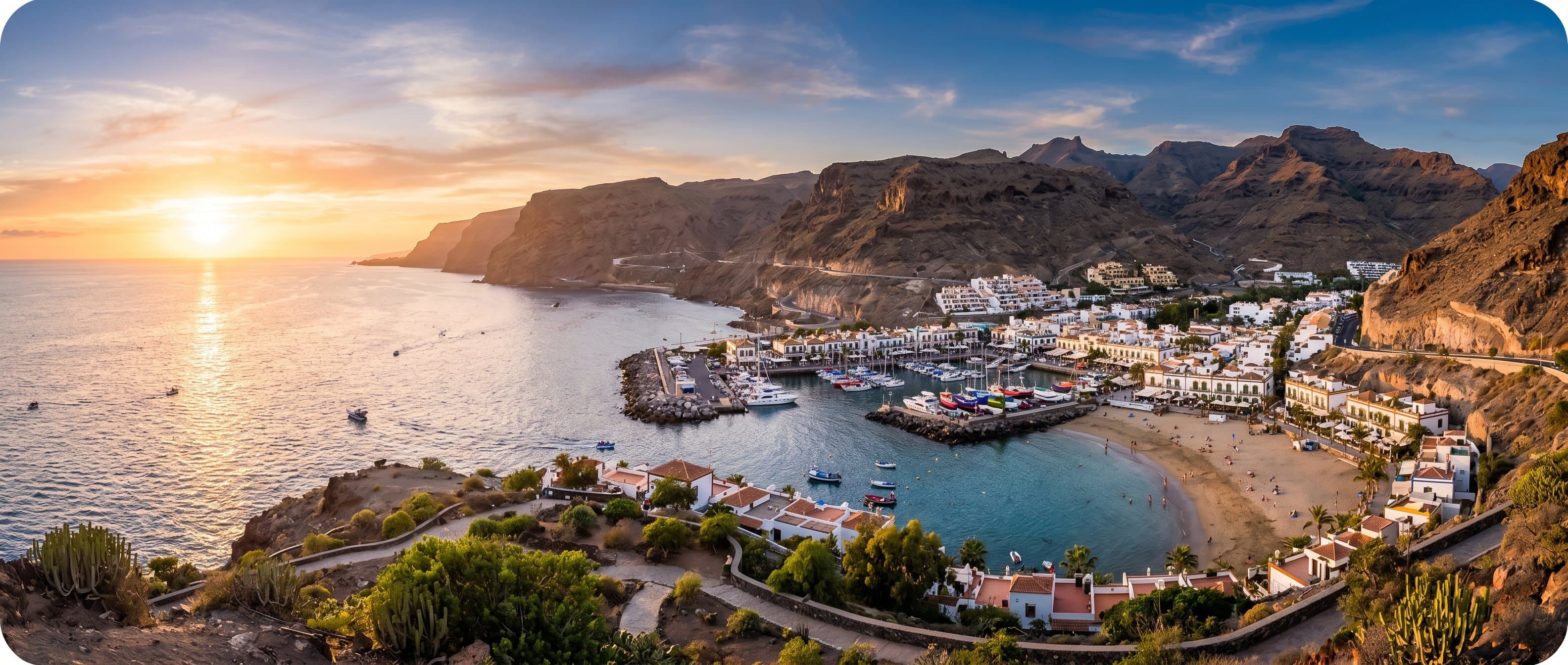
For the internationally minded backpacker and digital nomad, the Canary Islands are no longer just a package-holiday cliché—they are Europe’s premier year-round adventure hub. Situated off the coast of northwestern Africa but operating with seamless Spanish infrastructure, this volcanic archipelago demands a place on your 2026 travel itinerary. Why? Because nowhere else on earth offers such accessible, extreme biodiversity. Within a single hour, you can drive from sun-baked Saharan-style dunes to dense, mist-shrouded ancient laurel forests, and finish the day scaling a 3,718-metre active volcano. As remote work visas become deeply embedded in Spanish law by 2026, the local infrastructure has evolved rapidly to support independent, digitally savvy travellers. The compelling, unique reason to visit right now is the region's aggressive push into astrotourism and sustainable eco-travel. Islands like La Palma and Fuerteventura have secured Starlight Reserve status, offering some of the darkest, clearest night skies on the planet, completely devoid of light pollution.
Best Time to Visit
The Canary Islands are famously dubbed the 'Islands of Eternal Spring', but microclimates mean your experience varies wildly depending on the month and altitude. January to March brings cooler, slightly wetter weather to the northern parts of the islands (15-21°C), though the south remains sunny. This is peak season for Northern Europeans fleeing winter, so expect premium prices. April to June sees temperatures rising (20-25°C), crowds thinning, and spectacular spring blooms in the mountainous regions. July to August is peak summer (26-30°C+). The ocean is incredibly warm, but the islands are packed with mainland Spanish holidaymakers, and the 'Calima' (hot Saharan dust winds) can occasionally ground flights. September to December offers arguably the best conditions. The ocean retains its summer heat, the fierce summer winds die down, and tourist numbers drop before the winter rush. The Sweet Spot: Late September to early November is the ultimate window. You get the warmest ocean temperatures of the year, off-peak accommodation pricing, and clear skies perfect for hiking without the oppressive midday heat.
Travel Planning & Booking
Flying to the Canary Islands is highly accessible, with Tenerife South (TFS) and Gran Canaria (LPA) acting as the main international hubs. For European departures, budget carriers like Ryanair, easyJet, and Vueling dominate the airspace. If you are flying from the US, United Airlines has seasonal direct flights from Newark to Tenerife, though connecting through Madrid (Barajas) via Iberia is often cheaper. For the best rates in 2026, book flights 2 to 3 months in advance. Booking lead times for accommodation should be closer to 3-4 months if you plan to visit during the winter peak (December-February).
For UK, US, and UAE nationals, 2026 marks the full enforcement of the ETIAS (European Travel Information and Authorisation System) waiver. You must apply online for this €7 waiver at least 72 hours before departure. EU citizens maintain freedom of movement. Indian nationals require a pre-approved Schengen Visa, applied for via BLS International, which can take up to four weeks to process. Your entry documentation checklist must include a passport valid for at least three months beyond your departure date, proof of onward travel (a return ticket), and proof of sufficient funds (around €100 per day).
Travel Insurance
Do not let the European zip code fool you; travel insurance is non-negotiable for the Canary Islands. The archipelago is an extreme sports mecca, famous for kitesurfing in Fuerteventura, paragliding in Tenerife, and high-altitude hiking across jagged volcanic rock in Lanzarote. A standard European Health Insurance Card (EHIC/GHIC) provides basic public hospital care but will not cover mountain rescue, helicopter evacuation from Teide National Park, or private clinic treatments. When choosing cover, ensure 'adventure activities up to 4,000 metres' is explicitly included. Practical Tip: Always check if your policy covers 'scooter or moped rental'—many backpackers rent 125cc scooters to explore the islands, only to find out their insurance is void without a specific motorcycle licence endorsement.
Packing Guide
Packing for the Canary Islands requires mastering the art of layering due to intense microclimates. You might be in a swimsuit at sea level and require a fleece just an hour later in the mountainous interior. Your clothing checklist should include moisture-wicking t-shirts, a high-quality windbreaker (essential for the trade winds), zip-off trekking trousers, and a lightweight down jacket if you plan to stargaze or hike Teide. Culturally, Spaniards dress smartly even in casual settings. While beachwear is fine on the sand, wandering around a town or entering a restaurant shirtless or in a bikini top is frowned upon and can even attract local fines. A must-bring item specific to the Canaries is a high-SPF, reef-safe sunscreen—the archipelago sits close to the equator, and the UV index is punishing. The item tourists over-pack: Heavy winter coats. Unless you are camping at the summit of Mount Teide in January, a good fleece and a windproof shell are more than enough.
Accommodation
The backpacker and nomad scene has flourished, moving far beyond the all-inclusive resorts of the 1990s. Booking Tip: Always book directly with hostels or boutique hotels after finding them on aggregator platforms; many offer a 10% discount or free breakfast for direct 2026 bookings to avoid commission fees.
Getting Around Locally
From Tenerife South (TFS), the official TITSA Aeroexpress Bus (Route 40) gets you to Costa Adeje in 30 minutes for just €3.20. Taxis are heavily regulated and cost around €30-€40 to the southern resorts, taking 20 minutes. Uber exists primarily in Tenerife but is heavily restricted and often more expensive than local taxis. To move between islands, the Binter Canarias airline offers 30-minute hopper flights, while Fred Olsen Express and Naviera Armas operate hyper-fast, reliable car ferries. On land, the public bus systems—TITSA in Tenerife and Global in Gran Canaria—are exceptionally reliable. One common tourist mistake: Underestimating the sheer size and topography of the islands. Tourists often assume they can cycle between coastal towns, not realising a massive ravine or volcano sits between them. Always check elevation maps, not just distances.
Top Tourist Attractions (Must-See)
1. Teide National Park (Tenerife): Home to Spain's highest peak. Take the cable car to 3,555m. Cost: €40 return. Hours: 9:00 AM - 4:00 PM. Insider tip: Book your free summit permit 3 months in advance to hike the final 200m to the crater.
2. Timanfaya National Park (Lanzarote): Alien, Martian-like volcanic landscapes created by 18th-century eruptions. Cost: €12. Hours: 9:00 AM - 3:45 PM. Insider tip: Arrive exactly at opening time; the queue for the mandatory bus tour gets massive by 11:00 AM.
3. Maspalomas Dunes (Gran Canaria): A 400-hectare mini-Sahara desert touching the Atlantic. Cost: Free. Hours: 24/7. Insider tip: Visit at golden hour (an hour before sunset) for unbelievable photography lighting and cooler sand.
4. Garajonay National Park (La Gomera): A UNESCO-protected, prehistoric laurel forest covered in atmospheric mist. Cost: Free. Hours: 24/7. Insider tip: Hike the Alto de Garajonay trail on a clear day to see four different islands from the summit.
5. Siam Park (Tenerife): Repeatedly voted the world's best water park, featuring a Thai theme and intense vertical drops. Cost: €42. Hours: 10:00 AM - 6:00 PM. Insider tip: Buy the 'Fast Pass' for €18 extra if visiting between June and August to save hours of queuing.
6. Cueva de los Verdes (Lanzarote): A 7km lava tube formed by the Monte Corona eruption. Cost: €10. Hours: 10:00 AM - 4:00 PM. Insider tip: Look closely at the 'abyss' at the end of the tour—it is an incredible optical illusion.
Local Food & Dining
Canarian cuisine is a rugged, rustic fusion of Spanish, African, and Latin American influences. You must try Papas Arrugadas con Mojo (small wrinkly potatoes boiled in salt water, served with spicy red and green garlic sauces), Almogrote (a pungent, spicy hard cheese paste from La Gomera), and Ropa Vieja (a hearty chickpea, potato, and shredded beef stew). Seafood lovers should seek out Cherne (wreckfish) grilled simply with garlic. Dietary Note: While major tourist hubs have embraced veganism, traditional rural Canarian food is heavily meat and cheese-oriented. Vegans should learn the phrase "Soy vegano/a, sin carne, sin queso, sin huevo por favor."
Safety & Emergency Contacts
The Canary Islands are extremely safe. Violent crime is rare, and the primary threats to backpackers are environmental. Riptides on northern beaches can be lethal—always obey red flags. When hiking, especially in ravines (barrancos), rockfalls and rapid temperature drops are common. Never hike off-trail. In urban areas, petty pickpocketing occurs around major bus stations and crowded beaches. Keep valuables locked in your hostel safe. The general emergency number 112 connects you to police, fire, and ambulance with English-speaking operators.
Closing
The Canary Islands reward those who look beyond the sun-loungers. By taking local buses, eating at neighbourhood guachinches, and hiking the volcanic trails, you will discover a rich, complex culture set against some of the most dramatic landscapes in Europe. Whether you are typing away in a co-working space in Las Palmas or watching the sunrise from the top of Mount Teide, this archipelago will leave an indelible mark on your soul. Ready to plan your perfect island-hopping itinerary? Explore more exclusive backpacker guides and digital nomad resources at travelnexusworld.com.
FAQ
Is Canary Islands safe for tourists? Extremely safe. The main risks are environmental, such as strong ocean currents and heat exhaustion. Crime is largely limited to petty theft in crowded tourist areas.
What is the best time to visit Canary Islands? September and October offer the perfect balance of warm ocean temperatures, clear skies for hiking, and fewer crowds compared to the peak summer and winter months.
How many days do I need in Canary Islands? For a single island like Tenerife or Gran Canaria, 7 days is sufficient. To island-hop and see the diversity of 2-3 islands, allocate 10 to 14 days.
Do I need a visa to visit Canary Islands? As part of Spain, Schengen rules apply. For 2026, UK and US citizens need the ETIAS waiver. EU citizens have free movement. Indian citizens require a Schengen Visa.
What is the local currency and can I use credit cards? The currency is the Euro (€). Credit and debit cards are widely accepted, but you should carry some cash for rural buses, small cafes, and tips.