
Introduction
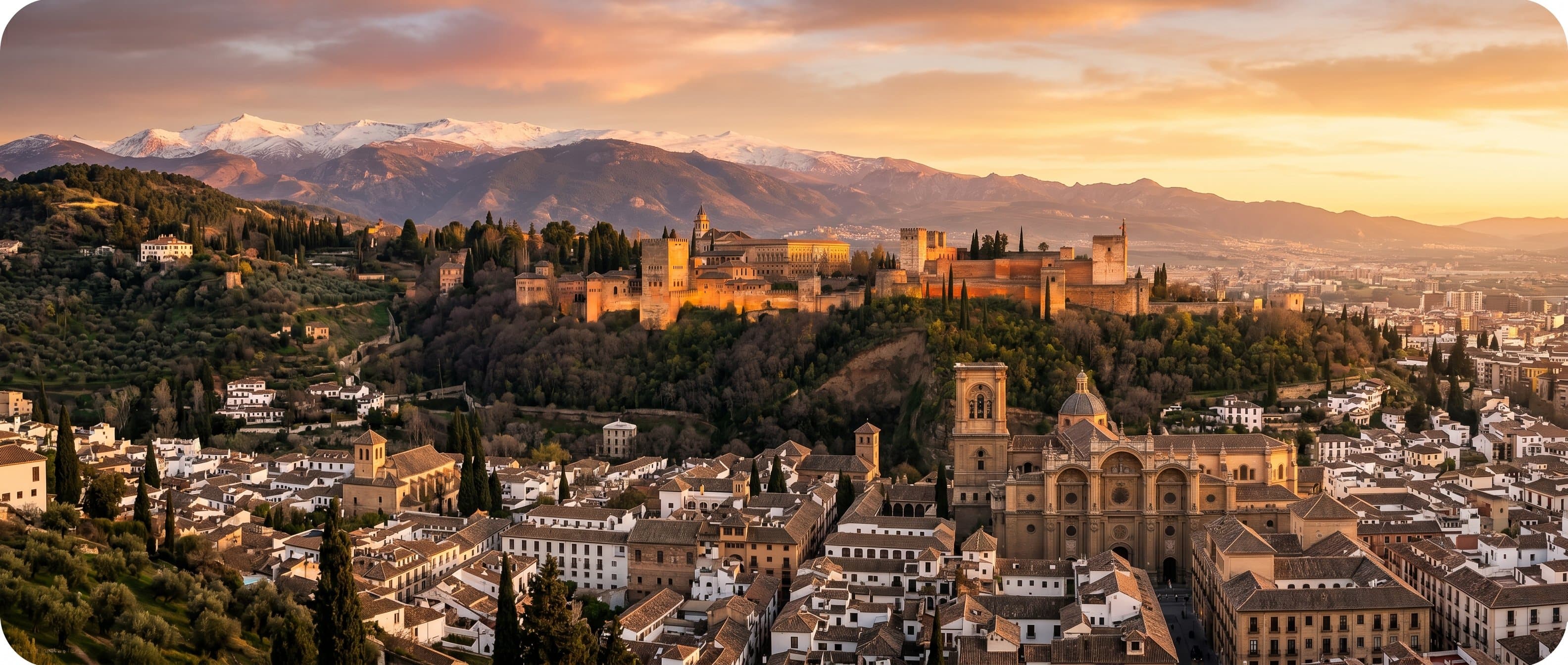
There is a local saying in Andalusia: 'Quien no ha visto Granada, no ha visto nada' (He who has not seen Granada, has seen nothing). In 2026, this proverb rings truer than ever. Nestled at the foothills of the snow-capped Sierra Nevada mountains, Granada remains Spain's most enchanting, culturally layered city. For the budget-conscious, internationally minded backpacker, Granada deserves a premier spot on your itinerary right now because of one compelling, unique reason: it is the last major Spanish city to staunchly defend the legendary 'free tapas' culture. While inflation has altered dining landscapes across Europe, in Granada, ordering a simple glass of local wine or a caña of beer still guarantees a generous, complimentary plate of food—ranging from jamón-stuffed croquetas to sizzling garlic prawns.
Beyond its culinary generosity, Granada is a living, breathing museum. It was the final stronghold of the Moors in Western Europe, only falling to the Catholic Monarchs in 1492. Today, the scent of jasmine and the sound of flamenco echo through its labyrinthine streets, offering digitally savvy travellers a deeply authentic escape that feels centuries away from the over-touristed coastal resorts. Whether you are navigating the steep, cobblestone alleys of the Albaicín or standing in awe before the intricate stucco of the Alhambra, Granada is a city that demands to be felt, not just seen.
Best Time to Visit
Granada experiences a continental climate, meaning it suffers from extreme heat in the summer and brisk, surprisingly cold days in the winter. Planning your 2026 visit requires a strategic look at the calendar.
- January: Crisp and cold (1-10°C). Snow occasionally dusts the city, and the nearby Sierra Nevada is in peak ski season. Crowds are minimal, and accommodation is incredibly cheap.
- February: Still chilly (2-12°C). A quiet month for the city, excellent for budget travellers looking to explore museums without the queues.
- March: Spring begins to break (5-16°C). Almond blossoms appear. Moderate crowds, especially around the Easter build-up.
- April: The arrival of Semana Santa (Holy Week). Weather is pleasant (7-20°C). Expect massive domestic crowds and peak hotel pricing during the festival, but the dramatic religious processions are unforgettable.
- May: The absolute sweet spot. Average temperatures hover between 10-24°C, the city is in full bloom, and the Cruces de Mayo festival brings dancing, drinking, and stunning floral crosses to the plazas.
- June: Approaching summer heat (15-30°C). The International Festival of Music and Dance takes place in the Alhambra gardens. Book well in advance.
- July: Scorching (18-35°C+). Locals flee to the coast. Only brave the city if you are prepared for midday siestas and late-night exploring.
- August: The peak of the heatwave (18-35°C+). Many local tapas bars shut down for their annual holidays. Best avoided.
- September: The heat breaks slightly (15-28°C). A fantastic time to visit as the university students return, bringing a buzz back to the nightlife.
- October: Another golden window. Balmy days (10-22°C) and cool nights. Perfect for hiking the surrounding hills and exploring the Albaicín.
- November: Noticeably cooler (5-15°C). The autumn foliage in the Alhambra woodlands is stunning. A great budget month.
- December: Cold (2-11°C) but festive. Christmas markets pop up in Plaza Bib-Rambla, and you can ski in the morning and eat tapas in the city by the afternoon.
Sweet Spot Recommendation: May. The weather is flawless, the jasmine is blooming, and the Cruces de Mayo festival showcases the city's vibrant communal spirit at its absolute best.
Travel Planning & Booking
For 2026, flying directly into Federico García Lorca Granada-Jaén Airport (GRX) is convenient but often pricier than the alternatives. The best budget route is typically flying into Málaga-Costa del Sol Airport (AGP) via low-cost carriers like EasyJet or Ryanair, and taking the direct ALSA bus straight from Málaga airport to Granada (approx. 2 hours, €12-14). If flying into GRX, Vueling and Iberia offer regular connections from Barcelona and Madrid.
Booking lead times are critical here. The Alhambra is Spain's most visited monument, and tickets routinely sell out 2 to 3 months in advance. Do not assume you can buy tickets at the gate.
Top 3 Booking Platforms
- Booking.com: Best for securing highly-rated hostels and mid-range pensions in the Albaicín with flexible cancellation policies.
- Omio: The most reliable app for comparing and booking ALSA buses and Renfe trains seamlessly across Andalusia.
- GetYourGuide: Essential if you miss out on official Alhambra tickets; they pool inventory for guided tours which often have last-minute availability.
2026 Visa Requirements
The implementation of the ETIAS (European Travel Information and Authorisation System) is now fully operational.
- UK, US, UAE Nationals: You can travel visa-free for up to 90 days within a 180-day period, but you must apply for an ETIAS waiver online (€7) before boarding your flight.
- EU Nationals: Freedom of movement; only a valid national ID card or passport is required.
- India Nationals: A full Schengen Visa must be applied for and approved prior to travel. Book appointments at BLS International at least 4-6 weeks ahead.
Travel Insurance
Travel insurance isn't just a box to tick; it’s a necessity for Granada. The Albaicín and Sacromonte neighbourhoods are ancient—built on steep inclines with uneven, polished cobblestones. Sprained ankles and minor falls are incredibly common. Furthermore, if you plan to ski in the Sierra Nevada or hike Los Cahorros in Monachil, you need coverage for adventure activities.
Recommended Providers
- World Nomads: Ideal for backpackers. They cover adventure sports like hiking the Sierra Nevada and allow you to buy or extend policies while already travelling.
- SafetyWing: The go-to for digital nomads taking a slow-travel approach through Andalusia, offering an affordable, subscription-based model.
- Heymondo: Excellent for tech-savvy travellers; their app includes a 24/7 medical chat feature which is invaluable if you need a quick translation for a local pharmacy.
Practical Tip: Ensure your policy explicitly covers "trip cancellation." If you miss your entry time for the Nasrid Palaces at the Alhambra (even by 5 minutes), you are denied entry, and tickets are strictly non-refundable.
Packing Guide
Granada's climate is one of extremes, demanding a strategic, layered approach to packing.
- Clothing: In spring/autumn, pack breathable cotton t-shirts, a light fleece, and a packable windbreaker. Winter requires a heavy coat, scarf, and gloves. Summer demands linen, a wide-brimmed hat, and high-SPF sunscreen.
- Cultural Dress: Spaniards generally dress smart-casual. While shorts are fine for daytime sightseeing, changing into trousers or a casual dress for evening tapas will help you blend in. When visiting the Cathedral, shoulders and knees should be covered.
- Must-Bring Item: Shoes with serious grip. The river-stone streets (empedrado granadino) are notoriously slippery, especially after a brief rain shower.
- What Tourists Over-Pack: Heavy guidebooks. Granada is best explored via mobile apps and wandering; physical books just weigh down your daypack on the steep hills.
Accommodation
Granada is remarkably compact, but picking the right neighbourhood drastically alters your experience.
Best Neighbourhoods
- Albaicín: The old Moorish quarter. Steep, romantic, and breathtaking. Best for views, but involves heavy walking.
- Realejo: The historic Jewish quarter. Gritty, vibrant, packed with incredible street art and the best local tapas bars.
- Centro: Flat, accessible, and close to the Cathedral. Ideal if you are hauling heavy backpacks or want to be near the main transit lines.
Top Picks
- Luxury: Parador de Granada. Set literally within the grounds of the Alhambra. A former 15th-century convent where you can sip wine overlooking the Generalife gardens.
- Boutique/Mid-Range: Hotel Casa 1800 Granada. Located in the Albaicín with exposed brick walls, wooden ceilings, and complimentary afternoon tea.
- Budget: ECO Hostel. Located on Gran Vía. Exceptionally clean, eco-friendly, fast Wi-Fi for digital nomads, and runs brilliant daily social events.
Booking Tip: If staying in the Albaicín, email your accommodation beforehand to ask for the nearest taxi drop-off point. Google Maps will routinely try to send cars down stairs or alleys too narrow for vehicles.
Getting Around Locally
Granada is a city built for walking, though the topography will test your calves.
- Airport to City Centre: The ALSA Airport Bus (€3.00, 45 minutes) syncs with flight arrivals and drops you at Gran Vía. A taxi costs around €30-35 and takes 30 minutes.
- Local Transport: The red Alhambra minibuses (C30, C31, C32) are lifesavers. They weave through the impossibly tight alleys of the Albaicín and up to the Alhambra (€1.40 per ride). The Granada Metro (€1.35) is a single light-rail line, mostly useful for reaching the bus station or commercial districts outside the centre.
- Apps: PideTaxi is the local alternative to Uber (which operates but has limited fleet size in Granada). Moovit is essential for live bus tracking.
- Tourist Mistake: Trying to drive into the city centre. Granada uses heavily monitored traffic restriction zones (A.C.I.R.E). Drive a rental car into the Albaicín, and you will almost certainly be hit with a €200 fine caught on camera.
Top Tourist Attractions (Must-See)
- The Alhambra & Generalife Why it matters: The pinnacle of Moorish art and architecture in Europe. A sprawling palace complex that defies description. Hours: 8:30 AM – 8:00 PM (Summer); 8:30 AM – 6:00 PM (Winter). Cost: €19.09 (General Admission). Best time: 8:30 AM, right at opening, to capture the Courtyard of the Lions without crowds. Insider Tip: Your ticket has a strict entry time for the Nasrid Palaces. Queue 15 minutes before this printed time; if you are late, you lose access forever.
- Mirador de San Nicolás Why it matters: The most iconic viewpoint in the city, offering a panoramic view of the Alhambra backed by the Sierra Nevada. Hours: 24/7. Cost: Free. Best time: One hour before sunset. Insider Tip: It gets incredibly crowded. For a quieter view, walk five minutes higher to the Mirador de San Cristóbal, or buy a drink at the adjacent El Huerto de Juan Ranas.
- Granada Cathedral & Royal Chapel (Capilla Real) Why it matters: The burial place of Isabella and Ferdinand, the Catholic Monarchs who altered the course of world history. Hours: 10:00 AM – 6:15 PM. Cost: €5 (Cathedral), €5 (Royal Chapel). Best time: Midday, to escape the heat. Insider Tip: Look for the exquisite Flemish art collection inside the Royal Chapel, personally owned by Queen Isabella.
- Sacromonte Caves Why it matters: The traditional Roma neighbourhood where houses are carved directly into the white rock face, the birthplace of Zambra flamenco. Hours: Museum 10:00 AM – 8:00 PM (Summer). Cost: €5 for the cave museum; €25-35 for a nighttime flamenco show. Best time: Late evening (9:00 PM onwards) for authentic atmosphere. Insider Tip: Avoid the highly commercialised 'cave shows' pushed by street touts. Book directly with Cueva de La Rocío or Los Tarantos.
- Carmen de los Mártires Why it matters: A stunning 19th-century estate with English and French gardens, peacocks, and hidden grottoes. Hours: 10:00 AM – 2:00 PM, 6:00 PM – 8:00 PM. Cost: Free. Best time: Late afternoon. Insider Tip: It’s located just a five-minute walk from the Alhambra entrance but is skipped by 95% of tourists. A perfect quiet retreat.
- The Bañuelo (Arab Baths) Why it matters: One of the oldest, most complete surviving Arab baths in Spain, dating to the 11th century. Hours: 10:00 AM – 5:00 PM. Cost: €5 (or included in the Dobla de Oro ticket). Best time: Morning. Insider Tip: Look up at the star-shaped skylights—they were designed to let out steam and let in natural light while maintaining privacy.
Local Food & Dining
Granada’s culinary scene is legendary. You pay for your drink (usually €2.50 to €3.00), and you receive a free tapa. Go to three bars, and you've had dinner for under €10.
Must-Try Dishes
- Habas con Jamón: Broad beans slow-cooked with local Trevélez cured ham.
- Plato Alpujarreño: A mountain remedy for hunger: fried eggs, potatoes, jamón, morcilla (blood sausage), and chorizo.
- Pionono: A bite-sized cylindrical pastry soaked in syrup and topped with toasted cream, originating from nearby Santa Fe.
- Tortilla del Sacromonte: A distinct local omelette traditionally made with mutton brains and testicles (though modern versions often use sweetbreads and peas).
Dining Recommendations
- High-End: Restaurante Ruta del Azafrán. Located on the Paseo de los Tristes. Offers refined Andalusian cuisine with international touches, boasting a direct view of the illuminated Alhambra.
- Mid-Range: Bodegas Castañeda. A chaotic, glorious institution off Calle Elvira. Massive barrels of vermouth, hanging hams, and generous mixed boards (tablas).
- Street Food/Casual: Bar Los Diamantes. Legendary for fried fish (pescaíto frito). It gets dangerously crowded by 9:00 PM; elbow your way to the bar and shout your order.
Dietary Note: Vegetarians will find the free tapas culture challenging, as jamón makes its way into almost everything. Specify "Soy vegetariano/a, nada de carne ni atún por favor" (I am vegetarian, no meat or tuna please) when ordering drinks.
Safety & Emergency Contacts
Granada is considered very safe, with a low violent crime rate. However, as a major tourist hub, pickpocketing is prevalent, particularly on the crowded C30 minibus, around the Cathedral, and at the Mirador de San Nicolás. At night, stick to well-lit paths in the Albaicín; the maze of stairs can be disorientating, and the dimly lit unpaved paths leading to Sacromonte can attract opportunistic bag-snatchers.
Another specific scam involves women offering you a sprig of rosemary around the Cathedral. If you accept it, they will aggressively demand money or offer to read your palm while an accomplice picks your pocket. Politely but firmly say "No, gracias" and keep walking.
Local Emergency Numbers
- General National Emergency: 112 (Operators speak English)
- National Police (Policía Nacional): 091 (For serious crimes/robbery)
- Local Police (Policía Local): 092 (For traffic, noise, minor disputes)
- Ambulance/Medical: 061 (or 112)
- Fire (Bomberos): 080
- Tourist Police (SATE): +34 958 20 50 61 (Dedicated to helping foreigners with lost passports/crimes).
Hospitals & Consulates
Nearest International Hospital: Hospital Universitario Virgen de las Nieves (Av. de las Fuerzas Armadas, 2, 18014 Granada). Excellent public hospital with an emergency wing; bring your passport and EHIC/GHIC or travel insurance details.
Embassies/Consulates: Most major embassies are in Madrid, but Andalusia is served by regional consulates: * UK Consulate (Málaga): Calle Mauricio Moro Pareto, 2, 29006 Málaga. Ph: +34 917 14 63 00. * US Consular Agency (Málaga/Fuengirola): Avenida Juan Gómez "Juanito", 8, 29640 Fuengirola, Málaga. Ph: +34 952 47 48 91. * Indian Embassy (Madrid): Avenida de Pío XII, 30-32, 28016 Madrid. Ph: +34 913 09 88 70. * UAE Embassy (Madrid): Calle Hernández de Tejada, 7, 28027 Madrid. Ph: +34 915 70 10 01.
Useful Apps & Resources
- Moovit: Essential for mapping out bus routes through the city.
- PideTaxi: The most reliable way to hail a licensed cab if you're stranded in the Albaicín at night.
- TheFork (ElTenedor): Great for booking tables at nicer restaurants and finding discounts up to 30%.
- Google Translate: Download the Spanish language pack offline. English proficiency drops significantly outside hotel receptions.
- Official Alhambra App: Download the official audio guide directly to your phone before entering the complex.
- Official Tourism Board: turgranada.es — Packed with updated schedules and cultural agendas.
Closing
Granada is a city that lingers in the soul long after you leave. It’s the thrill of biting into a perfect croqueta that didn't cost you a cent, the haunting echo of a Spanish guitar in a dimly lit cave, and the awe of witnessing the sun turn the Alhambra into a glowing ember at dusk. Pack your best walking shoes, embrace the late-night dining hours, and let Andalusia cast its spell on you. For more expertly curated itineraries, hidden gems, and 2026 travel updates, continue exploring travelnexusworld.com.
FAQ
- Is Granada safe for tourists? Yes, Granada is very safe. The main risks are pickpockets in crowded tourist spots like the Mirador de San Nicolás and on the C30/C32 buses. Always zip your bags and avoid dimly lit alleys in Sacromonte late at night.
- What is the best time to visit Granada? May and October are the best months. You avoid the extreme 35°C+ summer heat of July/August and the bitter cold of winter, while enjoying blooming flowers, cultural festivals, and mild hiking weather.
- How many days do I need in Granada? A minimum of 3 full days is recommended. Day 1 for the historic centre and tapas, Day 2 dedicated entirely to the Alhambra and Albaicín, and Day 3 for Sacromonte, the Bañuelo, and exploring local markets.
- Do I need a visa to visit Granada in 2026? If you are from the UK, US, or UAE, you do not need a traditional visa for stays up to 90 days, but you must apply online for the new €7 ETIAS waiver before flying. Indian citizens require a pre-approved Schengen visa.
- What is the local currency and can I use credit cards? The currency is the Euro (€). Credit cards are widely accepted via tap-to-pay almost everywhere, but you should carry small Euro coins (1s and 2s) for tipping buskers and paying for single bus fares.