Introduction
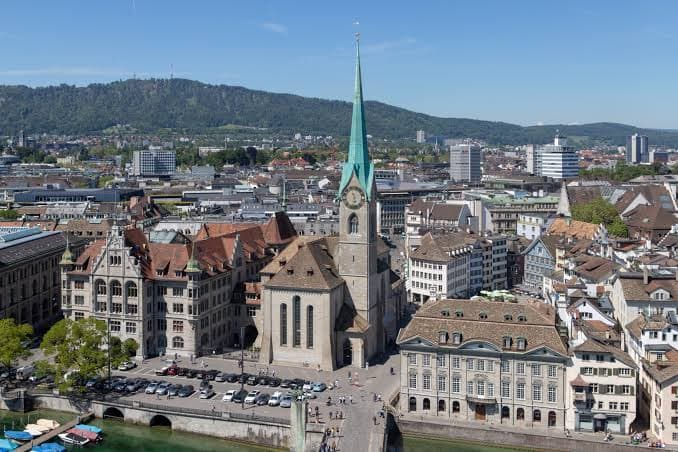
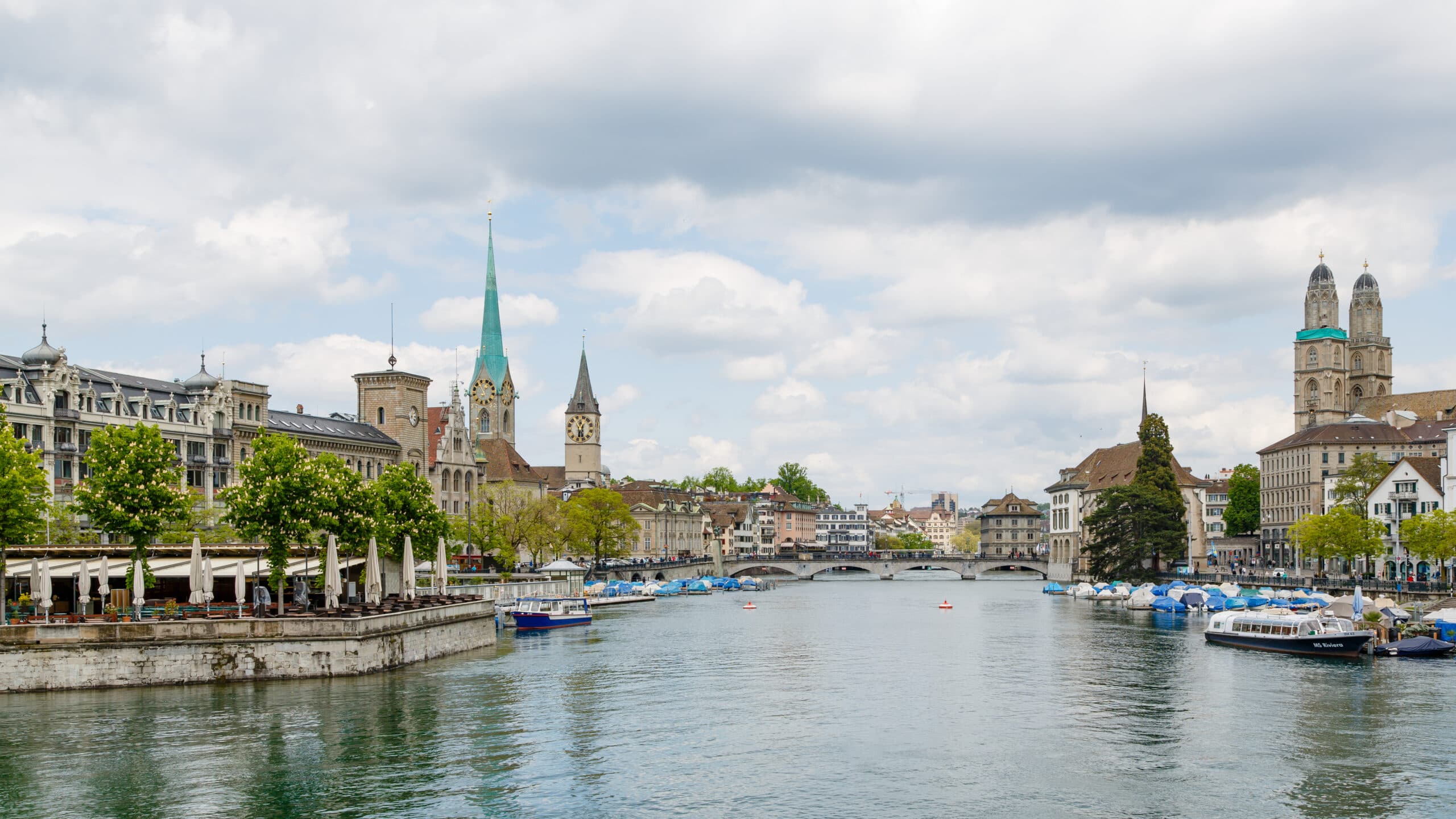
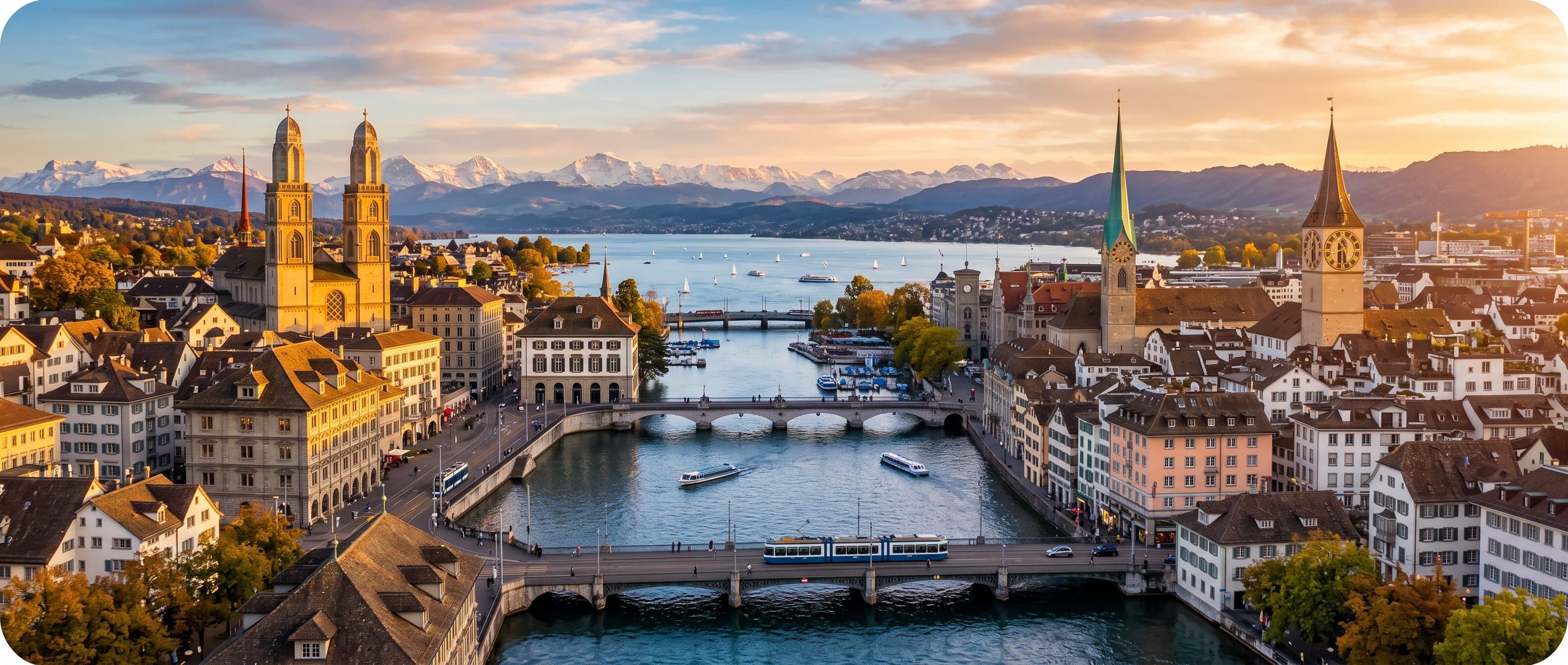
Zurich consistently tops global liveability indices, and it doesn’t take a visitor long to understand why. Far more than just a global financial hub, Switzerland’s largest city is a vibrant, culturally rich metropolis that sits perfectly poised at the northern tip of Lake Zurich, with the snow-capped Alps serving as a majestic backdrop. For the internationally minded family traveller in 2026, Zurich deserves a prime spot on your itinerary because it offers an unparalleled blend of hyper-efficient urban infrastructure and immediate access to pristine nature. You can spend your morning admiring world-class modern art, your afternoon swimming in crystal-clear lake waters, and your evening dining on sophisticated Swiss-fusion cuisine. The most compelling reason to visit Zurich right now? The city has recently transformed its former industrial quarter, Zurich West, into one of Europe's most exciting cultural and culinary districts, proving that this historic banking capital has a dynamic, creative soul waiting to be explored.
Best Time to Visit
Zurich is a true year-round destination, but timing your visit depends entirely on what you want to experience. January (Cold, 5-10°C, low crowds, budget pricing) and February (Cold, 5-12°C, low crowds, budget pricing) are ideal for winter sports enthusiasts using Zurich as a base camp for nearby alpine resorts, though the city itself can be quite grey. March (Mild, 10-15°C, moderate crowds, moderate pricing) sees the first hints of spring, while April (Pleasant, 15-20°C, high crowds, expensive) brings the famous Sechseläuten festival, where locals burn the Böögg (a snowman effigy) to predict the summer weather. May (Warm, 18-25°C, high crowds, expensive) and June (Hot, 22-30°C, very high crowds, peak pricing) are spectacular for outdoor café culture and lake cruises. July (Hot, 25-32°C, very high crowds, peak pricing) and August (Hot, 24-31°C, very high crowds, peak pricing) bring vibrant energy, with locals floating down the Limmat river and the spectacular Street Parade in August. September (Warm, 20-26°C, high crowds, expensive) is the absolute sweet spot for a visit. The summer heat lingers, the lake is still warm enough for a dip, but the massive tourist crowds have thinned. October (Pleasant, 15-22°C, moderate crowds, moderate pricing) brings stunning autumn foliage to the Uetliberg. November (Cool, 10-16°C, low crowds, budget pricing) is quiet and chilly, making way for December (Cold, 5-12°C, moderate crowds, moderate pricing), which transforms the city into a festive wonderland complete with the spectacular Christkindlimarkt at the main train station.
Travel Planning & Booking
Reaching Zurich is remarkably straightforward. Zurich Airport (ZRH) is a major European hub with excellent connectivity. The most efficient flight routes include London Heathrow (LHR) to ZRH, heavily serviced by British Airways and SWISS International Air Lines, and New York (JFK/EWR) to ZRH, flown directly by United Airlines, Delta, and SWISS. Given Zurich's popularity, you should book flights at least three to four months in advance for summer travel, and six months ahead if you plan to visit during the December Christmas markets. For booking platforms, Skyscanner remains the gold standard for comparing global flight paths and identifying the cheapest travel days. Booking.com is highly recommended for securing family-sized apartments and boutique hotels in the Altstadt, offering excellent flexible cancellation policies. Meanwhile, GetYourGuide is essential for pre-booking high-demand local experiences, such as the Lindt Home of Chocolate tour, which regularly sells out weeks in advance.
Regarding visa requirements for 2025/2026: Switzerland is part of the Schengen Area. UK, US, and UAE nationals can enter visa-free for up to 90 days within a 180-day period, but must ensure they have applied for the new ETIAS (European Travel Information and Authorisation System) waiver online prior to departure. EU nationals enjoy freedom of movement and only require a valid passport or national ID card. Indian nationals must apply for a standard Schengen Visa in advance through VFS Global. Always travel with a passport valid for at least three months beyond your planned departure date, proof of onward travel, and evidence of sufficient funds (or accommodation bookings), as Swiss border control is meticulous.
Travel Insurance
Switzerland possesses one of the finest healthcare systems in the world, but it is also one of the most expensive. A minor trip to the emergency room for a sprained ankle can easily result in a four-figure bill. Travel insurance is not just recommended; it is an absolute necessity for Zurich. Ensure your policy includes robust medical evacuation coverage, especially if you plan to take day trips to the Alps for skiing or hiking. You should also look for high-limit trip cancellation coverage, as Swiss hotels and train tickets represent a significant financial investment. World Nomads is excellent for adventurous families who might decide on a whim to try paragliding in nearby Interlaken. Allianz Travel Insurance offers brilliant, comprehensive family plans that cover kids for free and include excellent trip-interruption clauses. SafetyWing is a fantastic, flexible option for digitally savvy, long-term travellers who need rolling monthly coverage. Practical Tip: Always keep a digital copy of your insurance certificate and the 24-hour emergency assistance phone number saved offline on your smartphone.
Packing Guide
Zurich’s climate demands strategic layering. In summer, pack lightweight, breathable fabrics, a swimsuit for lake days, and a light cardigan for breezy evenings. In winter, thermal base layers, a high-quality waterproof and windproof coat, gloves, and a beanie are non-negotiable. Culturally, the Swiss dress impeccably well; the local style is 'smart-casual and understated'. Avoid excessively loud patterns or overly distressed clothing if you want to blend in. For dining at upscale restaurants, men should pack a collared shirt and tailored trousers, while women often opt for elegant dresses or smart separates. A must-bring item specific to Zurich is a high-quality, reusable water bottle; the city features over 1,200 public fountains dispensing pristine, ice-cold alpine drinking water. The one item tourists consistently over-pack? Massive, heavy suitcases. Navigating Zurich’s cobbled Altstadt streets and hopping on and off incredibly punctual trains is much easier with a sturdy, medium-sized travel backpack or a compact four-wheel spinner.
Accommodation
Choosing the right neighbourhood is key to a successful Zurich stay. The Altstadt (District 1) is perfect for first-timers wanting to be walking distance from historical landmarks and the lake. Zurich West (District 5) is the trendiest area, ideal for returning visitors who love modern art, converted industrial spaces, and vibrant nightlife. Seefeld (District 8), stretching along the eastern shore of the lake, is the premier choice for families looking for quiet, upscale streets, boutique shopping, and immediate lake access.
For absolute luxury, The Dolder Grand is an iconic castle-like resort perched on a hill above the city, offering a Michelin-starred restaurant, a sprawling spa, and panoramic views of the Alps. A brilliant mid-range option is Motel One Zürich, located near the Old Botanical Garden, which offers exceptionally stylish, modern rooms and a generous breakfast buffet at a surprisingly accessible price point. For a boutique experience, the Boutique Hotel Helvetia sits right on the Sihl river, featuring uniquely designed rooms and a beloved local restaurant. Booking Tip: Many Swiss hotels do not automatically include air conditioning. If you are travelling in July or August, verify that your specific room type features 'Klimaanlage' (A/C).
Getting Around Locally
Zurich Airport is phenomenally well-connected to the city centre. The fastest and best option is the S-Bahn (train). Lines S2, S16, or S24 depart from the airport basement every 5–10 minutes, taking exactly 10-15 minutes to reach Zurich Hauptbahnhof (Main Station) for around CHF 7.00. Taxis are available outside arrivals but will cost between CHF 60-80 and take roughly 30-45 minutes depending on traffic. Uber operates in Zurich and generally costs CHF 45-60 for the same route.
Locally, Zurich's public transport network (ZVV) is arguably the best in the world. Trams, buses, and boats operate with to-the-minute precision. Download the SBB Mobile app; it is the ultimate tool for checking timetables and buying digital tickets. The most common tourist mistake is forgetting to buy a ticket before boarding a tram or failing to validate a paper ticket. There are no turnstiles, but plain-clothes inspectors patrol frequently, and the on-the-spot fine for travelling without a valid ticket is a strict CHF 100.
Top Tourist Attractions (Must-See)
Grossmünster: This iconic Romanesque church with its twin towers is the symbol of reformed Zurich. It matters because it was the starting point of the Swiss-German Reformation under Huldrych Zwingli. Open 10:00 AM - 5:00 PM (winter) / 6:00 PM (summer). Entry to the church is free, but climbing the Karlsturm tower costs CHF 5. Best visited right at opening to avoid the tight staircase crowds. Insider tip: Don't miss the stunning modern stained-glass windows by Sigmar Polke in the rear half of the nave.
Fraumünster: Located directly across the river, this church is famous for its breathtaking stained-glass windows created by Marc Chagall. Open 10:00 AM - 5:00 PM. Entry is CHF 5 (includes an audio guide). Best time is mid-morning when the sunlight illuminates the eastern choir windows. Insider tip: Look closely at the green window—it depicts the story of Christ, but Chagall painted himself into the top left corner.
Lake Zurich Cruise: Experiencing the city from the water offers a completely different perspective of the Gold Coast (eastern shore) and Silver Coast (western shore). Cruises run varying hours from Bürkliplatz. A short round trip (1.5 hours) costs around CHF 9. Best in the late afternoon. Insider tip: If you purchase a 24-hour ZVV zone 110/150 pass, the short lake cruise is completely included.
Lindt Home of Chocolate: A spectacular interactive museum in Kilchberg featuring a 9-metre tall chocolate fountain. Essential for families to learn the history of Swiss chocolate-making. Open 10:00 AM - 6:00 PM. Entry is CHF 17 for adults, CHF 10 for kids. Best visited on a rainy afternoon. Insider tip: Book your tickets online at least two weeks in advance, as walk-ups are routinely turned away.
Uetliberg: Zurich’s local mountain offers sweeping panoramic views of the city, lake, and the distant Alps. Accessible via the S10 train from the main station (20 minutes). The mountain is open 24/7, and access is free (train ticket is roughly CHF 18 return). Best at golden hour just before sunset. Insider tip: Hike the 'Planet Trail' from Uetliberg to Felsenegg; it’s a brilliant, easy 2-hour walk for families, ending with a scenic cable car ride down.
FIFA Museum: An interactive paradise for football fans charting the history of the beautiful game. Open Tuesday-Sunday, 10:00 AM - 6:00 PM. Entry is CHF 24 for adults. Best for late mornings. Insider tip: The giant pinball-style football game on the lower level is highly addictive; allocate at least an extra 30 minutes just for this section.
Local Food & Dining
Swiss cuisine is hearty, comforting, and deeply satisfying. You must try Zürcher Geschnetzeltes (veal strips cooked in a rich mushroom and white wine cream sauce, typically served with crispy potato Rösti). Cheese Fondue is a staple, even though locals traditionally only eat it in winter. Rösti, a crispy pan-fried potato cake, is the ultimate side dish. Finally, for a sweet treat, grab a box of Luxemburgerli—light, airy macarons invented by the famous local confectioner Sprüngli.
For a high-end, legendary dining experience, book a table at Kronenhalle. Located near Bellevue, this historic restaurant serves the best Zürcher Geschnetzeltes in town, and you will dine surrounded by original artwork from Picasso, Chagall, and Miró (expect to pay upwards of CHF 100 per person). For a bustling, mid-range traditional meal, head to Zeughauskeller just off Paradeplatz. Housed in a 15th-century armoury, it’s noisy, fun, and serves massive portions of sausage and Rösti. For street food, you cannot beat Sternen Grill at Bellevue. Join the queue for an iconic St. Galler Bratwurst served with a fiery, sinus-clearing mustard and a crusty gold-bürkli roll. Dietary Note: While traditional Swiss food is very meat-and-dairy heavy, Zurich is incredibly progressive. Almost all restaurants offer extensive vegetarian options, and plant-based mecca 'Hiltl' (the world's oldest vegetarian restaurant) is a must-visit even for carnivores.
Safety & Emergency Contacts
Zurich is remarkably safe, frequently ranking as one of the safest cities globally. Violent crime is exceedingly rare, and families can feel comfortable walking through most neighbourhoods late at night. However, normal travel precautions apply. The area around Langstrasse (District 4) is the city's nightlife and red-light district; while generally safe, it can be rowdy late at night and is best avoided by families after 10:00 PM. Watch out for petty pickpockets around the main train station and avoid the 'fake petition' scam, where someone asks for a signature and a donation for a fake charity while an accomplice attempts to pick your pocket. Healthcare is exceptional. The nearest major international-standard facility is Universitätsspital Zürich (University Hospital Zurich) on Rämistrasse 100.
Useful Apps & Resources
To navigate Zurich like a local, ensure you have these apps downloaded: SBB Mobile (essential for all public transport tickets and timetables), MeteoSwiss (provides incredibly accurate, hyper-local weather and radar predictions, crucial for mountain trips), The Fork (excellent for securing restaurant reservations and finding dining discounts), Uber (for late-night transit when the trams have stopped), and Google Translate (download the German offline pack to help read menus and signs). Finally, bookmark the official tourism board website, zuerich.com, which is an outstanding, frequently updated resource for current exhibitions and festival dates.
Closing
Zurich is a city that rewards the curious traveller. Whether you are wandering through the medieval alleyways of the Altstadt, savouring world-class chocolate, or gazing out at the snow-capped Alps from a pristine lake boat, the city seamlessly combines historical charm with modern luxury. It is efficient, breathtakingly beautiful, and incredibly welcoming to families from around the globe. To discover more expertly curated itineraries, exclusive hotel reviews, and insider travel tips for your next European adventure, explore more at www.travelnexusworld.com.
FAQ
Is Zurich safe for tourists? Yes, Zurich is exceptionally safe. Crime rates are very low, though standard precautions against pickpocketing in crowded areas like the train station should be maintained.
What is the best time to visit Zurich? September is ideal, offering warm weather, swimmable lake temperatures, and fewer crowds than July and August.
How many days do I need in Zurich? A 3 to 5-day stay is perfect. This allows two days for the city center and museums, and a couple of days for alpine day trips like Mount Titlis or Lucerne.
Do I need a visa to visit Zurich? US, UK, and UAE citizens can visit visa-free for up to 90 days (ETIAS required soon). EU citizens have freedom of movement. Indian citizens require a Schengen visa.
What is the local currency and can I use credit cards? The currency is the Swiss Franc (CHF). Credit cards are accepted almost everywhere, including for minor purchases like coffee or tram tickets, though keeping a small amount of cash is handy for street markets.