
Introduction
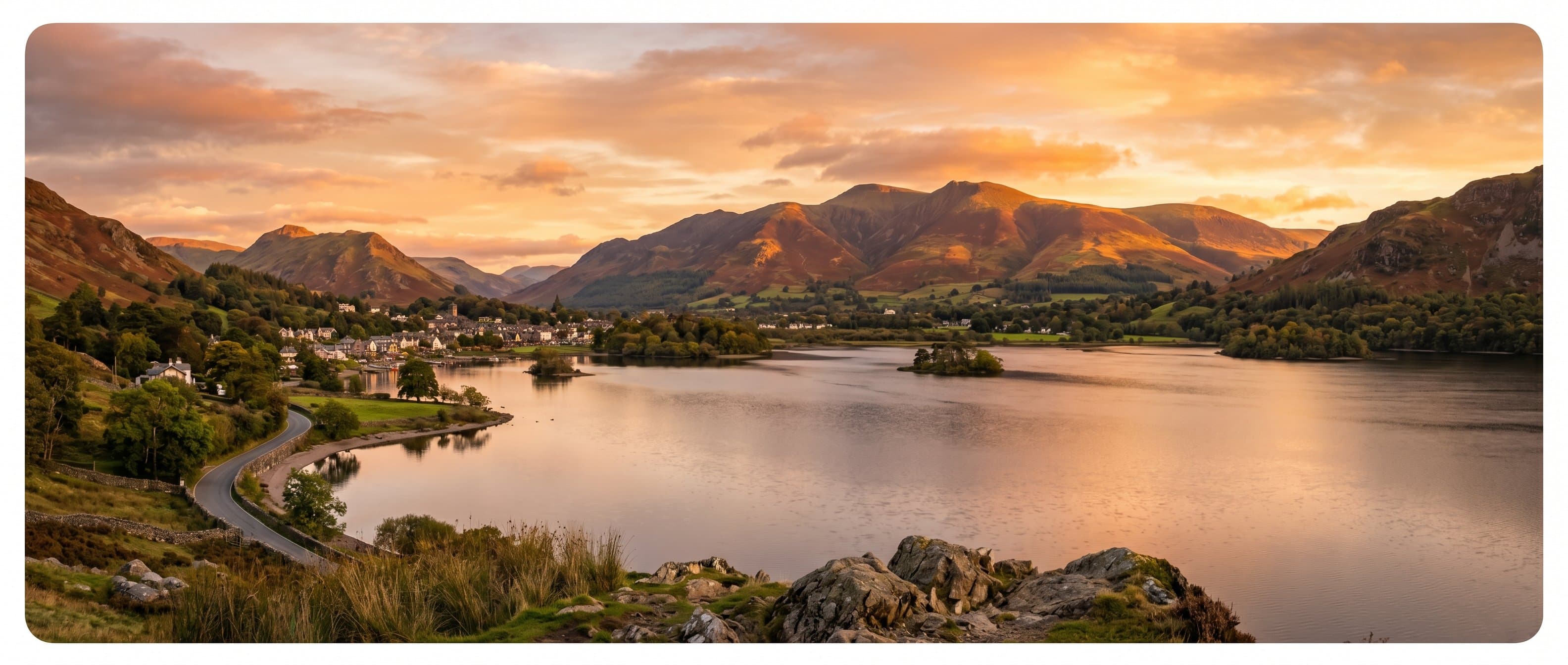
There has never been a better time to pack your boots for Cumbria. Our comprehensive Lake District travel guide 2026 reveals why this UNESCO World Heritage site remains the crown jewel of the British countryside. For the modern budget backpacker, the digitally savvy digital nomad, and the internationally minded explorer, the Lakes offer an unparalleled mix of rugged adventure and cultural depth. What makes the Lake District unmissable right now is the massive investment in sustainable, car-free travel infrastructure. With the expansion of the electric Stagecoach bus fleet and integrated ticketing via apps, you can easily access the deepest valleys and highest fells without the expense of a rental car. Whether you are wild swimming in Derwentwater or tracing the footsteps of Beatrix Potter, the Lake District delivers a profound sense of wilderness just hours from the UK's major cities.
Best Time to Visit
The Lake District is famously subject to four seasons in a single day, but strategic timing can transform your trip. Spring (March to May) brings blooming bluebells and the famous Herdwick lambs to the valleys, though rain is frequent. Summer (June to August) offers the longest days—perfect for summiting Scafell Pike—but this is peak season, bringing intense crowds to Windermere and Keswick, alongside premium accommodation prices. Autumn (September to November) is arguably the most visually spectacular, as the fells turn vibrant shades of rust and gold. Winter (December to February) is quiet, budget-friendly, and atmospheric, though many rural attractions close and high-level hiking requires winter mountaineering skills.
The Sweet Spot: September is the ultimate time to visit. The bracken on the fells turns a fiery amber, the summer school holiday crowds have vanished, and the lakes are at their warmest for wild swimming after soaking up the summer sun. Accommodation prices also drop by around 20% compared to August.
Travel Planning & Booking
International travellers should fly into Manchester Airport (MAN), which offers direct train connections straight to Windermere via Oxenholme (approx. 2 hours). Alternatively, London Heathrow (LHR) connects to the Lakes via the Avanti West Coast mainline from London Euston in about 3 hours. For the best rates, book train tickets via the Trainline app 8-12 weeks in advance. Accommodation, especially hostels like YHA Ambleside and mid-range pubs, must be booked at least 4-6 months ahead for summer visits.
For 2026, UK border rules have changed. US, EU, and UAE nationals now require an Electronic Travel Authorisation (ETA) before flying, costing £10 and valid for two years. Indian nationals require a Standard Visitor Visa, which demands biometrics and takes about 3 weeks to process. Ensure your passport is valid for at least six months beyond your departure date.
Travel Insurance
Never venture into the Cumbrian fells without comprehensive travel insurance. While the UK's National Health Service (NHS) provides free emergency care at the point of need, and the heroic Mountain Rescue teams are volunteer-led and free of charge, medical evacuation to your home country, trip cancellations due to severe UK weather, and lost baggage are not covered. When selecting a policy, ensure it explicitly covers 'adventure activities' or 'hiking up to 1,000 metres', as the Lake District's highest peak, Scafell Pike, sits at 978 metres.
Recommended Providers: World Nomads is ideal for backpackers doing serious ridge scrambling. SafetyWing is brilliant for long-term digital nomads mixing fell walks with laptop sessions in Ambleside cafes. TrueTraveller is a highly rated UK/European alternative offering bespoke extreme sports add-ons.
Practical Tip: Save the local Mountain Rescue protocol to your phone. If you are lost or injured on the fells, dial 999, ask for the Police, then ask for Mountain Rescue.
Packing Guide
The Cumbrian climate is notoriously wet. Cotton is your enemy here; instead, pack a high-quality Gore-Tex waterproof jacket, waterproof over-trousers, and moisture-wicking merino wool base layers. Sturdy, broken-in waterproof hiking boots are non-negotiable for the rocky terrain. A reusable thermos flask is a local staple for enjoying a hot cup of tea at the summit of a windy fell. Culturally, the UK is very relaxed, but bringing a 'smart casual' outfit (like dark jeans and a nice jumper) is expected if you plan to eat in higher-end gastropubs in the evening.
The item tourists over-pack: Umbrellas. The winds whipping across the fells and lakes will destroy an umbrella in seconds. Stick to a hooded waterproof shell.
Accommodation
Choosing your base is the most crucial decision of your trip. Keswick is the northern hub, perfect for hardcore hikers and pub-goers, sitting right on Derwentwater. Ambleside is the geographic centre, bustling with outdoor gear shops, excellent bakeries, and transport links. Grasmere is quieter, deeply historic, and steeped in Wordsworth's legacy.
For a luxury stay, The Gilpin Hotel & Lake House near Windermere offers Michelin-starred dining and private hot tubs. Mid-range travellers should book The Salutation Hotel in Ambleside, which boasts a fantastic leisure club for post-hike recovery. Budget backpackers will find no better spot than YHA Ambleside, located right on the edge of Lake Windermere with stellar communal kitchens and cheap beds. Booking tip: Always book directly with independent B&Bs; they often throw in a free cooked Cumbrian breakfast that third-party sites don't include.
Getting Around Locally
Forget the rental car; the Lake District's narrow, winding, dry-stone-wall-lined roads are stressful and parking is prohibitively expensive. From Manchester Airport, take the Northern Rail train to Oxenholme, then the branch line to Windermere (approx. $30-40, 2 hours). Locally, the Stagecoach bus network is phenomenal. The 555 route from Kendal to Keswick is one of Britain's most scenic bus rides. Use the Stagecoach Bus app to buy a 'North West Explorer' day ticket. Another fantastic option is the Windermere Lake Cruises, which act as a waterbus between Bowness, Ambleside, and Lakeside.
Common tourist mistake: Relying on Google Maps for walking times between villages. Google does not account for the severe elevation changes; a 2-mile walk can take three hours if it's over a mountain pass. Always use OS Maps instead.
Top Tourist Attractions (Must-See)
1. Scafell Pike: England's highest mountain. It matters because summiting it is a rite of passage. Open 24/7, free entry. Best time: Start at 7:00 AM to avoid crowds. Insider tip: The route from Wasdale Head is shortest, but the Corridor Route from Seathwaite is vastly more scenic.
2. Windermere Lake Cruises: The most popular attraction in Cumbria, offering a relaxed way to see the landscape. Hours: 9:00 AM - 5:30 PM. Cost: $15-25 depending on the route. Best time: Late afternoon for softer lighting. Insider tip: Buy a 'Freedom of the Lake' 24-hour ticket to hop on and off.
3. Dove Cottage (Wordsworth Grasmere): The extraordinarily preserved home of poet William Wordsworth. Hours: 10:00 AM - 5:00 PM. Cost: $18. Best time: Early morning. Insider tip: Spend time in the garden where he actually composed much of his poetry.
4. Castlerigg Stone Circle: A 5,000-year-old Neolithic stone circle surrounded by dramatic fells. Hours: 24/7. Cost: Free. Best time: Sunrise. Insider tip: Bring a wide-angle lens; the panoramic backdrop of the Helvellyn and High Seat ranges is phenomenal.
5. Beatrix Potter's Hill Top: The 17th-century farmhouse where Potter wrote her famous tales. Hours: 10:00 AM - 4:00 PM (closed Fridays). Cost: $18. Best time: Mid-week afternoons. Insider tip: Parking is tiny; take the cross-lake ferry from Bowness and walk up.
6. Catbells: The perfect beginner's mountain, offering massive reward for moderate effort. Hours: 24/7. Cost: Free. Best time: Golden hour (evening). Insider tip: Take the Keswick Launch boat across Derwentwater to the Hawes End jetty to start your hike with flair.
Local Food & Dining
Cumbrian food is hearty, calorie-dense, and designed to fuel long days on the hills. You must try a Cumberland Sausage (a thick, coiled, peppery pork sausage), Sticky Toffee Pudding (invented in the village of Cartmel), Kendal Mint Cake (a high-energy sugar block famously taken on the 1953 Everest expedition), and Grasmere Gingerbread (a spicy, chewy cross between a biscuit and a cake).
For high-end dining, L'Enclume in Cartmel is a 3-Michelin-star sensation offering a massive tasting menu of hyper-local foraged ingredients. For mid-range comfort, hit The Dog and Gun in Keswick, famous for its Hungarian Goulash and local ales. For a budget bite, visit Chesters by the River at Skelwith Bridge, offering colossal vegan sausage rolls and wood-fired flatbreads. Dietary note: The Lake District is incredibly vegan-friendly, with almost all pubs offering dedicated plant-based menus alongside traditional meat dishes.
Safety & Emergency Contacts
The Lake District is exceptionally safe regarding crime; the main dangers are environmental. The weather can change from sunshine to a whiteout blizzard on the high fells in minutes. Never rely solely on a smartphone for navigation as batteries die in the cold; bring a physical map and compass. Beware of ticks in long grass (Lyme disease is present) and avoid wild swimming immediately after heavy rainfall due to agricultural runoff.
Local Emergency Numbers:
Police, Ambulance, Fire, and Mountain Rescue: 999 or 112.
Non-emergency medical advice: 111.
Non-emergency police: 101.
Nearest international-standard hospital: Royal Lancaster Infirmary (Ashton Rd, Lancaster LA1 4RP) or Cumberland Infirmary (Carlisle).
Embassy Contacts (London-based, covering all UK emergencies):
US Embassy: 33 Nine Elms Ln, London SW11 7US. Phone: +44 20 7499 9000.
Indian High Commission: India House, Aldwych, London WC2B 4NA. Phone: +44 20 7836 8484.
UAE Embassy: 1-2 Grosvenor Cres, London SW1X 7EE. Phone: +44 20 7581 1281.
Useful Apps & Resources
Ensure your smartphone is loaded with these essentials: OS Maps (the holy grail for UK topographic maps, works offline), Stagecoach Bus (for mobile bus tickets and live tracking), Met Office Weather (for accurate mountain weather forecasts), RingGo (essential, as many rural car parks no longer accept cash), and Trainline (for all UK rail travel). For official tourism updates, visit www.visitlakedistrict.com.
Closing
The Lake District remains a testament to the wild beauty of the British Isles. It demands a little effort—a willingness to face the rain, to climb the steep paths, and to navigate the rural lanes—but the reward is an landscape of profound, soul-stirring majesty. Whether you are seeking budget-friendly hostel adventures or boutique lakeside luxury, Cumbria is waiting to inspire you. For more expertly curated guides, hidden gems, and travel hacks, continue your journey with us at www.ainexusworld.com.
FAQ
Is the Lake District safe for tourists? Extremely safe in terms of crime. The primary hazards are weather-related on the mountains. Always check the Met Office mountain forecast before hiking.
What is the best time to visit? September is the ultimate sweet spot. The weather is generally stable, the summer crowds have dispersed, and the autumn colours begin to emerge.
Do I need a car? No. While a car offers flexibility, the Stagecoach bus network, lake cruisers, and a robust network of footpaths make it entirely possible (and less stressful) to explore car-free.
What should I pack? Waterproof everything. A high-quality Gore-Tex jacket, waterproof trousers, and broken-in hiking boots are essential. Leave the umbrella at home.
How many days do I need? A minimum of 3-4 days to see the highlights, but 7 days allows you to explore the quieter western lakes like Wastwater and Buttermere without rushing.