
Introduction
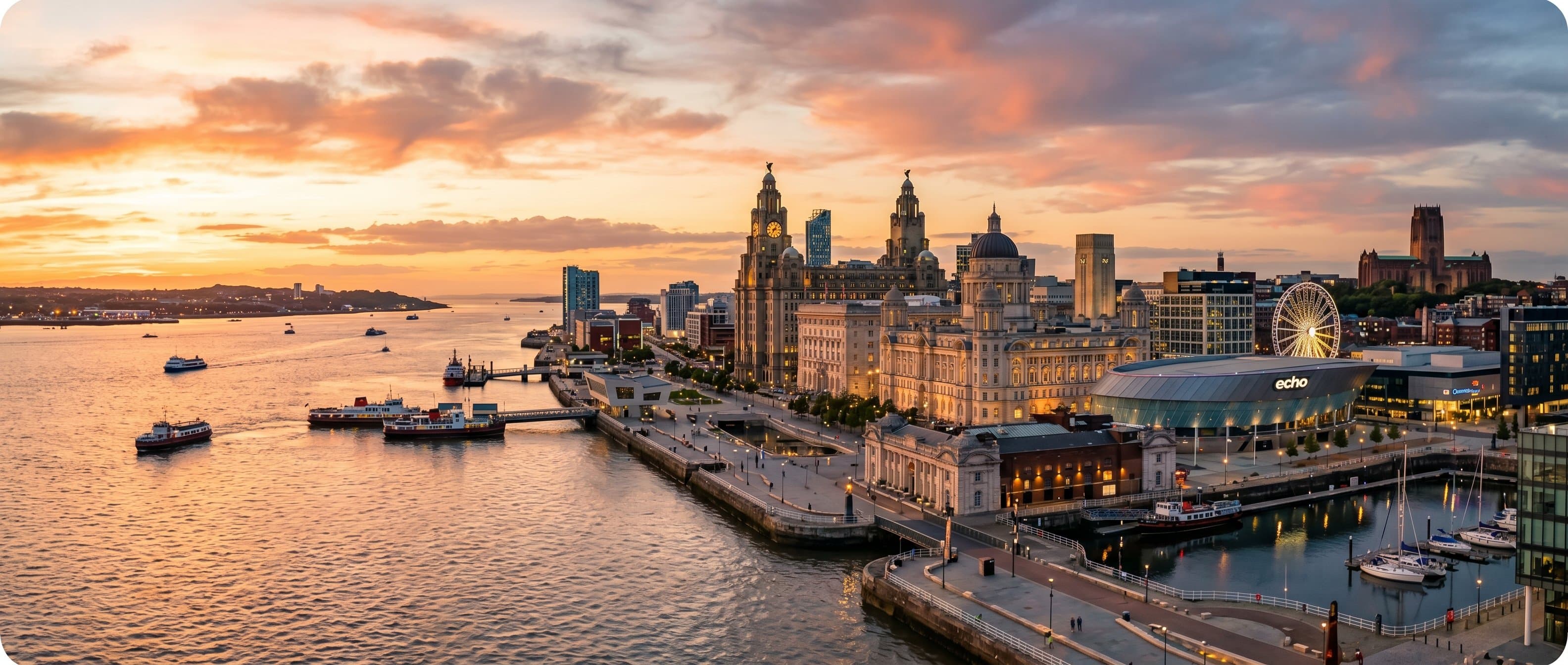
Liverpool is a city that never simply whispers; it sings, it cheers, and it welcomes you with open arms. Far from resting on the laurels of being the birthplace of The Beatles, Liverpool in 2026 is a dynamic, forward-looking metropolis that has successfully transformed its industrial docklands into vibrant cultural hubs. For the internationally minded, digitally savvy traveller, Liverpool offers a rare blend of UNESCO-grade maritime history, grassroots creative scenes, and an infectious, unapologetic local spirit—all at a price point significantly more accessible than London or Edinburgh.
What truly sets Liverpool apart right now is its grassroots cultural renaissance. The Baltic Triangle, once a collection of abandoned warehouses, is now a thriving ecosystem of digital start-ups, indie breweries, and street food markets. Whether you're a budget backpacker tracing the steps of the Fab Four, a football fanatic making a pilgrimage to Anfield, or a culture seeker hunting for contemporary art at the Tate Liverpool, the city delivers on every front. The warmth of the 'Scousers' (the locals) is legendary; within hours of arriving, you'll likely find yourself in a deep conversation with a stranger in a traditional pub. Liverpool doesn't just offer sights; it offers a profound sense of belonging.
Best Time to Visit
Liverpool’s maritime climate means the weather can be predictably unpredictable, but the city’s vibrant cultural calendar ensures there is always something happening. The absolute 'sweet spot' for budget backpackers and independent travellers is the shoulder season, specifically May and September. During these months, the weather is mild enough for walking the expansive docklands, the summer crowds have either not yet arrived or have dispersed, and accommodation prices remain sensible.
If you visit in May, you can enjoy the Sound City music festival, which champions emerging global talent across various indie venues. Summer (June to August) brings the best weather, peaking around 22°C, and a festive atmosphere, especially during the International Beatleweek in August. However, this is also peak pricing season, and hostels fill up months in advance. Winter in Liverpool is brisk and damp, but the city counters the gloom with spectacular Christmas markets at St George's Hall and roaring fires in the pubs of the Georgian Quarter. If you're on a strict budget, November and January offer the cheapest accommodation rates, though you'll need to pack plenty of warm, waterproof layers.
Travel Planning & Booking
For international travellers, arriving in Liverpool typically means flying into either Liverpool John Lennon Airport (LPL) or the much larger, nearby Manchester Airport (MAN). Manchester offers far more intercontinental connections and is only a direct 50-minute train ride away from Liverpool Lime Street station. Budget airlines like Ryanair and EasyJet operate frequent routes from major European hubs directly into Liverpool.
To secure the best rates, aim to book your flights 2 to 3 months in advance. For accommodation, especially if you want to stay in popular spots like the YHA Albert Dock or a boutique hotel in the Ropewalks, a 6-to-8-week lead time is strongly advised. 2026 sees the full implementation of the UK's Electronic Travel Authorisation (ETA) system. Visitors from the US, EU, and UAE must apply for an ETA online before flying, which costs a nominal fee and is valid for multiple entries over two years. Indian nationals currently still require a Standard Visitor Visa, which involves a more extensive application process and biometric appointments, so start this process at least three months before your trip.
Travel Insurance
While the UK's National Health Service (NHS) provides free emergency treatment at the point of use, travel insurance remains absolutely critical. If you are admitted to the hospital, require repatriation, or need ongoing care, non-UK residents will be billed, and these costs can be astronomical. Furthermore, insurance is vital for protecting against trip cancellations, delays (which are not uncommon during winter storms), and theft of digital gear like laptops or cameras.
Look for comprehensive cover that includes a minimum of £2 million in medical expenses, coverage for personal electronics, and protection against flight disruptions. Providers like World Nomads, SafetyWing, and Allianz are highly recommended. A practical tip: explicitly check if your policy covers 'city break' activities or minor adventurous pursuits if you plan on renting e-scooters or taking a ferry trip on the Mersey, as some basic policies exclude micro-mobility transport accidents.
Packing Guide
The golden rule for packing for Liverpool is layering. The weather can transition from brilliant sunshine to a sharp, maritime drizzle in the space of an hour. A high-quality, lightweight rain jacket is essential year-round—do not rely solely on an umbrella, as the wind off the River Mersey will quickly render it useless. Bring comfortable, broken-in walking shoes, as Liverpool’s city centre is incredibly walkable, though the cobbled streets around the Albert Dock can be tough on the feet.
Culturally, the UK is very relaxed, but Scousers take immense pride in their appearance, especially on a weekend night out. If you plan to hit the high-end bars in the Ropewalks or Castle Street, smart-casual attire is required; heavily soiled trainers or scruffy sportswear might get you turned away. One item tourists frequently over-pack is heavy winter gear in the shoulder seasons; you are better off with a versatile fleece and a waterproof shell than a massive parka that will be too warm in a crowded pub.
Accommodation
Choosing the right neighbourhood in Liverpool dictates the rhythm of your trip. The Baltic Triangle is perfect for the digitally savvy backpacker, offering proximity to co-working spaces, street food, and indie nightlife. The Ropewalks is the epicentre of the city's famous nightlife and independent shopping scene (check out Bold Street). For a quieter, more refined stay, the Georgian Quarter features stunning architecture, excellent traditional pubs, and proximity to both cathedrals.
For luxury, The Titanic Hotel Liverpool, located in the historic Stanley Dock, offers massive rooms with exposed brickwork and world-class spa facilities. In the mid-range category, the Hope Street Hotel provides boutique elegance in the heart of the Georgian Quarter, featuring brilliant views across the city. Budget backpackers should look no further than the YHA Liverpool Albert Dock; it offers clean, modern dormitories right next to the city's major tourist attractions, making it incredibly easy to save money on transport.
Getting Around Locally
If you fly into Liverpool John Lennon Airport, the Arriva 500 Airport Express bus is the best budget option, taking about 35 minutes to reach the city centre. Alternatively, an Uber or black cab will take around 25 minutes. Once in the city, the absolute best way to get around is by walking. Liverpool's centre is compact and pedestrian-friendly.
For slightly longer journeys—perhaps heading to Anfield or Crosby Beach—the Merseyrail train network is superb, functioning much like a local metro system. Day passes (Saveaway tickets) are incredibly cost-effective. Voi e-scooters are dotted around the city and can be unlocked via their app for quick, fun rides. A common tourist mistake is assuming you need to rent a car; parking in central Liverpool is expensive and completely unnecessary given the quality of public transport.
Top Tourist Attractions (Must-See)
1. Royal Albert Dock: The heart of Liverpool's maritime heritage. This complex of dock buildings and warehouses is the largest single collection of Grade I listed buildings in the UK. It matters because it encapsulates the city's history as a global trading powerhouse. Entry is free to walk around (24/7). Best visited at golden hour for stunning photography. Insider tip: grab a coffee from one of the independent cafes and watch the sunset over the Mersey.
2. The Beatles Story: Located at the Albert Dock, this immersive museum tells the complete story of the world's most famous band. It's essential for music fans. Open 9:00 AM - 5:00 PM, entry is £20. Best time to visit is right at opening time to avoid the massive crowds. Insider tip: the audio guide is narrated by John Lennon's sister, Julia, adding a deeply personal touch.
3. Liverpool Cathedral: The largest Anglican cathedral in the UK, a magnificent feat of Gothic revival architecture. Entry is free (donations welcome), open 10:00 AM - 6:00 PM. Best time is late afternoon when the light streams through the immense stained glass windows. Insider tip: pay the small fee to take the elevator and stairs to the top of the tower for the highest panoramic views of the city.
4. Anfield Stadium Tour: Home to Liverpool FC, the stadium tour is a near-religious experience for football fans. Open 10:00 AM - 3:00 PM (varies on match days), entry is £25. Best to book weeks in advance. Insider tip: touch the 'This is Anfield' sign in the tunnel, just as the legendary players do.
5. World Museum: A fantastic, free attraction boasting extensive collections covering archaeology, ethnology, and natural and physical sciences. Open 10:00 AM - 5:00 PM. Perfect for a rainy day. Insider tip: the planetarium shows are incredibly cheap and offer a great 30-minute resting period.
6. Tate Liverpool: The northern home of the national collection of modern art. It showcases brilliant contemporary exhibitions. Free entry (special exhibits may charge), open 10:00 AM - 5:50 PM. Insider tip: don't just look at the art; the café offers spectacular views of the dock architecture.
Local Food & Dining
You cannot leave Liverpool without trying a bowl of Scouse. This hearty meat and vegetable stew is the dish that gives the locals their nickname. It was historically eaten by sailors and remains a staple comfort food, traditionally served with pickled red cabbage and crusty bread. Another must-try is Salt and Pepper Chips, a culinary fusion born from Liverpool's historic Chinese community, featuring thick-cut chips tossed with onions, peppers, and spicy seasoning. For those with a sweet tooth, track down a Wet Nelly, a traditional Liverpudlian cake made from stale bread, dried fruit, and spices.
For high-end dining, The Art School Restaurant in the Georgian Quarter offers phenomenal fine dining using local Northwest produce, set in a stunning former Victorian home for destitute children. For mid-range, Mowgli Street Food on Water Street provides incredible Indian street food in a beautiful, fairy-lit setting—their yogurt chat bombs are legendary. For budget eats and street food, head to the Baltic Market in the Baltic Triangle; it’s a warehouse filled with independent food stalls ranging from Neapolitan pizza to halloumi fries.
Safety & Emergency Contacts
Liverpool is generally a very safe city, known for its friendly and helpful locals. Violent crime against tourists is extremely rare. However, like any major UK city, you should exercise common sense. Be cautious of pickpockets in crowded areas, particularly around Concert Square and Mathew Street late at night when the nightlife is in full swing. If you are using your phone for navigation at night, keep a firm grip on it.
Emergency Numbers: Police, Fire, and Ambulance: 999. Non-emergency Police: 101. Non-emergency Medical (NHS): 111. The nearest major international-standard public hospital is the Royal Liverpool University Hospital (Mount Vernon St). Keep your embassy details handy. The US Embassy is in London (33 Nine Elms Ln), the Indian Consulate is in Birmingham (20 Augusta St), and the UAE Embassy is in London (1-2 Grosvenor Cres).
Useful Apps & Resources
Your smartphone is your best friend here. Download the Merseyrail app for accurate train times and digital tickets. Arriva UK Bus is essential for navigating the bus network. Citymapper works flawlessly in Liverpool, combining all transport modes to give you the fastest route. For transport, Uber is widely used and heavily reliable. For food delivery when you're exhausted from a day of walking, Deliveroo has the largest network of local independent restaurants. The official tourism board, VisitLiverpool.com, is an excellent resource for checking up-to-date festival dates and museum exhibition schedules.
Closing
Liverpool is a city that gets under your skin. It’s the gritty charm of the Baltic Triangle, the majestic sweep of the waterfront, the echoes of a Merseybeat past, and the unyielding friendliness of the Scouse people that make it unforgettable. Whether you're nursing a pint of local ale in a historic Georgian Quarter pub or singing along with a busker on Mathew Street, you’ll find that Liverpool offers an authenticity that is increasingly rare. Pack your bags, bring a good rain jacket, and get ready to fall in love with the North. For more detailed itineraries, hidden gem recommendations, and budget travel hacks, be sure to explore more on www.ainexusworld.com.
{{#if INCLUDE_FAQ}}FAQ
Is Liverpool safe for tourists?
Yes, Liverpool is widely considered one of the safest major cities in the UK for tourists. While you should exercise standard urban precautions against pickpockets in busy nightlife areas like Concert Square, the locals are famously protective and welcoming to visitors.
What is the best time to visit Liverpool?
May and September are the best months. You'll avoid the peak summer prices and massive tourist crowds, while still enjoying mild weather perfect for exploring the outdoor docklands.
How many days do I need in Liverpool?
A minimum of 3 full days is recommended. This gives you enough time to explore the major museums, take a Beatles or football tour, and experience the local nightlife without feeling rushed.
Do I need a visa to visit Liverpool?
By 2026, visitors from the US, EU, and UAE will need an Electronic Travel Authorisation (ETA) before flying. Indian nationals require a Standard Visitor Visa. Always check the official UK government website prior to booking.
What is the local currency and can I use credit cards?
The currency is the British Pound (£). Liverpool is largely a cashless city; contactless credit/debit cards and Apple/Google Pay are accepted almost everywhere, from street food stalls to buses.