
Introduction
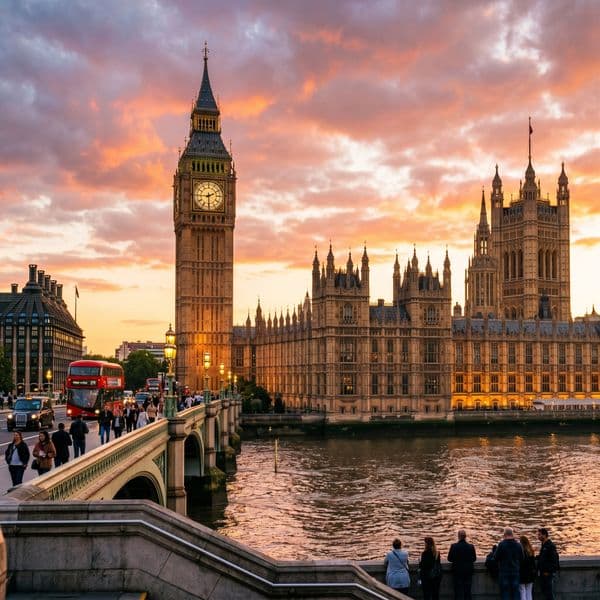
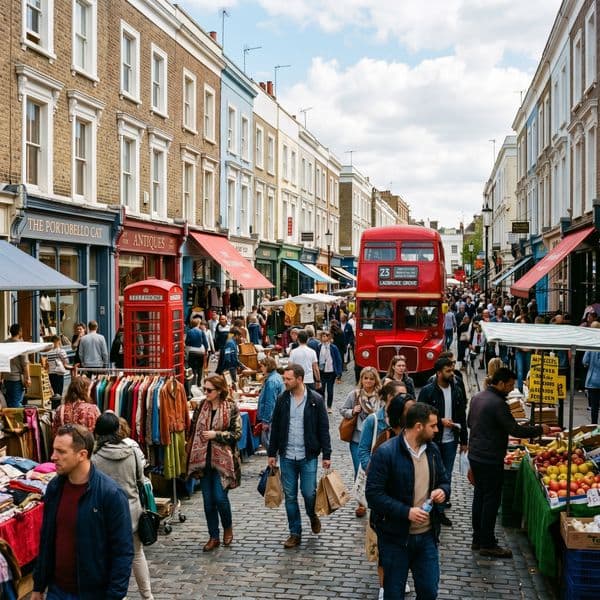
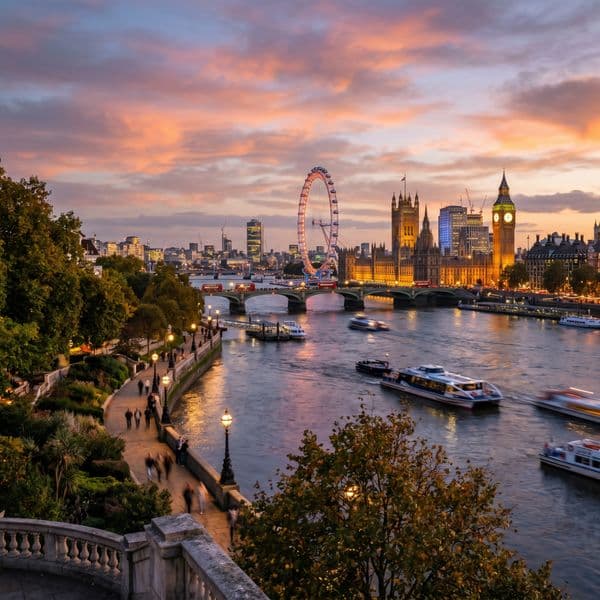
London deserves a permanent place on any serious traveller's list, but heading into 2026, the British capital is more dynamic than ever. Beyond the royal pageantry and historic facades lies a constantly evolving metropolis that caters brilliantly to the internationally minded backpacker and digital nomad. The compelling reason to visit right now? The complete integration of the Elizabeth Line and newly pedestrianised cultural hubs have transformed how you experience the city, making it faster and cheaper to jump from the artistic warehouses of East London to the leafy, historic avenues of the West. London isn't just a museum of its past; it's a thriving, diverse ecosystem where centuries-old pubs sit comfortably next to cutting-edge street food markets.
Best Time to Visit
London's climate is notoriously unpredictable, but understanding its rhythms is key to a successful trip. The 'sweet spot' for budget-conscious but weather-wary travellers is September to early October. During this window, you benefit from the lingering warmth of summer, substantially thinner crowds, and shoulder-season pricing on accommodation. Spring (March - May) offers blooming parks and moderate crowds, though April showers are a very real phenomenon. Summer (June - August) is festival season—including the massive Notting Hill Carnival in August—but it brings peak prices, overwhelming crowds, and occasional heatwaves that the city's historic infrastructure struggles to handle. Autumn (September - November) sees the city turning golden, with excellent cultural events like the BFI London Film Festival. Winter (December - February) is cold and dark, but December sparkles with festive markets, while January and February offer the absolute cheapest flight and hostel rates.
Travel Planning & Booking
London is served by six major airports, with Heathrow (LHR) and Gatwick (LGW) being the primary international hubs. For transatlantic flights, British Airways and Virgin Atlantic offer the most direct routes, while EasyJet and Ryanair dominate European connections. For the best rates in 2026, book flights 3 to 4 months in advance. When booking, utilise Skyscanner for broad date comparisons, Google Flights for tracking specific route prices, and Hostelworld for finding socially engaging, budget-friendly accommodation. Visa Requirements for 2026: The UK's Electronic Travel Authorisation (ETA) system is now fully operational. US and EU nationals, who previously entered visa-free, must now apply for a £10 ETA online before travelling, valid for multiple entries over two years. UAE nationals also require the ETA. Indian nationals must apply for a Standard Visitor Visa well in advance, providing full biometrics and financial documentation. Always carry your passport, proof of onward travel, and accommodation details upon entry.
Travel Insurance
While the UK's National Health Service (NHS) provides free emergency care at the point of need (A&E), any hospital admission, specialist treatment, or medical repatriation is fiercely expensive for non-residents. Furthermore, London's travel landscape is occasionally disrupted by sudden rail network strikes or adverse weather, making trip cancellation and delay coverage essential. Look for policies covering medical emergencies, electronics theft (bag-snatching occasionally happens in crowded tourist hubs), and trip disruption. World Nomads is excellent for extended backpacker trips, SafetyWing offers flexible subscriptions for digital nomads, and Allianz provides robust, comprehensive plans. Practical Tip: Keep a digital copy of your insurance certificate offline on your phone, as hospital administrative staff will ask for it if you require non-emergency care.
Packing Guide
The secret to London packing is layers. Even in July, a bright morning can dissolve into a chilly, damp afternoon. Your checklist must include a high-quality, lightweight waterproof jacket, comfortable waterproof walking shoes (you will easily exceed 15,000 steps a day), a power bank, and a Type G travel adaptor. Culturally, Londoners dress smart-casual; activewear is rarely worn outside the gym, and bringing a neat, versatile outfit for evening pub visits or theatre shows is highly recommended. The number one item tourists over-pack? Heavy wellington boots and massive umbrellas. A compact travel umbrella and standard water-resistant trainers are more than sufficient.
Accommodation
London's sheer size means your choice of neighbourhood dictates your experience. Shoreditch in the East is perfect for nightlife, street art, and vintage shopping. South Bank / Waterloo is the cultural heart, walking distance to major sights and theatres. Paddington offers brilliant transport links, especially for Heathrow arrivals, with a quieter, residential feel. Booking tip: Always check the proximity of your hotel to a Tube station; being 'central' means nothing if you have a 20-minute walk to the nearest transport link.
Getting Around Locally
From Heathrow, the Elizabeth Line (£13.30, 35 mins to central) is the perfect middle ground between the expensive Heathrow Express (£25) and the painfully slow Piccadilly Line (£5.50). For local transport, the Tube (Underground) and iconic red double-decker buses are your lifelines. Forget the traditional Oyster card; London's transport operates seamlessly on contactless bank cards or Apple/Google Pay, with a daily price cap ensuring you never overpay (around £8.50 for Zones 1-2). Common tourist mistake: Standing on the left side of the escalator on the Tube. You will be swiftly and sternly corrected by rushing Londoners. Stand on the right, walk on the left.
Top Tourist Attractions (Must-See)
1. The British Museum: Houses over two million years of human history. Free entry (donations encouraged). Open 10:00 AM - 5:00 PM. Best time: 10:00 AM on a weekday. Insider tip: Book a free timed entry ticket online weeks ahead to bypass the massive walk-up queues.
2. Tower of London: A historic castle housing the Crown Jewels. Entry is £34.80 for adults. Open 9:00 AM - 5:30 PM. Best time: Arrive at 8:45 AM and head straight to the Crown Jewels first. Insider tip: The Yeoman Warder (Beefeater) tours are included in your ticket and are spectacularly entertaining.
3. Tate Modern: World-class contemporary art in a former power station. Free entry for main galleries. Open 10:00 AM - 6:00 PM. Best time: Late afternoons. Insider tip: The viewing level in the Blavatnik Building offers phenomenal free views of St Paul's Cathedral.
4. Sky Garden: London's highest public garden offering 360-degree views. Free entry. Open 10:00 AM - 6:00 PM (weekdays). Best time: Sunset. Insider tip: Tickets are released three weeks in advance on Mondays and sell out instantly; set an alarm.
5. Borough Market: London's premier food market with 1,000 years of history. Free to enter, food costs vary. Open 10:00 AM - 5:00 PM (Closed Mondays). Best time: Wednesday or Thursday morning. Insider tip: Skip the massive queue for the viral chocolate strawberries and grab a legendary sausage roll from Ginger Pig instead.
6. Natural History Museum: A stunning architectural masterpiece filled with dinosaur skeletons and planetary exhibits. Free entry. Open 10:00 AM - 5:50 PM. Best time: Early morning. Insider tip: Enter via the side entrance on Exhibition Road to avoid the main queue.
Local Food & Dining
British food has undergone a renaissance. You must try a traditional Sunday Roast (roast meat, Yorkshire pudding, roast potatoes, and gravy), proper Fish and Chips, Chicken Tikka Masala (invented in Britain), and a classic English Breakfast. For a high-end treat, 'Core by Clare Smyth' in Notting Hill offers exceptional three-Michelin-star modern British dining. For mid-range excellence, 'Dishoom' in Covent Garden or Shoreditch serves incredible Bombay-style food (their Black Daal is legendary). For street food, 'Borough Market' is unbeatable. Dietary note: London is incredibly accommodating for vegans, vegetarians, and gluten-free diets, with clear allergen labelling mandated by law in all eateries.
Safety & Emergency Contacts
London is generally very safe for a major global city, but petty theft is rampant in highly tourist-heavy areas like Oxford Street, Soho, and around major train stations. Phone snatching by individuals on electric bikes is a specific, rising issue—do not stand near the curb holding your phone loosely. In a genuine emergency, dial 999 for Police, Ambulance, or Fire. For non-emergency police matters, dial 101. The nearest central major hospital with an A&E is St Thomas' Hospital on Westminster Bridge Road.
Useful Apps & Resources
Do not attempt to navigate London without 'Citymapper'; it is vastly superior to Google Maps for London's complex public transport. 'TfL Go' is excellent for live tube updates. Use 'Trainline' for booking day-trip rail tickets outside of London, 'Deliveroo' for late-night food delivery, and 'TodayTix' for scoring heavily discounted West End theatre tickets. The official tourism board, VisitLondon.com, remains a solid resource for major event listings.
Closing
London is a city that rewards the curious and the prepared. By mastering the transport network and stepping slightly off the main tourist drags, you'll discover a city of vibrant, distinct villages, world-class gastronomy, and endless cultural depth. Pack your most comfortable shoes, grab your contactless card, and get ready to explore. For more detailed itineraries and exclusive budget travel hacks, continue exploring www.ainexusworld.com.
FAQ
Is London safe for tourists? Yes, violent crime affecting tourists is exceedingly rare. However, petty crime like pickpocketing and phone snatching is common. Stay alert, keep valuables zipped away, and avoid walking through unlit parks late at night.
What is the best time to visit London? September and October offer the best balance of pleasant weather, manageable crowds, and reasonable accommodation prices. Spring is also beautiful but prone to rain.
How many days do I need in London? A minimum of four full days is required to see the major highlights without exhausting yourself. Seven days allows you to explore diverse neighbourhoods and take a day trip outside the city.
Do I need a visa to visit London? For 2026, most visitors, including US, EU, and UAE nationals, need an Electronic Travel Authorisation (ETA) applied for online prior to arrival. Indian nationals require a Standard Visitor Visa.
What is the local currency and can I use credit cards? The currency is the Great British Pound (GBP). London is functionally a cashless city; contactless credit/debit cards (Visa/Mastercard) and mobile payments are accepted everywhere, from street buskers to the Tube.