
Introduction
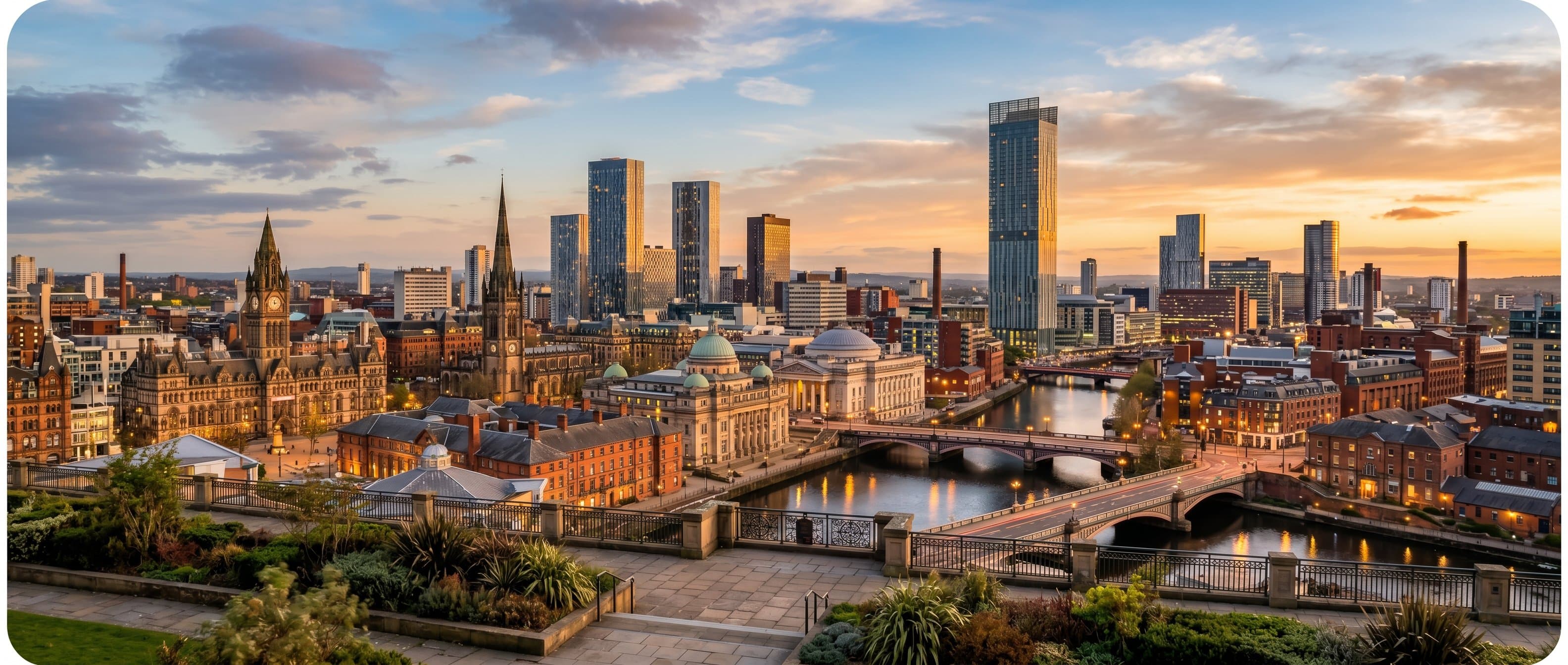
Welcome to Manchester, the unapologetic, beating heart of Northern England. If London is the UK's polished display cabinet, Manchester is its creative engine room. Why does Manchester deserve a place on your travel list right now? Because in 2026, the city has perfectly synthesised its gritty industrial past with a fiercely modern, digital-first future. The compelling reason to visit this year is the completion of the city's incredible cultural infrastructure, notably the Factory International (Aviva Studios) project, which has firmly established Manchester as Europe's most exciting destination for immersive arts and music.
Known historically as 'Cottonopolis' during the Industrial Revolution, Manchester has always been a city of firsts: the birthplace of the industrial revolution, the site of the first programmable computer, and the hometown of era-defining bands like The Smiths, Joy Division, and Oasis. Today, it attracts culturally curious backpackers, digital nomads, and football devotees from around the globe. Whether you're hunting for vintage treasures in the Northern Quarter, tracing the footsteps of football legends at Old Trafford, or sipping artisanal coffee in Ancoats, Manchester offers an authentic, warm, and endlessly fascinating urban adventure.
Best Time to Visit
Manchester is notorious for its rain—it's what makes the surrounding countryside so green—but don't let the weather deter you. The city's appeal is truly year-round, though the experience shifts dramatically with the seasons.
Spring (March to May): The city begins to thaw. Temperatures range from 10°C to 15°C. This is a brilliant time to visit as the parks bloom and the café culture spills onto the pavements. Pricing is moderate, and crowds are manageable.
Summer (June to August): Summer is peak season, with temperatures occasionally hitting a balmy 25°C to 30°C. The city comes alive with massive outdoor events. June sees the massive Parklife festival at Heaton Park, while August hosts the vibrant Manchester Pride. Accommodation prices soar, and you'll need to book well in advance.
Autumn (September to November): A fantastic time for budget backpackers. The student population returns, injecting energy into the nightlife, and the autumnal hues in the surrounding Peak District are stunning. Expect cooler, rainier days (10°C to 15°C).
Winter (December to February): Cold and damp (5°C to 10°C), but Manchester shines during the festive season. The Manchester Christmas Markets take over the city centre from mid-November to late December. January and February are the quietest and cheapest months to visit.
The Sweet Spot: September. The weather is generally still mild, the peak summer tourist crowds have thinned out, festival season has wrapped up, and accommodation prices drop to a reasonable mid-range level. The city feels authentically itself as the university term begins.
Travel Planning & Booking
Manchester Airport (MAN) is the global gateway to the North of England, handling direct flights from across the US, Middle East, and Asia, as well as countless budget hops from Europe. Airlines like Virgin Atlantic, Emirates, British Airways, Ryanair, and easyJet dominate the tarmac. The most popular direct routes include New York (JFK) to MAN via Virgin Atlantic and Dubai (DXB) to MAN via Emirates.
Booking Lead Times: For flights, 3–4 months in advance is optimal. For accommodation, particularly if visiting during a major football weekend (when Manchester United or Manchester City play at home) or during summer festivals, book at least 2–3 months ahead.
Visa Requirements (2025/2026 Updates): The UK has implemented the Electronic Travel Authorisation (ETA) system.
- US Nationals: Visa-free for up to 6 months, but an approved ETA (£10) is mandatory before boarding your flight.
- EU Nationals: Visa-free for up to 6 months; ETA mandatory.
- UAE Nationals: Visa-free; ETA mandatory.
- Indian Nationals: Standard Visitor Visa required (£115), which must be applied for weeks in advance, including a biometric appointment.
- Entry Documentation: Ensure your passport is valid for at least six months beyond your departure date. Keep proof of onward travel and accommodation details handy, as UK Border Force often requests them.
Travel Insurance
You might think a modern UK city doesn't necessitate travel insurance, but it is absolutely critical for Manchester. Why? Primarily due to unpredictable transport strikes (train and bus disruptions are common) and the high cost of emergency medical care for non-reciprocal nationalities. If you require emergency dental work or lose your luggage on a delayed budget airline flight, out-of-pocket costs will ruin your trip.
Look for policies covering: comprehensive medical emergencies, trip cancellation (crucial for UK transport strikes), lost baggage, and tech cover (if you're a digital nomad carrying laptops and cameras).
Recommended Providers:
- World Nomads: Brilliant for backpackers; covers a wide array of activities and allows you to buy or extend coverage while already travelling.
- SafetyWing: The perfect, flexible subscription model for digital nomads staying in Manchester for a month or more.
- Allianz Travel: Exceptional for comprehensive, traditional cover with excellent medical evacuation limits.
Practical Tip: Always keep your insurance policy number and emergency contact number saved offline on your phone, and email a copy to a trusted family member. If you have an accident, you will need this before seeking private care (though emergency A&E at NHS hospitals is free to save your life, subsequent care is chargeable for most non-UK residents).
Packing Guide
The golden rule of packing for Manchester is layers. The weather is famously capricious; you can experience brilliant sunshine, biting wind, and a sudden downpour all within the space of three hours.
Climate-Specific Clothing: A high-quality, breathable, and genuinely waterproof jacket is non-negotiable. Forget umbrellas—the wind whipping through the high-rise buildings in the city centre will destroy a cheap umbrella in seconds. Bring comfortable, waterproof walking boots or sturdy trainers, as Manchester is a highly walkable city.
Cultural Dress Considerations: Manchester is incredibly casual and unpretentious. The Northern Quarter is a hub for vintage, grunge, and indie fashion. There are no strict cultural dress codes, but if you plan to visit high-end restaurants in Spinningfields, smart-casual attire (no sportswear or trainers) is expected.
Must-Bring Item: A universal power adapter (UK Type G plug) with multiple USB ports. Finding public charging spots can sometimes be tricky in older, historic pubs and cafes.
What Tourists Over-Pack: Formal wear. Unless you are attending a specific gala or ultra-exclusive event, Mancunians favour stylish, relaxed, and practical clothing. Leave the tuxedo or ballgown at home.
Accommodation
Manchester's accommodation scene is booming, catering to every budget and aesthetic. The city is compact, so staying central is always the best move.
Best Neighbourhoods:
- Northern Quarter (NQ): The bohemian, hipster heart of the city. Best for nightlife, street art, indie boutiques, and coffee shops.
- Ancoats: Just next to the NQ, this formerly industrial area is now the city's culinary hotspot, packed with Michelin-recommended eateries and cool wine bars.
- Castlefield: Perfect for history lovers, characterized by its Roman ruins, red-brick viaducts, and canal-side pubs.
Accommodation Picks:
- Luxury: The Edwardian Manchester, A Radisson Collection Hotel. Located in the historic Free Trade Hall, offering opulent rooms, a stunning subterranean spa, and impeccable service.
- Mid-Range/Boutique: The Alan. A phenomenally designed, industrial-chic boutique hotel situated right opposite the Manchester Art Gallery. It perfectly captures the city's modern creative vibe.
- Budget: YHA Manchester. Located in Castlefield, this hostel offers brilliant, clean, and safe dormitory and private rooms, a great communal bar, and canal views at backpacker-friendly prices.
Booking Tip: Always cross-reference the Manchester United and Manchester City fixture lists before booking. If there is a major home game or a massive concert at the Co-op Live arena, hotel prices triple and availability vanishes.
Getting Around Locally
Navigating Manchester is straightforward, thanks to its integrated Bee Network of trams and buses.
Airport to City Centre:
- Train: The absolute best option. Direct trains run from Manchester Airport to Piccadilly Station every 10-15 minutes. It takes 20 minutes and costs roughly £6 ($8).
- Metrolink (Tram): Takes longer (about 45 minutes) to reach the centre but is great if your accommodation is in South Manchester. Costs around £4.60 ($6).
- Uber/Taxi: A private ride to the city centre will cost between £30–£40 ($38–$50) and takes 30-45 minutes depending on traffic.
Local Transport Modes: The Metrolink tram network is extensive and operates on a simple tap-in/tap-out contactless system. For exploring the immediate city centre, utilise the 'Free Bus' (formerly Metroshuttle), which runs circular routes connecting major stations, shopping districts, and business areas for absolutely zero cost. Otherwise, Manchester is highly walkable.
Recommended Apps: Download Citymapper for flawless A-to-B navigation, and the official Bee Network app for real-time tram and bus schedules.
Common Tourist Mistake: Hiring a car. The city centre is a maze of one-way systems, bus lanes with heavy fines, and exorbitant parking fees. You absolutely do not need a car unless you are heading out to the Peak District or Lake District.
Top Tourist Attractions (Must-See)
Manchester's attractions heavily lean into its history, science, and cultural exports. Best of all, many of its world-class museums are entirely free.
1. Science and Industry Museum
Why it matters: Located on the site of the world's oldest surviving passenger railway station, it chronicles Manchester's legacy as the birthplace of the Industrial Revolution.
Opening Hours: 10:00 AM - 5:00 PM daily.
Entry Cost: Free (donations encouraged).
Best Time: Weekday mornings to avoid school groups.
Insider Tip: Don't miss the working textile machinery demonstrations—the noise gives you a real sense of what Victorian factory workers endured.
2. The John Rylands Research Institute and Library
Why it matters: A masterpiece of Victorian Gothic architecture that looks like it was plucked straight from Harry Potter. It houses one of the world's finest collections of rare books and manuscripts.
Opening Hours: Wed-Sat 10:00 AM - 5:00 PM, Sun-Mon 12:00 PM - 5:00 PM (Closed Tuesdays).
Entry Cost: Free.
Best Time: 12:00 PM for the best light streaming through the stained glass.
Insider Tip: Walk straight up the main staircase to the Historic Reading Room; speak in whispers, as it is still a working university library.
3. National Football Museum
Why it matters: Even if you aren't a massive football fan, this museum brilliantly explains how the sport shaped global culture and society.
Opening Hours: 10:00 AM - 5:00 PM daily.
Entry Cost: £14 ($18) for adults, £8 ($10) for children.
Best Time: Late afternoon.
Insider Tip: Your ticket is valid for an entire year after purchase, so you can pop back in if you don't finish the exhibits in one go.
4. Manchester Art Gallery
Why it matters: Houses an internationally significant collection of fine art, particularly famous for its pre-Raphaelite paintings and contemporary exhibitions.
Opening Hours: Tue-Sun 10:00 AM - 5:00 PM (Closed Mondays).
Entry Cost: Free.
Best Time: Tuesday mornings.
Insider Tip: The gallery cafe is excellent and serves high-quality, locally sourced lunches—much better than typical museum food.
5. Northern Quarter Street Art Tour
Why it matters: The NQ is an open-air gallery of murals, paste-ups, and graffiti, reflecting the city's counter-culture, political leanings, and musical heritage.
Opening Hours: 24/7.
Entry Cost: Free.
Best Time: Early Sunday morning before the streets get busy, for the best photos.
Insider Tip: Look out for Stevenson Square and the side streets around Thomas Street for the most frequently updated murals.
6. Old Trafford (Manchester United Stadium Tour)
Why it matters: The 'Theatre of Dreams' is one of the most iconic sporting arenas on the planet, steeped in history and triumph.
Opening Hours: 9:30 AM - 4:00 PM (varies on match days).
Entry Cost: £28 ($36) for adults.
Best Time: Book the earliest slot to avoid massive tour groups.
Insider Tip: Try to book your tour on a non-matchday, otherwise access to the dressing rooms and the tunnel is severely restricted.
Local Food & Dining
Manchester's food scene has exploded over the last decade, evolving from greasy spoons to Michelin stars, while still retaining its love for hearty, unpretentious northern grub.
Must-Try Dishes:
- Manchester Tart: A traditional shortcrust pastry shell spread with raspberry jam, covered with custard, and topped with coconut flakes and a Maraschino cherry.
- Bury Black Pudding: A rich, spiced blood sausage that is a staple of a proper Northern English breakfast.
- Meat and Potato Pie: The ultimate comfort food, best eaten at a football match or a traditional local pub.
- Vimto: A legendary soft drink originating in Manchester in 1908, made from grapes, raspberries, and blackcurrants blended with herbs and spices.
Dining Recommendations:
- High-End: Mana. Located in Ancoats, this is Manchester's Michelin-starred jewel. It offers an incredible, innovative tasting menu utilizing the finest British produce. Book months in advance.
- Mid-Range: Dishoom Manchester. Set in a stunning historic hall, it offers phenomenal Bombay-style street food and curries. The Black Daal is legendary.
- Street Food/Market: Mackie Mayor. A beautifully restored Grade II listed meat market in the Northern Quarter, now housing communal dining tables surrounded by incredible independent food vendors (from Neapolitan pizza to Taiwanese bao).
- Dietary Note: Manchester is exceptionally vegan and vegetarian friendly. Almost all restaurants offer high-quality plant-based options, not just token salads.
Safety & Emergency Contacts
Manchester is generally safe for tourists, but like any major European city, it requires street smarts. Violent crime against tourists is rare, but petty theft is a legitimate concern.
Areas/Situations to be aware of: Be cautious around Piccadilly Gardens, particularly after dark, as it can attract anti-social behaviour. Also, be hyper-vigilant with your smartphone; 'moped snatchers' (thieves on bikes grabbing phones from pedestrians' hands) are active in the Northern Quarter and city centre.
Local Emergency Numbers (Verified UK Contacts):
- Police (Emergency): 999
- Ambulance: 999
- Fire: 999
- Police (Non-Emergency): 101
- Medical (Non-Emergency/NHS 111): 111
- National Emergency Alternate: 112 (Works across the UK/EU)
Nearest International Hospital/Clinic:
Manchester Royal Infirmary (MRI) on Oxford Road has a major 24-hour Accident & Emergency department equipped to handle serious trauma and medical emergencies.
Useful Apps & Resources
To navigate Manchester like a local, download these before you land:
- Bee Network: Essential for buying tram tickets and tracking local buses.
- Trainline: The best app for booking national rail tickets if you plan to visit Liverpool, London, or the Peak District.
- Citymapper: Far superior to Google Maps for navigating Manchester's public transport network.
- Deliveroo: For ordering food to your hotel or hostel when it's raining too hard to go out.
- DesignMyNight: Excellent for finding and booking tables at the city's coolest bars and pop-up events.
- Official Tourism Board: www.visitmanchester.com for official event listings and verified local guides.
Closing
Manchester is a city that doesn't just display its history—it lives it, breathes it, and constantly remixes it into something new. It's a place where strangers will strike up a conversation with you at a bus stop, where the music vibrates through the pavement, and where every cobbled street tells a story. Pack your rain jacket, bring your appetite, and get ready to fall in love with the capital of the North. For more expertly curated itineraries, hidden gems, and travel inspiration, continue exploring ainexusworld.com.
FAQ
Is Manchester safe for tourists?
Yes, Manchester is generally safe for tourists. Stick to well-lit areas at night, avoid lingering in Piccadilly Gardens after dark, and keep a firm grip on your phone to prevent moped snatch-thefts.
What is the best time to visit Manchester?
September is the optimal month. You avoid the peak summer prices, the weather is usually mild, and the city regains its vibrant atmosphere as university students return.
How many days do I need in Manchester?
A 3 to 4-day itinerary is perfect. This gives you enough time to explore the city centre, visit the major museums, enjoy the nightlife, and perhaps take a half-day trip to Salford Quays or Old Trafford.
Do I need a visa to visit Manchester?
This depends on your nationality. For 2025/2026, US, EU, and UAE citizens can visit visa-free but MUST apply for an Electronic Travel Authorisation (ETA) online before flying. Indian nationals require a Standard Visitor Visa.
What is the local currency and can I use credit cards?
The currency is the British Pound Sterling (GBP / £). Manchester is an overwhelmingly cashless city. Contactless debit/credit cards and Apple/Google Pay are accepted practically everywhere, from high-end restaurants to bus fares.