
The Ultimate Oxford Travel Guide 2026: Everything You Need to Know
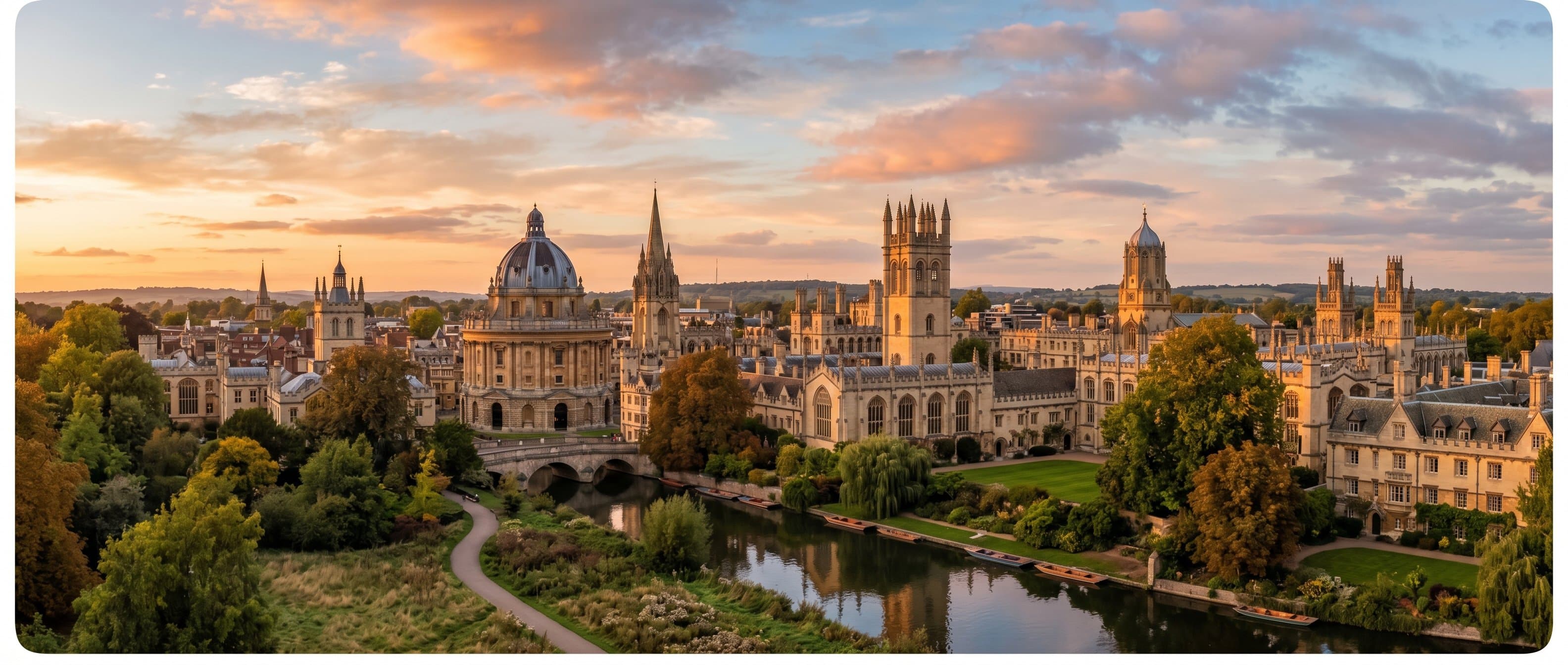
Oxford is not merely a city; it is a meticulously preserved theatre of intellectual history. Known globally as the 'City of Dreaming Spires'—a term coined by poet Matthew Arnold—Oxford remains one of the United Kingdom's most compelling destinations. While it carries a reputation for elitism, the Oxford of 2026 is refreshingly accessible, diverse, and exceptionally welcoming to the modern backpacker. The city has recently expanded its pedestrianised zones and Zero Emission initiatives, making its cobbled streets cleaner, safer, and more walkable than ever before. If you are looking for a destination where you can sip a pint in a 13th-century tavern, marvel at Egyptian mummies in Britain's oldest public museum, and punt down a willow-lined river all in the same afternoon, Oxford deserves the top spot on your 2026 travel itinerary.
Best Time to Visit
Oxford experiences a temperate maritime climate, meaning the weather is famously changeable. However, the city's atmosphere shifts dramatically with the academic terms. Spring (March to May) sees the city burst into colour. April and May are particularly beautiful as the botanical gardens bloom and the punting season begins on the River Cherwell. Expect temperatures between 10°C and 17°C, though April showers are practically guaranteed.
Summer (June to August) is peak tourist season. The weather is at its warmest (averaging 20°C to 25°C), and the university students have largely gone home. This means accommodations—often including university dormitories rented out to tourists—are plentiful. However, you will be sharing the narrow pavements with international tour groups, and prices for hotels peak.
Autumn (September to November) is arguably the best time to visit. Late September to October is the absolute 'sweet spot'. The autumn foliage in Christ Church Meadow is spectacular, the air is crisp, and you can witness the energy of 'Michaelmas Term' as gowned students return for matriculation. The weather remains pleasant, generally hovering between 12°C and 18°C in early autumn.
Winter (December to February) is damp and chilly (2°C to 8°C), but it offers a distinct, cosy charm. Oxford is magical under a layer of frost, and the Christmas Light Festival in November kicks off a season of roaring pub fires, mulled wine, and choral evensong in ancient chapels. Crowds are at their lowest, making it the best season for budget backpackers seeking cheaper rates.
Travel Planning & Booking
Oxford is incredibly well-connected despite not having a commercial airport of its own. International travellers should fly into London Heathrow (LHR) or London Gatwick (LGW). The most efficient route is not the train, but the direct coach service known as 'The Airline', operated by the Oxford Bus Company, which runs 24/7 directly from the airport terminals to Oxford's Gloucester Green bus station.
When it comes to booking, lead times are crucial. For summer visits or graduation weeks (July), book accommodation at least four months in advance. For the rest of the year, a two-month lead time usually secures the best rates on platforms like Booking.com or Hostelworld.
Visa Requirements for 2026: The UK has rolled out its Electronic Travel Authorisation (ETA) scheme. By 2026, US, EU, and UAE nationals—who previously enjoyed visa-free travel simply by presenting a passport—must apply for an ETA online before flying (costing around £10 and valid for two years). Indian nationals require a Standard Visitor Visa, which involves submitting biometrics and takes about three weeks to process. Always ensure your passport is valid for the entirety of your stay.
Travel Insurance
Do not underestimate the need for comprehensive travel insurance when visiting the UK. Since Brexit, European travellers using a GHIC (Global Health Insurance Card) receive emergency care, but non-UK/non-EU visitors face a 150% surcharge on National Health Service (NHS) treatments if admitted to a hospital. For backpackers in Oxford, insurance is vital. The cobblestone streets of Radcliffe Square are notorious for claiming the ankles of distracted tourists, and 'punting'—while seemingly gentle—regularly results in dropped iPhones, submerged backpacks, and the occasional bruised shin from a swinging pole. Ensure your policy covers medical repatriation, electronic device damage, and trip cancellation. Providers like World Nomads and SafetyWing offer excellent, flexible coverage.
Packing Guide
The golden rule for packing for the UK is layering. Regardless of the month, you must pack a high-quality, lightweight rain jacket. Oxford is best explored on foot, meaning sturdy, broken-in walking shoes are non-negotiable—leave the stilettos at home; they will get stuck in the 400-year-old cobblestones.
A specific must-bring item for Oxford is a compact day-bag for museum hopping, and a portable power bank, as navigating the winding alleys and constantly taking photos will drain your battery. Culturally, Oxford is highly tolerant and casual, though if you plan to attend an Evensong service or dine at a fine establishment like Quod, smart-casual attire (a collared shirt or nice blouse) is appreciated. One thing tourists frequently over-pack is formal wear; unless you are an invited guest at a college 'Formal Hall', you will not need a dinner jacket or cocktail dress.
Accommodation
Choosing where to stay dictates your Oxford experience. The City Centre puts you right next to the Bodleian Library and Christ Church, perfect for short trips, though it is the most expensive area. Jericho, located just north of the centre, is the city's bohemian quarter. Filled with independent cafes, cocktail bars, and colorful terraced houses, it is ideal for culturally minded travellers. Cowley Road (East Oxford) is the beating heart of Oxford's diverse community. It is heavily populated by students and young professionals, offering the best budget eats, street art, and legendary nightlife.
For a luxury stay, The Randolph Hotel by Graduate Hotels offers five-star Victorian grandeur right opposite the Ashmolean Museum. Mid-range travellers should look to The Head of the River, a charming pub with boutique rooms overlooking the Thames. Budget backpackers will find their haven at Central Backpackers on Park End Street, renowned for its friendly staff, free walking tours, and proximity to the train station.
Getting Around Locally
Oxford's city centre is remarkably compact; the absolute best way to get around is by walking. For slightly longer distances, do as the locals do and cycle. You can rent bikes from hubs scattered around the city via apps like Donkey Republic. The Oxford Bus Company and Stagecoach provide excellent, tap-on-tap-off contactless bus services across the city. Fares are currently capped at £2 for single journeys, making it incredibly budget-friendly.
A massive tourist mistake is attempting to rent a car and drive into Oxford. The city enforces strict Low Traffic Neighbourhoods (LTNs), bus gates, and Zero Emission Zones. Driving here is an expensive, frustrating nightmare of dead-ends and heavy fines. Stick to public transport and your own two feet.
Top Tourist Attractions (Must-See)
1. Bodleian Library & Radcliffe Camera: The heart of Oxford's academic prowess. While the Radcliffe Camera is closed to non-students, you can book a guided tour of the Bodleian to see the 15th-century Divinity School (famous for its intricate ceiling and use in Harry Potter). Book weeks in advance. Open daily 9:00 AM - 5:00 PM. Cost: £10-£22 for tours.
2. Christ Church College: The most grandiose college, boasting the Meadow, an imposing quadrangle, and the Great Hall that inspired Hogwarts. Best visited right at opening to beat the colossal coach tours. Open Mon-Sat 10:00 AM - 5:00 PM, Sun 2:00 PM - 5:00 PM. Cost: £16-£20. Insider tip: Attend Evensong at 6:00 PM to hear the world-class choir and see the cathedral for free.
3. The Ashmolean Museum: Britain's first public museum, established in 1683. It houses incredible collections of art and archaeology, from Egyptian mummies to Guy Fawkes' lantern. Open daily 10:00 AM - 5:00 PM. Cost: Free (donations welcome). Visit on a weekday afternoon for the quietest experience.
4. Oxford University Museum of Natural History & Pitt Rivers Museum: Two museums in one spectacular neo-Gothic building. The Natural History side features dinosaur skeletons, while the attached Pitt Rivers is a fascinating, densely packed anthropological treasure trove. Open daily 10:00 AM - 5:00 PM. Cost: Free.
5. Punting on the River Cherwell: No Oxford trip is complete without renting a flat-bottomed boat and propelling yourself down the river using a long metal pole. Head to Magdalen Bridge Boathouse. Open 10:00 AM to dusk (season dependent). Cost: £25-£30 per hour. Insider tip: Hire a 'chauffeured' punt if you want to drink Pimm's without the stress of steering into a willow tree.
6. The Covered Market: Operating since 1774, this historic indoor market is a labyrinth of local butchers, bakers, and boutique artisans. Open daily 8:00 AM - 5:30 PM. Cost: Free entry. Grab a fresh cookie from Ben's Cookies (they started here) or a legendary pie from Pieminister.
7. Oxford Botanic Garden: The oldest botanical garden in the UK, offering a serene escape right off the bustling High Street. Open daily 10:00 AM - 5:00 PM (times vary by season). Cost: £7.50. Perfect for a quiet morning stroll.
Local Food & Dining
British food has undergone a massive renaissance, and Oxford offers a brilliant mix of traditional and modern dining. You must try an Oxford Sausage—distinctive for its use of pork, veal, and a heavy dash of sage and mace, historically served without a skin. For the quintessential Sunday Roast (complete with towering Yorkshire puddings and rich gravy), book a table at The Perch in Binsey, accessible via a gorgeous walk across Port Meadow.
For fine dining, head to Quod Restaurant & Bar on the High Street, offering European classics in a stunning former banking hall. For mid-range, atmospheric eating, seek out The Turf Tavern. Hidden down a narrow, winding alleyway, this 13th-century pub serves excellent fish and chips and is famous as the spot where former US President Bill Clinton 'did not inhale'. For budget eats and street food, visit the Gloucester Green Market (Wednesday to Saturday), where you can find everything from authentic Tibetan momos to vegan Brazilian curries for under £8. Dietary requirements, particularly vegan and gluten-free, are exceptionally well catered for across the city.
Safety & Emergency Contacts
Oxford is widely considered a very safe city for tourists. Violent crime is exceptionally low. The most prevalent issue by far is bicycle theft, followed closely by petty pickpocketing in crowded areas like Cornmarket Street. Stick to well-lit areas at night, and exercise standard urban awareness.
Local Emergency Numbers:
- Police/Fire/Ambulance (Emergency): 999 or 112
- Police (Non-emergency): 101
- NHS Medical Helpline (Non-emergency): 111
- Nearest International/Major Hospital: John Radcliffe Hospital, Headley Way, Headington, Oxford OX3 9DU.
Note: Foreign Embassies are located in London, approximately 50 miles away, easily reachable by the Oxford Tube coach or direct train.
- US Embassy London: 33 Nine Elms Ln, London SW11 7US (+44 20 7499 9000)
- High Commission of India: India House, Aldwych, London WC2B 4NA (+44 20 7836 8484)
- UAE Embassy: 1-2 Grosvenor Cres, London SW1X 7EE (+44 20 7581 1281)
Useful Apps & Resources
To navigate Oxford like a local, ensure your phone is loaded with the right applications. Google Maps is essential for navigating the complex web of college alleyways. Download the Oxford Bus Tickets app for easy digital passes. While Uber exists, locals rely more on 001 Taxis (who have their own app) for late-night rides. For train travel to London or the Cotswolds, Trainline is invaluable. Finally, because the local food scene is so vibrant, having Deliveroo (which has deep roots in the UK) is great for rainy nights in your hostel. For official tourism information, always check Experience Oxfordshire (experienceoxfordshire.org).
Conclusion
Oxford is a city that rewards curiosity. Whether you are wandering through halls that inspired literary giants, debating philosophy with locals in a dimly lit tavern, or simply eating street food amidst 12th-century architecture, Oxford leaves an indelible mark on its visitors. The blend of ancient rigour and modern vibrancy makes it an unmissable stop on any UK itinerary. Pack your walking shoes, charge your camera, and prepare to be inspired. Ready to plan your journey? Explore more expert itineraries and budget hacks at ainexusworld.com to make your 2026 adventure unforgettable.
FAQ
Is Oxford safe for tourists?
Yes, Oxford is remarkably safe. It is a wealthy, student-focused city with very low rates of violent crime. The primary annoyances are bicycle theft and occasional pickpocketing in crowded tourist hotspots.
What is the best time to visit Oxford?
Late September to October is the ideal time. The summer tourist crowds have thinned, the autumn foliage is stunning, and the returning students give the city a vibrant, authentic energy.
How many days do I need in Oxford?
While you can see the highlights on a day trip from London, 2 to 3 days is recommended. This allows you to tour the colleges, visit the museums, and take a slower, more immersive punt on the river without rushing.
Do I need a visa to visit Oxford?
Starting in 2025/2026, most visa-free nationals (including US, EU, and UAE citizens) must apply online for a UK ETA (Electronic Travel Authorisation) prior to boarding their flight. Indian nationals still require a Standard Visitor Visa.
What is the local currency and can I use credit cards?
The local currency is the British Pound Sterling (GBP / £). Oxford is almost entirely a cashless city post-pandemic. Contactless credit/debit cards and Apple/Google Pay are accepted virtually everywhere, from high-end restaurants to market stalls.