
Introduction
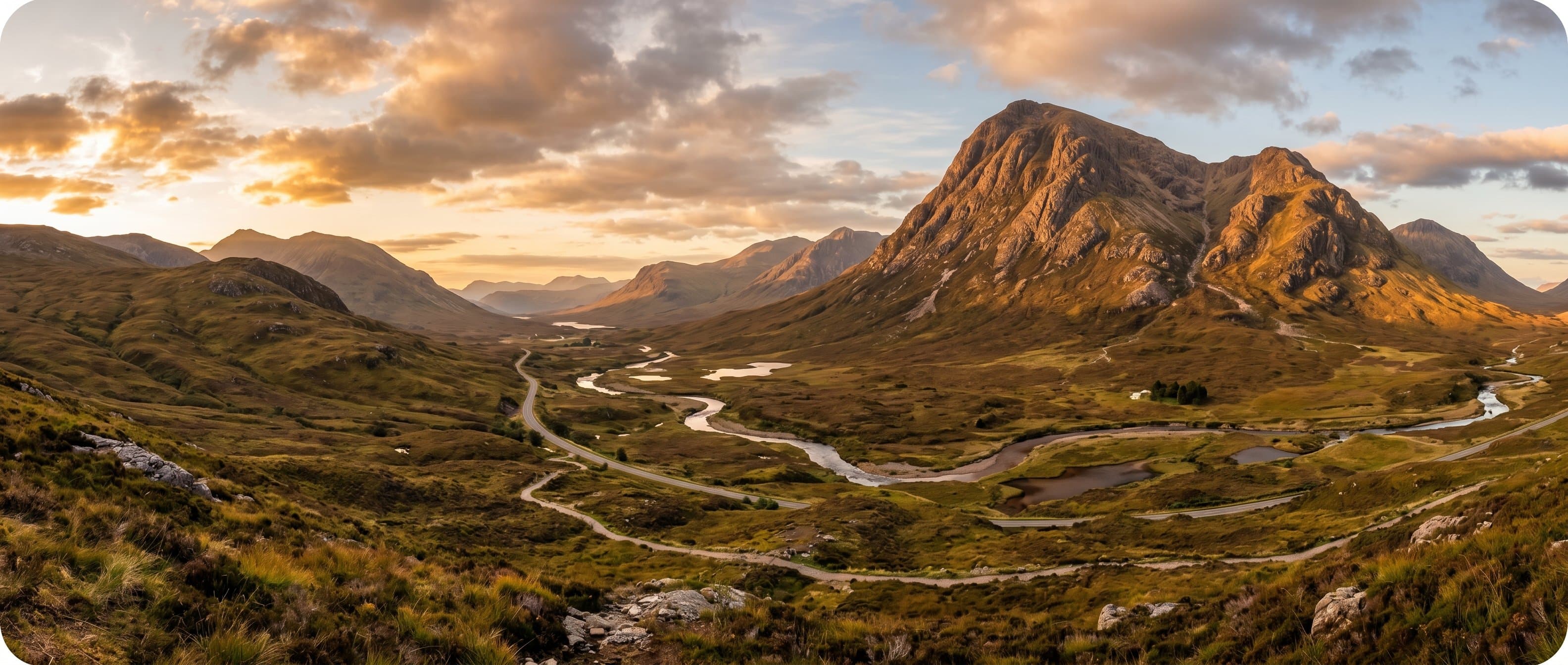
There is a singular, atmospheric magic to the Scottish Highlands that simply cannot be replicated anywhere else on earth. Whether you are standing in the shadow of the brooding peaks of Glencoe or watching the mist roll over the dark waters of Loch Ness, the Highlands evoke a profound sense of history and wilderness. For the internationally minded backpacker and digitally savvy traveller in 2026, the Scottish Highlands represent the ultimate frontier for adventure, seamlessly blending ancient Gaelic heritage with increasingly modern infrastructure.
Why does the Scottish Highlands deserve the top spot on your 2026 travel list? Beyond the obvious cinematic beauty, Scotland is pioneering sustainable tourism. With the North Coast 500 (NC500) managing its traffic through better eco-initiatives and the expansion of the ScotRail network offering greener ways to traverse the glens, you can explore deeply while treading lightly. Furthermore, the newly implemented UK Electronic Travel Authorisation (ETA) system has streamlined entry, making 2026 the perfect time to experience the wild beauty of the north before global travel numbers surge even further.
Best Time to Visit
Timing your trip to the Highlands is an art form. The region's maritime climate means weather is notoriously fickle—you can easily experience all four seasons in a single hour. However, understanding the seasonal shifts is crucial for budget backpackers looking to maximize their experience.
Spring (April to May): This is the ultimate "sweet spot" for visiting the Highlands. The dreaded Highland midge (a tiny, biting insect) has not yet emerged in full force, the hills are bursting with yellow gorse and bluebells, and daylight hours are rapidly expanding. Pricing is still moderate compared to the summer peak, and you can secure hostel beds without booking six months in advance.
Summer (June to August): The summer months offer the warmest temperatures and up to 18 hours of daylight (in mid-summer, it barely gets dark in the far north). This is festival season, with events like the Belladrum Tartan Heart Festival near Inverness. However, this is also peak midge season and the most crowded, expensive time to visit. Budget travellers should book accommodation well in advance.
Autumn (September to October): September is a glorious time to visit. The heather turns the mountainsides a vibrant purple, the midges begin to die off, and the autumn light is a photographer's dream. October brings cooler temperatures and the start of the "shoulder season" discounts.
Winter (November to March): For the truly adventurous, winter offers snow-capped peaks and empty roads. While many attractions and rural accommodations close, this is the cheapest time to visit, and you might even catch the Northern Lights (Aurora Borealis) in places like Caithness and Sutherland. Be prepared for short days (sun setting by 3:30 PM in December) and harsh conditions.
Travel Planning & Booking
Getting to the Highlands has never been easier, but planning requires precision. Inverness Airport (INV) serves as the primary gateway, with direct flights from London, Amsterdam, and Dublin. Many travellers also fly into Edinburgh (EDI) or Glasgow (GLA) and take the scenic train journey north.
Visas and Entry (2026 Updates): The UK's ETA (Electronic Travel Authorisation) is fully operational for 2026. Nationals from the US, EU, and UAE who previously enjoyed visa-free travel must now apply for an ETA online before departure (costing approximately £10). Indian nationals must still apply for a Standard Visitor Visa well in advance. Always ensure your passport is valid for at least six months beyond your departure date.
Booking Lead Times: If you plan to visit between May and September, particularly along the NC500 or the Isle of Skye, you must book accommodation 3 to 6 months in advance. Budget options like Youth Hostels (SYHA) fill up incredibly fast.
Travel Insurance
Never venture into the Scottish Highlands without comprehensive travel insurance. While the UK's National Health Service (NHS) provides free emergency medical care at the point of need (even to tourists), and Scottish Mountain Rescue is a free, volunteer-led service, insurance is vital for other reasons. If you injure yourself on a remote Munro (a Scottish mountain over 3,000 feet), you may need repatriation, which the NHS does not cover. Furthermore, the unpredictable weather frequently causes ferry cancellations to the islands (like Skye, Lewis, or Harris) and flight delays, making trip disruption coverage absolutely essential. Look for policies that explicitly cover hiking up to 1,500 metres.
Packing Guide
The golden rule of Highland packing is layers. Forget umbrellas; the wind will destroy them in seconds. Instead, invest in a high-quality, Gore-Tex waterproof jacket with a peaked hood. For summer visitors, "Smidge" (a local midge repellent) and a fine-mesh midge head net are absolute survival essentials. Budget backpackers often over-pack heavy denim jeans—leave them at home. Once wet, jeans stay cold and heavy for days. Opt for quick-drying hiking trousers. Good, broken-in waterproof hiking boots are non-negotiable if you plan to step off the tarmac. Lastly, bring a universal travel adapter (UK Type G) and a high-capacity power bank, as battery drains quickly in the cold, and remote bothies or campsites lack power outlets.
Accommodation
The Highlands cater to all budgets, from royal castles to rugged bothies (free, basic stone shelters in the wilderness). Inverness is the perfect urban basecamp to start your trip, offering great hostels and transport links. Fort William is the "Outdoor Capital of the UK," ideal for those tackling Ben Nevis. Portree, the colourful capital of the Isle of Skye, is the best base for island exploration but requires booking months ahead.
Under the Scottish Outdoor Access Code, wild camping is legal and free on most unenclosed land. This is a massive draw for budget backpackers. However, you must adhere strictly to the "leave no trace" principles: take all litter home, use a stove rather than lighting open fires, and camp away from historic sites and private dwellings.
Getting Around Locally
If arriving at Inverness Airport, the Stagecoach Jet Bus 11 provides a cheap, 30-minute transfer into the city centre. For traversing the Highlands, the ScotRail network offers some of the most scenic train journeys in the world, particularly the West Highland Line and the Kyle of Lochalsh Line. Budget travellers should look into the "Spirit of Scotland" travelpass, which offers unlimited train and ferry travel.
If you prefer ultimate freedom, renting a car or campervan is ideal. However, a common tourist mistake is underestimating driving times. Highland roads are often single-track with passing places. Never park in a passing place, and always pull over to the left to let faster local traffic overtake. Apps like Traveline Scotland are invaluable for navigating the patchwork of local bus and train schedules.
Top Tourist Attractions (Must-See)
The sheer volume of sights can be overwhelming. Start with Glencoe, a hauntingly beautiful volcanic glen with a dark history. Hiking the Lost Valley offers immense rewards for moderate effort. Further north, the Isle of Skye boasts the otherworldly Old Man of Storr and the Fairy Pools. Try to visit these iconic spots before 9 AM to beat the convoy of tour buses.
Harry Potter fans and railway enthusiasts must see the Glenfinnan Viaduct. Check the Jacobite Steam Train schedule so you can watch it cross the arches. For history buffs, Culloden Battlefield near Inverness offers a deeply moving, interactive visitor centre detailing the final Jacobite uprising of 1746. Finally, no trip is complete without trying to spot the monster at Loch Ness, best viewed from the atmospheric ruins of Urquhart Castle.
Local Food & Dining
Scottish Highland cuisine is hearty, comforting, and fiercely local. You cannot leave without trying Haggis, Neeps, and Tatties (often served with a whisky cream sauce). It sounds intimidating, but its rich, peppery flavour is delicious. Seafood lovers are in paradise here; Cullen Skink is a thick, warming soup made of smoked haddock, potatoes, and onions, perfect after a cold hike. Wash it all down with a dram of single malt Scotch whisky. Keep in mind that rural pubs often stop serving food by 8:00 PM, so eat early.
Safety & Emergency Contacts
The Scottish Highlands are incredibly safe regarding crime; your biggest threat is the environment. The weather can deteriorate from brilliant sunshine to a freezing whiteout in minutes. If you are hiking, always leave your route details with your hostel or use the Walkhighlands app to plan meticulously. Be aware of ticks in the bracken (which can carry Lyme disease) and always check your skin after a hike. In any emergency, dial 999. If you need mountain rescue, ask the operator for the Police, and then request Mountain Rescue.
Closing
The Scottish Highlands will test your waterproofs, steal your breath, and capture your heart. Whether you are navigating the single-track roads of the west coast, sharing a dram of whisky with locals in a warm pub, or waking up to a misty loch outside your tent, this is a place that stays with you forever. Pack smart, respect the delicate environment, and embrace the wild. For more deep dives into specific Highland itineraries and budget travel hacks, explore more guides at ainexusworld.com.
FAQ
Is Scottish Highlands safe for tourists?
Yes, it is exceptionally safe from a crime perspective. The main hazards are environmental: rapidly changing weather, challenging driving conditions on single-track roads, and getting lost on mountains.
What is the best time to visit Scottish Highlands?
May and September are the best months. You avoid the worst of the summer midges and crowds, while still enjoying decent daylight hours and relatively mild weather.
How many days do I need in Scottish Highlands?
To do the region justice, a minimum of 7 days is recommended. This allows you to explore Inverness, drive down to Glencoe, and spend a few days on the Isle of Skye.
Do I need a visa to visit Scottish Highlands?
As part of the UK, visa rules align with British immigration. By 2026, most visa-free nationals (US, EU, AUS) require an ETA. Others require a Standard Visitor Visa.
What is the local currency and can I use credit cards?
The currency is the British Pound (GBP). Credit and debit cards (Visa/Mastercard) are widely accepted, but you should carry some cash for remote rural buses or honesty boxes.