
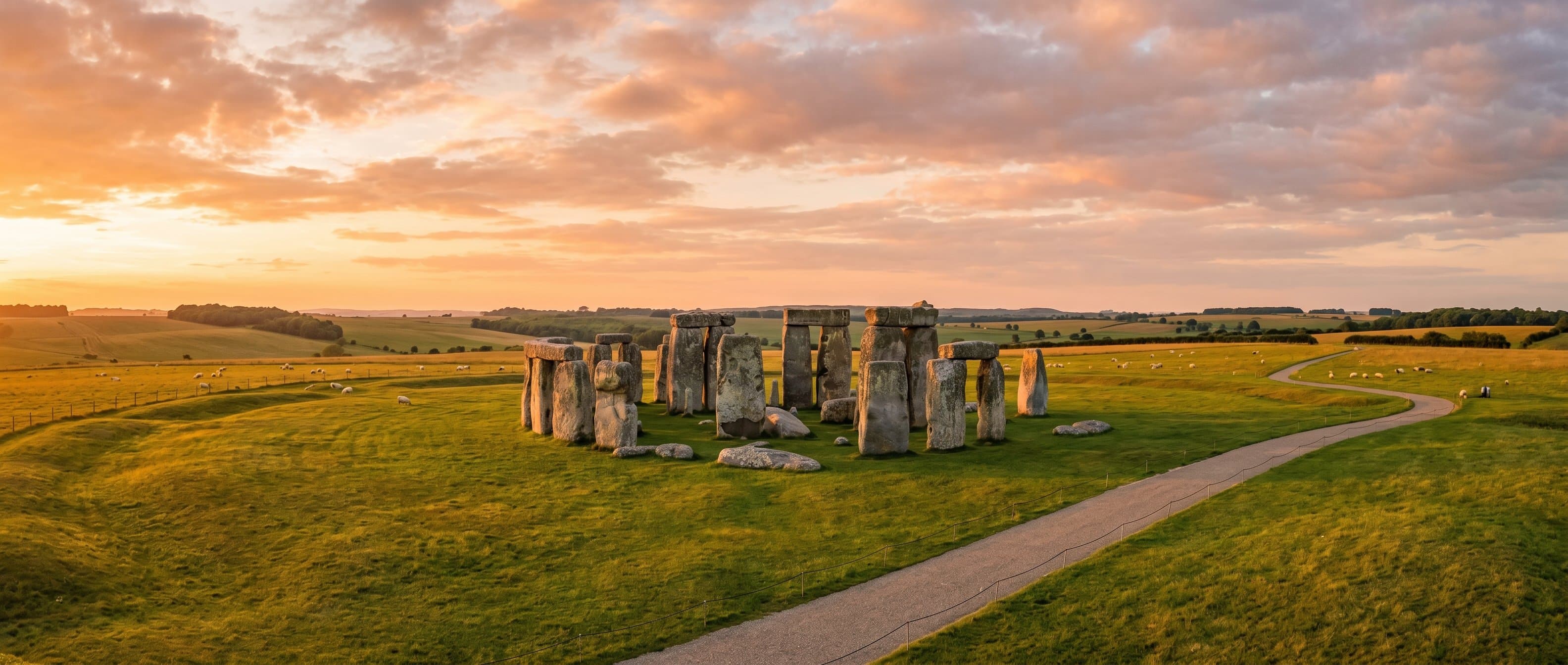
There is a reason Stonehenge endures on almost every traveller's bucket list, and in 2026, it deserves its spot more than ever. Beyond the textbook photos lies a deeply atmospheric landscape that connects you instantly to Neolithic Britain. What makes Stonehenge particularly compelling right now is English Heritage's continued expansion of the visitor experience, integrating augmented reality and enhanced landscape walks that decode the 4,500-year-old mystery. For the internationally minded backpacker, it's not just about looking at rocks; it's about navigating the stunning Wiltshire countryside, mingling in historic Salisbury pubs, and tracing the footsteps of ancient pagans. Skip the rushed London day-tours—taking the time to explore this area independently transforms a simple photo-op into a profound travel experience.
Best Time to Visit
The British weather is notoriously fickle, but timing your visit can make or break your Stonehenge experience. The absolute sweet spot is late September. The summer crowds have dispersed, the autumnal light casts spectacular long shadows across the stones perfect for photography, and the weather is still mild enough for exploring the surrounding barrows and walking routes. If you are seeking a deeply cultural experience, the Summer Solstice (usually around June 20-21) is the only time the public can walk freely among the stones at dawn, though it is incredibly crowded with revellers and modern druids.
Travel Planning & Booking
Most international travellers fly into London Heathrow (LHR) or Gatwick (LGW). From Heathrow, taking the RailAir coach to Woking and then a South Western Railway train directly to Salisbury is the most efficient route for backpackers. You must book your Stonehenge timed-entry tickets via the official English Heritage website at least two weeks in advance—walk-ups are often turned away during peak season.
Visa Requirements for UK 2026: By 2026, the UK's Electronic Travel Authorisation (ETA) scheme is fully operational. US, EU, and UAE nationals must apply for an ETA online before flying (costing around £10/$13). Indian nationals must apply for a Standard Visitor Visa in advance, requiring biometrics and a longer processing time. Ensure your passport is valid for at least six months beyond your departure date.
Travel Insurance
While the UK is generally exceptionally safe, travel insurance is non-negotiable for a Stonehenge trip. Why? The UK's National Health Service (NHS) provides free point-of-use emergency care in an Accident & Emergency (A&E) ward, but follow-up care, medications, and repatriation for non-residents will incur massive bills. Look for policies covering trip cancellation (train strikes in the UK are frequent and can derail your travel plans) and baggage loss. A practical tip: ensure your policy covers 'hiking' or 'trekking' if you plan to walk the extensive landscape around the stones and Avebury.
Packing Guide
The golden rule for the Salisbury Plain is layers. The monument stands on an exposed chalk plateau, meaning it is almost always windy, even in July. Pack a high-quality windbreaker, a waterproof shell, and sturdy, comfortable walking boots—the walk from the visitor centre to the stones takes about 30 minutes if you skip the shuttle bus. Culturally, the UK is very relaxed, but if you plan to visit Salisbury Cathedral afterwards, modest, smart-casual dress is appreciated. One item tourists consistently over-pack is heavy formal wear; pub culture in Wiltshire is decidedly casual, and a nice jumper (sweater) and jeans will get you in anywhere.
Accommodation
Do not stay in London if you want to properly experience Stonehenge. Base yourself in Salisbury (about 9 miles south) or Amesbury (the closest town, 2 miles east). Salisbury offers the best transport links, historic charm, and nightlife for backpackers and independent travellers. Avoid booking on the day; the summer months see these small towns book out entirely. Check local bed and breakfasts for authentic British hospitality.
Getting Around Locally
If you base yourself in Salisbury, the absolute best way to reach the stones is The Stonehenge Tour bus operated by Salisbury Reds. It departs directly from Salisbury Railway Station and loops to Stonehenge, Old Sarum, and the city centre. A common tourist mistake is assuming you can easily catch a standard Uber from the Stonehenge visitor centre back to town—cell service is spotty, and Ubers are rare in rural Wiltshire. Always rely on pre-booked taxis or the dedicated bus network.
Top Tourist Attractions (Must-See)
The Stonehenge landscape is much more than just the main circle. Allocate a full day to truly appreciate the Neolithic engineering and the medieval history of the surrounding area. Woodhenge, just two miles away, offers a quieter, haunting look at timber circles. Old Sarum gives you a spectacular Iron Age hill fort combined with the ruins of the original Salisbury Cathedral.
Local Food & Dining
British pub grub is the ultimate comfort food after a windy day on the Salisbury plain. You must try a traditional Sunday Carvery (a massive roast dinner with Yorkshire puddings), a hearty Cornish Pasty from a local bakery for lunch on the go, and the regional specialty, Wiltshire Cure Bacon. Most pubs now offer excellent vegetarian and vegan options, often substituting meat with hearty root vegetables or plant-based alternatives.
Safety & Emergency Contacts
Stonehenge and the surrounding Wiltshire area are incredibly safe. The primary hazards are weather-related (exposure to cold/rain) or minor trip hazards on uneven ancient landscapes. Watch for pickpockets in the busy Visitor Centre, though incidents are rare. LOCAL EMERGENCY NUMBERS: - Police, Ambulance, Fire: 999 or 112 - Non-emergency Police: 101 - Non-emergency Medical: 111 Nearest international hospital: Salisbury District Hospital (Odstock Rd, Salisbury SP2 8BJ). All embassies are located in London, approximately 2 hours away by train.
Useful Apps & Resources
Download the official English Heritage Audio Guide app before you arrive (Wi-Fi at the centre can be slow). Use Trainline for booking your rail tickets from London to Salisbury. Salisbury Reds is essential for local bus timetables. RingGo is needed if you are renting a car and parking in UK towns. Finally, visit the official tourism board at www.visitwiltshire.co.uk for up-to-date events.
Closing
Standing before Stonehenge as the Wiltshire wind howls around you is a rite of passage for any serious traveller. By planning ahead, braving the elements with the right gear, and exploring the wider historic landscape of Salisbury and Amesbury, you will connect with a Britain that predates written history. Ready to plan your next adventure? Discover more expertly crafted itineraries and hidden gems at www.ainexusworld.com.
FAQ
Is Stonehenge safe for tourists?
Yes, extremely safe. The main risks are weather exposure and minor trips on uneven ground.
What is the best time to visit Stonehenge?
Late September offers the best balance of manageable crowds, beautiful autumnal lighting, and mild weather.
Can I touch the stones at Stonehenge?
During normal visiting hours, you must stay behind a low rope barrier about 15 yards away. You can only walk among and touch the stones during special 'Stone Circle Experience' out-of-hours tours or during the Summer/Winter Solstices.
How many days do I need?
One full day is perfect for Stonehenge and Old Sarum, but we recommend a 2-day itinerary to fully explore Salisbury Cathedral and Avebury.
Do I need a visa?
For 2026, US, EU, and UAE citizens need an ETA (Electronic Travel Authorisation). Indian citizens require a Standard Visitor Visa.