
The Ultimate Chichen Itza Travel Guide 2026: Everything You Need to Know
Chichen Itza remains the crown jewel of the Yucatán Peninsula, but in 2026, the experience has been fundamentally transformed. No longer just a dusty day trip from Cancun via a four-hour bus ride, the inauguration of the final phases of the Tren Maya (Mayan Train) has made this New Wonder of the World more accessible—and more complex to navigate—than ever before. For the budget backpacker, this means more choice, but also a greater need for precision planning to avoid the inflated prices of the 'new tourism' surge.
Why Chichen Itza Deserves a Place on Your 2026 List
Beyond the iconic El Castillo pyramid, Chichen Itza is currently revealing new secrets. Recent excavations in the 'Chichen Viejo' sector, which opened fully to the public in late 2025, offer a more intimate, less-crowded glimpse into the domestic lives of the Maya elite. This specific area, coupled with the new site museum (Gran Museo de Chichén Itzá), provides a depth of historical context that was previously missing. It is the perfect blend of architectural grandeur and fresh archaeological discovery.
Best Time to Visit
Timing is everything in the Yucatán. In 2026, the 'sweet spot' for a visit is late October to early November. You miss the peak hurricane anxiety of September, avoid the astronomical December prices, and get to experience the Hanal Pixán (Mayan Day of the Dead) celebrations in nearby Valladolid.
- January: Pleasant (24°C), low humidity. Crowds are high due to winter sun-seekers. Pricing: Mid-high.
- February: Ideal weather, dry. Crowds are consistent. Great for photography. Pricing: Mid.
- March: The Spring Equinox occurs (March 20). Avoid the site unless you want 50,000 people in your selfie. Pricing: Peak.
- April: Humidity begins to rise. Easter (Semana Santa) brings massive local crowds. Pricing: High.
- May: The hottest month (35°C+). If you can handle the heat, crowds are thinner. Pricing: Budget.
- June: Rainy season begins. Afternoon downpours are common. Pricing: Budget.
- July: High humidity and school holidays. Local tourism spikes. Pricing: Mid.
- August: Hot and humid. Frequent rain. Pricing: Budget.
- September: Peak hurricane season. Lowest crowds, but high risk of site closures due to storms. Pricing: Lowest.
- October: Rain tapers off. Lush green landscapes. The best balance of price and weather. Pricing: Budget.
- November: Cooler breezes. Hanal Pixán festivities. Crowds start to return. Pricing: Mid.
- December: Peak season. Very crowded, especially around Christmas/New Year. Pricing: Highest.
Travel Planning & Booking
For 2026, the primary gateway remains Cancun International Airport (CUN), though Merida (MID) and the newer Tulum (TQO) offer quieter alternatives. We recommend booking flights at least 4 months in advance via Skyscanner or Google Flights. For ground transport, the Tren Maya app is now the essential booking tool for high-speed rail, while ADO remains the reliable budget bus choice. Booking.com is the local leader for accommodation, but Hostelworld is vital for finding the thriving backpacker hubs in Valladolid.
Visa Requirements 2026
- UK/US/EU Nationals: Visa-free for up to 180 days. You will receive a digital entry stamp. Ensure your passport is valid for 6 months.
- UAE Nationals: Visa-free for up to 180 days for tourism.
- Indian Nationals: Require a visa unless holding a valid, unexpired visa or permanent residency from the US, UK, Canada, Japan, or a Schengen country.
Travel Insurance
In the Yucatán, insurance isn't just for 'what ifs'—it is for the heat. Dehydration and heat exhaustion are the most common medical issues for visitors to Chichen Itza. Ensure your policy covers 'Adventure Activities' if you plan to dive in cenotes. We recommend World Nomads for flexibility, SafetyWing for low-cost digital nomad monthly coverage, or Allianz for comprehensive medical evacuation. Pro Tip: Ensure your policy specifically covers 'theft from a locked vehicle' as rental car break-ins at cenotes can occur.
Packing Guide
The Yucatán sun is relentless. Pack lightweight, breathable linens and moisture-wicking fabrics. Must-brings: Reef-safe biodegradable sunscreen (mandatory for cenotes), a wide-brimmed hat, a reusable filtered water bottle (the tap water is a no-go), and sturdy walking shoes—the site involves several kilometres of trekking. What tourists over-pack: Heavy denim and formal evening wear. It is too humid for jeans, and the vibe is decidedly 'tropical casual'.
Accommodation
To truly experience the ruins, do not stay in Cancun. Choose Valladolid for the best backpacker vibe, or Piste if you want to be at the gates by 8:00 AM.
- Luxury: Hacienda Chichen Resort. Located right at the site with its own private entrance. A converted 16th-century estate with an eco-soul.
- Mid-Range: Hotel Okaan. A jungle retreat just minutes from the ruins, featuring a massive pool and holistic spa.
- Boutique/Unique: Hostel Candelaria (Valladolid). Consistently rated the best hostel in the region, offering leafy courtyards, free breakfast, and bike rentals.
Getting Around Locally
The Tren Maya connects the Chichen Itza station (located about 10 minutes from the ruins) to Cancun and Merida. A shuttle runs from the station to the entrance. For a more local experience, Colectivos (shared vans) run between Valladolid and Piste for about 40 MXN. Within Valladolid, bikes are the best way to get around. Avoid 'private taxis' from Cancun—they are a notorious budget-killer.
Top Tourist Attractions
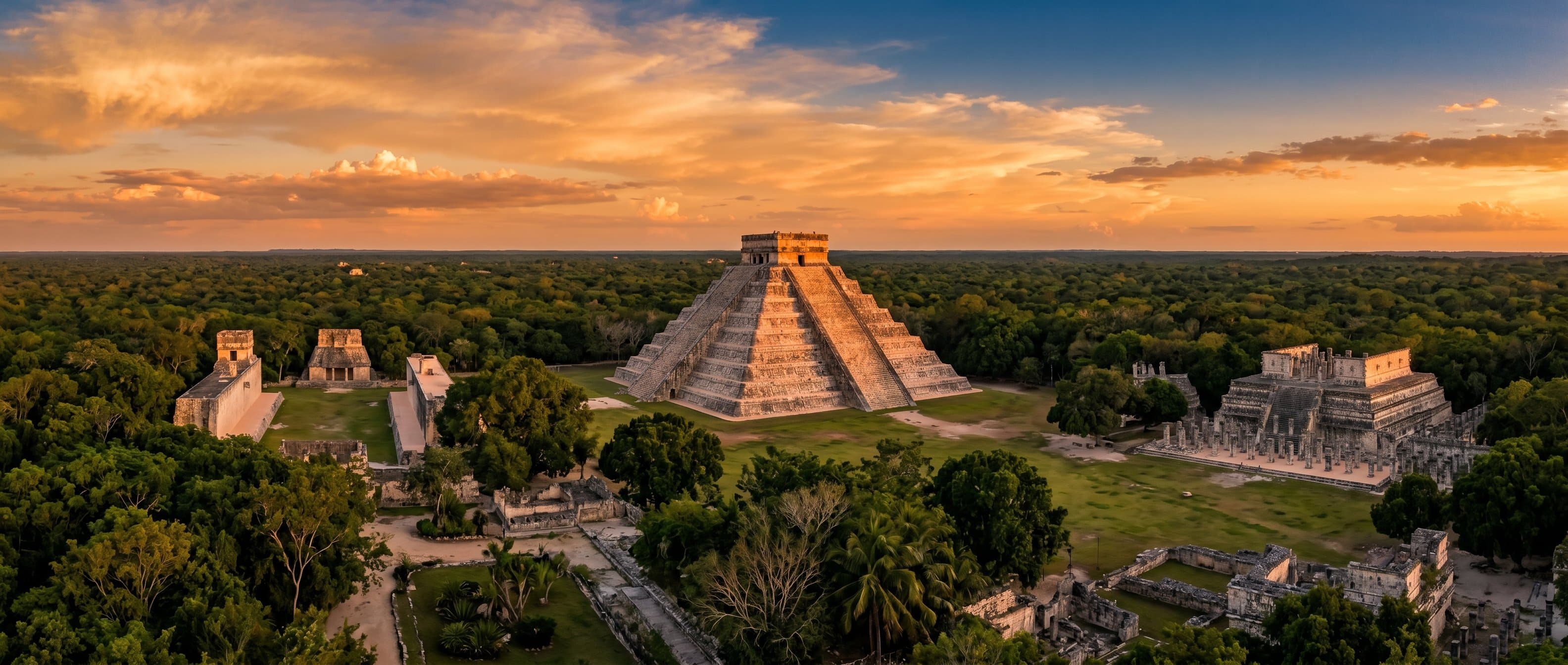
- El Castillo (Temple of Kukulcan): The iconic pyramid. While climbing is banned, the 11:00 AM shadow play is legendary. Entry: ~614 MXN.
- The Great Ball Court: The largest in Mesoamerica. Stand at one end and whisper; the acoustics are so perfect you can be heard at the other end.
- Cenote Sagrado: A natural sinkhole used for sacrifices. It is hauntingly beautiful, though you cannot swim here.
- Temple of the Warriors: Famous for its 'Group of a Thousand Columns'. Best viewed at 9:00 AM for the light.
- El Caracol (The Observatory): Evidence of the Maya's advanced astronomical knowledge.
- Chichen Viejo: The 'new' old part of the site. Much quieter, with intricate phallic carvings and dense jungle surroundings.
Local Food & Dining
Yucatecan cuisine is distinct from 'Mexican' food. You must try Cochinita Pibil (slow-roasted pork in achiote). For high-end dining, La Casona de Valladolid offers a stunning buffet in a colonial courtyard. For mid-range, Ix-cat-ik in Valladolid uses traditional Mayan techniques and hand-pressed tortillas. For the best street food, head to the Piste Central Square in the evening for Panuchos and Salbutes (crispy stuffed tortillas).
Safety & Emergency Contacts
The area is generally very safe for travellers. The biggest risk is the environment (sun/heat). Stay hydrated. In Valladolid, watch for 'friendly' locals trying to lead you to 'genuine' silver shops—it’s a common commission-based scam. Emergency Numbers: Police/Ambulance/Fire: 911. Tourist Police: 078. Hospital: Hospital General de Valladolid (+52 985 856 2883).
Useful Apps & Resources
- Tren Maya Official: For rail tickets and schedules.
- ADO Movil: Essential for bus bookings.
- Google Maps: Download the Yucatán offline map.
- WhatsApp: How you will communicate with tour guides and hostels.
- Spanska/Google Translate: For bridging the gap in local markets.
- Tourism Board: visitmexico.com
Chichen Itza in 2026 is a bridge between an ancient past and a high-speed future. By staying locally in Valladolid and using the new rail network wisely, you can beat the crowds and find the soul of the Maya. Ready to explore more? Visit ainexusworld.com for more deep-dive guides into Mexico's hidden corners.
FAQ
Can you still climb the pyramid? No, climbing El Castillo has been banned since 2006 to preserve the structure and ensure safety.
How much is the entry fee? As of 2026, the combined federal and state fee is approximately 614 MXN for foreign adults.
Is the Tren Maya operational? Yes, the full circuit is operational, with a dedicated station for Chichen Itza providing easy access from Merida and Cancun.
How long should I spend at the ruins? Plan for 3-5 hours at the site, plus extra time for a nearby cenote like Ik Kil.
Is there an ATM on-site? There are ATMs at the entrance, but they frequently run out of cash or have high fees. Carry Pesos from Valladolid or Cancun.