
The Ultimate Chicago Travel Guide 2026: Everything You Need to Know
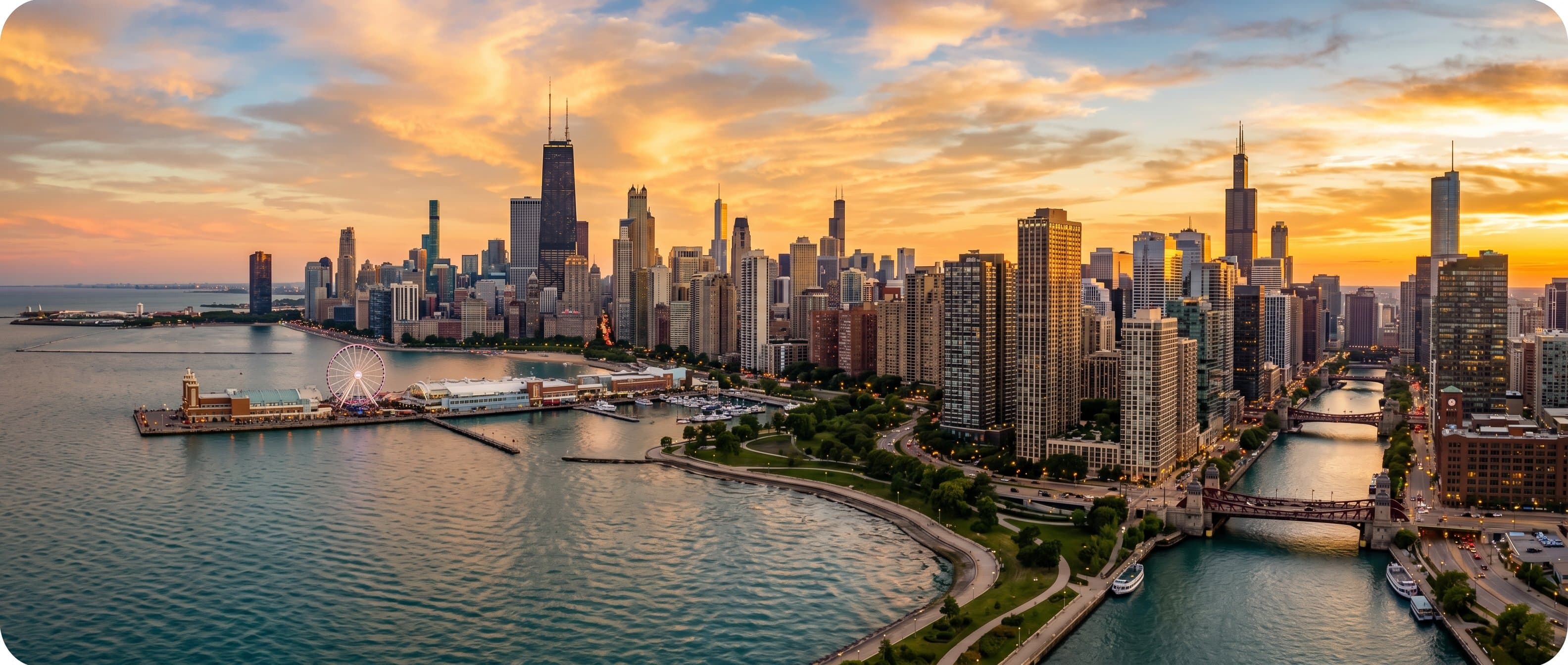
There is a distinct, unapologetic energy to Chicago that you simply will not find in New York or Los Angeles. Situated on the massive shores of Lake Michigan, this Midwestern powerhouse is a masterclass in urban resilience and architectural innovation. For the budget-conscious backpacker or savvy flashpacker aged 28 to 55, Chicago in 2026 represents the ultimate American city break. Why does it deserve a prominent place on your travel list right now? Beyond the postcard-perfect skyline, Chicago is undergoing a massive neighbourhood renaissance. The recent expansions of the Riverwalk and the booming arts districts in West Town and Logan Square mean that the city's best experiences are increasingly accessible, community-driven, and highly affordable if you know where to look. It is a city of genuine warmth, towering skyscrapers, and neighbourhoods that feel like distinct, welcoming villages.
Best Time to Visit
Timing your visit to the Windy City is crucial, as the extreme weather can heavily dictate your itinerary. The absolute 'sweet spot' for budget backpackers and savvy travellers is September to early October. During this window, the brutal summer heat and peak tourist crowds have dissipated, but the biting winter winds have not yet arrived. You will enjoy crisp, clear days perfect for architectural walking tours, manageable accommodation rates, and local festivals that feel authentic rather than overcrowded.
If you visit during the summer (June to August), prepare for high humidity, premium accommodation prices, and packed CTA trains, though you will be rewarded with incredible street festivals, free concerts in Millennium Park, and a vibrant beach culture along Lake Michigan. Winter (December to February) is strictly for the brave; temperatures regularly plunge well below freezing. However, if you are a dedicated budget traveller willing to bundle up, you can score luxury hotel rooms for hostel prices and enjoy world-class museums without the queues.
Travel Planning & Booking
Chicago is exceptionally well-connected globally via O'Hare International Airport (ORD), one of the world's busiest aviation hubs. For travellers coming from the UK, direct routes from London Heathrow (LHR) on British Airways and American Airlines are frequent and often competitively priced if booked three to four months in advance. To secure the best fares, flexibility is key. We highly recommend using Skyscanner to track price drops across a whole month, Hopper to predict the exact right day to purchase, and Hostelworld to secure highly-rated boutique hostels before they sell out during the busy convention season.
Visa requirements for 2026 remain strict but straightforward. UK and EU nationals can generally enter visa-free for up to 90 days using the ESTA (Electronic System for Travel Authorization), which must be applied for at least 72 hours before departure. Indian and UAE nationals require a B1/B2 tourist visa, necessitating an embassy interview, so begin this process at least six months prior to your intended travel date. Always ensure your passport is valid for at least six months beyond your departure date from the United States.
Travel Insurance
Never travel to the United States without comprehensive travel insurance. The cost of healthcare in America is notoriously exorbitant; a simple emergency room visit for a sprained ankle can cost thousands of dollars out of pocket. For Chicago specifically, ensure your policy covers trip cancellation (crucial given the unpredictable winter blizzards that can ground flights) and robust medical evacuation. World Nomads is exceptional for active backpackers, SafetyWing offers brilliant flexible policies for digital nomads staying longer, and Heymondo provides excellent 24/7 app-based medical chat support. Practical tip: Always keep a digital copy of your insurance certificate offline on your smartphone, alongside your provider's international collect-call emergency number.
Packing Guide
Packing for Chicago requires mastering the art of layering. Regardless of the season, the wind off Lake Michigan can dramatically alter the ambient temperature. In summer, bring breathable cottons but always include a lightweight windbreaker for the evenings. In winter, a heavy-duty thermal coat, insulated waterproof boots, and thermal underlayers are non-negotiable. Culturally, Chicago is casually stylish; you will rarely feel underdressed in quality jeans and smart trainers, even in high-end restaurants. Must-bring items include a universal travel adaptor, a high-capacity power bank (cold weather drains phone batteries rapidly), and a refillable water bottle. The one item tourists consistently over-pack? Formal wear. Unless you are attending a specific gala or dining at a Michelin-starred establishment with a strict dress code, smart-casual is universally accepted.
Accommodation
For the internationally minded backpacker, choosing the right neighbourhood is half the battle. Wicker Park / Bucktown is the epicentre of indie boutiques, vintage record stores, and vibrant nightlife. The West Loop is a culinary paradise, ideal for foodie flashpackers. River North is hyper-central, perfect for first-timers who want to walk to major attractions. For a boutique hostel experience, Freehand Chicago in River North offers brilliant mid-century design, incredibly social common areas, and both dorms and private rooms. If you have the budget for a mid-range historical treat, the Chicago Athletic Association provides stunning Gothic architecture and a rooftop bar overlooking Millennium Park. For pure luxury, The Langham remains unmatched for its riverside views and impeccable service. Booking tip: Avoid visiting during major industry conventions (often held at McCormick Place in spring and autumn), as hotel rates across all tiers can triple.
Getting Around Locally
Chicago boasts one of the most efficient public transit systems in the United States. Arriving at O'Hare (ORD), ignore the expensive taxis; follow the signs to the CTA Blue Line. For just $5, it will deposit you directly into the city centre in about 45 minutes. From Midway (MDW), the CTA Orange Line costs $2.50 and takes 30 minutes. Locally, the CTA (the 'L' trains and buses) is your best friend. Download the Ventra app immediately and load a digital pass onto your phone via Apple Wallet or Google Pay. A 3-day pass offers incredible value. While Uber and Lyft are ubiquitous, they are highly susceptible to surge pricing during rush hour or bad weather. One common tourist mistake: Attempting to drive or rent a car. Parking in central Chicago is astronomically expensive (often $50+ per day) and entirely unnecessary given the transit network.
Top Tourist Attractions (Must-See)
1. The Art Institute of Chicago: Housing one of the finest impressionist collections in the world. Open 11:00 AM - 5:00 PM (closed Tue/Wed). Entry: $32. Best time: Right at opening. Insider tip: Skip the main entrance on Michigan Avenue and use the Modern Wing entrance on Monroe Street for shorter queues.
2. Chicago Architecture Foundation Center River Cruise: The absolute best way to understand the city's history. Tours run frequently from 9:00 AM to twilight. Cost: ~$55. Best time: Twilight, to see the buildings catch the sunset and the city lights turn on. Insider tip: Only book the official cruise operated by the Chicago Architecture Center aboard Chicago's First Lady; the volunteer docents are vastly superior to commercial competitors.
3. Millennium Park & Cloud Gate: Home to the famous 'Bean'. Open 6:00 AM - 11:00 PM daily. Entry: Free. Best time: 7:00 AM to avoid the massive crowds. Insider tip: Walk south to the Lurie Garden for a spectacular, quiet juxtaposition of prairie flora against the towering skyline.
4. The Field Museum: A world-class natural history museum home to Sue, the famous T-Rex. Open 9:00 AM - 5:00 PM. Entry: $30. Best time: Weekday afternoons. Insider tip: Book a basic admission ticket and skip the expensive 3D movies; the permanent exhibits are more than enough for a full day.
5. 360 CHICAGO Observation Deck: Located in the former John Hancock Center. Open 9:00 AM - 11:00 PM. Entry: $35. Best time: One hour before sunset. Insider tip: Skip the official deck. Go one floor up to the Signature Lounge (if reopened/available) or grab a drink at a high-rise bar to enjoy the view for the price of a cocktail.
6. Garfield Park Conservatory: One of the largest and most stunning botanical conservatories in the US. Open 10:00 AM - 5:00 PM (Wednesdays until 8:00 PM). Entry: Free (donations encouraged), reservations required. Best time: Early morning. Insider tip: The Fern Room, designed by Jens Jensen to represent prehistoric Illinois, is the ultimate quiet escape from the urban hustle.
Local Food & Dining
You cannot visit Chicago without indulging in its caloric, deeply comforting local cuisine. The Deep-Dish Pizza is mandatory; head to Lou Malnati's or Pequod's for caramelized crusts. The Chicago-Style Hot Dog is an architectural marvel of beef, neon relish, sport peppers, and celery salt (strictly no ketchup). The Italian Beef Sandwich, dipped in gravy with hot giardiniera, is a messy, savoury revelation. Finally, seek out a Jibarito, a steak sandwich utilizing fried plantains instead of bread, born in the city's Puerto Rican community.
For fine dining, Alinea is a legendary three-Michelin-starred molecular gastronomy experience ($$$$). For a mid-range, exceptionally cool atmosphere, Girl & the Goat in the West Loop offers brilliant sharing plates ($$). For street food and budget bites, visit Maxwell Street Market on a Sunday or grab a reliable Italian Beef at Portillo's ($). Dietary note: While traditional Chicago food is meat and dairy heavy, the city is phenomenally accommodating to vegans. The Logan Square neighbourhood is packed with innovative plant-based eateries.
Safety & Emergency Contacts
Chicago is generally safe for tourists, particularly in the central business district (The Loop), River North, Lincoln Park, and Wicker Park. However, like any major metropolis, situational awareness is key. Petty theft and pickpocketing can occur on crowded CTA trains. It is advisable to avoid unfamiliar neighbourhoods on the far South and West sides late at night unless you have a specific destination and are taking a rideshare. Always walk purposefully and keep your valuables secured.
- Police / Fire / Ambulance: 911
- Non-Emergency City Services: 311
- Nearest International-Standard Hospital: Northwestern Memorial Hospital, 251 E Huron St, Chicago, IL 60611 (+1 312 926 2000)
Embassy & Consular Contacts:
- UK Consulate: 400 N Michigan Ave, Chicago, IL 60611 (+1 312 970 3800)
- India Consulate: 455 N Cityfront Plaza Dr #850, Chicago, IL 60611 (+1 312 595 0405)
- UAE Consulate General: 200 W Madison St, Suite 2900, Chicago, IL 60606 (+1 312 858 0555)
- US Passport Agency (for domestic US citizens): 101 W Ida B. Wells Dr, Chicago, IL 60605 (+1 877 487 2778)
Useful Apps & Resources
To navigate 2026 Chicago seamlessly, your digital toolkit must include the Ventra app for all CTA transit passes. Transit is exceptional for real-time bus and train tracking. SpotHero is vital if you absolutely must park a car, offering massive discounts on garage rates. Tock, which originated in Chicago, is the best app for securing hard-to-get restaurant reservations. Finally, use Uber or Lyft for late-night transport when trains run less frequently. The official tourism board, Choose Chicago (www.choosechicago.com), is an excellent resource for verified event calendars and seasonal festival line-ups.
Closing
Chicago is a city that rewards the curious. It is a place where grit meets glamour, where you can eat a five-dollar hot dog under the shadow of a billion-dollar skyscraper, and where Midwestern hospitality ensures you never feel like an outsider for long. Pack your warmest coat or your breeziest summer shirt, and prepare to be surprised by America's greatest architectural playground. For more insider itineraries, hidden gem recommendations, and budget backpacking hacks across North America, continue exploring www.ainexusworld.com.
FAQ
Is Chicago safe for tourists? Yes, the tourist-heavy areas like the Loop, River North, and the major parks are heavily policed and very safe. Exercise standard urban caution and avoid wandering into unlit parks or unfamiliar outer neighbourhoods late at night.
What is the best time to visit Chicago? September and October offer the perfect combination of mild, crisp weather, fewer crowds, and gorgeous autumnal foliage in the city parks.
How many days do I need in Chicago? A minimum of 4 days is recommended to see the major museums, take the architecture tour, explore a couple of vibrant neighbourhoods like Wicker Park, and eat your way through the local staples.
Do I need a car in Chicago? Absolutely not. A car is an expensive liability in the city. Rely on the CTA train network, buses, Divvy rental bikes, and occasional rideshares.
What is the local currency and can I use credit cards? The US Dollar (USD). Chicago is increasingly cashless; credit and debit cards (especially contactless via Apple/Google Pay) are accepted almost everywhere, from high-end boutiques to street food vendors.