
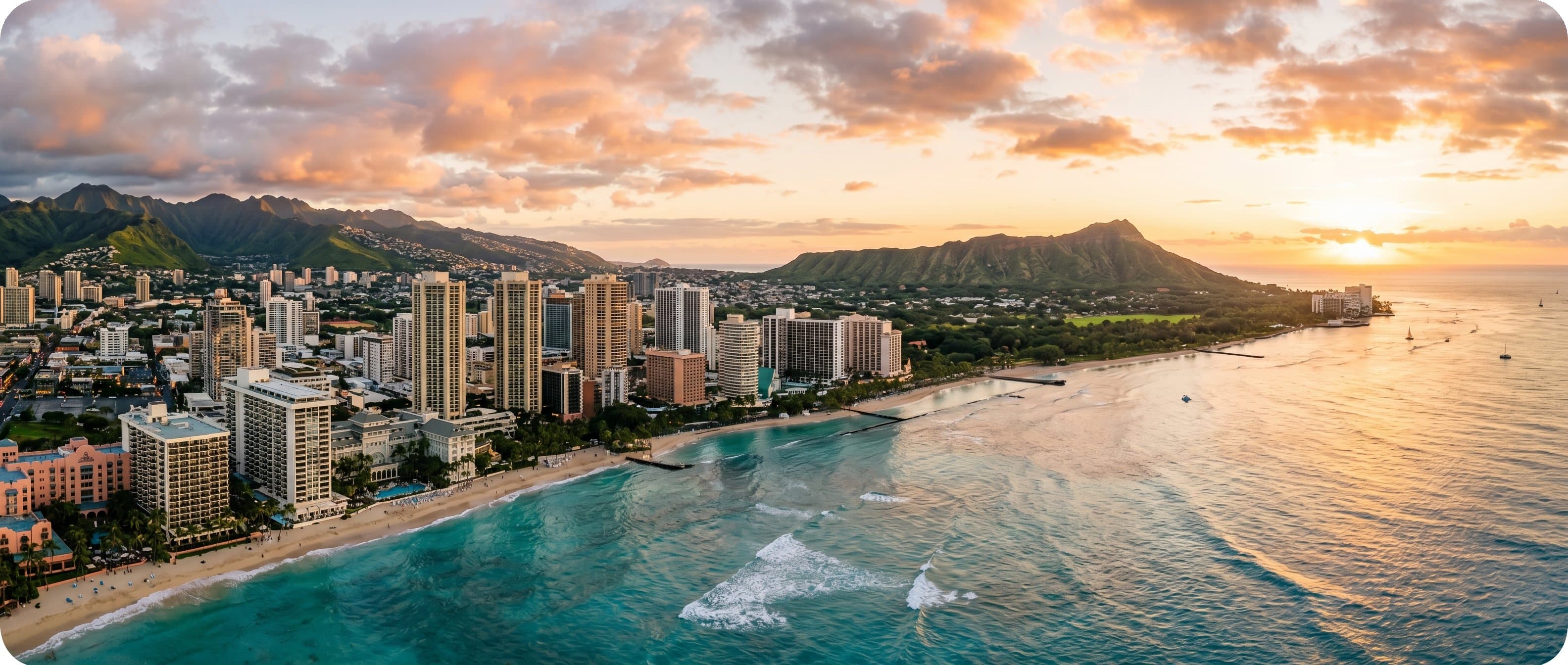
The Ultimate Hawaii Travel Guide 2026: Everything You Need to Know
Meta Description: Discover Hawaii in 2026 with our comprehensive travel guide. Find budget tips, local food recommendations, hidden gems, and island-hopping itineraries.
Target Keywords: Hawaii travel guide 2026, budget backpacking Hawaii, Oahu itineraries, Hawaii visa requirements, best time to visit Hawaii, Hawaiian local food, Honolulu public transport, Hawaii island hopping.
Introduction
For decades, Hawaii has been pigeonholed as a high-end honeymoon destination, but a shift is happening in 2026. The islands are increasingly embracing sustainable, community-driven tourism, making it an extraordinary time for the globally minded, digitally savvy traveller to visit. Why does Hawaii deserve a place on your list right now? Beyond its iconic surf breaks and volcanic peaks, Hawaii offers an unparalleled opportunity to engage with the 'Malama Hawaii' (care for Hawaii) initiative. This programme allows travellers to volunteer in agricultural or conservation projects—like restoring ancient fishponds or clearing invasive species—in exchange for profound cultural connections and even discounted hotel stays. It's a chance to experience the authentic Aloha spirit as a participant, not just a spectator.
Best Time to Visit
Hawaii's tropical climate is relatively consistent, but distinct seasons affect ocean conditions, crowds, and pricing. The rainy season spans from November to March, bringing larger swells to the North Shore (perfect for watching pro surfers) but cooler, wetter days. The dry season runs from April to October. The absolute 'sweet spot' for budget backpackers is September and October. During these months, the summer family crowds have departed, the ocean water is at its warmest (averaging 26°C), and accommodation prices drop significantly before the winter holiday surge.
Travel Planning & Booking
Reaching the world's most isolated population centre requires strategic planning. Honolulu's Daniel K. Inouye International Airport (HNL) is the primary hub. From the UK or EU, expect a layover in Los Angeles, San Francisco, or Seattle, typically flying with British Airways or Virgin Atlantic codeshares with Delta or United. Booking lead times are critical: secure your flights 4 to 6 months in advance for peak winter travel, or 2 to 3 months ahead for the shoulder season. Use Google Flights for tracking flexible date prices, Booking.com for securing hostels and mid-range stays with free cancellation, and Hostelworld to tap into the active backpacker communities in Waikiki and Maui.
Visa requirements for 2026 are strict. UK and EU nationals generally qualify for the ESTA (Visa Waiver Programme), allowing a 90-day stay, which must be applied for at least 72 hours before departure. US citizens simply need a Real ID-compliant driver's licence or passport. Nationals from India and the UAE must apply for a US B1/B2 tourist visa well in advance, as interview wait times can be lengthy. Always carry proof of onward travel and your first night's accommodation details to satisfy immigration officers.
Travel Insurance
Nowhere is travel insurance more vital than in the United States, where healthcare costs are famously exorbitant. A minor surfing injury or a bout of reef rash could result in thousands of dollars in medical bills. For Hawaii specifically, you must ensure your policy covers adventure activities (surfing, snorkelling, volcano hiking) and helicopter evacuations if you plan to hike remote trails like the Na Pali Coast. World Nomads is excellent for active backpackers wanting high-tier adventure coverage. SafetyWing offers great digital nomad flexibility at a lower monthly cost. Allianz Travel provides robust trip cancellation and medical evacuation coverage. Practical Tip: Keep a digital and physical copy of your insurance certificate; clinics in Hawaii will demand proof of coverage before treating non-life-threatening issues.
Packing Guide
Hawaii's microclimates mean you can be sunbathing at sea level and shivering on a volcanic summit within the same day. Bring lightweight, breathable cotton or linen clothing for the coasts, and a sturdy fleece and windbreaker for high-altitude excursions like Haleakalā or Mauna Kea. Culturally, casual dress is the norm—an 'Aloha shirt' or casual sundress is perfectly acceptable even in high-end restaurants. A strict legal requirement in Hawaii is reef-safe sunscreen (free of oxybenzone and octinoxate) to protect the coral. Bring a reusable water bottle, a high-quality rash guard for snorkelling, and sturdy water shoes for volcanic rock beaches. The number one item tourists over-pack? Formal wear and heavy jackets. Leave the suits and heavy denim at home; you won't use them.
Accommodation
While resort fees dominate the coastline, savvy travellers can find incredible value. In Oahu, Waikiki is bustling and convenient for transit, Kaka'ako is the trendy, street-art-filled epicentre for foodies, and the North Shore (Haleiwa) offers laid-back surf vibes. For a luxury splurge, The Royal Hawaiian (the iconic 'Pink Palace') offers historic grandeur on Waikiki Beach. For a mid-range, stylish stay, The Surfjack Hotel & Swim Club provides a brilliant mid-century modern aesthetic with a highly-rated onsite restaurant. Budget backpackers should head to the Polynesian Hostel Beach Club in Waikiki, offering affordable dorms and free pancake breakfasts. Booking tip: Always check the fine print for hidden 'resort fees' which can add $30-$50 per night to your advertised room rate.
Getting Around Locally
Arriving at HNL, the cheapest way to the city centre is TheBus (Route 20) for just $3, though luggage restrictions apply. For convenience, an Uber or Lyft to Waikiki costs around $35 and takes 25 minutes. Honolulu's new light rail, Skyline, continues to expand and is excellent for West Oahu travel. For navigating the city, TheBus remains one of the best public transit systems in the US. A common tourist mistake is renting a car for their entire Oahu stay; parking in Waikiki easily costs $40+ per night. Instead, rent a car through Hui Car Share by the hour only on the days you wish to explore the island's perimeter.
Top Tourist Attractions (Must-See)
- Diamond Head State Monument: This iconic volcanic tuff cone shapes the Waikiki skyline. Hours: 6:00 AM - 4:00 PM. Cost: $5 entry, plus $10 for parking. Best time: 6:00 AM to beat the intense midday heat. Insider Tip: Out-of-state visitors must make reservations online in advance; walk-ins are turned away.
- Pearl Harbor National Memorial: A sobering, essential piece of WWII history. Hours: 7:00 AM - 5:00 PM. Cost: Free for the USS Arizona Memorial, but a $1 reservation fee applies. Best time: Early morning. Insider Tip: Bags of any size (even small purses) are strictly banned; use the onsite lockers or bring just your wallet and phone in your pockets.
- Hawai'i Volcanoes National Park (Big Island): Home to Kīlauea, one of the world's most active volcanoes. Hours: 24/7. Cost: $30 per vehicle. Best time: Dusk. Insider Tip: View the Halema'uma'u crater at night to see the spectacular red glow of the lava lake beneath the stars.
- Hanauma Bay Nature Preserve: A premier marine life conservation area built into a flooded volcanic crater. Hours: 6:45 AM - 1:30 PM (Closed Mon/Tue). Cost: $25. Best time: 7:00 AM. Insider Tip: Tickets sell out within minutes when they go online 48 hours in advance—set an alarm for 7:00 AM HST to secure your slot.
- Na Pali Coast State Wilderness Park (Kauai): Dramatic 4,000-foot sea cliffs and lush valleys. Hours: Sunrise to sunset. Cost: $5 walk-in, $10 parking. Best time: Morning. Insider Tip: If the demanding Kalalau Trail is too much, book a sunset catamaran tour to see the cliffs from the water.
- Waimea Canyon (Kauai): Dubbed the 'Grand Canyon of the Pacific'. Hours: Daylight hours. Cost: $5 per person, $10 parking. Best time: Mid-morning before the afternoon clouds roll in. Insider Tip: Drive past the main lookout to the Pu'u o Kila Lookout for a breathtaking view down into the Kalalau Valley.
Local Food & Dining
Hawaiian cuisine is a magnificent reflection of its diverse immigrant history. You must try authentic Poke (raw, marinated ahi tuna), Loco Moco (white rice topped with a hamburger patty, fried egg, and brown gravy), Kalua Pig (slow-roasted pork cooked in an underground imu oven), and Spam Musubi (a beloved snack of grilled Spam on rice wrapped in nori). For high-end dining, book a table at Senia in Honolulu, offering incredible regional tasting menus. For an authentic mid-range experience, Helena's Hawaiian Food is a James Beard Award-winning, no-frills institution famous for its short ribs. For street food, stop by the Rainbow Drive-In for plate lunches that have fed local surfers for decades. Dietary note: Vegans will fare surprisingly well in Hawaii, particularly in spots like Kaka'ako, but traditional Hawaiian food is heavily meat and seafood-centric.
Safety & Emergency Contacts
Hawaii is generally very safe for tourists, but petty theft (especially rental car break-ins at trailheads) is common. Do not leave any valuables visible in your car. The biggest hazards are natural: powerful rip currents, unexpected shore breaks, and flash floods. Always heed warning signs on beaches. For emergencies, the real contact numbers are:
- Police, Ambulance, Fire, National Emergency: 911
- Visitor Aloha Society of Hawaii (Tourist assistance): +1-808-923-1811
Useful Apps & Resources
To navigate the islands like a pro, download these essential apps: 1. DaBus2: Real-time GPS tracking for Oahu's excellent bus system. 2. Hui Car Share: Rent cars by the hour straight from your phone. 3. Shaka Guide: GPS-enabled audio tours for scenic drives (especially the Road to Hana). 4. Uber/Lyft: Essential for point-to-point transit where buses don't reach. 5. AlohaSafe: Local health and safety alerts. For official planning, visit the state's tourism board at gohawaii.com.
Closing
Hawaii is far more than a postcard cliché; it is a dynamic, culturally rich archipelago that rewards those who travel with respect, curiosity, and an adventurous spirit. By stepping off the resort properties and engaging with the local community, you'll discover the true essence of Aloha. Ready to start building your ultimate itinerary? Explore more in-depth destination guides and practical backpacking hacks at ainexusworld.com.
FAQ
- Is Hawaii safe for tourists? Yes, violent crime against tourists is rare. The primary risks are ocean hazards (rip currents) and petty theft from rental cars.
- What is the best time to visit Hawaii? September and October offer the best combination of warm water, fewer crowds, and lower accommodation rates.
- How many days do I need in Hawaii? A minimum of 7 to 10 days is recommended for a single island. If you want to island-hop, allocate at least 14 days.
- Do I need a visa to visit Hawaii? International visitors need a US visa or ESTA (for UK/EU nationals). Domestic US travellers just need a valid ID.
- What is the local currency and can I use credit cards? The currency is the US Dollar (USD). Credit cards are widely accepted, though carrying $50 in small bills is handy for food trucks and rural stands.