
Introduction
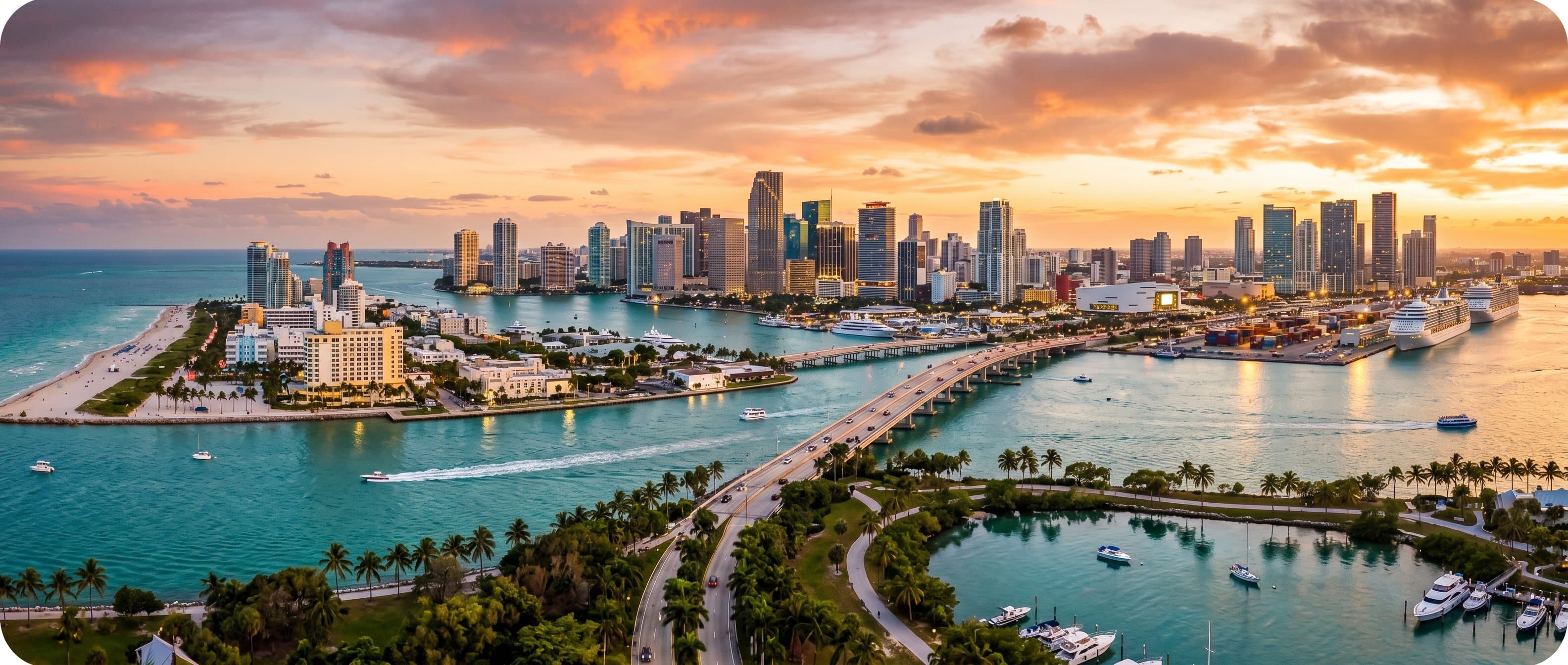
Once known almost exclusively for its neon-lit nightlife and celebrity-studded beaches, Miami has matured into a globally significant cultural hub. As we head into 2026, the 'Magic City' offers far more than just a place to sunbathe. Why does Miami deserve a firm place on your travel itinerary right now? Because it is undergoing an unprecedented artistic and culinary renaissance. The spectacular evolution of neighbourhoods like Wynwood and the Design District has transformed the city into an open-air gallery, whilst the influx of international chefs has made it a Michelin-recognised dining destination. For the internationally minded, digitally savvy traveller, Miami provides a thrilling intersection of North American infrastructure and profound Latin American soul. It is a city where you can sip a cortado in Little Havana at dawn, work from a world-class co-working space in Brickell by midday, and kayak through mangrove forests by sunset. Whether you are a flashpacker stretching a mid-range budget or a seasoned nomad, Miami's dynamic energy is entirely unrivalled.
Best Time to Visit
Timing your trip to Miami is critical, as the subtropical climate dictates everything from pricing to the sheer feasibility of outdoor activities. The undisputed 'sweet spot' for visiting is between late February and April. During this window, you entirely bypass the stifling humidity and hurricane risks of the summer, whilst dodging the absolute peak pricing of the December holiday season. Spring (March to May) brings temperatures hovering around a comfortable 24°C to 28°C, alongside marquee events like the Miami Open and Miami Music Week. Summer (June to August) is famously hot, sticky, and wet. Expect daily afternoon thunderstorms and a mass exodus of 'snowbirds' (seasonal residents). However, this is when luxury hotel rates plummet, making it an excellent time for budget-conscious travellers willing to brave the heat. Autumn (September to November) is the height of hurricane season, so travel insurance with weather disruption cover is non-negotiable. Winter (December to February) is Miami's high season. The weather is spectacular—dry, sunny, and around 22°C—but you will pay a premium for accommodation, particularly during Art Basel in early December.
Travel Planning & Booking
Reaching Miami is remarkably straightforward owing to Miami International Airport (MIA), one of the busiest global transit hubs. For travellers from the UK, British Airways and Virgin Atlantic offer direct flights from London Heathrow, typically taking around 9 hours. If you are flying from the EU, airlines like Air France, Lufthansa, and Iberia provide excellent direct routes from Paris, Frankfurt, and Madrid. To secure the best fares, you must book your flights at least three to four months in advance, especially if travelling during the winter peak.
When it comes to booking platforms, a multi-pronged approach works best. Skyscanner remains the gold standard for tracking flight price drops and comparing budget carriers against legacy airlines. Booking.com is ideal for securing flexible accommodation rates—essential in a city where plans frequently change—whilst Hostelworld is indispensable for finding sociable, budget-friendly 'poshtels' in South Beach.
Visa requirements for the US are notoriously strict and must be arranged well in advance of your 2026 trip. UK and EU nationals generally qualify for the ESTA (Electronic System for Travel Authorization) under the Visa Waiver Programme, which must be applied for at least 72 hours before departure. US citizens naturally require no visa, but should ensure their Real ID or passport is valid for domestic flights. Nationals from India and the UAE must apply for a B1/B2 tourist visa. This requires an in-person embassy interview and can take several months to secure, so initiate this process the moment you decide to travel. Your entry documentation checklist should include: a valid passport (with at least six months' validity), proof of onward travel, a printed copy of your ESTA/Visa, and evidence of sufficient funds (such as a recent bank statement) in case queried by Customs and Border Protection.
Travel Insurance
If there is one destination where travel insurance is absolutely non-negotiable, it is the United States. Miami specifically presents unique risks: hurricane-season flight cancellations, petty theft in crowded tourist hotspots, and, most importantly, the astronomical cost of American healthcare. A minor emergency room visit for a sprained ankle can easily cost thousands of dollars without adequate cover. You must look for a policy that offers at least $500,000 in medical cover, comprehensive trip cancellation (specifically for extreme weather), and cover for activities like airboat riding or jet skiing.
Three standout providers for 2026 are World Nomads (excellent for backpackers and those planning water sports), SafetyWing (perfect for digital nomads requiring an affordable, subscription-based model), and Allianz Travel Insurance (ideal for comprehensive, high-coverage traditional policies). Practical Tip: Always save your insurance provider's 24/7 emergency assistance number directly into your phone and keep a printed copy of your policy number in your day-bag.
Packing Guide
Miami's climate dictates a highly specific wardrobe. Think lightweight, breathable, and versatile. Linen shirts, moisture-wicking t-shirts, and comfortable walking sandals are your daytime staples. Culturally, Miami is remarkably image-conscious. Whilst beachwear is perfectly acceptable on the sand, wandering into a restaurant or shop on Ocean Drive bare-chested or in a bikini top is frowned upon and often explicitly banned. You must pack at least one 'smart-casual' outfit—a tailored shirt or an elegant summer dress with proper shoes—as many clubs and high-end restaurants in South Beach and Brickell enforce strict dress codes.
Must-bring items include coral-safe sunscreen (sun protection is expensive locally), a high-quality reusable water bottle (Miami tap water is safe to drink), and a travel umbrella for sudden, torrential afternoon downpours. The single item tourists consistently over-pack? Heavy jackets and formal winter wear. Even in January, you will rarely need more than a light jumper or a denim jacket for the aggressively air-conditioned indoor spaces.
Accommodation
Miami is a sprawling metropolis, and choosing the right neighbourhood is critical to your experience. South Beach is the iconic epicentre of Art Deco architecture and nightlife. Wynwood is the beating heart of Miami's art and street-culture scene, perfect for young creatives. Brickell is the 'Manhattan of the South', offering excellent public transport links, sleek high-rises, and world-class dining.
For a spectacular luxury experience, 1 Hotel South Beach offers unrivalled eco-conscious opulence and a stunning rooftop pool. For the mid-range traveller, The Freehand Miami operates as a chic 'poshtel', offering both private rooms and dorms alongside the award-winning Broken Shaker cocktail bar. If you are seeking a unique boutique option, Generator Miami perfectly bridges the gap between a design hotel and a social hub. Booking Tip: When booking Miami accommodation, look out for hidden 'Resort Fees'. Many properties add a mandatory daily fee (often $30-$50) upon arrival that is not included in the initial advertised price.
Getting Around Locally
Landing at Miami International Airport (MIA), your most budget-friendly transport into the city is the Metrorail Orange Line. It costs just $2.25 and whisks you into Downtown Brickell in under 30 minutes. Alternatively, Uber and Lyft are ubiquitous, costing around $25-$40 to reach South Beach depending on surge pricing. Once in the city, public transport varies by area. In Downtown and Brickell, the Metromover is a fantastic, completely free elevated monorail that connects major hubs. To cross over to Miami Beach, local buses (like the 120 Route) are reliable and cheap.
A common tourist mistake is renting a car for a short stay. Between gridlocked traffic, aggressive local drivers, and exorbitant parking fees (often $40+ per night at hotels), a car is a costly liability unless you are planning extensive day trips outside the city. Stick to ride-sharing apps and the free local Freebee app, which offers tip-based electric vehicle rides in specific neighbourhoods.
Top Tourist Attractions (Must-See)
Miami's attractions blend natural beauty with profound cultural heritage. Here are the absolute essentials for your 2026 itinerary:
- Wynwood Walls: The epicentre of Miami's street art scene, featuring immense, curated murals by global artists. It opens daily from 11:00 AM to 7:00 PM; entry is $12. Insider Tip: Visit right at opening time on a weekday to snap photos without the crowds, then grab coffee at Panther Coffee nearby.
- Vizcaya Museum and Gardens: A breathtaking Gilded Age estate on Biscayne Bay that transports you to an Italian Renaissance villa. Open 9:30 AM to 4:30 PM (closed Tuesdays); entry is $25. Insider Tip: The gardens are vast; bring insect repellent if visiting in the humid summer months.
- South Beach & Art Deco Historic District: Over 800 preserved pastel-hued buildings from the 1930s. Accessible 24/7; entirely free to wander. Insider Tip: Start your walk at the Art Deco Welcome Center at 10th Street for context before exploring Ocean Drive.
- Little Havana (Calle Ocho): The cultural heart of Miami's Cuban community, filled with cigar shops, domino parks, and salsa beats. Accessible 24/7; free to explore. Insider Tip: Visit Domino Park (Maximo Gomez Park) to watch the fierce local matches, but respectfully ask before taking close-up photos of the players.
- Everglades National Park: A unique subtropical wetland ecosystem famous for alligators and airboat rides. Hours vary by tour operator; airboat tours cost around $30-$40. Insider Tip: Book a tour that includes the Shark Valley observation tower for the best panoramic views.
- Pérez Art Museum Miami (PAMM): A stunning contemporary art museum with hanging gardens, focusing on international art of the 20th and 21st centuries. Open 11:00 AM to 6:00 PM (closed Tuesdays/Wednesdays); entry is $16. Insider Tip: The outdoor terrace offers some of the best free views of Biscayne Bay in the city.
Local Food & Dining
Miami's culinary scene is a vibrant reflection of its diverse demographics. You absolutely must try a traditional Cuban Sandwich (roast pork, ham, Swiss cheese, pickles, and mustard on pressed Cuban bread). Fresh Stone Crab Claws are a seasonal delicacy (October to May), whilst Ceviche highlights the Peruvian influence in the city. Finish any meal with a slice of tart, authentic Key Lime Pie.
For a high-end, iconic dining experience, Joe's Stone Crab in South Beach is legendary (expect a wait, as they do not take reservations). For exceptional mid-range dining, Versailles Restaurant in Little Havana is the world's most famous Cuban restaurant, serving enormous portions in a bustling, mirrored dining room. For an incredible street-food and market vibe, head to 1-800-LUCKY in Wynwood, a massive Asian food hall with phenomenal ramen, bao buns, and a pulsing hip-hop soundtrack. Dietary Note: Vegans and vegetarians will thrive in Miami, particularly in areas like Wynwood and South Beach, where plant-based dining is highly celebrated.
Safety & Emergency Contacts
Miami is generally safe for tourists, maintaining a moderate safety level comparable to other major US cities. The tourist-heavy areas of South Beach, Brickell, and Coconut Grove are heavily policed and safe to walk around at night. However, caution is required if wandering off the beaten path. Avoid walking through Overtown or Liberty City after dark, as these areas have higher crime rates. Petty theft, such as bag snatching on the beach, is the most common issue for tourists. Always keep your belongings in sight and never leave valuables unattended on the sand whilst swimming. In the event of a medical emergency, Jackson Memorial Hospital is the premier public trauma centre, whilst Baptist Hospital of Miami offers excellent international-standard private care. If you need assistance from your government, ensure you have your consulate's contact details to hand.
Useful Apps & Resources
To navigate Miami like a local, your smartphone is your best tool. Download the Miami-Dade Transit app for accurate bus and Metrorail schedules. PayByPhone is mandatory, as almost all street parking in Miami is cashless and app-only. Uber or Lyft are essential for traversing areas without train coverage. Yelp is heavily used in the US for discovering local restaurant reviews, and the Freebee app is fantastic for securing free, eco-friendly rides around downtown. For official updates, the Greater Miami Convention & Visitors Bureau website (miamiandbeaches.com) is an exceptional, up-to-date resource.
Closing
Miami is a city that refuses to stand still. Whether you are dancing until dawn in a neon-drenched club, wandering through world-class art installations, or simply watching the sunrise over the Atlantic with a Cuban coffee in hand, the city promises an unforgettable experience. Armed with this 2026 guide, you are ready to explore the Magic City intelligently, safely, and entirely on your own terms. For more expert travel guides, insider tips, and destination inspiration, be sure to explore more at ainexusworld.com. Your next great adventure awaits!
FAQ
Is Miami safe for tourists?
Yes, Miami is generally safe for tourists, especially in high-footfall areas like South Beach, Wynwood, and Brickell. However, like any major US city, you should exercise common sense, avoid unlit areas at night, and safeguard your belongings on the beach.
What is the best time to visit Miami?
The optimal time to visit is between late February and April. The weather is pleasantly warm (around 25°C), the humidity is manageable, and you avoid the intense hurricane season of late summer and the peak prices of mid-winter.
How many days do I need in Miami?
A 4 to 5-day itinerary is perfect. This allows you a day for South Beach, a day for Wynwood and the Design District, a day to explore Little Havana and Downtown, and a day trip out to the Everglades.
Do I need a visa to visit Miami?
This depends entirely on your nationality. UK and EU citizens typically require an ESTA. Indian and UAE citizens require a B1/B2 tourist visa, which involves an embassy interview. Always check the US State Department website for the most current 2026 regulations.
What is the local currency and can I use credit cards?
The currency is the US Dollar (USD). Miami is highly cashless; credit and debit cards (Visa/Mastercard) are accepted almost everywhere. You will only need a small amount of cash for tipping hotel staff or buying small items from street vendors.