
Introduction
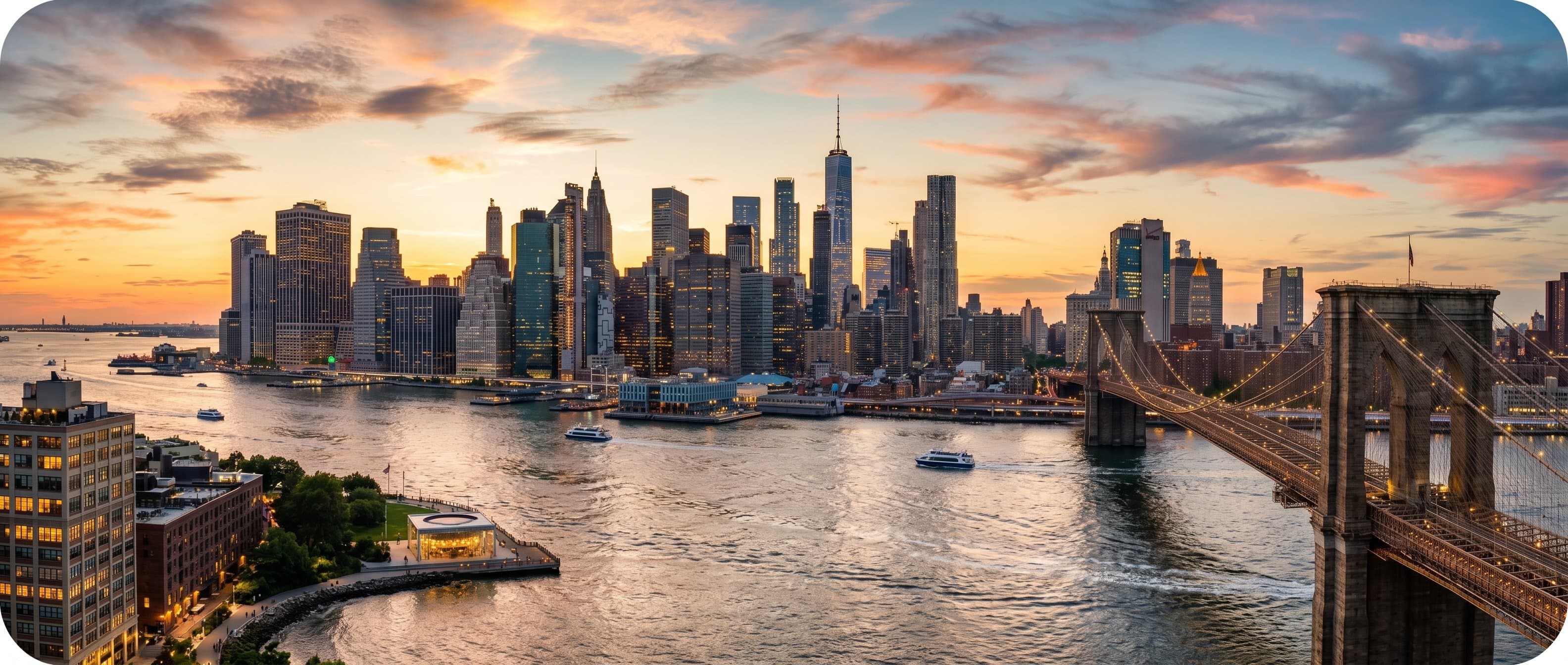
There is no city on earth quite like New York. It is a relentless, pulsating metropolis that constantly shifts, evolves, and reinvents itself. For the digitally savvy, internationally minded backpacker in 2026, New York City deserves a top spot on your travel itinerary. Beyond the towering skyscrapers and cinematic streetscapes lies a fiercely proud, diverse collection of neighbourhoods waiting to be explored. Why visit right now? In 2026, New York is buzzing with the electric anticipation of the FIFA World Cup preparations, bringing a massive influx of cultural events, revamped public spaces, and upgraded transit infrastructure—including the final phases of the monumental JFK Airport transformation. Whether you are hunting for vintage vinyl in Brooklyn, devouring authentic soup dumplings in Flushing, or simply watching the world go by from a bench in Central Park, NYC offers an unmatched urban adventure.
Best Time to Visit
New York is a year-round destination, but its extreme seasons dictate the type of trip you will experience. The absolute sweet spot for visiting is early autumn (September to October). The suffocating humidity of summer has broken, leaving crisp, golden days perfect for walking miles across the boroughs. Central Park begins its autumnal transformation, and the cultural calendar awakens with film festivals and Broadway openings.
Month-by-month breakdown:
- January: Bitterly cold, post-holiday sales, low crowds. Great for budget travellers willing to brave the chill.
- February: Freezing temperatures, occasional snowstorms. Valentine's Day brings a brief spike in restaurant prices.
- March: Unpredictable weather, slowly thawing. St. Patrick's Day brings lively parades.
- April: Spring arrives. Cherry blossoms in the Brooklyn Botanic Garden. Moderate crowds.
- May: Warm and glorious. Perfect weather for rooftop bars and outdoor markets. High demand.
- June: Summer heat begins. Pride Month brings massive celebrations and vibrant street parties.
- July: Hot and humid. Peak tourist season. Excellent for free outdoor concerts and July 4th fireworks.
- August: Sweltering heat. Many locals leave for the Hamptons or upstate, giving the city a slightly slower pace.
- September: Crisp air, beautiful weather. The absolute best time to visit. High prices.
- October: Autumn foliage peaks. Halloween parade in Greenwich Village is a must-see.
- November: Getting colder. The NYC Marathon and Thanksgiving Day Parade draw large crowds.
- December: Magical but expensive. Holiday window displays, Rockefeller tree, and peak crowds.
Travel Planning & Booking
Reaching New York City is remarkably easy from almost anywhere in the world. For UK travellers, the London Heathrow (LHR) to John F. Kennedy (JFK) route is one of the busiest global corridors, serviced frequently by British Airways, Virgin Atlantic, and Delta. European travellers have excellent connections via Air France, Lufthansa, and budget carrier Norse Atlantic Airways. You should aim to book flights 3 to 4 months in advance, especially if travelling during the autumn or the December holiday season.
Booking Platforms: For flights, Skyscanner remains the undisputed champion for mixing and matching airlines to find budget routes. For accommodation, Booking.com is excellent for finding flexible cancellation policies on mid-range hotels, while Hostelworld is essential for backpackers hunting for social dorms in Manhattan and Brooklyn.
Visa Requirements (2026):
- UK & EU Nationals: Eligible for the ESTA (Electronic System for Travel Authorization) under the Visa Waiver Programme. Must apply at least 72 hours before departure. Valid for 90 days.
- US Nationals: Domestic travel; valid government-issued ID required (REAL ID enforced).
- Indian Nationals: Must hold a valid B1/B2 tourist visa. The application process requires an interview and can have long wait times; apply 6-8 months in advance.
- UAE Nationals: Require a B1/B2 visa, obtained via the US Embassy in Abu Dhabi or Consulate in Dubai.
Travel Insurance
Never travel to the United States without comprehensive travel insurance. The healthcare system in the US is entirely privatised, and a simple emergency room visit for a sprained ankle or minor illness can cost thousands of dollars. Your policy must include high medical cover (minimum $1,000,000 recommended), repatriation, trip cancellation, and baggage protection. We recommend World Nomads for backpackers needing robust, flexible cover, SafetyWing for digital nomads requiring ongoing monthly subscriptions, and Allianz for comprehensive, traditional travel insurance. Practical Tip: Always keep a digital copy of your insurance certificate and the 24/7 emergency assistance number saved offline on your phone.
Packing Guide
New York is a walking city. The single most important item in your luggage must be broken-in, comfortable walking shoes. Do not pack brand-new boots. The climate swings wildly: summers require breathable cotton and linen, while winters demand heavy coats, thermal base layers, and wind-resistant accessories. Culturally, New Yorkers dress practically but stylishly; dark, neutral colours (especially black) will help you blend in. A universal travel adapter (Type A/B for the US) and a high-capacity power bank are essential for long days navigating via Google Maps. One item tourists over-pack: Formal evening wear. Unless you have reservations at an ultra-exclusive Michelin-starred restaurant, smart-casual is universally accepted across the city.
Accommodation
Where you stay dictates your New York experience. Williamsburg (Brooklyn) is perfect for the trendy, budget-conscious backpacker looking for nightlife, thrift stores, and excellent coffee. The Upper West Side (Manhattan) offers a quieter, residential feel with immediate access to Central Park and natural history. The West Village provides quintessential New York charm with tree-lined streets and historic brownstones.
- Luxury Pick: The Plaza Hotel. Iconic, opulent, and situated right on the corner of Central Park South.
- Mid-Range Pick: Arlo SoHo. Micro-rooms with incredible design, a great rooftop, and a prime downtown location.
- Budget Pick: HI New York City Hostel. Located on the Upper West Side, offering clean dorms, vast common areas, and excellent social events for backpackers.
Getting Around Locally
Navigating the transition from the airport to the city centre is your first test. From JFK, the AirTrain to the Jamaica Subway Station (connecting to the E, J, or Z trains) is the most cost-effective route, taking about 60-75 minutes and costing around $11.40. Taxis offer a flat rate to Manhattan ($70 plus tolls and a mandatory 15-20% tip), taking 45-90 minutes depending on notorious NYC traffic. Uber and Lyft are ubiquitous but subject to heavy surge pricing.
Locally, the MTA Subway is the lifeblood of the city. Operating 24/7, it is cheap, mostly efficient, and heavily air-conditioned in summer (though the stations themselves are sweltering). You no longer need to buy a physical MetroCard; the OMNY system allows you to tap-to-pay with your contactless credit card or smartphone. Common tourist mistake: Boarding an express train when you need a local stop, ending up miles away from your destination. Always check if the train is local or express.
Top Tourist Attractions (Must-See)
- Central Park: The green lung of Manhattan. Essential for a break from the concrete. Open 6:00 AM - 1:00 AM. Free entry. Insider tip: Rent a bike at the southern end but ride up past the 72nd street transverse to escape the densest tourist crowds.
- The Metropolitan Museum of Art (The Met): A sprawling, world-class collection spanning 5,000 years of global culture. Open Thu-Tue 10:00 AM - 5:00 PM (extended hours Fri/Sat). $30 entry. Insider tip: The rooftop garden offers stunning views of the skyline and is perfect for a sunset drink in warmer months.
- Top of the Rock: The best observation deck in the city because it offers a perfect view of the Empire State Building. Open 9:00 AM - 11:00 PM. $40-$55. Insider tip: Book a time slot 45 minutes before sunset to see the city in daylight, golden hour, and illuminated at night.
- The High Line: An elevated freight rail line transformed into a public park on the West Side. Open 7:00 AM - 10:00 PM. Free entry. Insider tip: Walk it early (before 9:00 AM) to avoid the shuffling crowds, starting at Hudson Yards and walking south to end at Chelsea Market for breakfast.
- 9/11 Memorial & Museum: A deeply moving tribute to the events of September 11, 2001. Open Wed-Mon 9:00 AM - 7:00 PM. Museum entry $33 (Memorial pools are free). Insider tip: Book tickets well in advance. Free admission on Monday afternoons, but tickets must be claimed online early that morning.
- Statue of Liberty & Ellis Island: The iconic symbol of American immigration. First ferry at 8:30 AM. Ferry tickets around $24.50. Insider tip: If you are on a strict budget, ride the free Staten Island Ferry for a fantastic, cost-free view of the statue from the water.
Local Food & Dining
New York's food scene is a massive, delicious melting pot. You must try a classic New York Slice—a large, foldable, thin-crust cheese pizza. A Bagel with Lox and Schmear (cream cheese) is the mandatory local breakfast. For meat-eaters, a towering Pastrami on Rye is non-negotiable. Don't leave without grabbing a late-night meal from a Halal Cart (chicken and rice drenched in white sauce).
- High-End: Le Bernardin. World-renowned French seafood dining, boasting three Michelin stars. Exceptional but requires reservations months in advance.
- Mid-Range: Katz's Delicatessen. A historic, chaotic, and brilliant Lower East Side institution serving the best pastrami in the world.
- Street Food/Market: The Halal Guys (Original cart at 53rd and 6th). Phenomenal gyro and chicken platters. Perfect for cheap, filling late-night eats.
Dietary note: NYC is highly accommodating to vegans, vegetarians, and those with gluten intolerances, with dedicated restaurants in nearly every neighbourhood.
Safety & Emergency Contacts
New York is generally very safe for tourists, especially in busy areas of Manhattan and popular parts of Brooklyn and Queens. However, as in any major city, situational awareness is key. Avoid walking through unlit parks late at night and be highly attentive to your belongings in crowded tourist hubs like Times Square to prevent pickpocketing. The subway is safe, but late at night, opt to ride in the conductor's car (usually the middle of the train).
- Police / Fire / Ambulance (National Emergency): 911
- Non-Emergency City Services (Tourist Assistance): 311
- Nearest International Hospital: Mount Sinai Hospital (1 Gustave L. Levy Pl, New York, NY 10029. Phone: +1 212-241-6500).
Embassy & Consulate Contacts:
- UK Consulate: 845 3rd Ave, New York, NY 10022. Phone: +1 212-745-0200.
- US Passport Agency (For US Citizens): 376 Hudson St, New York, NY 10014. Phone: +1 877-487-2778.
- Indian Consulate: 3 E 64th St, New York, NY 10065. Phone: +1 212-774-0600.
Useful Apps & Resources
To navigate NYC like a local, your smartphone is your best tool. Citymapper is infinitely better than Google Maps for navigating the subway network, providing accurate real-time train arrivals and advising which subway car to board. OMNY allows you to manage your transit payments. Seamless is the dominant local app for food delivery to your hostel or hotel. TodayTix is essential for scoring heavily discounted, last-minute Broadway and Off-Broadway theatre tickets. Uber/Lyft are crucial for late-night transport when the subway lines are running on reduced schedules. For official tourism information, always check NYCtourism.com.
Closing
New York City is loud, expensive, and overwhelming—and that is exactly why you will fall in love with it. It challenges you, excites you, and feeds you unlike any other place on the planet. Embrace the chaos, walk until your feet ache, and soak in the unrivalled energy of the five boroughs. Ready to plan your next urban adventure? Explore more destination guides, budget hacks, and travel inspiration at ainexusworld.com.
FAQ
Is New York City safe for tourists?
Yes, NYC is generally very safe for tourists. Violent crime is historically low in tourist areas. The most common issues are pickpocketing in crowded areas and tourist scams (like costumed characters aggressively demanding tips in Times Square). Maintain basic situational awareness.
What is the best time to visit New York City?
September and October are the best months to visit. The sweltering summer heat has dissipated, the humidity drops, and the city enjoys crisp, sunny autumn weather perfect for walking and exploring.
How many days do I need in New York City?
A minimum of 5 days is recommended for first-time visitors to see the major landmarks, explore a few distinct neighbourhoods, and experience the food scene without feeling entirely rushed. A 7-10 day trip allows time to properly explore Brooklyn and Queens.
Do I need a visa to visit New York City?
This depends on your nationality. UK, EU, and Australian citizens generally qualify for an ESTA (Visa Waiver) for stays up to 90 days. Indian, UAE, and many other nationals must apply for a US B1/B2 tourist visa well in advance of their trip.
What is the local currency and can I use credit cards?
The currency is the US Dollar (USD). New York is largely a cashless city post-2020. You can use contactless credit/debit cards (Visa, Mastercard, Amex) for almost everything, including the subway, coffee shops, and restaurants. However, keep a few small dollar bills for street vendors and tipping hotel staff.