
The Ultimate Orlando Travel Guide 2026: Everything You Need to Know
Meta Description: Discover the real Orlando in 2026 with our ultimate travel guide. Uncover budget backpacker tips, local neighbourhoods, natural springs, and hidden gems.
Target Keywords: Orlando travel guide 2026, Orlando budget travel, Orlando backpacker guide, Mills 50 Orlando, Orlando natural springs, cheap things to do in Orlando, Central Florida travel, Orlando transit guide, Wekiwa Springs, Orlando local food
Introduction
Orlando is universally celebrated as the theme park capital of the world, but for the digitally savvy backpacker in 2026, the city's true magic lies far beyond the toll booths of Disney and Universal. Central Florida is experiencing a cultural renaissance, transforming from a mere tourist hub into a dynamic, standalone destination. The city deserves a place on your itinerary right now because of its explosive independent culinary scene and its proximity to some of the planet's most breathtaking natural freshwater springs. If you look past International Drive, you will discover a tropical, fiercely local community that thrives on outdoor adventure, street art, and surprisingly affordable global cuisine. Whether you are kayaking alongside manatees in crystal-clear waters or eating Michelin-recognised street food in the Mills 50 district, Orlando rewards those willing to peel back its commercialised layers.
Best Time to Visit
Florida's climate is famously uncompromising, meaning timing your trip to Orlando is critical for both your budget and your comfort. January to February: Mild and comfortable (10-22°C). Low humidity makes it perfect for outdoor exploration, though prices spike around the US Martin Luther King Jr. and Presidents' Day weekends. March to April: Spring break season brings massive crowds and peak pricing. Weather is glorious (15-28°C), and the Florida film and food festivals are in full swing. May: A fantastic transitional month. The intense summer humidity hasn't fully set in, and the spring break crowds have dispersed. June to August: Oppressively hot, incredibly humid (24-34°C), with daily afternoon thunderstorms. Oddly, theme parks are packed due to school holidays, making this the most expensive and exhausting time to visit. September: Peak hurricane season. Crowds drop dramatically, as do prices, but travel disruptions are a genuine risk. October to November: The weather cools slightly. October brings popular Halloween events, whilst November sees a dip in tourists before Thanksgiving. December: Cold snaps are possible, but generally mild. The latter half of the month is the busiest and most expensive time of the entire year. The Sweet Spot: Late April to early May. You bypass the aggressive spring break crowds, the weather is warm enough for swimming in the natural springs, and you avoid the torrential summer downpours.
Travel Planning & Booking
Getting to Orlando is remarkably straightforward, given Orlando International Airport (MCO) is one of the busiest in the United States. Direct flight routes from London Heathrow (British Airways, Virgin Atlantic) and Dubai (Emirates) operate daily. For the best rates, backpackers should book flights at least three to four months in advance, especially if travelling during the European winter when Florida's weather is most appealing. For booking your trip, utilise Skyscanner to track flight price fluctuations, Hostelworld (for the limited but growing number of local hostels like Bposhtels), and Booking.com for snapping up mid-range boutique stays in areas like Downtown or Winter Park. Visa Requirements (2026 Update): UK and EU nationals generally require an ESTA (Electronic System for Travel Authorization) for tourism stays up to 90 days, costing $21. Apply at least 72 hours before departure. Indian and UAE nationals require a B1/B2 tourist visa, which involves an interview at a US embassy and costs $185. US citizens obviously need no visa, simply a Real-ID compliant state identification or passport to fly domestically. Ensure you have your onward flight ticket, proof of funds, and accommodation address ready for US Customs and Border Protection upon arrival.
Travel Insurance
Healthcare in the United States is prohibitively expensive; a simple emergency room visit for dehydration or a minor sprain can easily result in a $5,000 bill. Travel insurance for Orlando is not a luxury—it is an absolute necessity. Ensure your policy covers at least $500,000 in medical expenses, trip cancellation (especially vital during the June-November hurricane season), baggage loss, and adventure activities (such as airboating or zip-lining). Top providers include World Nomads (excellent for backpackers undertaking adventurous excursions), SafetyWing (ideal for digital nomads needing flexible, subscription-based cover), and Allianz Travel Insurance (superb for comprehensive trip cancellation protection). Practical Tip: Always keep a digital and physical copy of your insurance policy number and the 24-hour emergency contact line. US hospitals will ask for billing information immediately upon intake.
Packing Guide
Orlando's sub-tropical climate dictates a strategic packing approach. Prioritise lightweight, moisture-wicking clothing. Climate-specific checklist: Two pairs of comfortable walking trainers (expect 15,000+ steps daily), breathable cotton t-shirts, a lightweight rain mac (essential for sudden afternoon downpours), polarised sunglasses, and UPF-rated clothing if you plan on kayaking the springs. Cultural dress: Florida is incredibly casual. Shorts and a t-shirt are acceptable in almost all restaurants, saving the few ultra-high-end dining rooms. Modesty is only required if visiting local religious sites. Must-bring items: A high-capacity power bank (navigating and taking photos drains batteries fast), a reusable filtered water bottle (tap water in Florida has a distinct sulphur taste), and reef-safe sunscreen (to protect the delicate ecosystems in the natural springs). What tourists over-pack: Formal wear. Unless you are dining at Victoria & Albert's, you will not need a suit or an evening gown in Central Florida.
Accommodation
To experience the real Orlando, avoid the tourist-heavy International Drive. Instead, focus on these three neighbourhoods: 1. Mills 50: The cultural and culinary heart of the city, famous for its street art, Asian markets, and craft breweries. Ideal for the culturally curious backpacker. 2. Thornton Park: A trendy, leafy neighbourhood bordering Lake Eola, boasting cobblestone streets, chic wine bars, and Sunday farmers' markets. 3. Winter Park: Upscale and historic, perfect for a quieter stay amongst museums, old-oak canopies, and independent boutiques. Luxury Pick: The Ritz-Carlton Orlando, Grande Lakes. If splurging, this property offers incredible eco-tours and a world-class spa away from the theme park chaos. Mid-Range Pick: The Delaney Hotel. A highly digitised, boutique property situated perfectly in the SoDo district, offering great access to Downtown. Boutique/Budget Pick: Bposhtels Orlando Florida Mall. One of the few genuine hostel experiences in the area, offering shared dorms, free breakfast, and a backpacker community vibe. Booking tip: Look for accommodation close to the SunRail commuter train line if you want to minimise expensive Uber rides.
Getting Around Locally
Orlando is famously car-centric, but navigating without a rental is entirely possible in 2026 with some planning. Airport to City Centre: The cheapest option is the LYNX Bus (#11 or #42), costing just $2 and taking about 50 minutes to reach Downtown. Uber/Lyft takes 25 minutes but will cost between $35 and $50 depending on surge pricing. Mears Connect shuttles exist but are primarily geared toward the theme park resorts ($16-$20). Best Local Transport: The SunRail commuter train is excellent for moving between Winter Park, Downtown, and South Orlando (costing $2-$4), though it does not run on weekends. The LYNX bus network covers the wider region, but travel times can be long. For short distances in local neighbourhoods, Lime and Bird e-scooters are ubiquitous. Recommended Apps: Uber, Lyft, SunRail (for schedules), and PawPass (to pay for LYNX buses digitally). Common Tourist Mistake: Underestimating distances. Orlando is massively sprawled out; a seemingly 'short' trip on a map can take 45 minutes and involve crossing dangerous multi-lane highways without pedestrian crossings. Do not try to walk between districts.
Top Tourist Attractions (Must-See)
1. Wekiwa Springs State Park Why it matters: Experience ancient Florida. Crystal-clear 22°C water year-round, surrounded by lush forest. Opening hours: 8:00 AM until sundown. Entry cost: $6 per vehicle or $2 for pedestrians/cyclists. Best time: 8:00 AM sharp on weekdays (the park hits capacity and closes gates by 10:00 AM in summer). Insider tip: Rent a kayak to paddle the Wekiva River; you'll likely spot manatees in the winter months.
2. Universal's Islands of Adventure Why it matters: Home to the cutting-edge Jurassic World VelociCoaster and the immersive Wizarding World of Harry Potter. Opening hours: Typically 9:00 AM - 9:00 PM (varies by season). Entry cost: $119 - $164+ for a 1-day ticket. Best time: Rope drop (arrive 45 mins before official opening). Insider tip: Use the Single Rider lines; they can cut a 90-minute wait down to 15 minutes.
3. Kennedy Space Center Visitor Complex Why it matters: The epicentre of American space exploration. See the space shuttle Atlantis and actual launch pads. Opening hours: 9:00 AM - 5:00 PM. Entry cost: $75 for adults. Best time: Full day excursion; check their website for actual rocket launch dates to time your visit. Insider tip: Book the secondary bus tours in advance, as they sell out early in the day.
4. Orlando Museum of Art (OMA) Why it matters: Anchors the city's fine arts scene with impressive regional and national exhibitions. Opening hours: Tue-Fri 10:00 AM - 4:00 PM, Sat-Sun 12:00 PM - 4:00 PM. Entry cost: $20. Best time: Early afternoon to escape the peak daily heat. Insider tip: Visit during the first Thursday of the month for their evening event featuring local artists, food, and live music.
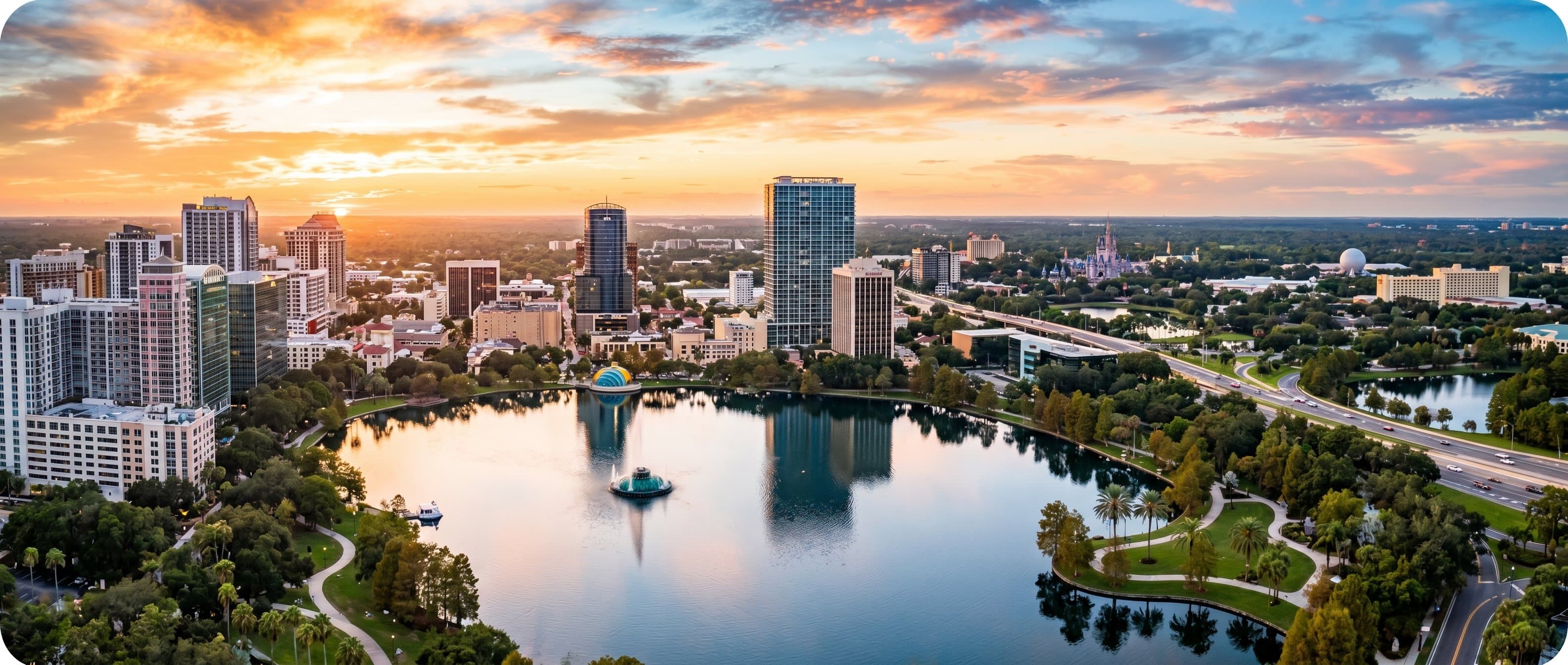
5. Lake Eola Park Why it matters: A serene oasis in the middle of the Downtown skyline, featuring the iconic Linton E. Allen Memorial Fountain. Opening hours: 6:00 AM - 12:00 AM. Entry cost: Free. Best time: Sunday mornings for the Orlando Farmers Market. Insider tip: Rent the iconic swan-shaped pedal boats at sunset for incredible skyline photography.
6. Harry P. Leu Gardens Why it matters: 50 acres of beautiful botanical gardens, featuring a massive camellia collection and historic oaks draped in Spanish moss. Opening hours: 9:00 AM - 5:00 PM. Entry cost: $15. Best time: Early morning, particularly in late winter/early spring when the flora is blooming. Insider tip: Look closely at the trees to spot the locally famous, giant banana spiders (they are harmless but spectacular).
Local Food & Dining
Florida's culinary identity is a melting pot of Southern comfort, Latin American flair, and coastal seafood. Must-try dishes: The Cuban Sandwich (roasted pork, ham, Swiss cheese, pickles, and mustard pressed on Cuban bread); Gator Bites (surprisingly delicious, tasting like a hybrid of chicken and calamari); Floribbean Conch Fritters; and the iconic, tart Key Lime Pie. High-end: Kadence. Located in Audubon Park, this intimate, Michelin-starred, nine-seat sushi bar offers an unforgettable omakase experience. Mid-range: Black Rooster Taqueria. Situated in Mills 50, providing stellar farm-to-taco Mexican cuisine in a vibrant, artistic setting. Street food/Market: East End Market. A fantastic food hall in Corrine Drive featuring local artisans. Do not leave without trying a gigantic, half-pound cookie from Gideon's Bakehouse. Dietary note: Orlando is incredibly vegan-friendly, particularly in the Mills 50 and Milk District neighbourhoods, where almost every restaurant offers dedicated plant-based menus.
Safety & Emergency Contacts
Orlando is generally safe for tourists, though standard urban precautions apply. Violent crime against visitors is rare, but property crime, specifically theft from rental cars, is common. Always lock vehicle doors and keep valuables out of sight. Be cautious walking at night in the Parramore district directly west of Downtown Orlando, and along the unlit sections of International Drive. Local Emergency Numbers (Accurate for Orlando): - Police: 911 - Ambulance: 911 - Fire: 911 - Tourist Police: Orange County Sheriff's Office Non-Emergency (407) 836-HELP (4357) - National emergency: 911 - Poison Control: 1-800-222-1222 Nearest International Hospital: Orlando Health Orlando Regional Medical Center (Level One Trauma Center), 52 W Underwood St, Orlando, FL 32806, +1 321-841-5111. Embassy Contacts (Nearest to Orlando): - UK: British Consulate-General Miami, 1001 Brickell Bay Dr, Miami, FL 33131. Phone: +1 305-400-6400. - US: N/A (Domestic). Foreign tourists seeking their local embassy can find most diplomatic missions in Washington D.C., with consulate branches in Miami or Atlanta. - India: Consulate General of India, Atlanta (Covers Florida), 5549 Glenridge Dr NE, Atlanta, GA 30342. Phone: +1 404-963-5902. - UAE: UAE Embassy in Washington D.C., 3522 International Ct NW, Washington, DC 20008. Phone: +1 202-243-2400.
Useful Apps & Resources
Arm your smartphone with these five essentials: 1. Uber / Lyft: Absolutely vital for navigating areas without public transport. 2. PawPass (LYNX): The official app for buying mobile tickets for the local bus system. 3. SunRail: For tracking commuter train schedules and buying tickets. 4. My Disney Experience / Universal FL: Even if you're only spending one day at the parks, these are mandatory for ride wait times and food ordering. 5. Yelp: The primary app used by Americans for restaurant reviews and discovering local food trucks. Official Tourism Board: Visit Orlando (www.visitorlando.com) is excellent for finding discounted multi-attraction tickets.
Closing
Orlando in 2026 is a city of vivid contrasts. It is a place where you can ride a multi-million-dollar rollercoaster in the morning and drift down a prehistoric, cypress-lined spring by the afternoon. By stepping away from the manicured resort bubbles and into the diverse, creative neighbourhoods like Mills 50 and Winter Park, you'll discover a rich, budget-friendly destination that defies its plastic reputation. Pack your sunglasses, embrace the humidity, and dive into the real Central Florida. For more insider tips and curated backpacker itineraries, continue exploring www.ainexusworld.com.
FAQ
Is Orlando safe for tourists?
Yes, the central tourist districts and major neighbourhoods are heavily policed and very safe. Exercise standard caution at night and avoid leaving valuables visible in parked cars.
What is the best time to visit Orlando?
Late April to early May offers the best combination of manageable crowds, lower humidity, and warm weather perfect for outdoor activities.
How many days do I need in Orlando?
For a well-rounded trip, plan for 5 to 7 days. This allows two days for theme parks, one day for the natural springs, one for Kennedy Space Center, and time to explore local neighbourhoods.
Do I need a car to visit Orlando?
While highly recommended due to urban sprawl, it is not strictly mandatory if you strategically use Uber, the SunRail, and stay in walkable areas like Downtown or Winter Park.
What is the local currency and can I use credit cards?
The local currency is the US Dollar (USD). Orlando is practically a cashless society; Visa and Mastercard are accepted everywhere, and contactless payments (Apple/Google Pay) are ubiquitous.