
Introduction
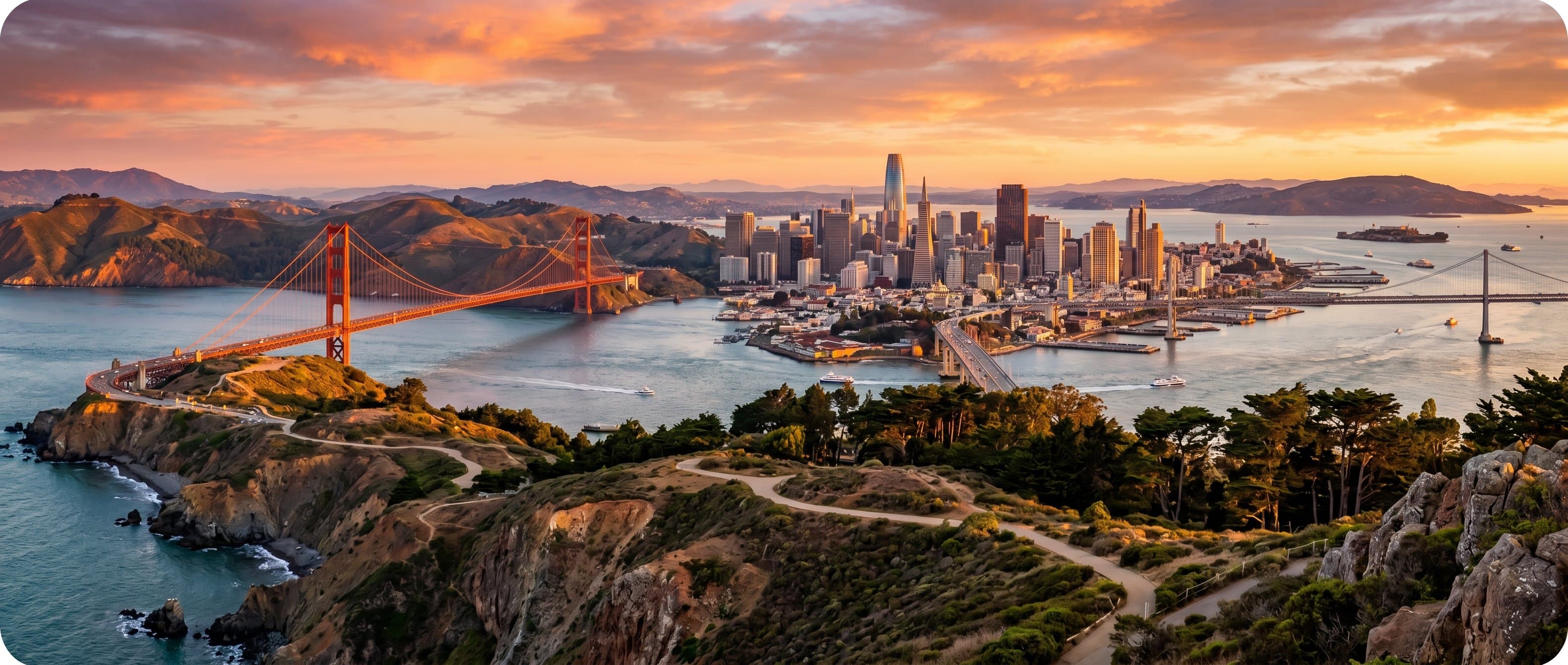
San Francisco deserves a permanent place on every traveller's bucket list. Nestled on a peninsula where the Pacific Ocean meets the San Francisco Bay, this 49-square-mile city packs an extraordinary punch of counterculture history, culinary brilliance, and breathtaking typography. As we look towards 2026, the city is experiencing a magnificent post-pandemic cultural renaissance. Neighbourhoods are reclaiming their distinct identities, from the Italian heritage of North Beach to the vibrant Latino roots of the Mission District. For the budget-conscious backpacker or the digitally savvy mid-career explorer, San Francisco offers a juxtaposition of tech-driven modernism and beautifully preserved Victorian charm.
One uniquely compelling reason to visit San Francisco right now is the pedestrianisation of major city arteries. The permanent transformation of John F. Kennedy Drive in Golden Gate Park into a car-free promenade has completely altered how locals and visitors interact with the city's green spaces, creating an urban haven for cyclists, skaters, and walkers that simply didn't exist a decade ago.
Best Time to Visit
Forget what you know about sunny California; San Francisco dances to its own meteorological tune. The city's famous microclimates mean you can freeze in the foggy Sunset District and bask in sunshine in the Mission District on the exact same afternoon.
The definitive 'sweet spot' for visiting is September to October. Known locally as the 'Indian Summer', this is when the city's infamous maritime fog layer (affectionately named Karl the Fog) retreats, leaving brilliant blue skies, exceptionally warm temperatures, and fewer summer holiday crowds. You'll catch the Folsom Street Fair in September and the Hardly Strictly Bluegrass festival in October—both quintessential SF experiences.
Winter (December to February) brings heavy rains and colder temperatures, though accommodation prices drop significantly. Summer (June to August) is famously brisk and foggy, completely baffling tourists who arrive in shorts and vest tops. Always pack layers.
Travel Planning & Booking
For UK travellers, direct routes from London Heathrow (LHR) to San Francisco International (SFO) are efficiently serviced by British Airways and Virgin Atlantic, taking around 11 hours. UAE nationals can utilise Emirates' direct route from Dubai (DXB) to SFO. For Indian nationals, Air India offers direct connections from Delhi and Mumbai.
When booking, aim for a lead time of 3 to 4 months for flights and at least 2 months for accommodation, as the city's strict zoning laws limit the number of hotel beds, driving prices up during major tech conventions. Use Skyscanner for flight tracking, Hostelworld for securing the city's limited but excellent backpacker lodgings, and Booking.com for flexible cancellation policies on mid-range boutique hotels.
Visa Requirements for 2026: UK and EU citizens travelling for tourism require an ESTA (Electronic System for Travel Authorization) under the Visa Waiver Programme, allowing up to 90 days. Indian and UAE citizens must obtain a B1/B2 tourist visa through their local US Embassy, a process that requires an in-person interview and can have wait times exceeding six months, so apply early. Entry documentation is stringent: ensure your passport is valid for six months beyond your stay, and have proof of onward travel and accommodation ready for US Customs and Border Protection.
Travel Insurance
Do not even consider entering the United States without comprehensive travel insurance. San Francisco's healthcare system is world-class, but the costs are astronomical. A simple emergency room visit for a sprained ankle on the steep hills of Pacific Heights can easily exceed $3,000 without cover.
You must look for policies boasting at least $500,000 in medical cover, alongside robust protection for trip cancellation (essential given the volatility of airline schedules) and baggage loss. If you plan to surf at Ocean Beach or mountain bike in Marin County, ensure your policy explicitly covers adventure activities.
We recommend World Nomads for comprehensive adventure cover, SafetyWing for long-term digital nomads seeking flexible monthly rolling contracts, and Allianz Travel for superior trip interruption and traditional holiday cover. Practical tip: Always keep a digital copy of your insurance certificate offline on your phone, alongside the international collect-call emergency number for your provider.
Packing Guide
The single most crucial word for your San Francisco packing list is layers. The climate is incredibly localised. Start with breathable t-shirts, add a thermal mid-layer, and finish with a windproof, water-resistant shell jacket. Culturally, San Francisco is famously casual; you will rarely need formal wear. Even in Michelin-starred restaurants, smart-casual attire (think premium denim and a blazer) is perfectly acceptable.
Must-bring items include exceptionally comfortable, broken-in walking shoes (the hills are literal calf-burners) and a secure cross-body day bag. The one item tourists consistently over-pack? Heavy winter coats or bulky beach gear. A modular layering system is far more effective than one massive parka.
Accommodation
Choosing your neighbourhood correctly will make or break your San Francisco experience. Avoid staying in the Tenderloin or mid-Market areas due to visible street crises. Instead, opt for the vibrant Mission District for incredible food and nightlife, North Beach for European charm and walkability, or Nob Hill for classic San Francisco views.
For a splurge, The Fairmont San Francisco atop Nob Hill offers unparalleled luxury and history. Budget backpackers should secure a bunk at the legendary Green Tortoise Hostel in North Beach, which offers free dinners and an intensely communal vibe. For a mid-range, boutique experience, The Marker near Union Square provides vibrant, theatrical decor and excellent access to transit. Booking tip: Look out for 'resort fees' or 'urban destination fees' which hotels often tack onto the final bill. Always calculate the total cost, not just the base room rate.
Getting Around Locally
San Francisco International Airport (SFO) is located 13 miles south of the city. The most efficient and budget-friendly transfer is the BART (Bay Area Rapid Transit) train, which takes 30 minutes to reach downtown and costs approximately $10.50. Taxis and ride-shares (Uber/Lyft) will cost between $35 and $50 depending on surge pricing, taking 45 minutes.
Within the city, the Muni system (buses and light rail) is your best friend. Download the MuniMobile app or buy a physical Clipper Card. Cable cars are historic and charming but cost $8 per ride; treat them as an attraction rather than a daily commute option. One common tourist mistake is renting a car. Between exorbitant parking fees (often $40+ per night at hotels), steep hills, and the high risk of car break-ins, a rental car is a massive liability unless you are leaving the city for a road trip.
Top Tourist Attractions (Must-See)
1. Golden Gate Bridge: The iconic International Orange suspension bridge. It matters because it is the defining symbol of the American West. Open 24/7 for pedestrians (daylight hours only). Free to walk. Best time: Early morning before the fog burns off or sunset. Insider tip: Rent a bike from Fisherman's Wharf, cycle across to Sausalito, and take the ferry back to avoid the uphill return.
2. Alcatraz Island: The infamous former federal penitentiary. It offers a chilling glimpse into US penal history and stunning city views. Hours: 8:40 AM to 6:30 PM. Cost: ~$45. Best time: The night tour, which includes exclusive access to areas closed during the day. Insider tip: You must book tickets directly through Alcatraz City Cruises at least 90 days in advance; they sell out constantly.
3. Golden Gate Park: A 1,017-acre urban oasis, larger than New York's Central Park. It houses the Japanese Tea Garden, the de Young Museum, and bison paddocks. Open 24/7. Entry is free (individual attractions charge). Best time: Weekday mornings. Insider tip: Walk the newly car-free JFK Promenade for a brilliant local vibe.
4. The Mission Murals (Balmy Alley & Clarion Alley): A concentrated collection of street art detailing human rights, gentrification, and Latino culture. Open 24/7. Free. Best time: Mid-afternoon. Insider tip: Grab a coffee from Philz Coffee nearby and take a self-guided walking tour to appreciate the political history.
5. Ferry Building Marketplace: A restored 1898 transit hub now serving as the city's premier artisan food hall. Hours: 7:00 AM to 8:00 PM. Free entry. Best time: Saturday mornings for the massive outdoor farmer's market. Insider tip: Sample the legendary empanadas from El Porteño or fresh oysters from Hog Island.
6. Muir Woods National Monument: Located just north of the city, this is a cathedral of old-growth Coast Redwood trees. Hours: 8:00 AM to sunset. Cost: $15. Best time: Right at 8:00 AM. Insider tip: You absolutely must reserve parking or a shuttle spot online in advance; there is zero cell service at the park entrance to do it on arrival.
Local Food & Dining
San Francisco's culinary scene is heavily influenced by its diverse immigrant populations and access to incredible Californian agricultural produce. You must try the iconic Mission Burrito—a massive, foil-wrapped masterpiece of rice, beans, meat, and salsa, distinct for omitting lettuce and adding guacamole. Seafood lovers cannot miss Clam Chowder in a Sourdough Bread Bowl or Cioppino, an Italian-American seafood stew invented by local fishermen in North Beach.
For high-end dining, Gary Danko in Fisherman's Wharf remains a bastion of impeccable service and refined American-French cuisine. For a mid-range experience, State Bird Provisions in the Fillmore District serves Californian cuisine dim-sum style from roaming carts (book exactly 30 days in advance). For street food and casual bites, head to La Taqueria in the Mission for arguably the best burrito in the country. Dietary note: San Francisco is one of the most vegan, vegetarian, and gluten-free friendly cities on earth; you will rarely struggle to find accommodations for any diet.
Safety & Emergency Contacts
San Francisco is generally safe for tourists, particularly regarding violent crime, which remains lower than in many major US cities. However, the city struggles with a severe homelessness crisis and property crime. You must be hyper-vigilant about car break-ins (locally known as "bipping"). Never, under any circumstances, leave anything visible in a parked car—not even a charging cable or a jacket. Avoid walking through the Tenderloin, parts of SoMa (South of Market), and the Mid-Market corridor late at night, as these areas have high concentrations of open-air drug use.
LOCAL EMERGENCY NUMBERS:
- Police, Ambulance, Fire: 911
- Non-emergency city services (noise, graffiti, street cleaning): 311
- Poison Control: 1-800-222-1222
The nearest major hospital for international visitors is the UCSF Medical Center at Parnassus or the Zuckerberg San Francisco General Hospital (the region's top trauma centre).
Embassy Contacts:
- UK Consulate General: 1 Sansome St #850, San Francisco. Ph: +1 415-617-1300.
- Indian Consulate General: 540 Arguello Blvd, San Francisco. Ph: +1 415-668-0662.
- US Passport Agency: 450 Golden Gate Ave, San Francisco. Ph: 1-877-487-2778.
- UAE Consulate General (covers West Coast): 1999 Avenue of the Stars, Los Angeles. Ph: +1 310-551-6534.
Useful Apps & Resources
Arm your smartphone before arrival. Clipper is mandatory for tapping onto all public transit. Uber or Lyft are essential for late-night rides when transit winds down. OpenTable and Resy are non-negotiable for booking restaurants, as walk-ins at popular spots are nearly impossible. BART Official App helps navigate the regional train system, and AllTrails is perfect for mapping out hikes in the Marin Headlands. Bookmark www.sftravel.com, the official tourism board website, for up-to-date festival and event calendars.
Closing
San Francisco is a city that rewards the curious. Look beyond the mist of the Golden Gate and the clang of the cable cars, and you'll find a metropolis vibrating with artistic expression, culinary genius, and resilient communities. Pack your layers, bring your appetite, and prepare for those hills to challenge your calves. Ready to build your ultimate West Coast itinerary? Explore more destination hacks, gear guides, and insider secrets on www.ainexusworld.com.
FAQ
Is San Francisco safe for tourists? Yes, but situational awareness is key. Violent crime against tourists is rare, but property crime, especially car break-ins, is exceptionally high. Keep valuables out of sight and avoid the Tenderloin district at night.
What is the best time to visit San Francisco? September and October offer the warmest, clearest weather. Summer is notoriously foggy and cold, requiring heavy layers.
How many days do I need in San Francisco? A minimum of 3 to 4 days is required to see the major sights (Golden Gate Bridge, Alcatraz, Golden Gate Park) and explore distinct neighbourhoods like the Mission and North Beach.
Do I need a visa to visit San Francisco? UK, EU, and Australian citizens generally need an ESTA for stays up to 90 days. Indian, UAE, and many other nationals require a B1/B2 tourist visa, which involves an embassy interview.
What is the local currency and can I use credit cards? The US Dollar ($) is the currency. San Francisco is heavily cashless; you can use contactless credit/debit cards or Apple/Google Pay for almost everything, from coffee to public transit.