Introduction: Why Rome is Your 2026 Must-Visit
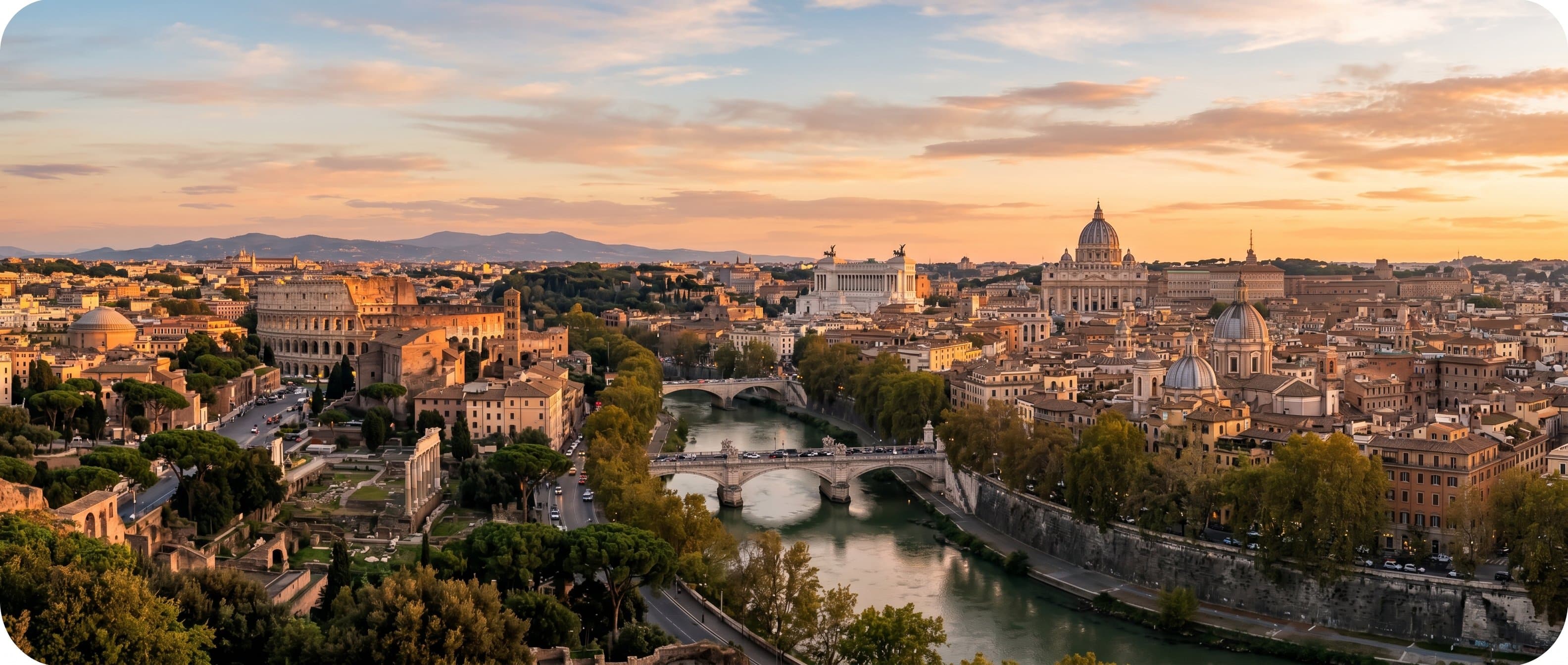
Rome doesn’t just exist; it breathes. For the 2026 traveller, the city offers a unique convergence of historical depth and freshly minted modern infrastructure. Following the conclusion of the 2025 Holy Year, Rome has emerged with restored monuments, expanded pedestrian zones, and a vastly improved public transport network, including the much-anticipated expansion of the Metro C line. The compelling reason to visit right now is the 'Rebirth of the Largo di Torre Argentina'—the site of Julius Caesar’s assassination—which is now fully accessible via state-of-the-art walkways, allowing you to walk among the ruins that were closed to the public for decades.
Best Time to Visit: The Seasonal Breakdown
Choosing when to visit Rome is a balance of weather, cost, and crowd management. For 2026, we recommend the 'Golden October'—the weather is mild, the light is cinematic, and the summer peak has subsided.
- January: Cold but crisp (3-13°C). Lowest crowds. Excellent for budget travellers.
- February: Cool and occasional rain. Carnival events bring local flair. Low pricing.
- March: Spring begins (6-16°C). Crowds start to grow. Mid-range pricing.
- April: Mild and beautiful. Peak pricing around Easter. Massive crowds for the Pope’s blessing.
- May: Perfection (13-24°C). The city is in bloom. High pricing and high demand.
- June: Hot (17-29°C). High energy, outdoor festivals (Estate Romana). Peak season.
- July: Very hot (19-32°C). High season. Best for evening strolls and rooftop dining.
- August: Scorching. Many locals flee to the coast; some family shops close. Mid-range pricing.
- September: The second peak. Perfect weather (16-27°C). High demand.
- October: The 'Sweet Spot'. Warm days, cool nights. Slightly lower prices than June.
- November: Rainfall increases. Budget-friendly hotels and quiet museums.
- December: Festive atmosphere with Christmas markets. Busy around late December.
Travel Planning & Booking
In 2026, the ETIAS (European Travel Information and Authorisation System) is fully operational. If you are from the UK, US, UAE, or other visa-exempt countries, ensure you apply online at least 96 hours before departure. For 2026, we recommend booking flights at least 4-6 months in advance, especially if flying into Fiumicino (FCO), Italy’s premier hub. Airlines like ITA Airways, British Airways, and Emirates offer consistent service. Use platforms like Skyscanner for price discovery, Google Flights for tracking, and Booking.com for flexible accommodation options.
The 2026 Packing List
Rome requires a blend of 'La Bella Figura' (dressing well) and practical durability. For 2026, prioritize tech-forward gear like a slim, RFID-blocking sling bag for the Metro. Do not pack heavy hiking boots; high-quality leather sneakers are the local standard. Must-bring: A portable power bank (you will be using GPS and payment apps constantly) and a refillable water bottle to use at the city's 'Nasoni' (public fountains).
Top Tourist Attractions: The 2026 Icons
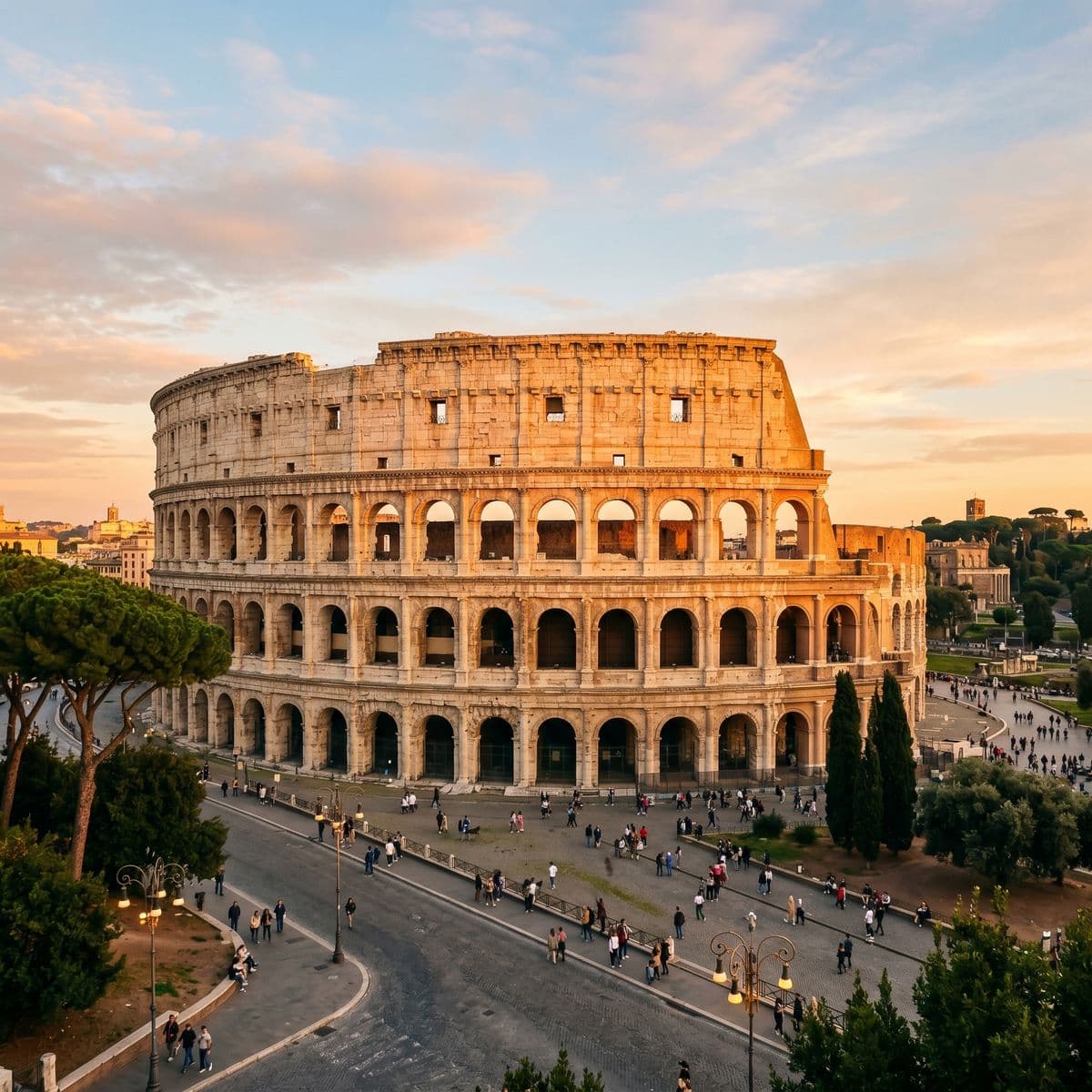
- The Colosseum & Roman Forum: The heart of the empire. Opening: 9:00 AM - one hour before sunset. Cost: €18+. Tip: Book the 'Underground and Arena' tour 30 days in advance; it’s the only way to see the cages where animals were kept.
- The Vatican Museums & Sistine Chapel: Artistic pinnacle. Opening: 8:00 AM - 7:00 PM (later on weekends). Cost: €20-25. Tip: Visit on a Tuesday or Wednesday afternoon to avoid the Monday/Saturday surge.
- The Pantheon: The best-preserved ancient building. Opening: 9:00 AM - 7:00 PM. Cost: €5. Tip: Visit during a rainstorm to see the water disappear into the 2000-year-old floor drains.
- Galleria Borghese: Masterpieces by Bernini and Caravaggio. Opening: 9:00 AM - 7:00 PM. Cost: €13. Tip: Mandatory reservations are required weeks in advance. No walk-ins.
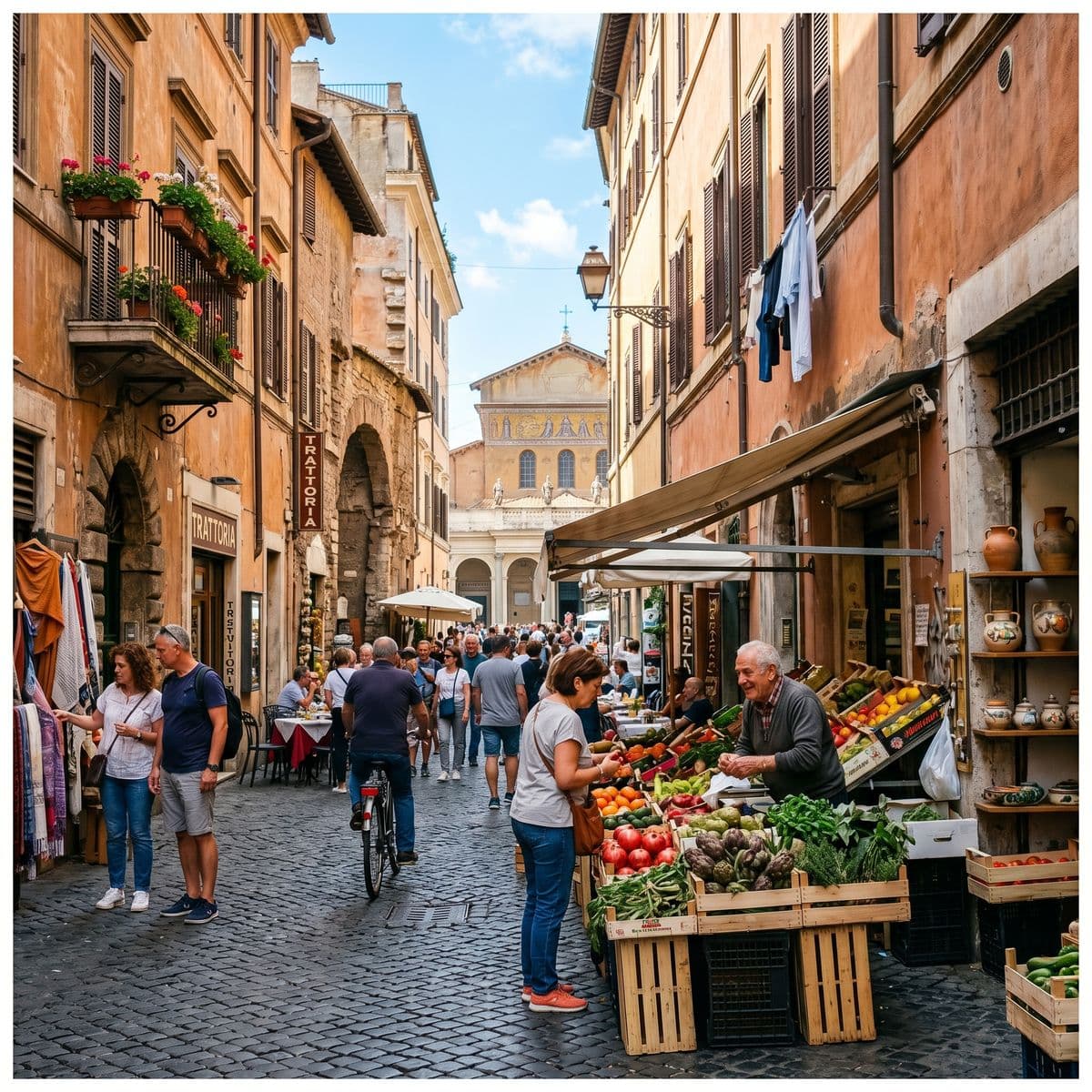
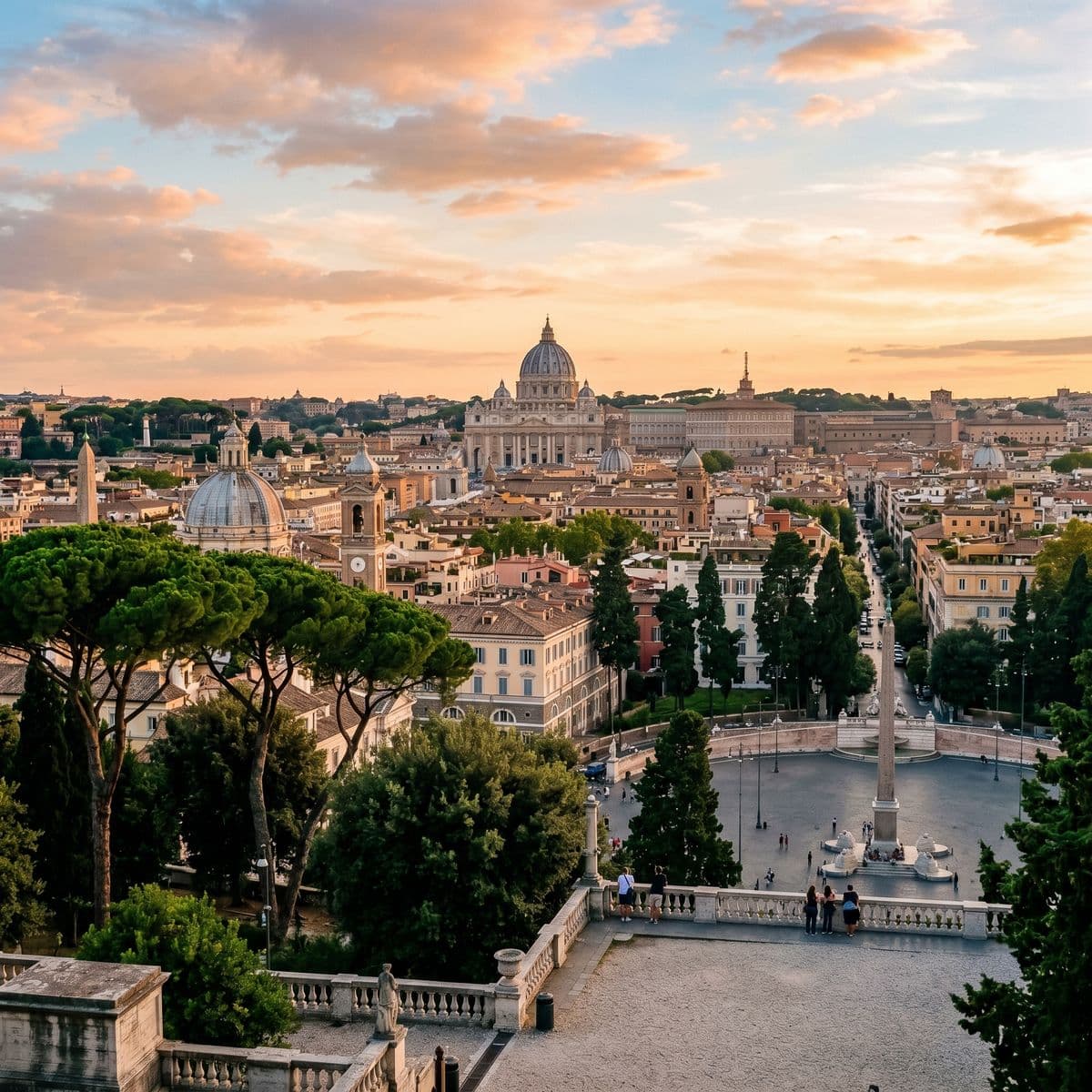
- Trastevere: Rome's most atmospheric neighborhood. Best Time: Late afternoon. Tip: Cross the Ponte Sisto at sunset for street musicians and the best view of St. Peter's dome.
- The Appian Way (Via Appia Antica): The world’s first 'highway'. Tip: Rent an e-bike on Sundays when the road is closed to car traffic.
Local Food & Dining
Rome's culinary scene in 2026 is a mix of strict tradition and 'New Roman' innovation. Must-try dishes: Carbonara (never with cream), Cacio e Pepe, Supplì (fried rice balls), and Carciofi alla Giudia (Jewish-style artichokes). For high-end dining, La Pergola offers a 3-Michelin star experience. For mid-range, Armando al Pantheon is legendary for traditional Roman fare. For street food, Pizzarium Bonci near the Vatican serves the world's most creative pizza al taglio (by the slice).
Safety & Local Etiquette
Rome is generally very safe for the savvy traveller. The primary concern is pickpocketing on the Linea A metro and around the Termini station. In 2026, contactless payments are everywhere, but always keep €20 in cash for small 'bar' purchases. Cultural Tip: Never order a cappuccino after 11:00 AM unless you want to signal you are a tourist—Italians believe milk after a meal ruins digestion. Stand at the bar for your espresso to pay the 'local' price; sitting down at a table often triples the cost.
Useful Resources
Leverage the city's digital shift. The MooneyGo app handles all bus and metro tickets seamlessly. Free Now is the best for summoning official taxis. For dinner, use TheFork for easy reservations and occasional discounts. Finally, check TurismoRoma.it, the official board, for real-time event updates.