HomeDestinationsContinentsCountriesBlog
BlogTravel GuidesBest Time to Visit Ayodhya Ram Mandir – Season, Crowd and Tips 2026

Best Time to Visit Ayodhya Ram Mandir – Season, Crowd and Tips 2026

S
Shailesh
Travel Guides
best time to visit ayodhya

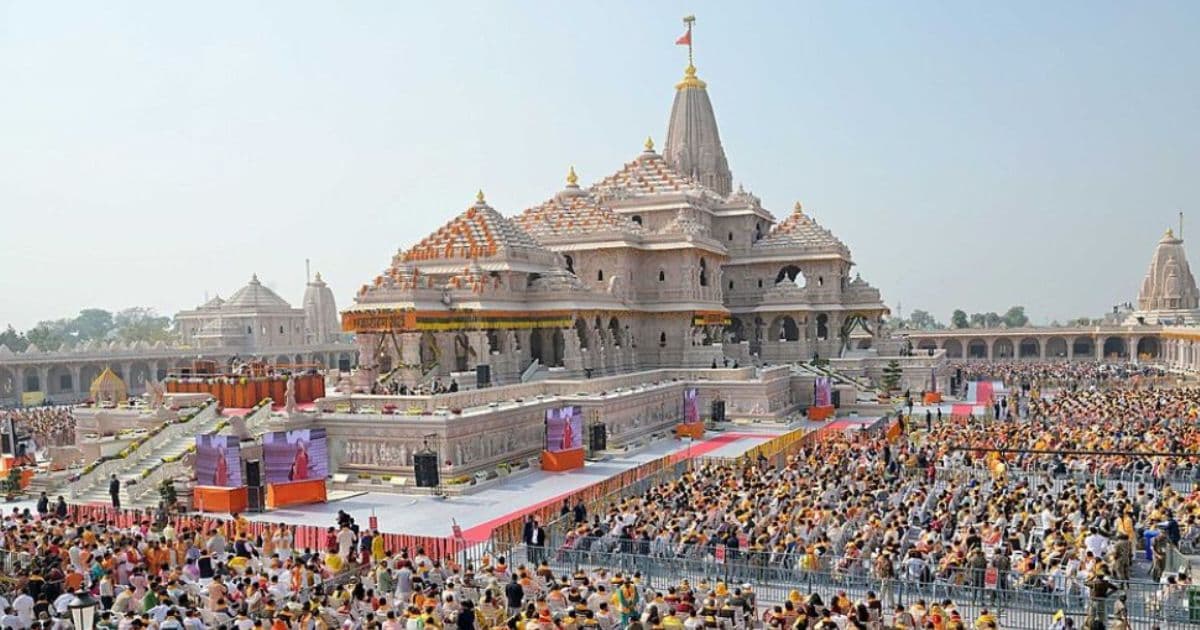
Ayodhya has always been one of the most sacred cities in India. But since the grand inauguration of Ram Mandir in January 2024, this ancient city on the banks of the Saryu River has transformed into one of the most visited pilgrimage destinations in the entire country. Millions of devotees, tourists, and spiritual seekers now travel to Ayodhya every single month from every corner of India.

With such massive footfall, planning your visit smartly is more important than ever before. Showing up at the wrong time can mean hours-long queues, extreme weather discomfort, overpriced hotels, and a rushed darshan that leaves you exhausted instead of peaceful. On the other hand, visiting during the right season and at the right time of day can give you a calm, deeply spiritual, and truly memorable experience.

This guide breaks down the best time to visit Ayodhya in full detail covering weather, seasons, monthly breakdown, festival periods, darshan timing tips, and everything you need to make the most of your trip in 2026.

If you are planning a trip, this Ayodhya Ram Mandir Travel Guide 2026 gives you a complete overview of everything you need, including darshan details, travel routes, hotels, and nearby attractions. It is designed to help travelers plan their journey in a simple and organized way without missing any important information. Explore the full guide here: Ayodhya Ram Mandir Travel Guide

Ayodhya Weather Overview – Understanding the Climate

Ayodhya is located in the Uttar Pradesh plains, which means it experiences a classic North Indian climate with three well-defined seasons: summer, monsoon, and winter. The city does not have mild or moderate weather all year round temperatures can swing from below 5 degrees Celsius in peak winter to above 45 degrees Celsius in peak summer.

Understanding Ayodhya weather before booking your trip is essential, because the weather directly affects how long you can stand in queues, how comfortable outdoor walking is, and how crowded the temple area will be. Here is a quick seasonal overview:

  • October to March: Cool to cold weather, most comfortable for travel and darshan
  • April to June: Hot and dry, temperatures often cross 40 to 45 degrees Celsius
  • July to September: Monsoon season with heavy rainfall and high humidity

Now let us go deeper into each of these seasons so you can decide what works best for your travel plans.

Best Season to Visit Ayodhya – October to March Is Ideal

If you are looking for the single best period to plan your visit, October to March is the ideal season to visit Ayodhya. During these six months, the weather in Ayodhya is at its most comfortable, the skies are clear, and the overall travel experience is significantly better than during the summer or monsoon months.

Here is why this period stands out:

  • Temperatures range from a pleasant 10 to 25 degrees Celsius during the day
  • Evenings and mornings are cool and refreshing, making it comfortable to walk around the temple complex and ghats
  • The Saryu River looks beautiful during these months, and evening aarti at the ghats is a wonderful experience
  • Diwali (Deepotsav) falls in October or November, making it one of the most spectacular times to visit
  • Ram Navami, one of the biggest festivals in Ayodhya, falls in March or April the tail end of this ideal season

October to February is generally better for those who prefer a calmer experience. March starts to get busier as Ram Navami approaches, and temperatures begin rising by late March. If you want pleasant weather combined with a festive atmosphere, November to February is the sweet spot for most travelers.

Summer vs Winter vs Monsoon – A Clear Comparison

Winter (October to February) – Best Choice

Winter is without doubt the best time for most pilgrims and tourists. The weather is cool and dry. You can comfortably stand in queues without sweating, walk the full stretch of Ram Path, visit multiple temples in a single day, and enjoy the ghats in the evening. The only downside is that December and January nights can get quite cold temperatures can drop to 4 or 5 degrees Celsius. Carry warm clothing, especially for early morning and evening darshan slots.

Summer (April to June) – Difficult but Manageable

Summer in Ayodhya is harsh. Temperatures regularly cross 42 to 45 degrees Celsius in May and June. Standing in open queues under direct sunlight for extended periods can be physically draining and potentially dangerous for elderly visitors or young children. That said, summer does have one advantage: it is not peak tourist season, so crowds are thinner on regular days. If you must visit in summer, plan your darshan for early morning (before 8 AM) or after sunset, stay in an air-conditioned hotel, carry enough water, and avoid being outdoors between noon and 4 PM.

Monsoon (July to September) – Challenging for Travel

Monsoon brings heavy and unpredictable rainfall to Ayodhya. While the city turns green and the Saryu River rises dramatically, the rain also causes waterlogging in several areas, slippery conditions near the ghats and temple pathways, and travel disruptions due to poor road conditions and occasional train delays. The humidity is high and the overall environment can feel uncomfortable, especially if you are not used to North Indian monsoon weather. Crowd levels are low during this period, but the travel challenges make it the least recommended season for a comfortable pilgrimage visit.

Month-Wise Travel Guide for Ayodhya

January

January is cold, with temperatures ranging from 5 to 18 degrees Celsius. Makar Sankranti (mid-January) brings a surge in pilgrims. It is a good month overall but pack warm clothes for mornings and evenings. Crowds are moderate to high around the festival but manageable during the rest of the month.

February

One of the most comfortable months to visit. Weather is pleasant, crowds are relatively manageable, and hotels are easier to book. Highly recommended for a calm and comfortable visit.

March

March starts pleasant but warms up quickly toward the end. Ram Navami usually falls in March or early April and brings very large crowds to Ayodhya. If you want to experience the festival, plan well in advance. If you prefer a quieter visit, avoid the Ram Navami week.

April

Heat begins in earnest. Temperatures cross 38 to 40 degrees Celsius by mid-April. Not ideal for outdoor temple visits unless you go very early in the morning. Ram Navami may fall in early April in some years.

May and June

These are the hottest months and the most challenging for travel. Avoid if possible, especially for senior citizens and families with small children. If you have no other option, book an air-conditioned hotel close to the temple to minimize outdoor exposure.

July and August

Monsoon is active and rainfall is frequent. Travel conditions can be difficult. Sawan month falls during this period and brings a religious surge of devotees, particularly Kanwariyas. Crowds can be unexpectedly high during Sawan even in the rain.

September

Monsoon begins to recede. Weather starts improving toward the end of September. Still somewhat humid and unpredictable but better than July and August. Not the best time but manageable.

October and November

Excellent months to visit. Weather is ideal, Diwali and Deepotsav fall during this period making Ayodhya look absolutely spectacular, and the overall atmosphere is festive and joyful. Book hotels months in advance for the Diwali period.

December

December is cold and clear. Tourist numbers are high, especially around Christmas and New Year, but the weather is very comfortable for sightseeing and darshan. A great month for most types of travelers.

Best Time for Ram Mandir Darshan – Timing and Crowd Tips

Knowing the best season is only half the job. Equally important is understanding the best time of day for Ram Mandir darshan and how to manage the crowds inside the temple complex.

Morning Darshan – Most Recommended

The early morning slot, ideally between 6 AM and 9 AM, is the best time for a peaceful darshan experience. The weather is cooler, the queue lengths are shorter, and the atmosphere inside the temple is spiritually charged. The morning aarti is a deeply moving experience. Arriving before the gates open is a strategy many experienced pilgrims use to secure a comfortable spot in the queue.

Evening Darshan

The evening darshan slot is also popular, especially for the evening aarti which usually takes place around sunset. However, evening queues tend to be longer than morning ones, especially on weekends and during festivals. The atmosphere is beautiful with lights and lamps illuminating the temple, but expect larger crowds during this time.

Weekday vs Weekend Visits

This is one of the most practical tips for anyone planning a Ram Mandir visit. Weekdays particularly Tuesday through Thursday see significantly lower footfall compared to Saturdays and Sundays. If your schedule allows, plan your Ayodhya trip on weekdays. You will face shorter queues, easier hotel availability, and a much calmer overall experience.

Weekends see heavy crowds from nearby cities like Lucknow, Varanasi, Gorakhpur, Prayagraj, and even Delhi, as many pilgrims do short weekend trips to Ayodhya. Saturday afternoons and all-day Sunday are the busiest periods on a regular non-festival week.

If you are planning your visit, knowing the Ram Mandir Ayodhya Darshan Timing & Entry Rules is very important for a smooth and hassle-free experience. This guide helps you understand the best time for darshan, entry process, and important rules to follow during your visit. Read the full details here: Ram Mandir Ayodhya Darshan Timing & Entry Rules

Festival Time in Ayodhya – Magical but Extremely Crowded

Ram Navami (March or April)

Ram Navami is the most important festival in Ayodhya. It celebrates the birth of Lord Ram and draws millions of devotees from across the country. The entire city transforms Ram Path is decorated, special programs are held, and the atmosphere is electric. However, the crowd levels during Ram Navami week are among the highest of the year. Accommodation becomes extremely scarce and prices spike significantly. If you want to experience Ram Navami in Ayodhya, start booking your hotel and travel at least 2 to 3 months in advance. Expect long queues and large crowds but also an unmatched spiritual energy.

Diwali and Deepotsav (October or November)

The Deepotsav celebration in Ayodhya has become one of the most famous events in all of India. Millions of diyas (earthen lamps) are lit along the banks of the Saryu River, and the entire city glows in golden light. The event now holds world records for the number of diyas lit. It is a truly breathtaking experience that combines the joy of Diwali with the spiritual significance of Ayodhya. Like Ram Navami, the Deepotsav period sees extremely high crowds and accommodation must be booked far in advance. Visiting one or two days before the main Deepotsav night can give you a balance of the festive atmosphere with slightly less intense crowds on the arrival day.

When to Avoid Visiting Ayodhya

While every visit to Ram Mandir has its own spiritual significance, there are certain periods that are particularly difficult for first-time visitors or those traveling with elderly family members or young children.

  • Ram Navami week and Deepotsav night: Crowd levels reach their absolute peak. Queue waiting times can stretch to 4 to 6 hours or more. Not suitable for those with health limitations.
  • May and June: Extreme heat makes outdoor time very uncomfortable and potentially unsafe for vulnerable travelers.
  • Peak monsoon (July and August): Heavy rain, slippery surfaces near ghats and temple pathways, and travel disruptions make this a challenging period.
  • Long weekends and national holidays: Any long weekend especially if it overlaps with a religious occasion can bring unexpectedly large crowds to Ayodhya even outside of the main festival season.

Travel Tips for a Better Ayodhya Experience

Clothing Tips

Ayodhya is a deeply religious city and modest, respectful clothing is expected inside and around the temple premises. Light cotton clothes are ideal for the summer months. Carry a shawl or light jacket even in October and November as evenings can be cool. In December and January, a proper warm jacket, woolen socks, and a cap are essential for early morning and evening visits. Wear footwear that is easy to remove, as you will need to take off your shoes before entering the temple complex.

Booking Tips

Always book your train tickets and hotel accommodation well in advance, especially if your visit falls between October and March or around a major festival. Trains to Ayodhya Junction and Ayodhya Dham station fill up very quickly during the peak season. Use the IRCTC website for train bookings and platforms like MakeMyTrip, Goibibo, or OYO for hotel reservations. Confirm your hotel's exact location on Google Maps before finalizing some properties listed as being near Ram Mandir are actually several kilometers away.

Crowd Handling Tips

Arrive at the temple complex as early as possible, ideally before 7 AM, to experience relatively shorter queues. Follow all instructions from temple security personnel. Keep your group together and designate a meeting point in case you get separated in a crowd. Carry a fully charged mobile phone and keep emergency contacts saved. Avoid carrying large bags into the temple complex most large bags are not allowed and designated bag counters must be used.

Download the official Ram Mandir darshan app or check the official temple website for any online darshan booking slots that may be available during your visit. This can save significant time waiting in general queues.

Conclusion – Plan Smart and Visit Ayodhya at the Right Time

Ayodhya is a city that offers a unique combination of deep spiritual significance, rich history, and a rapidly modernizing pilgrimage experience. The Ram Mandir is not just a temple it is a once-in-a-lifetime experience for millions of Indians, and visiting it at the right time makes all the difference.

The clearest recommendation from this guide: plan your visit between November and February for the ideal combination of comfortable weather, manageable crowds, and a fulfilling experience. If you want the festive energy of Diwali or Ram Navami, go for those periods but prepare well in advance with hotel and transport bookings done months ahead of time.

Avoid peak summer and heavy monsoon periods unless you have no other option, and always try to visit the temple on a weekday and in the early morning for the best darshan experience. A little smart planning goes a long way in turning your Ayodhya trip into a deeply memorable and spiritually rewarding journey.

Frequently Asked Questions

Find answers to common questions

About the Author

S

Shailesh

Author

I am Shailesh, a passionate travel author and storyteller dedicated to exploring the world and sharing authentic experiences through my travel platform. I focus on uncovering hidden destinations, local cultures, and practical travel insights that help readers plan meaningful and memorable journeys.

Related Posts

Ayodhya Ram Mandir Travel Guide 2026: Complete Tourist Guide

Ayodhya Ram Mandir Travel Guide 2026: Complete Tourist Guide

Plan your Ayodhya trip with this complete travel guide. Know best time, hotels, ...

Hotels Near Ram Mandir Ayodhya (Budget to Luxury) – 2026 Guide

Hotels Near Ram Mandir Ayodhya (Budget to Luxury) – 2026 Guide

Find the best hotels near Ram Mandir Ayodhya for every budget. From dharamshalas...

Top Places to Visit in Ayodhya (2026 Guide) | Best Tourist Attractions

Top Places to Visit in Ayodhya (2026 Guide) | Best Tourist Attractions

Discover top places to visit in Ayodhya including Ram Mandir, Hanuman Garhi, and...