

There are some cities you visit, and then there are cities you genuinely remember long after you've returned home. Bath is one of those places.
I arrived expecting a beautiful historic city with Roman ruins and elegant Georgian buildings. What surprised me most was the atmosphere. Instead of feeling like an open-air museum, Bath felt wonderfully alive. Street musicians performed outside Bath Abbey, locals relaxed in independent cafés, and every narrow lane seemed to reveal another postcard-worthy view. Walking through the city early in the morning, before the crowds arrived, felt like stepping onto the set of a classic British film.
Located in the county of Somerset in southwest England, Bath is one of the UK's most beautiful destinations and proudly holds UNESCO World Heritage Site status. The city is internationally famous for its remarkably preserved Roman Baths, stunning Georgian architecture, Britain's only natural thermal spa, and its strong literary connection with Jane Austen.
Whether you're planning a relaxing weekend escape, a day trip from London, or a longer journey through England, this complete Bath travel guide covers everything you need to know from the best attractions and travel tips to accommodation, food, transport, budgeting advice, and hidden local experiences.
After spending time wandering through Bath's cobbled streets, watching the sunset from Royal Crescent, and ending the evening in the warm rooftop pool at Thermae Bath Spa, it's easy to understand why millions of travellers return here every year.
Quick Facts About Bath
| Location | Somerset, South West England, United Kingdom |
|---|---|
| Population | Approximately 95,000 |
| Famous For | Roman Baths, Georgian architecture, Jane Austen, Thermal Spa |
| UNESCO Status | Double UNESCO World Heritage Site |
| Nearest Airport | Bristol Airport (32 km) |
| Nearest Major City | Bristol (20 minutes by train) |
| Distance from London | 115 miles (185 km) |
| Best Time to Visit | April–June and September–October |
| Currency | Pound Sterling (£) |
| Language | English |
| Recommended Stay | 2–3 Days |
Where Is Bath?
One of the most common questions travellers ask is, "Where is Bath?" or "Is Bath in England?"
Bath is located in Somerset, South West England, approximately 115 miles (185 km) west of London. The city sits along the banks of the River Avon and is surrounded by the rolling countryside that has made this region of England famous.
Because of its excellent rail connections, Bath is one of the easiest cities to reach from London. Direct trains from London Paddington usually take around 1 hour and 20 minutes, making Bath one of the UK's most popular day-trip destinations.
Many international visitors assume Bath is part of London, but it is actually an independent historic city with its own unique character. While London offers world-famous landmarks and bustling streets, Bath provides a slower pace, elegant architecture, beautiful parks, and a much more relaxed atmosphere.
If you're looking for a destination where history, culture, and scenic beauty come together, Bath is one of the finest places to visit in England.
Why Visit Bath?
I've visited several historic cities across the UK, but Bath has a charm that's difficult to describe until you experience it yourself.
Unlike many tourist destinations where attractions are spread across large areas, Bath is wonderfully compact. Within a single day, you can explore Roman ruins, admire magnificent Georgian townhouses, relax in Britain's only natural thermal spa, browse independent boutiques, and enjoy dinner in a centuries-old pub all without needing a car.
Another reason Bath stands out is how beautifully old and new blend together. You'll find over 2,000 years of history alongside modern coffee shops, sustainable fashion stores, creative restaurants, artisan bakeries, and lively local markets. It never feels trapped in the past.
Whether you're interested in architecture, photography, literature, wellness, food, or simply wandering beautiful streets, Bath offers experiences that appeal to almost every type of traveller.
Highlights of Visiting Bath
- Explore the world-famous Roman Baths.
- Visit the magnificent Bath Abbey.
- Walk across the historic Pulteney Bridge.
- Admire the iconic Royal Crescent.
- Relax in Britain's only natural thermal spa.
- Discover the world of Jane Austen.
- Enjoy independent cafés and boutique shopping.
- Take scenic walks along the River Avon.
- Experience one of England's most photogenic cities.
- Enjoy an easy day trip from London.
Is Bath Worth Visiting?
Absolutely.
If someone asked me to recommend just three cities to visit in England beyond London, Bath would always make the list.
What impressed me most wasn't just the famous attractions it was how enjoyable the city felt between them. One moment I was standing inside the ancient Roman Baths, and ten minutes later I was sitting outside a small café watching locals cycle through narrow Georgian streets. That contrast gives Bath its personality.
Bath is especially worth visiting if you enjoy:
- Historic cities with authentic character
- Beautiful architecture
- Museums and heritage attractions
- Photography
- Food and café culture
- Relaxing spa experiences
- Walkable city breaks
- Literary history
Even if you're travelling around the UK on a tight schedule, Bath easily justifies an overnight stay. While many visitors arrive on a day trip from London, spending one or two nights allows you to experience the city after the tour groups leave. In my opinion, Bath becomes even more magical in the evening when its honey-coloured stone buildings glow under soft lighting and the streets become wonderfully peaceful.
How to Travel to Bath
Planning travel to Bath is straightforward thanks to excellent road, rail, and air connections.
Travelling to Bath by Train
The fastest and most popular way to reach Bath is by train.
Direct Great Western Railway services operate between London Paddington and Bath Spa Station throughout the day, with journey times averaging around 80 minutes.
Bath Spa Station is conveniently located in the city centre, meaning you can walk to most major attractions within just a few minutes after arriving.
Travel Tip: Booking train tickets around 8–12 weeks in advance often results in significantly cheaper fares.
Travelling by Car
If you're planning a road trip through England, driving to Bath takes approximately 2½ hours from London via the M4 motorway.
However, parking inside Bath's historic centre can be expensive and limited. I personally found walking much more enjoyable than driving once I arrived.
National Express and other coach operators connect Bath with London, Bristol, Birmingham, Cardiff, and several other UK cities. Coaches are usually the most affordable option, although journey times are longer than travelling by train.
Nearest Airport to Bath
If you're searching for the nearest airport to Bath, the answer is Bristol Airport (BRS), located around 32 kilometres (20 miles) from the city centre.
International visitors also commonly arrive via:
- London Heathrow Airport
- London Gatwick Airport
- Birmingham Airport
From Bristol Airport, direct bus services reach Bath in around one hour.
Bath from London: Is It Worth a Day Trip?
One of the most searched travel questions is whether Bath is worth visiting from London in a single day.
The answer is yes but only if you're comfortable with a full sightseeing schedule.
Thanks to fast train connections, you can leave London after breakfast and still have enough time to visit the Roman Baths, Bath Abbey, Royal Crescent, Pulteney Bridge, and enjoy lunch before returning in the evening.
However, after experiencing Bath myself, I'd recommend staying at least one night if your itinerary allows. Early mornings and evenings reveal a quieter side of the city that many day-trippers never get to experience.
Watching the city slowly wake up while enjoying coffee near Abbey Green became one of my favourite memories of the trip.
Best Time to Visit Bath
One of the questions I get asked most often is, "When is the best time to visit Bath?" The truth is that Bath is beautiful throughout the year, but every season offers a completely different experience.
I first visited during late spring, when flower-filled parks, outdoor cafés, and comfortable temperatures made exploring on foot a pleasure. On another visit in winter, Bath transformed into one of England's most magical Christmas destinations, with festive lights reflecting off its honey-coloured Georgian buildings.
Your ideal time to visit depends on what kind of trip you're planning historic sightseeing, photography, festivals, spa breaks, or Christmas markets.
| Season | Weather | Crowds | Best For |
|---|---|---|---|
| Spring (March–May) | 10–18°C | Moderate | Walking tours, gardens, photography |
| Summer (June–August) | 18–26°C | Busy | Festivals, outdoor dining, sightseeing |
| Autumn (September–November) | 10–18°C | Moderate | Colourful parks, fewer tourists |
| Winter (December–February) | 2–9°C | Busy in December | Christmas Market, spa experiences |
Visiting Bath in Spring
Spring is one of the most rewarding times to explore Bath. Parks such as Royal Victoria Park burst into colour, café terraces reopen, and temperatures are perfect for walking.
I particularly enjoyed wandering around the Royal Crescent during April when the surrounding lawns were bright green and far less crowded than in peak summer.
Visiting Bath in Summer
Summer brings long daylight hours, outdoor events, food festivals, and lively streets. While this is the busiest season, Bath never feels overwhelming compared with London or Edinburgh.
If you're travelling during July or August, book accommodation at least two or three months in advance, especially for weekends.
Visiting Bath in Autumn
Autumn is one of Bath's hidden gems. Golden leaves frame the Georgian architecture beautifully, hotel prices become slightly more affordable, and major attractions are noticeably quieter.
For photographers, October is arguably one of the best months to visit.
Visiting Bath in Winter
Winter transforms Bath into a festive destination. The famous Christmas Market attracts visitors from across Europe, while Thermae Bath Spa becomes even more enjoyable as steam rises from the rooftop pool into the cold evening air.
Even if you don't visit during December, Bath's cosy pubs, cafés, and illuminated streets make winter a surprisingly charming time to explore.
Bath Weather by Month
| Month | Average Temperature | Travel Experience |
|---|---|---|
| January | 2–8°C | Quiet city breaks and spa visits |
| February | 3–9°C | Lower hotel prices |
| March | 6–12°C | Beginning of spring |
| April | 8–15°C | Flowers begin blooming |
| May | 11–18°C | Excellent sightseeing weather |
| June | 14–22°C | Outdoor events |
| July | 16–25°C | Peak tourist season |
| August | 16–26°C | Festivals and long evenings |
| September | 13–21°C | Ideal weather with fewer crowds |
| October | 10–17°C | Autumn colours |
| November | 6–11°C | Peaceful sightseeing |
| December | 3–8°C | Christmas Market and festive atmosphere |
How Expensive Is Bath?
Another question travellers frequently search for is "How expensive is Bath?"
Compared with London, Bath is generally more affordable, but it is still one of England's premium tourist destinations. Accommodation usually represents the biggest expense, particularly during weekends and the Christmas season.
When I visited, I found that food and attractions offered good value considering the quality of the experience. Walking around the historic centre is completely free, and many of Bath's most beautiful streets cost nothing to enjoy.
Average Daily Budget
| Traveller Type | Estimated Daily Budget |
|---|---|
| Backpacker | £65–£95 |
| Mid-range Traveller | £150–£240 |
| Luxury Traveller | £300+ |
Typical Prices in Bath
| Expense | Average Cost |
|---|---|
| Hostel Bed | £30–£45 |
| Mid-range Hotel | £130–£220 |
| Luxury Hotel | £300+ |
| Coffee | £3.50–£5 |
| Pub Meal | £15–£25 |
| Restaurant Dinner | £25–£45 |
| Roman Baths Ticket | £26–£38 |
| Thermae Bath Spa | £40–£50 |
| Local Bus Journey | £2–£3 |
Money-saving tip: Book major attractions online before arriving. Advance tickets often cost less and allow you to skip long queues during busy periods.
Suggested Bath Itineraries
How long should you stay in Bath? That depends on your travel style. While many visitors come for a day trip from London, I found that spending two nights allowed me to appreciate the city's slower pace and discover places that most tourists miss.
One-Day Bath Itinerary
If you're visiting Bath for just one day, start early.
- 09:00 – Explore the Roman Baths
- 11:00 – Visit Bath Abbey
- 12:30 – Lunch at a local café
- 14:00 – Walk to Pulteney Bridge
- 15:00 – Explore Royal Crescent and The Circus
- 17:00 – Coffee or afternoon tea
- 18:00 – Return to London or continue your UK journey
Two-Day Bath Itinerary
With two days, Bath becomes much more relaxed.
Day One
- Roman Baths
- Bath Abbey
- Pulteney Bridge
- Independent shopping streets
- Evening at Thermae Bath Spa
Day Two
- Royal Crescent
- No.1 Royal Crescent Museum
- The Circus
- Jane Austen Centre
- Sunset walk through Royal Victoria Park
Three-Day Bath Itinerary
If you have three days, use Bath as your base for exploring Somerset.
- Take a half-day trip to Bristol.
- Visit nearby Castle Combe.
- Explore the Cotswolds.
- Join a Stonehenge day tour.
- Enjoy slower mornings in local cafés.
One of my favourite memories was leaving the tourist streets behind and walking along the River Avon in the early evening. Away from the busiest attractions, Bath feels incredibly peaceful, and that's often when you experience the city's true character.
Practical Travel Tips for First-Time Visitors
- Wear comfortable walking shoes Bath's historic streets are mostly stone and cobblestone.
- Carry a lightweight waterproof jacket, regardless of the season.
- Book Roman Baths and Thermae Bath Spa tickets online in advance.
- Stay overnight if your schedule allows the city is quieter and even more beautiful after day-trippers leave.
- Bring a reusable water bottle. England has excellent drinking water.
- Most businesses accept contactless payments, so carrying large amounts of cash isn't necessary.
- Visit popular attractions early in the morning for the best photographs and shorter queues.
- If you're travelling from London, the train is considerably easier than driving.
Bath Tourism Tips You Won't Find in Every Guide
After spending time exploring beyond the main attractions, I realised that Bath rewards travellers who slow down.
Instead of rushing from one landmark to another, take time to wander through the smaller side streets around Abbey Green and Walcot. Some of the city's best independent coffee shops, bakeries, artisan boutiques, and local galleries are hidden away from the busiest tourist routes.
One afternoon, I bought a coffee from a small independent café and simply sat overlooking the River Avon. It wasn't listed in any "Top 10 Things to Do" guide, yet it became one of the most memorable moments of the trip. Bath has that kind of charm it isn't only about famous attractions, but also about enjoying the city's slower rhythm.
For photographers, early morning offers soft golden light across the Georgian buildings, while evenings around Pulteney Bridge create some of the most beautiful city views you'll find anywhere in England.
Best Things to Do in Bath: Must-See Attractions and Local Experiences
Every traveller arrives in Bath with a different reason for visiting. Some come for the Roman history, others for the elegant Georgian architecture, while many simply want to relax in Britain's only natural thermal spa. The beauty of Bath is that you don't have to choose just one experience. The city's historic centre is compact enough that you can explore many of its famous attractions on foot, making every stroll feel like part of the adventure.
During my visit, I quickly realised that Bath isn't a city where you should rush from one landmark to the next. Some of my favourite moments came between the attractions walking along quiet Georgian streets, discovering hidden cafés, and pausing to admire the golden Bath stone glowing in the afternoon sunlight.
Here are the attractions that truly deserve a place on every Bath itinerary.
1. The Roman Baths
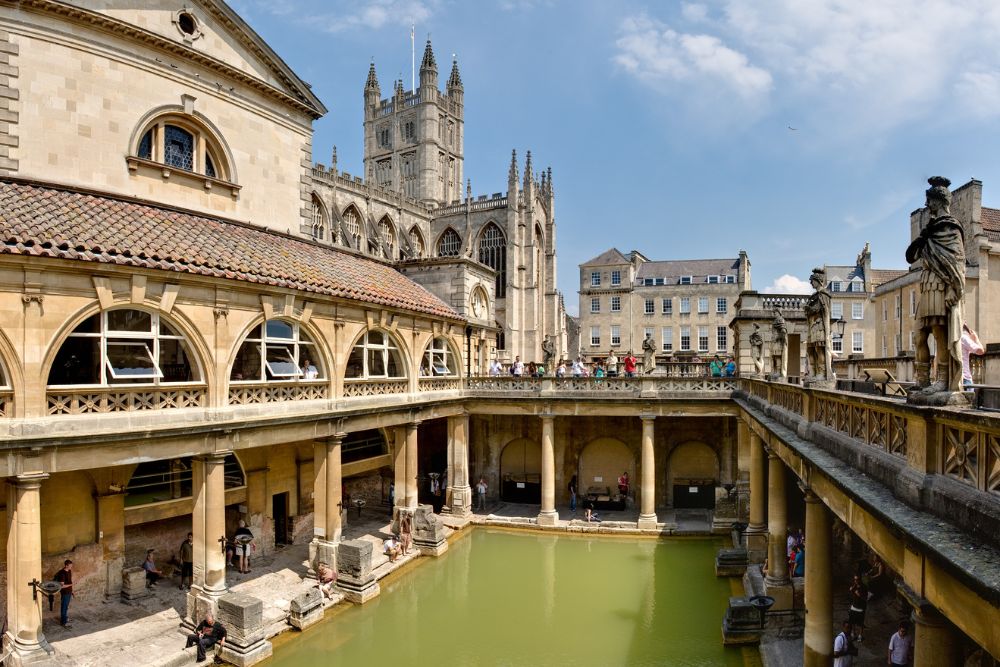
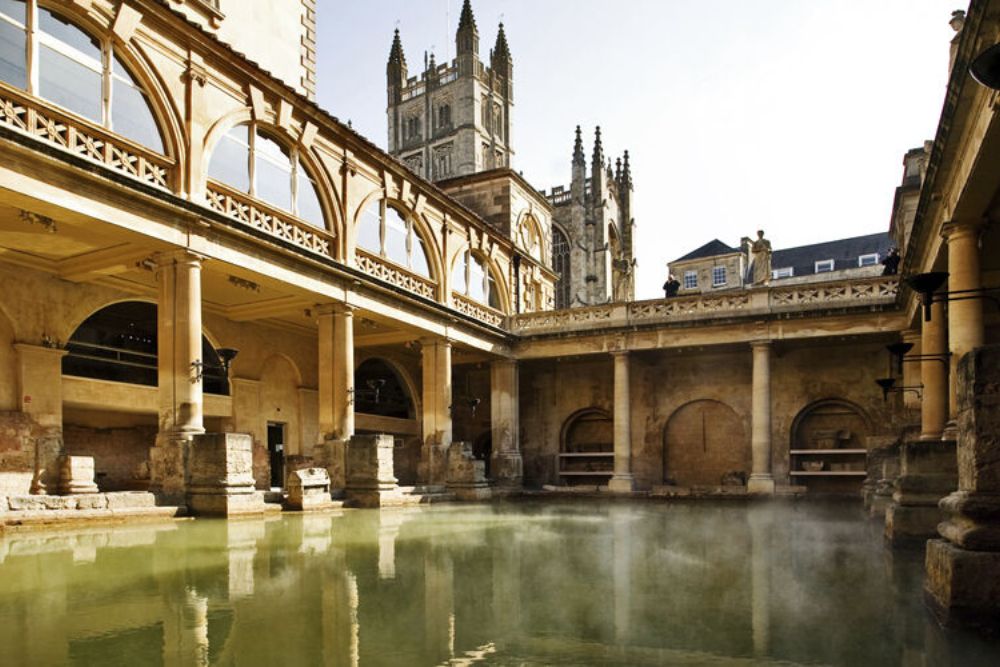
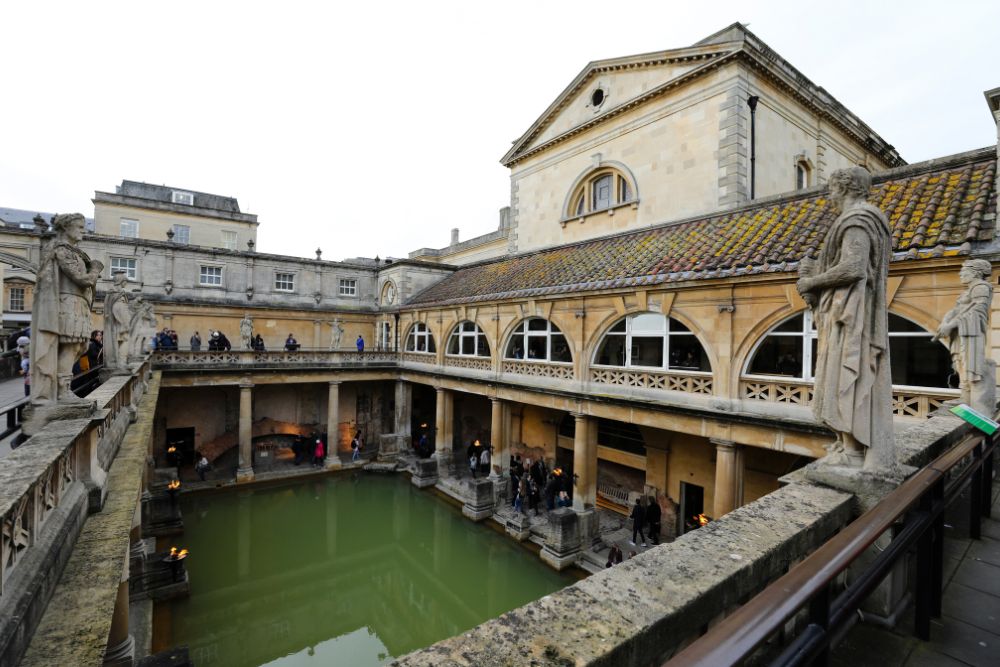
No visit to Bath is complete without exploring the world-famous Roman Baths. They are the reason the city exists and remain one of the best-preserved Roman bathing complexes anywhere in Europe.
Built nearly 2,000 years ago around Britain's only naturally hot spring, the baths were once a bustling social and religious centre where Romans gathered to bathe, relax, worship, and conduct business. Today, visitors can walk through remarkably preserved bathing areas, ancient temple ruins, fascinating museum galleries, and learn how Roman engineering shaped the city we see today.
Standing beside the Great Bath for the first time was genuinely impressive. Steam gently rising from the green mineral-rich water creates an almost mystical atmosphere, especially during cooler months. Even though you can't swim here, the experience feels immersive thanks to excellent audio guides and interactive exhibits.
Visitor Information
- Recommended Visit: 2–3 hours
- Best Time: Before 10:00 AM or after 3:30 PM
- Suitable For: Families, couples, solo travellers and history lovers
- Photography: Excellent throughout the complex
Insider Tip
Most tour groups arrive between 10:30 AM and midday. If you book the first morning entry, you'll enjoy quieter walkways and much better photo opportunities.
Don't leave without tasting the mineral-rich spa water at the end of the visit. Its distinctive flavour isn't for everyone, but it's a tradition that's been enjoyed for centuries.
2. Bath Abbey
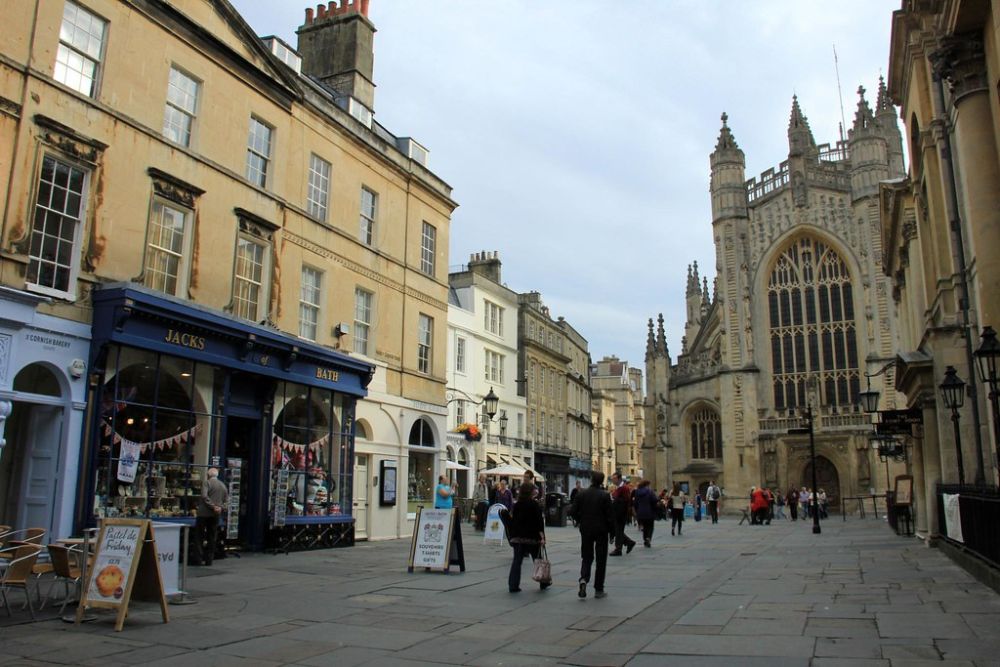
Just steps away from the Roman Baths stands the magnificent Bath Abbey, one of England's finest examples of Perpendicular Gothic architecture.
Its soaring fan-vaulted ceiling, colourful stained-glass windows, and peaceful atmosphere make it one of the city's most rewarding places to visit. Even travellers who aren't particularly interested in churches often leave impressed by the craftsmanship and history found inside.
I spent nearly an hour here simply admiring the intricate stonework and watching sunlight filter through the stained-glass windows. It provided a welcome contrast to the busier streets outside.
Don't Miss
- The spectacular fan-vaulted ceiling.
- The famous ladder of angels carved into the west façade.
- Historic memorials dating back centuries.
- The impressive organ and choir performances.
Tower Tour
If you're comfortable climbing stairs, the Abbey Tower Tour is highly recommended. The climb rewards visitors with panoramic views across Bath's rooftops, the surrounding hills, and many of the city's iconic landmarks.
3. Thermae Bath Spa
While the Roman Baths preserve history, Thermae Bath Spa lets you experience Bath's famous thermal waters for yourself.
This modern spa is built around the same naturally heated mineral springs that attracted the Romans nearly two millennia ago. The highlight is undoubtedly the rooftop pool, where visitors can soak in warm water while enjoying spectacular views over Bath Abbey and the surrounding skyline.
I booked an evening session just before sunset, and it became one of the highlights of my trip. Watching the city's historic rooftops gradually light up while relaxing in naturally warm water was unforgettable.
Why Visit?
- Britain's only naturally heated thermal spa.
- Rooftop pool with city views.
- Steam rooms featuring different aromas.
- Wellness treatments and massages.
- Perfect after a full day of sightseeing.
Travel Tip
Reserve your session well in advance, particularly during weekends and school holidays. Evening slots tend to sell out first.
4. Royal Crescent
If there's one image that represents Georgian Bath, it's the spectacular Royal Crescent.
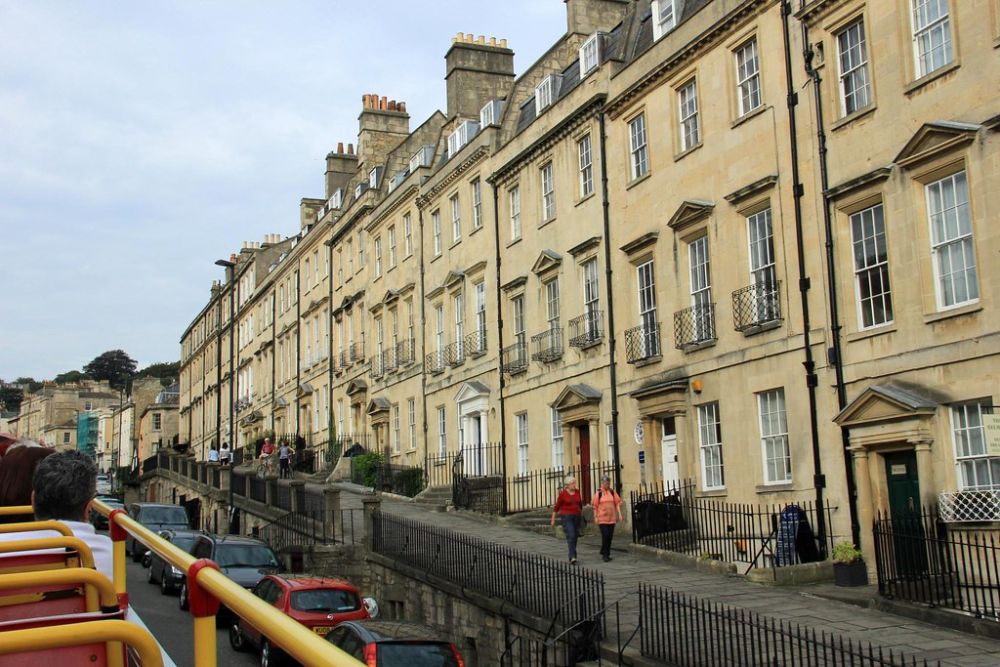
This graceful curve of thirty elegant townhouses was completed in the eighteenth century and remains one of Britain's finest architectural achievements. Built using Bath's famous honey-coloured limestone, the Royal Crescent perfectly showcases the city's remarkable Georgian heritage.
Walking across the wide green lawn towards the crescent feels surprisingly cinematic. It's easy to understand why productions like Bridgerton frequently use Bath as a filming location.
Things to Do
- Photograph the famous curved terrace.
- Visit No. 1 Royal Crescent Museum.
- Enjoy a picnic on the surrounding lawns.
- Watch the sunset over Royal Victoria Park.
Early morning offers the quietest atmosphere and the softest light for photography.
5. No. 1 Royal Crescent
While the exterior of Royal Crescent is impressive, stepping inside No. 1 Royal Crescent allows visitors to experience life as wealthy residents lived during the late eighteenth century.
The beautifully restored rooms feature authentic furniture, artwork, kitchens, servants' quarters, and elegant entertaining spaces that provide fascinating insight into Georgian society.
Unlike many museums, the rooms feel genuinely lived in rather than staged, making it easy to imagine daily life during Bath's fashionable Georgian era.
6. Pulteney Bridge
Few bridges in the world are as distinctive as Pulteney Bridge.
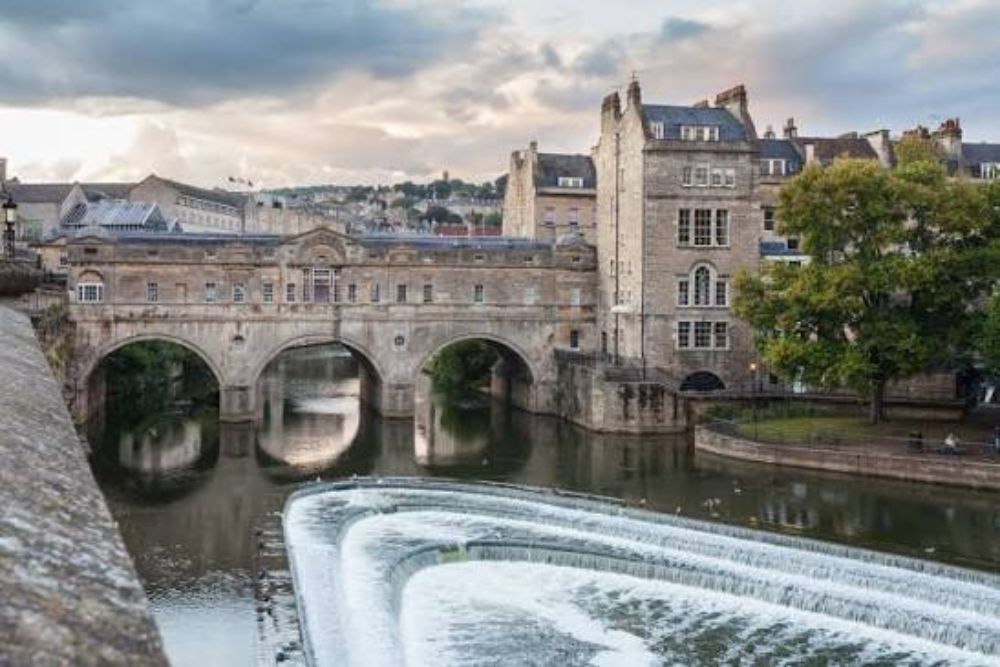
Completed in 1774, it is one of only a handful of historic bridges globally that feature shops built along both sides. Crossing the bridge feels more like walking down a charming shopping street than over a river.
The view from the bridge towards the River Avon and its small cascading weir is one of Bath's most photographed scenes.
Best Photo Spots
- River path below the bridge.
- Opposite riverbank near Parade Gardens.
- Early morning before tourist crowds arrive.
- Blue hour after sunset.
I probably returned to Pulteney Bridge four or five times during my stay because the lighting changed dramatically throughout the day, creating completely different photographs each time.
7. The Circus
Just a short walk from Royal Crescent lies The Circus, another masterpiece of Georgian urban planning.
The perfectly circular arrangement of elegant townhouses was inspired by ancient Roman architecture and is considered one of Britain's greatest examples of eighteenth-century city design.
Unlike Royal Crescent, The Circus feels quieter and more residential, making it an excellent place to slow down and appreciate Bath's remarkable architecture without large crowds.
8. Jane Austen Centre
Literature lovers shouldn't miss the Jane Austen Centre, dedicated to one of England's greatest novelists.
Although Austen had a complicated relationship with Bath, the city played an important role in both her life and her novels, particularly Persuasion and Northanger Abbey.
Interactive exhibits, costumed guides, period displays, and a traditional Regency Tea Room make this one of Bath's most enjoyable museums.
Even visitors unfamiliar with Jane Austen's work often appreciate learning how Georgian Bath influenced English literature.
9. Parade Gardens
Often overlooked by first-time visitors, Parade Gardens offers one of the most peaceful green spaces in central Bath.
Beautiful flower displays, riverside walks, and uninterrupted views of Pulteney Bridge make it an ideal place to relax after exploring the city's historic attractions.
I spent nearly an hour here enjoying coffee while watching rowing boats glide along the River Avon. It was one of those quiet travel moments that rarely appear on itineraries but often become lasting memories.
10. Royal Victoria Park
Stretching across more than 57 acres, Royal Victoria Park provides a refreshing contrast to Bath's historic streets.
The park includes formal gardens, tree-lined walking paths, cafés, sports facilities, botanical displays, and excellent picnic areas.
During warmer months, you'll find locals reading, exercising, and enjoying the sunshine making it one of the best places to experience everyday life in Bath beyond the tourist attractions.
Hidden Gems in Bath
Once you've visited the famous landmarks, spend some time exploring Bath's quieter corners. These lesser-known places added unexpected highlights to my trip.
Prior Park Landscape Garden
This National Trust property features one of England's most photographed Palladian bridges, peaceful woodland walks, and spectacular views across the city.
Walcot Street
Known as Bath's Artisan Quarter, Walcot Street is filled with independent galleries, vintage shops, craft studios, and locally owned cafés. It feels noticeably different from the more polished shopping streets in the city centre.
Alexandra Park
If you're willing to climb a fairly steep hill, Alexandra Park rewards visitors with arguably the best panoramic viewpoint in Bath.
I visited just before sunset, and seeing the city's golden rooftops stretching across the valley made the uphill walk completely worthwhile.
Top Photography Spots in Bath
- Royal Crescent at sunrise.
- Pulteney Bridge from the riverside path.
- Bath Abbey illuminated after sunset.
- The Roman Baths courtyard.
- The Circus from its central garden.
- Alexandra Park viewpoint.
- Prior Park Palladian Bridge.
- Parade Gardens overlooking the River Avon.
Suggested Attraction Visit Order
If you're exploring Bath for the first time, this walking route helps minimise unnecessary backtracking:
- Roman Baths
- Bath Abbey
- Pulteney Bridge
- Parade Gardens
- Jane Austen Centre
- The Circus
- Royal Crescent
- Royal Victoria Park
- Thermae Bath Spa (evening session)
This route comfortably fills a full day while allowing plenty of time to stop at cafés, browse independent shops, and enjoy the atmosphere that makes Bath one of England's most memorable destinations.
Where to Stay in Bath: Best Areas and Hotels for Every Budget
Choosing the right place to stay can completely change your experience of Bath. The city may look compact on a map, but each neighbourhood has its own atmosphere. Whether you're visiting for history, shopping, a romantic weekend, or a budget-friendly backpacking trip, there's an area that suits your travel style.
On my first visit, I stayed close to Bath Spa railway station so I could easily walk everywhere. It turned out to be one of the best decisions I made. I rarely needed public transport, and watching the city come alive each morning was an experience in itself.
1. Bath City Centre – Best for First-Time Visitors
If it's your first trip to Bath, staying in the city centre makes sightseeing incredibly easy.
You'll be within walking distance of:
- Roman Baths
- Bath Abbey
- Pulteney Bridge
- Thermae Bath Spa
- Independent cafés
- Shopping streets
Although accommodation costs are slightly higher, you'll save both time and transport expenses.
Perfect for: First-time visitors, couples, families and weekend travellers.
2. Walcot – Bath's Creative Quarter
Looking for a more local experience? Walcot is Bath's artistic neighbourhood, known for vintage shops, independent galleries, artisan cafés and creative studios.
Walking through Walcot feels very different from the elegant Georgian streets around the Roman Baths. It has a relaxed, independent character that's popular with younger travellers and creatives.
Best for:
- Solo travellers
- Digital nomads
- Coffee lovers
- Independent shopping
3. Widcombe
Located just across the river from Bath Spa Station, Widcombe combines village charm with easy access to the city centre.
Quiet residential streets, traditional pubs and scenic canal walks make this one of Bath's most underrated areas.
It's only around ten minutes on foot from the Roman Baths, yet feels much calmer than the city centre.
4. Royal Crescent Area
If you're celebrating a honeymoon, anniversary or luxury city break, the Royal Crescent neighbourhood offers some of Bath's finest boutique hotels.
Expect elegant Georgian buildings, peaceful streets and beautiful park views.
Recommended Hotels in Bath
| Budget | Recommended Stay | Ideal For |
|---|---|---|
| Budget | YHA Bath | Backpackers & Solo Travellers |
| Budget | Z Hotel Bath | Weekend Visitors |
| Mid-range | Apex City of Bath Hotel | Families & Couples |
| Mid-range | Abbey Hotel Bath | City Breaks |
| Luxury | The Gainsborough Bath Spa | Spa Experiences |
| Luxury | The Royal Crescent Hotel | Luxury Holidays |
Booking Tip: Hotel prices usually increase significantly on Fridays and Saturdays. If your schedule is flexible, travelling between Sunday and Thursday can often save a considerable amount.
Getting Around Bath
One of the biggest surprises during my visit was how incredibly walkable Bath is.
Unlike many cities where attractions are spread across large distances, almost everything in Bath's historic centre can be reached on foot.
In fact, I spent an entire weekend exploring without using public transport once.
Walking
Walking is by far the best way to experience Bath.
The city rewards slow exploration. Small alleyways, hidden courtyards, independent bookshops and beautiful Georgian streets often become the most memorable parts of the trip.
Comfortable walking shoes are essential because many streets are paved with historic stone and cobblestones.
Local Buses
Bath's local bus network connects residential neighbourhoods, universities and nearby villages.
Most buses accept:
- Contactless bank cards
- Apple Pay
- Google Pay
- Mobile tickets
Cycling
The Bristol & Bath Railway Path is one of England's best cycling routes.
If you enjoy leisurely rides, renting a bicycle for half a day is a wonderful way to explore beyond the city centre.
E-Scooters
Visitors can also use approved rental e-scooters in selected areas.
They are ideal for travelling along riverside paths but are less practical on Bath's steep hills.
Driving
Unless you're planning to explore the Cotswolds or surrounding countryside, hiring a car isn't necessary.
Parking spaces are limited, city-centre parking is expensive, and most attractions are within walking distance.
Where to Eat in Bath
Bath has quietly become one of England's best food cities.
From traditional pubs serving hearty Somerset classics to award-winning restaurants, artisan bakeries and independent cafés, there's something for every budget.
One of my favourite travel memories was stopping for coffee at a small independent café near Abbey Green before spending the afternoon exploring quiet streets. Sometimes those simple moments become the highlights of a trip.
Must-Try Local Foods
- Sally Lunn Bun
- Somerset Cheddar
- Traditional Afternoon Tea
- Fish and Chips
- Somerset Cider
- Sunday Roast
- West Country Ice Cream
Best Cafés in Bath
- Colonna & Small's – Excellent speciality coffee.
- Cascara – Popular brunch destination.
- Mokoko Coffee – Fresh pastries and artisan coffee.
- The Green Bird Café – Healthy breakfast options.
Best Restaurants
| Restaurant Type | Recommendation |
|---|---|
| Fine Dining | The Olive Tree |
| British Cuisine | The Scallop Shell |
| Italian | Sotto Sotto |
| Vegetarian | The Green Rocket |
| Indian | The Mint Room |
Best Pubs in Bath
No visit to England feels complete without spending an evening in a traditional British pub.
Bath has dozens of historic pubs where locals gather after work and visitors can enjoy regional ales and classic British food.
Some excellent options include:
- The Raven
- The Salamander
- The Huntsman
- The Garrick's Head
- The Marlborough Tavern
Ordering a local Somerset cider instead of international beer is an easy way to experience regional flavours.
Shopping in Bath
Bath offers a refreshing alternative to large shopping centres.
Instead of international chain stores, you'll discover elegant shopping streets filled with independent boutiques, handmade crafts, antique shops and locally produced gifts.
Popular Shopping Streets
- Milsom Street
- Walcot Street
- SouthGate Bath
- George Street
Best Souvenirs
- Locally produced Bath Gin
- Handmade soaps
- Roman-inspired gifts
- Jane Austen books
- Local artwork
- Somerset cider
Bath Nightlife
Although Bath isn't known as a party city, evenings here have their own charm.
After sunset, the historic streets become quieter, restaurants fill with locals and visitors, and many pubs offer live music.
If you're looking for a relaxed evening rather than a late-night club scene, Bath is an excellent destination.
One evening I simply wandered from Pulteney Bridge towards the Abbey after dinner. The buildings were beautifully illuminated, the streets were peaceful, and the atmosphere felt completely different from the daytime crowds.
Hidden Cafés and Quiet Places Most Tourists Miss
Some of Bath's best experiences aren't listed among the major attractions.
If you have extra time, slow down and explore.
- Abbey Green early in the morning.
- Independent cafés in Walcot.
- River Avon walking paths.
- Sydney Gardens.
- Small bookshops tucked into Georgian streets.
- Independent bakeries away from the main shopping area.
These quieter corners gave me a much better sense of local life than the busiest attractions.
Bath for Digital Nomads and Remote Workers
Bath has become increasingly popular with remote workers looking for a slower pace than London.
The city offers:
- Reliable high-speed internet.
- Excellent speciality coffee shops.
- Coworking spaces.
- Walkable neighbourhoods.
- Safe environment.
- Easy rail connections to Bristol and London.
If you're combining work and travel, Bath makes an excellent base for a few days before continuing your journey around the UK.
Money-Saving Tips for Visiting Bath
- Book train tickets several weeks in advance.
- Visit attractions early to avoid premium time slots.
- Travel during weekdays when hotels are cheaper.
- Walk instead of using taxis.
- Bring a reusable water bottle.
- Choose combination attraction tickets where available.
- Enjoy free attractions like Royal Crescent, The Circus, Parade Gardens (seasonal), and riverside walks.
- Have one picnic lunch in Royal Victoria Park to reduce food costs.
Bath isn't England's cheapest destination, but careful planning makes it surprisingly affordable. In my experience, simply walking through the city's beautiful streets was one of the best experiences and completely free.
Day Trips from Bath: Explore Beyond the City
One of the biggest advantages of staying in Bath for two or three days is its excellent location. The city sits in the heart of southwest England, making it a fantastic base for exploring charming villages, historic landmarks, and beautiful countryside without constantly changing hotels.
After spending a full day exploring Bath itself, I found it refreshing to venture beyond the city. Within an hour or two, you can discover ancient monuments, picturesque Cotswold villages, dramatic gorges, and vibrant cities all easily accessible by train, bus, or guided tour.
1. Stonehenge
Distance: Approximately 55 km (34 miles)
Travel Time: Around 1 hour
One of the world's most famous prehistoric monuments, Stonehenge is an easy day trip from Bath and attracts millions of visitors every year.
Standing in front of the enormous stone circle is a completely different experience from seeing it in photographs. The mystery surrounding how these massive stones were transported and arranged thousands of years ago continues to fascinate visitors today.
Best for:
- History lovers
- Photography
- Families
- First-time UK visitors
2. The Cotswolds
Distance: 30–60 minutes depending on the village
If you've ever imagined England filled with honey-coloured cottages, rolling hills, flower-covered gardens, and cosy tea rooms, you're probably picturing the Cotswolds.
Popular villages include:
- Castle Combe
- Bibury
- Bourton-on-the-Water
- Stow-on-the-Wold
Castle Combe is especially popular with photographers and has appeared in numerous films and television productions.
3. Bristol
Travel Time: Around 15–20 minutes by train
Bath and Bristol complement each other perfectly.
While Bath is elegant and historic, Bristol offers vibrant street art, creative neighbourhoods, museums, waterfront attractions, and excellent nightlife.
Don't miss:
- Clifton Suspension Bridge
- SS Great Britain
- Harbourside
- Banksy street art
4. Wells
England's smallest cathedral city is often overlooked by international visitors.
Highlights include:
- Wells Cathedral
- Bishop's Palace
- Medieval streets
- Traditional markets
5. Cheddar Gorge
Nature lovers should consider spending a day at Cheddar Gorge.
The dramatic limestone cliffs, cave systems, scenic hiking trails, and local cheese shops provide a completely different experience from Bath's historic architecture.
Suggested 3-Day Bath & Somerset Itinerary
Day One
- Roman Baths
- Bath Abbey
- Pulteney Bridge
- Thermae Bath Spa
Day Two
- Royal Crescent
- The Circus
- Jane Austen Centre
- Independent cafés
- Royal Victoria Park
Day Three
- Stonehenge
- Castle Combe
- Bristol
- Cheddar Gorge
Essential Packing List for Bath
One lesson I learned very quickly is that British weather changes fast. During one afternoon, I experienced sunshine, light rain, clouds, and sunshine again all within a few hours.
Packing smart makes exploring Bath much more comfortable.
Spring & Summer
- Comfortable walking shoes
- Light waterproof jacket
- Sunglasses
- Reusable water bottle
- Portable phone charger
- Day backpack
Autumn & Winter
- Warm waterproof coat
- Scarf
- Gloves
- Waterproof boots
- Umbrella
- Thermal clothing
Don't Forget
- UK plug adapter (Type G)
- Passport
- Travel insurance documents
- Credit or debit card
- Swimsuit for Thermae Bath Spa
- Camera or smartphone with extra storage
Travel Insurance for Bath
Although Bath is one of the safest cities in England, travel insurance is still highly recommended.
Historic streets, uneven cobblestones, changing weather, delayed trains, and occasional flight disruptions are all situations where comprehensive travel insurance can provide valuable peace of mind.
Look for a policy that includes:
- Medical expenses
- Trip cancellation
- Lost luggage
- Travel delays
- Personal liability
- Emergency assistance
Safety Tips for Visiting Bath
Many travellers ask, "Is Bath safe?"
In my experience, Bath felt extremely safe throughout the day and evening. The city has a relaxed atmosphere, friendly locals, and plenty of visitors exploring on foot.
However, like any popular tourist destination, it's worth following a few sensible precautions.
- Keep valuables secure in busy areas.
- Stay aware of your surroundings around transport hubs.
- Avoid leaving bags unattended.
- Wear suitable footwear on cobbled streets.
- Book licensed taxis when travelling late at night.
Emergency Numbers
| Service | Number |
|---|---|
| Police, Fire & Ambulance | 999 |
| Emergency (Alternative) | 112 |
| Non-Emergency Police | 101 |
| NHS Medical Advice | 111 |
Useful Travel Apps for Bath
Having the right apps on your phone can make travelling around Bath much easier.
| App | Purpose |
|---|---|
| Google Maps | Walking navigation |
| Trainline | Train tickets |
| First Bus | Local buses |
| Uber | Taxi bookings (where available) |
| Citymapper | Journey planning |
| Google Translate | Language assistance |
| XE Currency | Exchange rates |
Responsible Tourism in Bath
Bath's historic buildings have stood for centuries because generations of people have cared for them. As visitors, we all play a small part in preserving the city's unique character.
Simple actions make a difference:
- Support independent local businesses.
- Carry a reusable water bottle.
- Dispose of rubbish responsibly.
- Respect historic buildings and monuments.
- Stay on designated walking paths in parks and gardens.
- Choose locally owned accommodation when possible.
I found that some of the most memorable experiences came from chatting with local café owners, browsing independent bookshops, and buying handmade souvenirs rather than mass-produced gifts. Supporting local businesses helps preserve Bath's unique identity.
Who Should Visit Bath?
Bath appeals to an incredibly wide range of travellers.
| Traveller Type | Why Bath Is Ideal |
|---|---|
| Couples | Romantic streets, luxury hotels and spa experiences |
| Families | Interactive museums and walkable attractions |
| Solo Travellers | Safe, compact and easy to explore |
| Digital Nomads | Excellent cafés, Wi-Fi and rail connections |
| History Lovers | Roman heritage and Georgian architecture |
| Photographers | Beautiful streets and iconic viewpoints |
| Luxury Travellers | High-end hotels, fine dining and spa retreats |
| Budget Travellers | Free walking routes, parks and affordable day trips |
Common Mistakes to Avoid in Bath
After spending time in the city, these are the mistakes I'd recommend avoiding.
- Trying to see everything in just a few hours.
- Arriving at the Roman Baths late in the morning.
- Not booking Thermae Bath Spa in advance.
- Driving into the city centre unnecessarily.
- Packing fashionable shoes instead of comfortable walking shoes.
- Skipping the quieter streets beyond the main attractions.
- Only visiting on a rushed London day trip when possible to stay overnight.
- Missing sunrise or sunset photography around Royal Crescent and Pulteney Bridge.
Bath is a city best enjoyed slowly. Some of my favourite memories weren't planned at all they happened while wandering through quiet Georgian streets, discovering hidden cafés, and simply taking in the atmosphere.
Frequently Asked Questions About Visiting Bath
Planning your first trip to Bath? These are some of the most common questions travellers ask before visiting. I've answered them based on practical travel experience to help you plan with confidence.
1. Where is Bath located?
Bath is located in Somerset, South West England, approximately 115 miles (185 km) west of London. It sits on the banks of the River Avon and is easily accessible by train, coach, or car.
2. Is Bath in England or the United Kingdom?
Bath is a city in England, which is one of the four countries that make up the United Kingdom (UK).
3. Why is Bath famous?
Bath is internationally known for its Roman Baths, Georgian architecture, UNESCO World Heritage status, Bath Abbey, natural thermal springs, and its connection with novelist Jane Austen.
4. Is Bath worth visiting?
Absolutely. Whether you enjoy history, architecture, photography, food, literature, or relaxing spa experiences, Bath is one of the most rewarding cities to visit in England.
5. How many days do you need in Bath?
One full day covers the main attractions, but two to three days allows you to explore at a slower pace, enjoy the spa, discover hidden streets, and take a nearby day trip.
6. Can you visit Bath as a day trip from London?
Yes. Direct trains from London Paddington reach Bath Spa in around 1 hour and 20 minutes, making it one of the UK's most popular day trips. However, staying overnight offers a more relaxed experience.
7. What is the best time to visit Bath?
April to June and September to October generally provide pleasant weather, manageable crowds, and excellent sightseeing conditions. December is also popular because of the famous Bath Christmas Market.
8. Is Bath expensive?
Bath is generally less expensive than London but more expensive than many other English cities. Booking accommodation and attractions in advance can help reduce costs.
9. Is Bath walkable?
Yes. One of Bath's greatest advantages is its compact city centre. Most attractions can easily be explored on foot.
10. What is the nearest airport to Bath?
Bristol Airport is the closest airport, located approximately 32 kilometres (20 miles) from the city centre.
My Final Thoughts on Visiting Bath
I've visited many historic cities across Europe, but Bath has a personality that's difficult to replicate. It isn't simply a collection of famous landmarks it feels like a city designed to be explored slowly.
Some of my favourite memories weren't inside museums or famous attractions. They were quiet moments: enjoying coffee in Abbey Green before the city became busy, wandering through peaceful Georgian streets after sunset, watching the River Avon flow beneath Pulteney Bridge, and taking in panoramic views from Alexandra Park.
That's what makes Bath special. The famous sights are outstanding, but it's the atmosphere between them that stays with you.
Whether you're planning your first trip to England, searching for the perfect weekend escape from London, or building a longer UK itinerary, Bath deserves far more than a quick stop. Give yourself time to explore beyond the guidebook, chat with locals, linger in independent cafés, and discover the quieter corners that make this UNESCO World Heritage city unforgettable.
From ancient Roman history and elegant Georgian architecture to world-class spa experiences and welcoming local culture, Bath offers one of the most complete travel experiences anywhere in the United Kingdom.
Quick Travel Summary
| Category | Recommendation |
|---|---|
| Recommended Stay | 2–3 Days |
| Best Season | Spring & Autumn |
| Nearest Airport | Bristol Airport |
| Nearest Major City | Bristol |
| Perfect For | History, Couples, Families, Solo Travellers |
| Top Attraction | Roman Baths |
| Best Experience | Thermae Bath Spa Rooftop Pool |
| Best Free Attraction | Royal Crescent & Pulteney Bridge |
| Local Food | Sally Lunn Bun & Somerset Cider |
| Difficulty | Easy to Explore on Foot |
Why This Bath Travel Guide Is Different
Instead of simply listing attractions, this guide is designed to help you experience Bath the way many travellers naturally do at a comfortable pace, with practical advice, local recommendations, and realistic expectations. From planning transport and accommodation to discovering hidden viewpoints, cafés, parks, and nearby day trips, every section aims to make your visit smoother and more memorable.
Whether you're travelling on a budget, planning a romantic getaway, visiting with family, or exploring England solo, Bath offers an experience that combines history, culture, wellness, and everyday local life in a way few cities can.
Take your time, wander beyond the main tourist streets, and you'll discover why Bath continues to be one of England's most loved destinations.